Animal Energy: The Most Energetic Animals and Why Some Feel Hyper
Among the most energetic animals, some exhibit astonishing agility and an unyielding zest for life that captivates our imagination. Learning about these vibrant creatures is crucial as it sheds light on the intricate relationships between energy, environment, and survival.
Their high levels of activity not only enchant observers but also serve as vital adaptations in the wild. This article will unravel the fascinating reasons behind their hyperactivity, enriching our understanding of animal behavior and ecology.
Animal Energy Is More Than Speed
Energy can be physical, like speed and stamina. It can also be mental, like constant problem solving and attention. The two often travel together.
Small animals tend to have fast metabolisms, which can look like endless motion. But body size isn’t the whole story. A large animal can be extremely energetic if its lifestyle demands it, and a small animal can be calm if it spends most of the day hiding and conserving energy.
What is an energetic animal?
If you want a simple definition, here it is: an energetic animal is one that consistently seeks activity and stimulation. They don’t just enjoy play, they need it to feel balanced.
An energetic animal is often:
- Quick to investigate new sights and sounds
- Restless when life is too predictable
- Fast to recover after exercise
- Happiest when it has something to do, not just somewhere to be
Energetic Animals Vs Hyper Animals
High energy and hyper are not the same thing, even though they get mixed up online.
High energy animals have a strong drive and plenty of stamina. When they get enough exercise, training, and rest, they can relax.
Hyperactive animals often look like they can’t switch off. A hyper animal may bounce from one thing to the next, mouth or nip, bark or vocalize constantly, pace, or struggle to settle even after activity.
Many animals that are hyper are not “born bad.” They’re under exercised, over stimulated, anxious, overtired, or stuck in a routine that keeps revving them up.
Related: Supporting Cartilage and Ligament Health in Horses
Why Some Animals Have Lots Of Energy
Animal energy is shaped by biology and by behavior.
Biology includes metabolism, muscle fibers, oxygen delivery, and how fast an animal burns fuel. Behavior includes curiosity, boldness, persistence, and social drive.
Scientists sometimes talk about consistent differences between individuals as animal personality. In many species, traits like activity level and boldness link to how an animal finds food and grows over time. That doesn’t mean “personality” is a human-only idea. It means individuals can be predictably more active, more cautious, or more intense than others in the same species.
That’s why two dogs of the same breed can look completely different at home. One is calm with a short walk. The other is a walking tornado unless it gets a real job.
Most Active Animals In The World
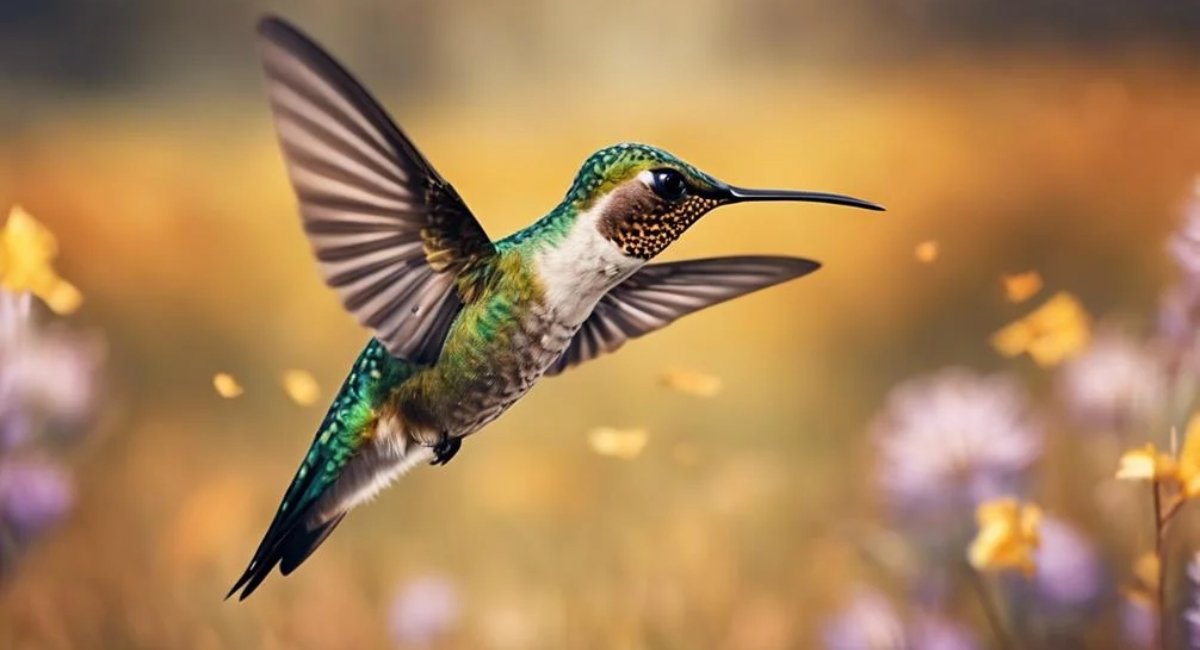
- Hummingbirds: Hovering flight is extremely expensive, and hummingbirds can run some of the highest mass specific metabolic rates among vertebrates. Their bodies are built to turn sugar into motion fast.
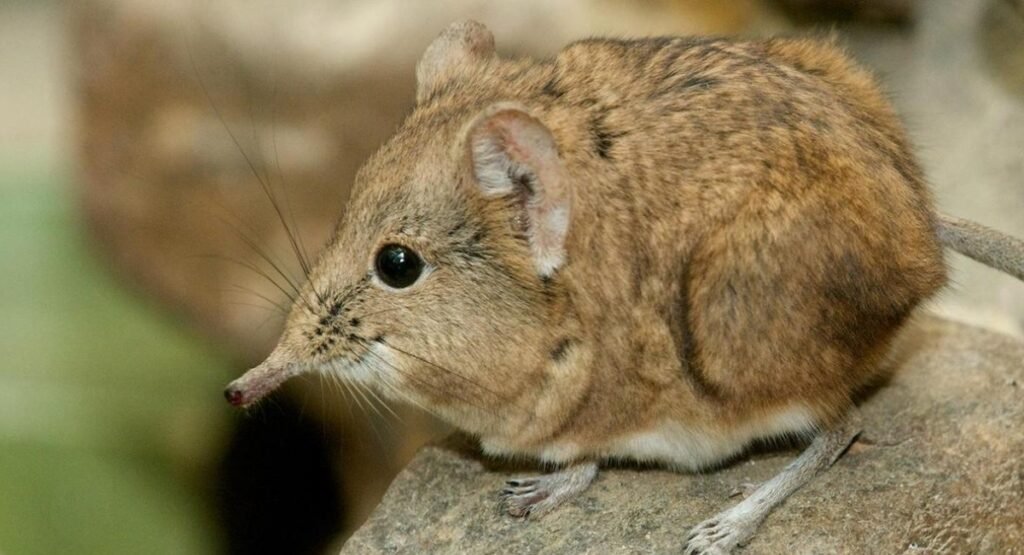
- Shrews: Tiny insect eaters that must eat frequently to keep up with their metabolism. They look frantic because, in a way, they are.
- Ants and bees: Individually small, but as a colony they are nonstop. Foraging, building, defending, tending, repeating.
- Dolphins: Social, curious, and always working, traveling, hunting, playing, communicating.
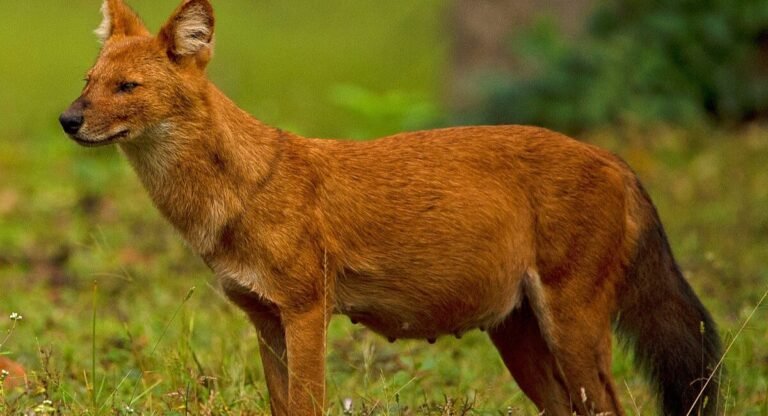
- Wolves and wild dogs: Endurance movers. Their day can involve covering long distances, tracking, coordinating, and scanning.
High Energy Animals In Everyday Life
In home life, energy shows up in a different way. You’re not judging an animal by how many miles it travels in a day. You’re judging it by whether it can relax between activities.
Some common high energy animals people live with:
- Working and herding dogs: Many were bred for daily tasks, not a quick stroll.
- Sporting dogs: Many love to run, retrieve, search, and problem solve.
- Young cats: Especially confident kittens and teenagers. Their play style is hunt practice.
- Ferrets and rats: Small bodies, big curiosity, lots of movement.
- Parrots: High brain power plus high need for interaction and enrichment.
If you love energetic animals, your life can be a perfect match. If you prefer quiet, it can feel like living with a perpetual motion machine.
Helping A Hyper Animal Settle
This is the part most people miss: you can’t fix a hyper animal by adding more chaos. You fix it by building better outlets and better recovery.
Try a mix of:
- Movement with a purpose (sniff walks, searching games, chasing a toy with rules)
- Short training sessions (five minutes done well beats thirty minutes of nagging)
- Calm enrichment (chewing, licking, foraging toys)
- Protected sleep (especially for puppies and young pets)
Also, check the basics. If an animal suddenly becomes wild or restless, don’t assume it’s “just energy.” Pain, itchiness, gut discomfort, and anxiety can all look like hyper behavior.
Conclusion
The most energetic animals display extraordinary levels of activity that captivate our attention and spark our curiosity. Animals like the hummingbird and the African wild dog highlight how different environments and survival strategies influence energy expenditure and behavior.
By understanding the reasons behind their hyperactivity, we gain a deeper appreciation for their roles in ecosystems and their unique adaptations. These insights remind us that energy is not just a physical trait, but a vital component of survival and interaction in the wild.