Most Greedy Animals: What “Greedy” Really Means in the Wild
The Most Greedy Animals often evoke vivid images of excess and indulgence, but the truth is far more complex. What we interpret as greed in the animal kingdom serves critical survival functions, as creatures must make the most of available resources.
From hoarding food to aggressively competing for meals, these strategies illustrate the harsh realities of life in the wild. By examining these behaviors, we gain insights into why certain animals thrive in their environments and how nature continuously shapes their feeding habits.
Why “Greedy Animals” Exist
Food is unpredictable. Seasons change. Drought happens. Prey moves. For many species, the safest plan is to overeat when food is abundant or store food for later. That can look greedy, but it’s often the difference between surviving and starving.
Gluttonous Animals That Binge Eat On Purpose
Some animals may seem gluttonous, but their overeating is actually a smart survival strategy. They consume large amounts of food in short periods to prepare for times when food is scarce. This behavior helps them store energy and survive harsh conditions or long gaps between meals.
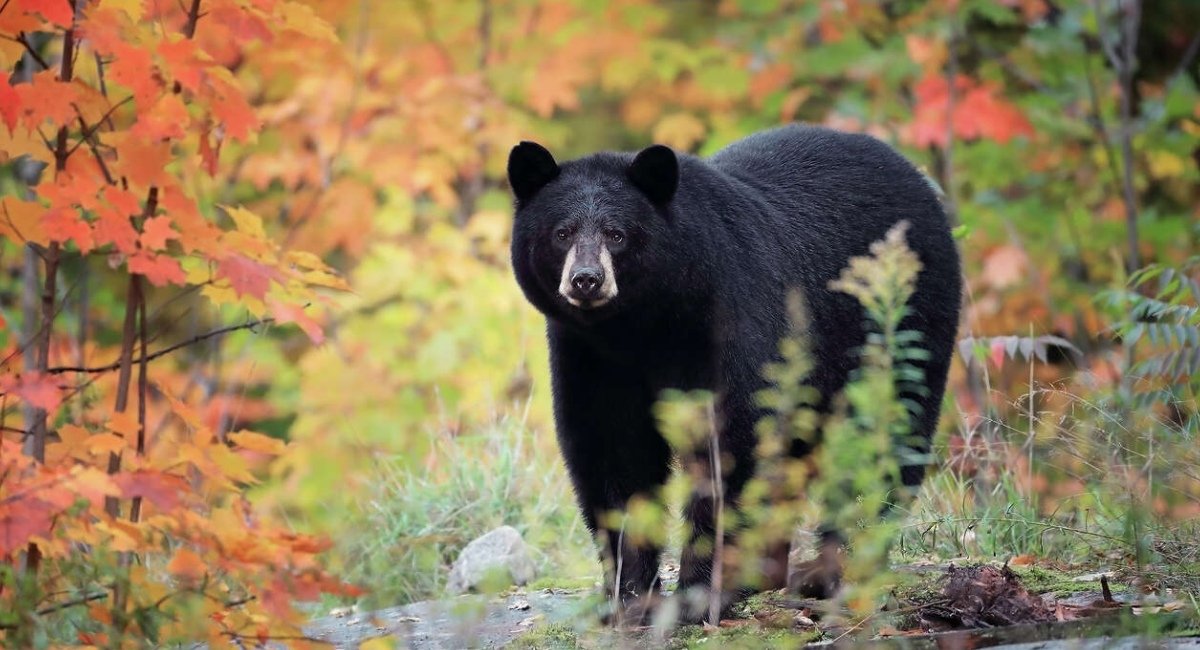
Bears In Hyperphagia
Before hibernation, bears enter a period called hyperphagia, when they eat intensely to build fat reserves. This isn’t a personality flaw, it’s a seasonal survival program. Research measuring bear physiology shows clear changes during the hyperphagic period as they prepare for denning.
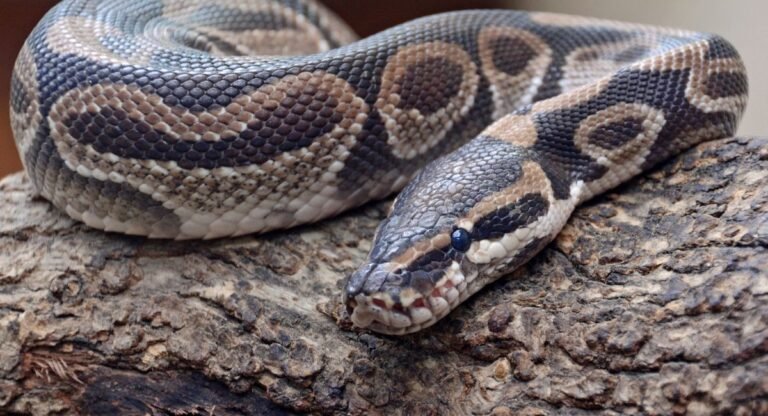
Snakes That Eat “Too Much” At Once
Large snakes can go a long time between meals, so when they catch prey, they take the opportunity. A big meal might look like gluttony, but it’s a strategy for animals that can’t graze or snack all day.
Crocodilians And Other Sit-And-Wait Predators
Ambush predators often eat large amounts when they succeed because they don’t succeed every day. The feast-and-famine rhythm is built into the strategy.
Animals That Hoard Food (The Planners)
Animals that hoard food are nature’s careful planners, storing resources to survive times of scarcity. From squirrels hiding nuts to hamsters filling their cheek pouches, these behaviors show intelligence and preparation. Their ability to save food ensures they can endure harsh weather and limited food supply.
Squirrels
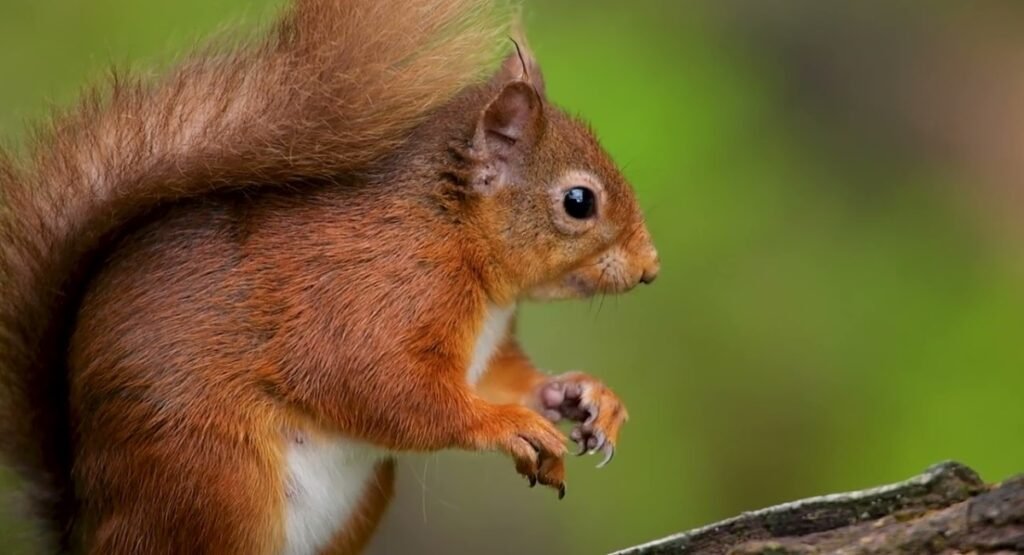
Squirrels are famous because they don’t just eat, they store. Scatter-hoarding means hiding food in many locations, which creates a memory challenge and a theft challenge. Research on scatter-hoarders shows their caching decisions involve real tradeoffs between predation risk and cache pilferage.
Hamsters And Other Small Stashers
Many rodents store food in burrows or cheek pouches. It can look comical, but it’s a serious buffer against bad weather and empty nights.
Collectors And Stockpilers: Storing Food As Insurance
Some animals collect and store food as a survival strategy rather than immediate consumption. This behavior helps them prepare for times when food becomes scarce.
Ants That Store Seeds
Some ants gather and store seeds in their nests like tiny farmers. It can look like obsessive collecting, but it’s simply food security. In dry seasons, a stored seed pile can be the difference between survival and collapse.
Bees And Honey Storage
Honey storage is another “greed-looking” behavior that’s actually just planning. A hive stores energy in a concentrated form to survive cold periods and raise young when flowers aren’t blooming.
Animals That Steal Food (The Opportunists)
Some animals have mastered the art of stealing food instead of hunting or gathering it themselves. These opportunistic feeders take advantage of easy meals whenever the chance appears.
Gulls
If you’ve had a gull steal your food, you’ve met kleptoparasitism in real life. Studies on gull food stealing note that it increases with human food availability, which is why seaside towns see so much of it.
Hyenas
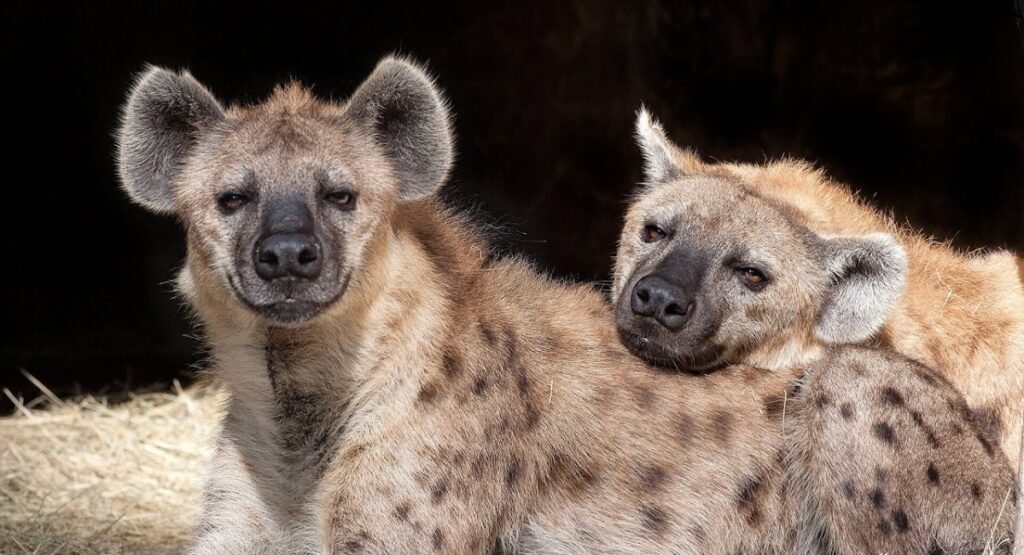
Hyenas are often painted as gluttonous scavengers, but that stereotype is incomplete. They can be skilled hunters, and how much they scavenge depends on local conditions. Even National Geographic has pointed out that their “bad rap” doesn’t match the full reality of hyena behavior.
Animals That Mob A Food Source
Another behavior that gets labeled as “greedy” is mob feeding: many individuals piling onto the same resource fast.
Vultures At A Carcass
Vultures can look chaotic when they feed, but the speed matters. A carcass is temporary, and competition is intense. Getting in quickly is part of the strategy.
Piranhas And Schooling Fish
In some ecosystems, fish feed in groups where speed and numbers matter. It can look like frenzied greed, but it’s often about reducing individual risk while still getting food.
Why These Behaviors Cause Conflict With Humans
The animals that look the most “greedy” around people are often the ones we’ve accidentally trained:
- Leaving trash accessible teaches opportunists that humans equal food.
- Feeding wildlife creates bold, pushy behavior that can escalate.
- Pet food left outdoors attracts a whole chain of visitors.
A few small changes reduce conflict fast:
- Use wildlife-resistant trash bins or keep bins secured until pickup day.
- Bring pet food indoors, especially overnight.
- Clean up fallen fruit under trees if it’s attracting crowds of animals.
- At beaches and parks, keep food covered and don’t “share” with gulls, even once.
If you want less “greedy” behavior, the best solution is less free food.
Read also Animals That Are Loud :The Noisiest Voices In Nature
A Better Way To Think About “Greed” In Animals
Instead of asking which animals are greedy, it helps to ask: what problem is the animal solving? Bears are solving winter. Squirrels are solving scarcity. Gulls are solving easy calories. Once you see the problem, the behavior makes sense.
Conclusion
In exploring the Most Greedy Animals, it’s essential to remember that the term “greedy” doesn’t accurately convey the complexities of animal behavior in the wild. When we observe these creatures, we witness their instinctual strategies for survival: seizing food when it’s plentiful, hoarding for leaner times, and competing fiercely to ensure their own sustenance.
By appreciating the biological imperatives that drive these behaviors, we gain insight into the delicate balance of ecosystems. Therefore, the next time you encounter examples of perceived animal greed, ask yourself how these actions are rooted in survival rather than mere gluttony.