Dangerous Animals In Puerto Rico: 20 Deadly Species To Know
Puerto Rico is often celebrated for its stunning beaches and vibrant culture, but lurking within its lush landscapes are some of the most dangerous animals in Puerto Rico. From venomous snakes to aggressive wildlife, understanding these creatures is essential for anyone exploring the island.
This article will provide you with detailed insights into 20 deadly species that inhabit Puerto Rico, helping you stay safe during your adventures while also deepening your appreciation for the island’s incredible biodiversity.
Are There Dangerous Animals In Puerto Rico?
Puerto Rico is generally considered safe for travelers, with its vibrant culture and stunning landscapes. However, there are some deadly animals in Puerto Rico that visitors should be aware of, including snakes and certain insects.
On land, the Puerto Rican boa and the occasional venomous spider can surprise the unprepared, but encounters are rare. Meanwhile, in the waters surrounding Puerto Rico, marine animals like jellyfish and the occasional shark remind us to respect the ocean’s depths.
Quick List Of The Most Dangerous Animals In Puerto Rico
| No. | Animal | Scientific Name | Class | Main Danger |
| 1 | Box Jellyfish | Chironex fleckeri | Scyphozoa | Extremely venomous sting |
| 2 | Portuguese Man O’ War | Physalia physalis | Hydrozoa | Painful toxic tentacles |
| 3 | Bull Shark | Carcharhinus leucas | Chondrichthyes | Aggressive shark attacks |
| 4 | Barracuda | Sphyraena | Actinopterygii | Sharp teeth bites |
| 5 | American Crocodile | Crocodylus acutus | Reptilia | Powerful predator |
| 6 | Black Widow Spider | Latrodectus hesperus | Arachnida | Neurotoxic venom |
| 7 | Brown Recluse Spider | Loxosceles reclusa | Arachnida | Necrotic bite wounds |
| 8 | Puerto Rican Scorpion | Centruroides givensii | Arachnida | Painful venomous sting |
| 9 | Fire Ants | Solenopsis invicta | Insecta | Aggressive mass stings |
| 10 | Africanized Honey Bees | Apis mellifera scutellata | Insecta | Aggressive swarming attacks |
| 11 | Giant Centipede | Scolopendra gigantea | Chilopoda | Venomous bite |
| 12 | Stingray | Dasyatis | Chondrichthyes | Barbed tail sting |
| 13 | Moray Eel | Muraena | Actinopterygii | Deep painful bites |
| 14 | Lionfish | Pterois volitans | Actinopterygii | Venomous spines |
| 15 | Sea Urchin | Echinoidea | Echinoidea | Sharp toxic spines |
| 16 | Mosquitoes | Aedes aegypti, Aedes albopictus | Insecta | Disease transmission |
| 17 | Wild Boar | Sus scrofa | Mammalia | Aggressive charges |
| 18 | Feral Dogs | Canis lupus familiaris | Mammalia | Bites and attacks |
| 19 | Green Iguana | Iguana iguana | Reptilia | Sharp claws and bites |
| 20 | Caribbean Reef Shark | Carcharhinus perezi | Chondrichthyes | Potential shark encounters |
Box Jellyfish
Scientific Name: Chironex fleckeri
Class: Scyphozoa
The Box Jellyfish is infamous for its tentacles that can deliver a painful sting, capable of causing severe reactions in humans. Found in the coastal waters of Puerto Rico, these jellyfish are most prevalent during the warmer months, making beach outings potentially hazardous.
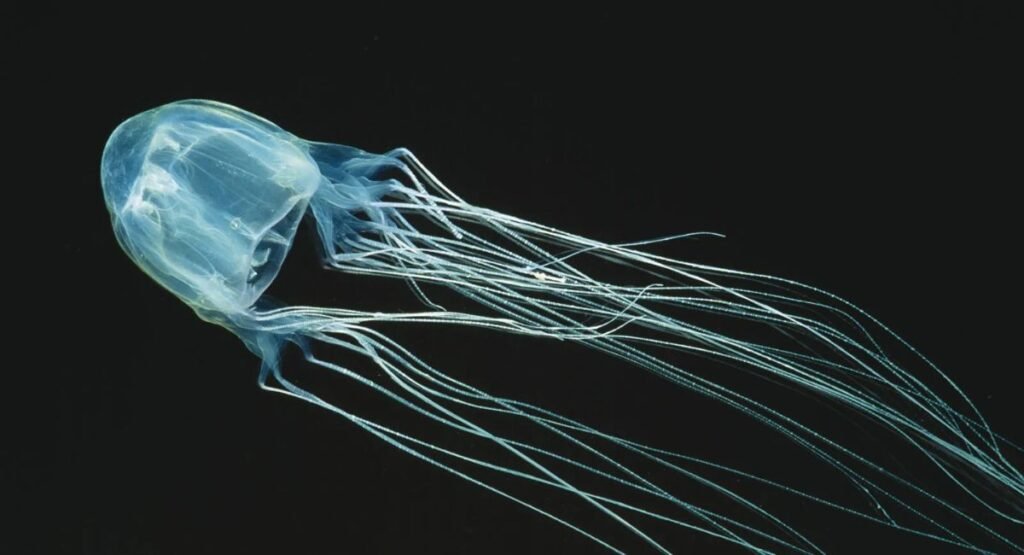
Their venom can lead to heart failure or even death if treatment is not promptly administered. It’s crucial to be aware of warning signs at local beaches as their presence spikes during certain seasons.
Interesting Fact: The Box Jellyfish is not only dangerous due to its sting but also known for its incredible swimming capabilities, allowing it to move swiftly through waters.
Portuguese Man O’ War
Scientific Name: Physalia physalis
Class: Hydrozoa
Often mistaken for a jellyfish, the Portuguese Man O’ War is a colonial organism with long tentacles that can deliver painful stings. These creatures are commonly found in the warm waters surrounding Puerto Rico, especially along beaches where surf is present.
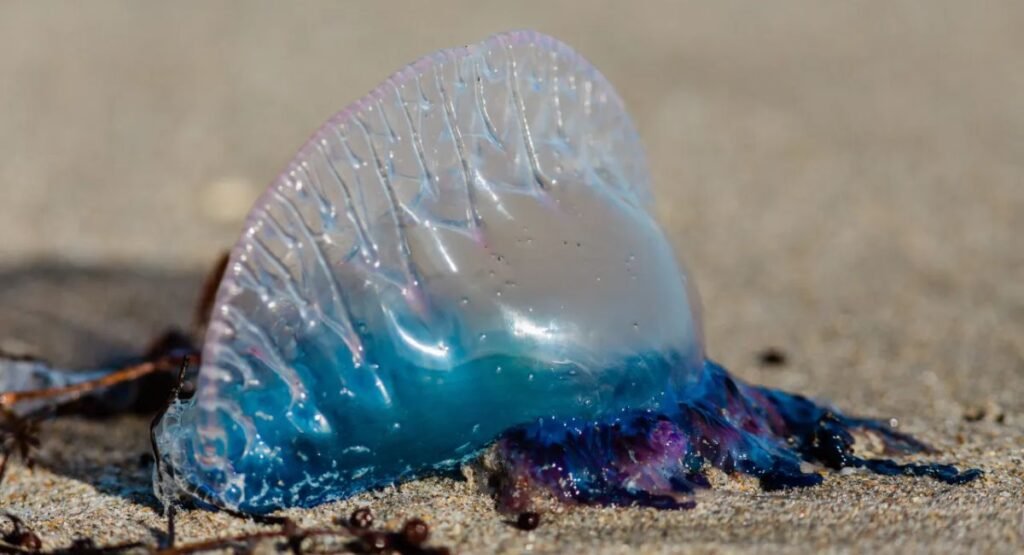
Their venom can cause intense pain, skin irritation, and in extreme cases, can lead to severe allergic reactions. Beachgoers should be cautious and stay informed, particularly during the summer months when they are frequently spotted.
Interesting Fact: Despite its appearance, the Portuguese Man O’ War isn’t a single animal; it’s a colony of specialized polyps working together to survive.
Bull Shark (Are Bull Sharks Dangerous In Puerto Rico?)
Scientific Name: Carcharhinus leucas
Class: Chondrichthyes
Bull Sharks are notorious for their aggressive behavior and adaptability to both salt and freshwater environments, often found in rivers and coastal areas of Puerto Rico. Their presence near shorelines poses a risk to swimmers and surfers alike, making them one of the most dangerous sharks in the region.
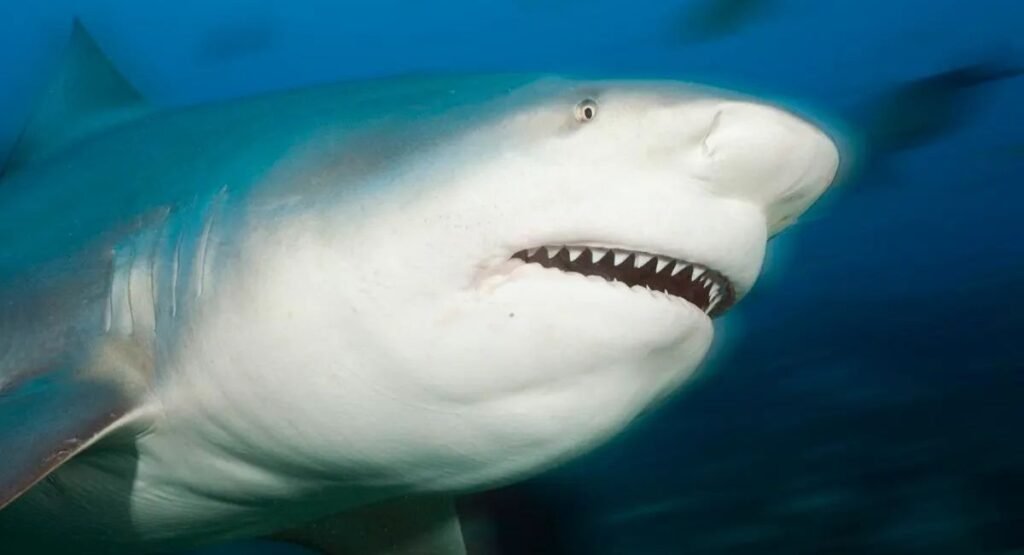
While attacks are rare, their curiosity and boldness can result in encounters that may lead to injury. Caution is advised when engaging in water activities in areas known for bull shark sightings.
Interesting Fact: Bull Sharks can survive in freshwater for extended periods of time, traveling far up rivers and into lakes. This resilience places them among some of the strongest animals in the world, capable of thriving in vastly different environments.
Barracuda (Are Barracuda Dangerous In Puerto Rico?)
Scientific Name: Sphyraena
Class: Actinopterygii
Barracudas are fierce predators found in the warm coastal waters of Puerto Rico, known for their razor-sharp teeth and lightning-fast attacks. While they generally pose little threat to humans, their aggressive nature can lead to bites if they feel threatened or provoked.
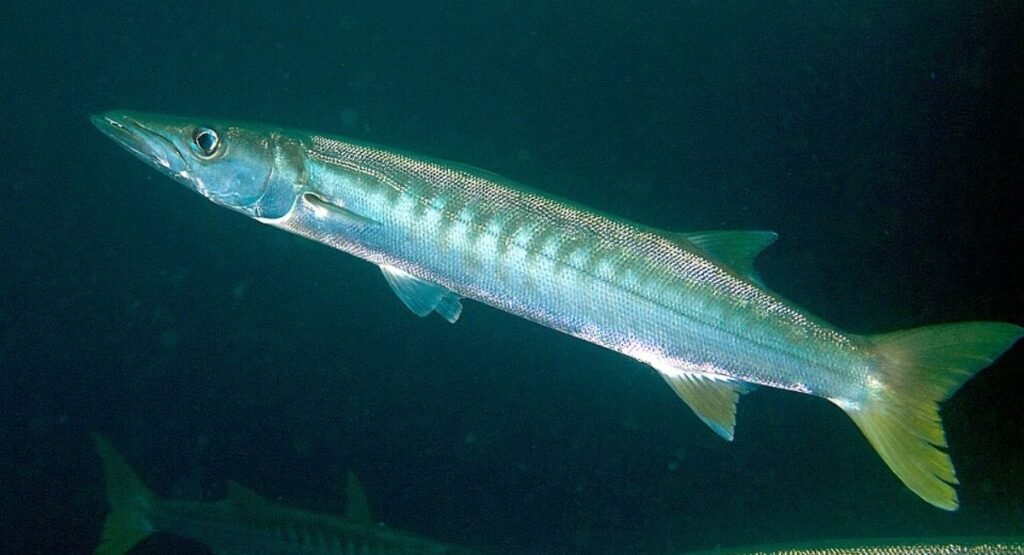
Swimmers and snorkelers should exercise caution, especially near schools of smaller fish that may attract these formidable hunters. Attacks are rare but can be painful and lead to serious injuries.
Interesting Fact: Barracudas have excellent eyesight, allowing them to spot their prey from great distances.
American Crocodile
Scientific Name: Crocodylus acutus
Class: Reptilia
The American Crocodile, found in mangroves and coastal areas around Puerto Rico, can be particularly dangerous due to its size and predatory instincts. While they are typically shy, adult crocodiles can pose a serious risk if they feel threatened or are protecting their nests.
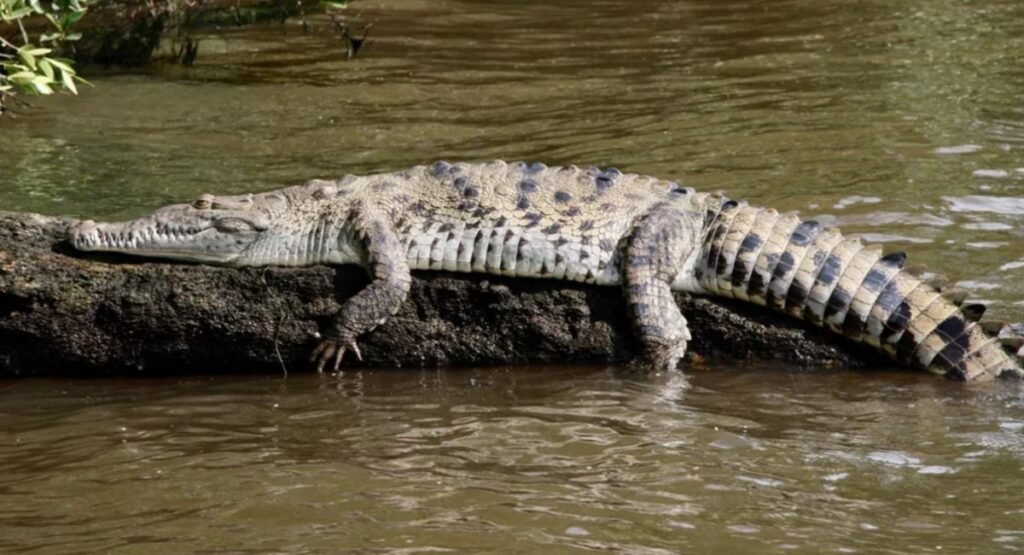
These adaptable reptiles share traits with other species found in animals that live in rivers, thriving in both freshwater and brackish habitats.
Interesting Fact: These crocodiles are capable of living in both saltwater and freshwater, showcasing their adaptability.
Black Widow Spider
Scientific Name: Latrodectus hesperus
Class: Arachnida
The Black Widow Spider is notable for its distinctive black body and red hourglass marking, found in hidden corners around Puerto Rico, like sheds and wood piles. The venom of this spider can cause severe pain and systemic reactions in humans, making it one of the most feared arachnids.
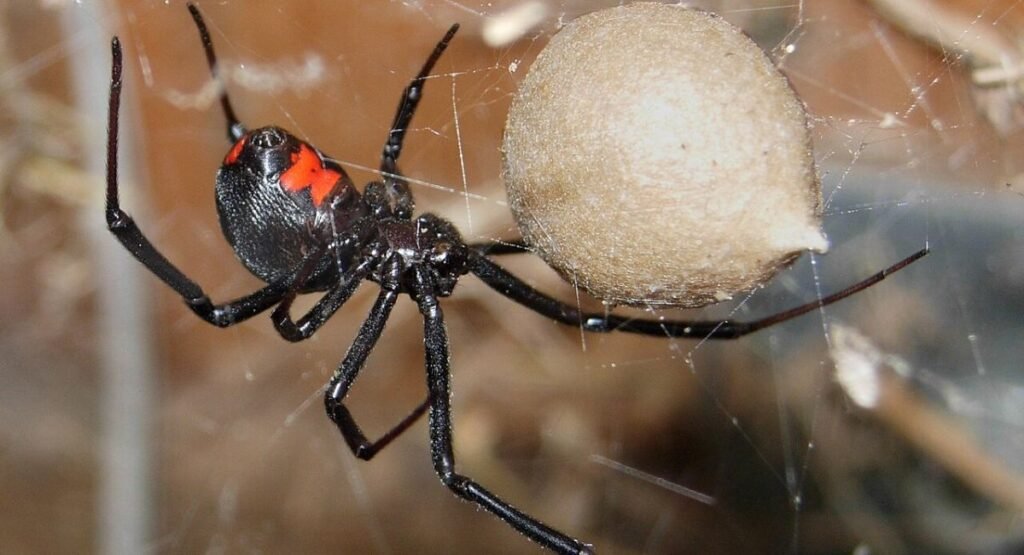
While bites are rare, prompt medical attention is essential if bitten, as untreated bites can lead to serious health issues. Awareness and caution while working in areas where they inhabit can greatly reduce the risk of bites.
Interesting Fact: The female Black Widow is infamous for sometimes consuming the male after mating, highlighting a particularly ruthless aspect of their breeding behavior.
Brown Recluse Spider
Scientific Name: Loxosceles reclusa
Class: Arachnida
The Brown Recluse Spider is known for its violin-shaped marking on its back and is typically found in dark, secluded areas throughout Puerto Rico. Its bite can result in necrotic wounds and other systemic effects, making it a dangerous species.
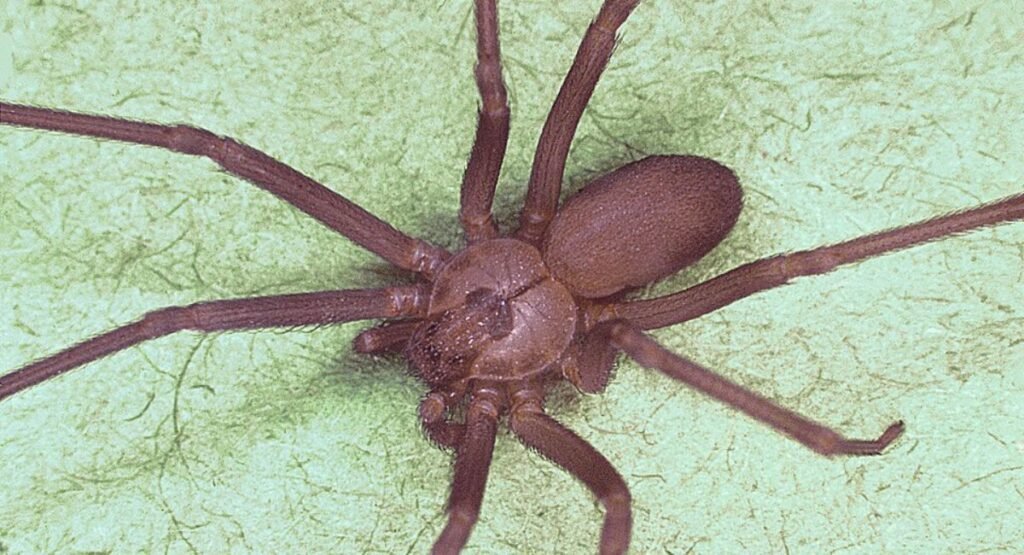
Although encounters are uncommon, being mindful while reaching into dark spaces can help minimize the risk of bites. For anyone bitten, immediate medical evaluation is crucial for effective treatment.
Interesting Fact: Brown Recluse Spiders are reclusive by nature, preferring to evade humans rather than engage.
Puerto Rican Scorpion
Scientific Name: Centruroides givensii
Class: Arachnida
The Puerto Rican Scorpion, while not as lethal as other species, can deliver a painful sting that may cause discomfort and swelling in humans. They are commonly found in dry areas, such as caves and rocky terrains, which makes them easy to overlook.
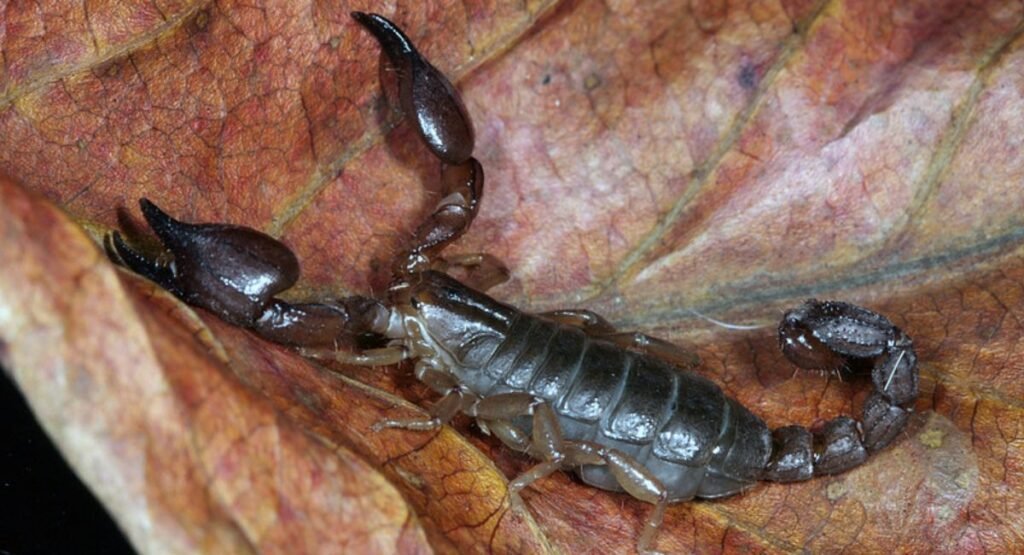
While fatalities are rare, their presence can still be alarming for residents and visitors alike. Caution should be exercised when exploring rocky areas, especially at night, as they are nocturnal hunters.
Interesting Fact: The Puerto Rican Scorpion is often recognized for its smaller size compared to other scorpions, but its sting can still be quite painful.
Fire Ants
Scientific Name: Solenopsis invicta
Class: Hymenoptera
Fire Ants are aggressive stingers found in warm environments across Puerto Rico, creating large mounds in open areas, parks, and yards. Their bites can cause painful welts and allergic reactions in sensitive individuals, making them a component of dangerous wildlife.
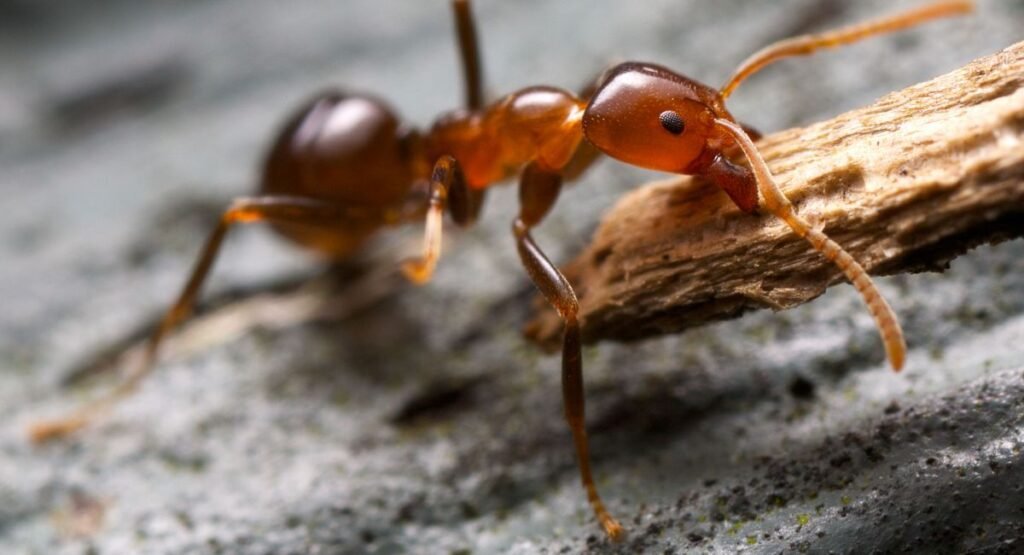
Their penchant for attacking in unison when their nest is disturbed can pose a risk to anyone unsuspecting enough to come too close. It’s advisable to be cautious around their nests to avoid painful stings.
Interesting Fact: Fire Ants are known for their ability to form rafts to survive flooding, showcasing their impressive teamwork and resilience.
Africanized Honey Bees
Scientific Name: Apis mellifera scutellata
Class: Insecta
Also known as “killer bees,” Africanized Honey Bees are more aggressive than their European counterparts and defend their hives vigorously. These bees are prevalent in various habitats across Puerto Rico, posing a risk to beekeepers and unwary individuals alike.
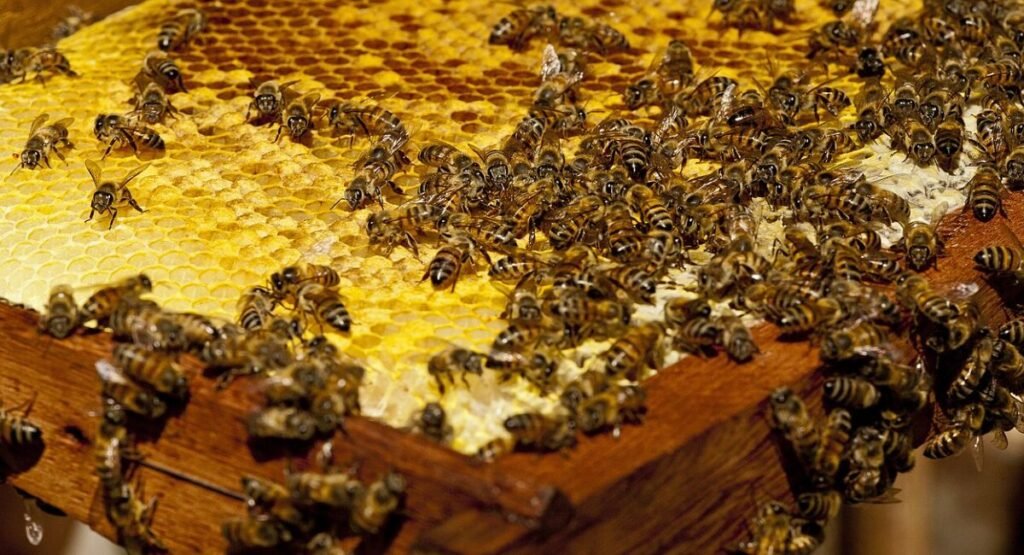
While fatalities are rare, swarming behavior can be dangerous, leading to multiple stings that may require medical attention. Staying clear of active hives is highly advisable to avoid any aggressive encounters.
Interesting Fact: Africanized Honey Bees are a hybrid species that resulted from a breeding program gone awry in Brazil, and have since spread throughout the Americas.
Giant Centipede
Scientific Name: Scolopendra gigantea
Class: Chilopoda
Giant Centipedes are formidable predators that can grow up to a foot long and are often found in the lush foliage of Puerto Rico’s forests. Their venomous bite can cause pain, swelling, and severe reactions in humans, highlighting their potential danger.
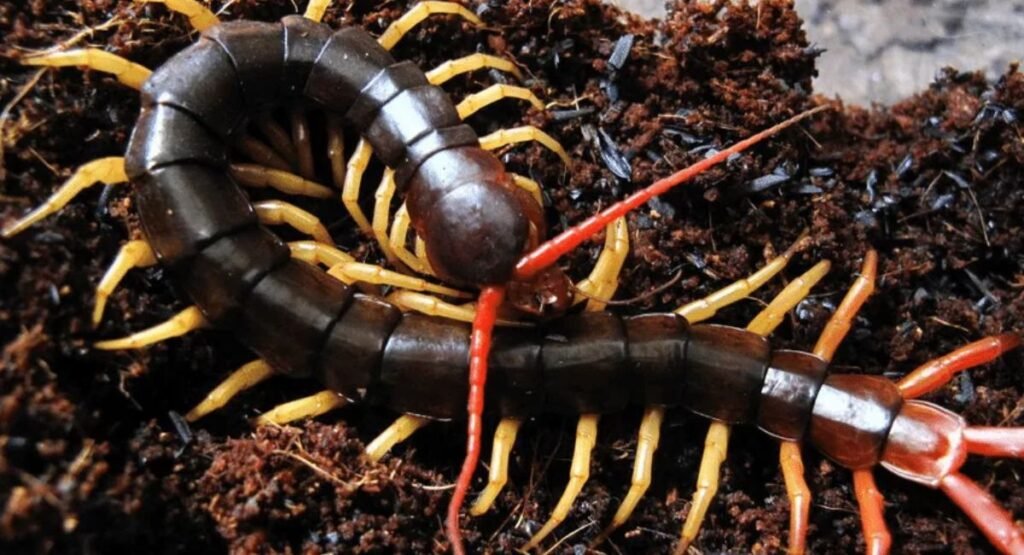
Although they typically prefer to avoid human interaction, disturbances in their habitat can lead to bites. Awareness is key, particularly when exploring dense vegetation.
Interesting Fact: Giant Centipedes possess venom potent enough to paralyze small prey and have been known to hunt down frogs and small rodents.
Stingray
Scientific Name: Dasyatis
Class: Chondrichthyes
Stingrays inhabit the warm coastal waters around Puerto Rico, often hiding in sandy bottoms, which makes accidental encounters likely. Their barbed tails can deliver painful stings when stepped on, leading to injury and requiring medical attention.
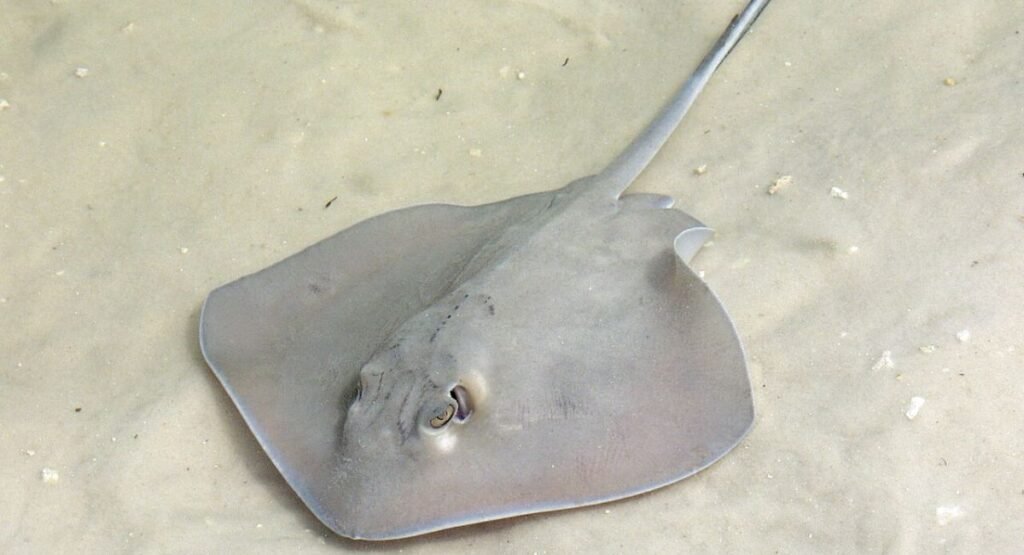
While they are generally docile, it’s essential to shuffle your feet while wading in shallow waters to avoid surprising these creatures. Awareness can greatly reduce the risk of injury during beach outings.
Interesting Fact: Stingrays can regenerate their tails, allowing them to heal quickly if damaged.
Moray Eel
Scientific Name: Muraena
Class: Actinopterygii
Moray Eels are often found among coral reefs around Puerto Rico, known for their long bodies and hidden nature. While they are not typically aggressive, they can bite if they feel threatened, leading to painful injuries.
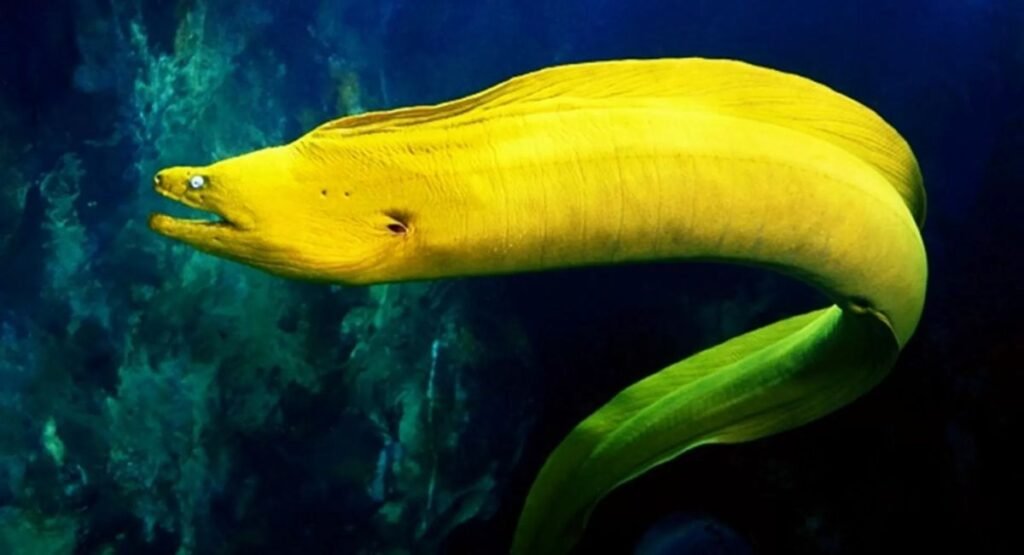
Divers and snorkelers should exercise caution and avoid putting their hands in crevices where these eels might reside to prevent unwanted encounters. It’s best to observe them from a distance.
Interesting Fact: Moray Eels have two sets of jaws; the second jaw helps pull prey into their throats.
Lionfish (Are Lionfish Dangerous In Puerto Rico?)
Scientific Name: Pterois volitans
Class: Actinopterygii
Lionfish are beautiful yet venomous invaders in the waters of Puerto Rico, with spines that can deliver painful stings to anyone who comes too close. These fish are often found in shallow reefs and are a threat to native marine life due to their voracious appetite.
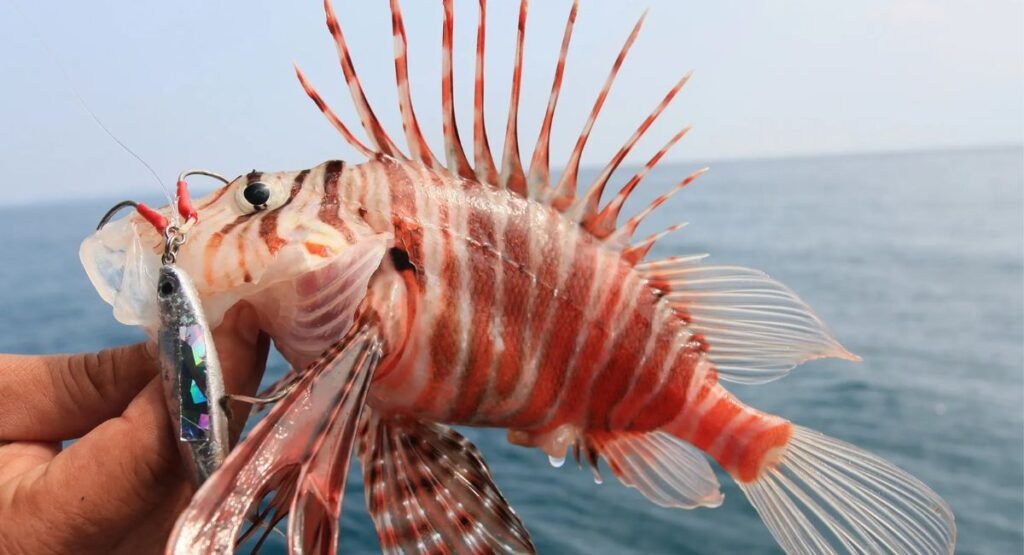
Stings from Lionfish can cause extreme pain, swelling, and nausea, making it crucial for divers and snorkelers to be vigilant around these striking creatures. Awareness and respect for their territory will help mitigate risks.
Interesting Fact: Despite their venomous spines, Lionfish are increasingly sought after as a delicacy in culinary circles, leading to efforts for their control.
Sea Urchin (Are Sea Urchins Dangerous In Puerto Rico?)
Scientific Name: Echinodermata
Class: Echinoidea
Sea Urchins, common in rocky tide pools and coral reefs, have spines that can puncture skin, leading to painful wounds and infections. Found in shallow waters throughout Puerto Rico, these echinoderms can be easily overlooked when exploring marine environments.
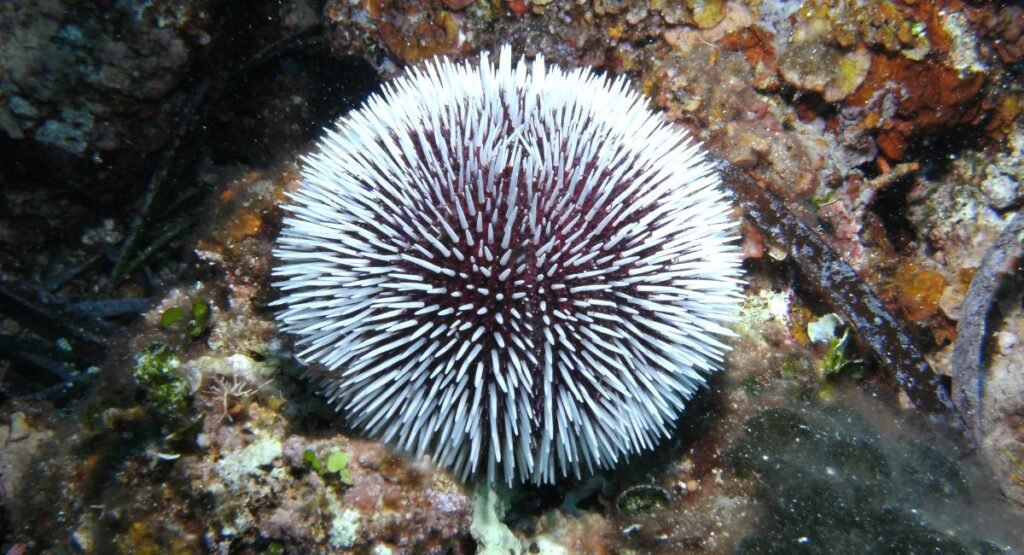
While their presence usually presents minimal threat, stepping on or touching them can result in injuries requiring medical attention. Caution while wading in shallow waters is recommended.
Interesting Fact: Some cultures consider certain species of Sea Urchin a delicacy, using their roe in culinary dishes.
Mosquitoes (Are Mosquitoes Dangerous In Puerto Rico?)
Scientific Name: Aedes aegypti, Aedes albopictus
Class: Insecta
Mosquitoes are abundant in Puerto Rico and are infamous for transmitting diseases such as dengue fever and Zika virus. The warm, humid climate provides an ideal breeding ground, particularly in standing water.
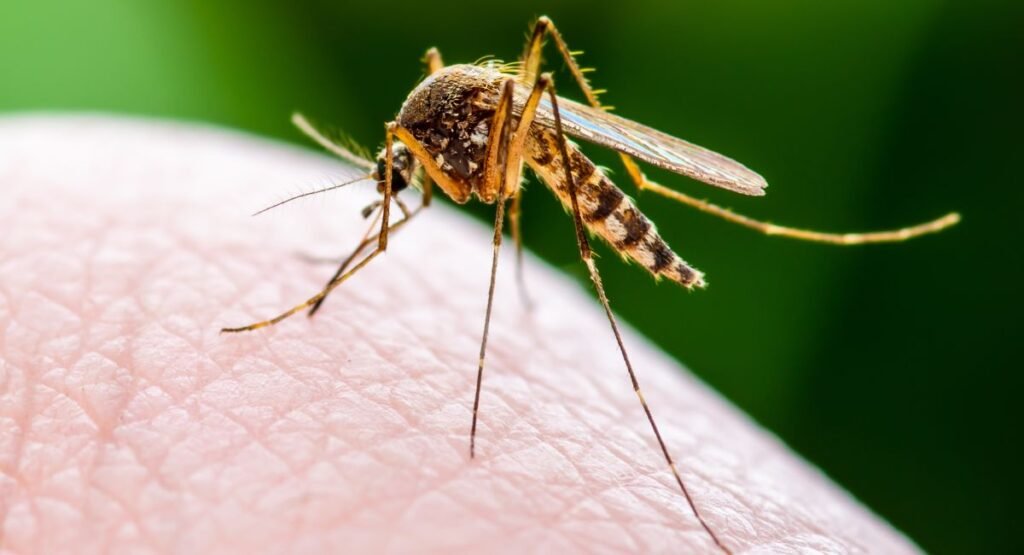
While their bites are mostly nuisances, the potential for serious illness makes them a significant public health concern. Protective measures against bites are essential for residents and visitors alike.
Interesting Fact: Mosquitoes are often more active around dawn and dusk, so this is the best time to take precautionary measures.
Wild Boar (Are Wild Boars Dangerous In Puerto Rico?)
Scientific Name: Sus scrofa
Class: Mammalia
Wild Boars have become increasingly common in Puerto Rico, often leading to property damage and potential danger for anyone who encounters them in the wild. These aggressive animals can attack, especially if they feel cornered or threatened with their young nearby.
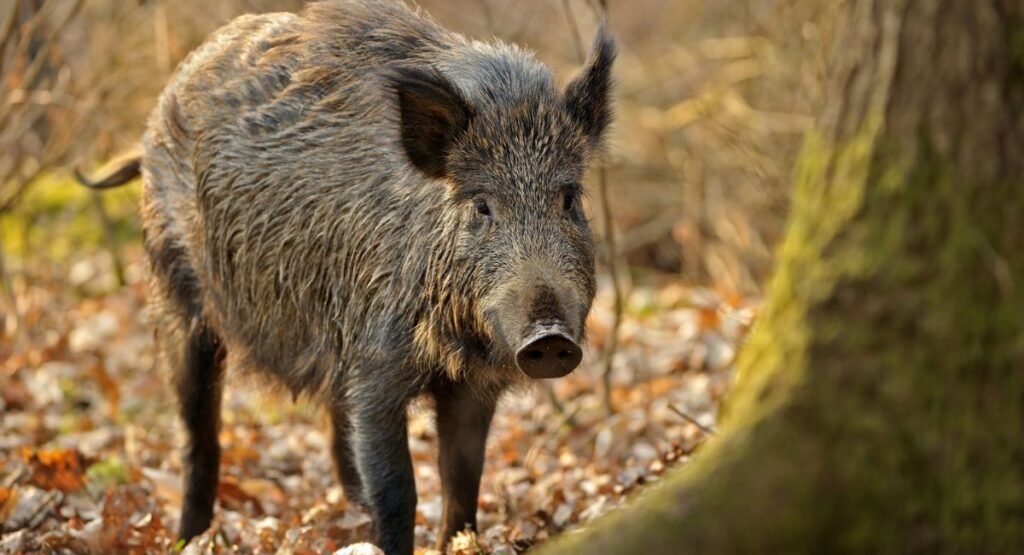
Hikers and outdoor enthusiasts should stay cautious when trekking in areas known for wild boar activity, keeping a safe distance if spotted. Despite their somewhat comical appearance, they can be serious threats in certain situations.
Interesting Fact: Wild Boars are known for their adaptability and can thrive in a variety of habitats, which contributes to their population growth in Puerto Rico.
Feral Dogs (Are Feral Dogs Dangerous In Puerto Rico?)
Scientific Name: Canis lupus familiaris
Class: Mammalia
Feral dogs are a growing concern in urban and rural areas of Puerto Rico, especially in neighborhoods where they roam in packs. These dogs can behave aggressively if threatened or protecting their territory, posing dangers to unsuspecting passersby.
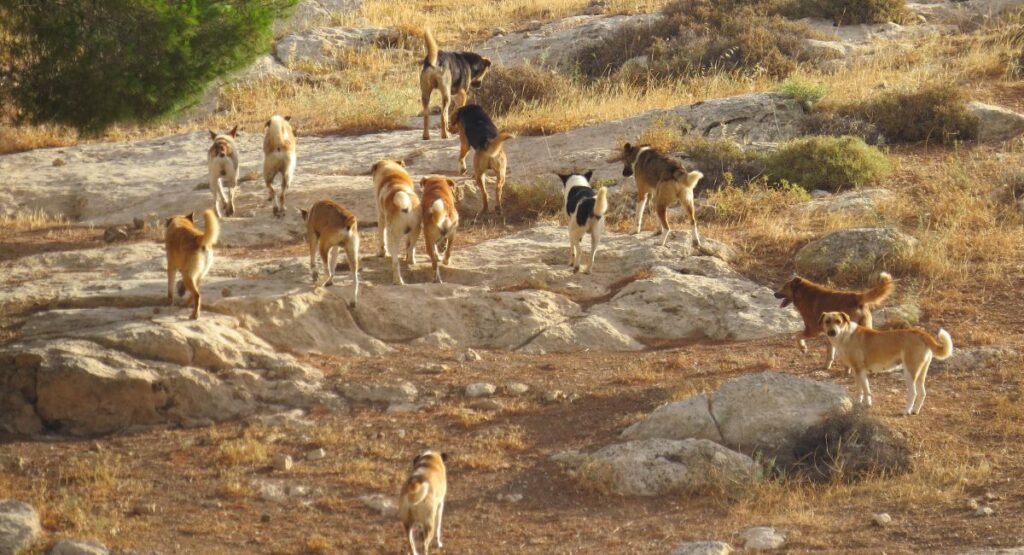
While many are not rabid, bites can lead to infection and larger health issues. It’s advised to avoid any interaction with feral dogs and report sightings to local authorities for safe removal.
Interesting Fact: Feral dogs have shown remarkable survival skills, often relying on cooperation within their packs to hunt and scavenge for food.
Green Iguana
Scientific Name: Iguana iguana
Class: Reptilia
The Green Iguana, often seen basking in the sun along trees and rocks, can become a nuisance due to their herbivorous diet, which can destroy gardens and landscaping. While they are generally not aggressive, an ill-timed bite or defensive scraping can occur if handled improperly.
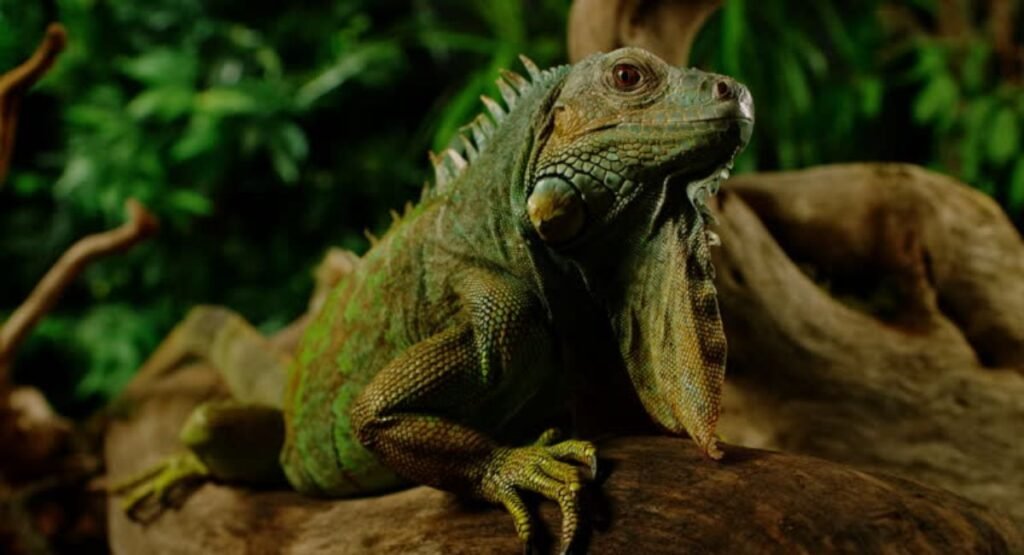
Their sharp claws can inflict painful scratches, which can lead to infections. While they may seem harmless, it’s essential to maintain a respectful distance to avoid any unwanted interaction.
Interesting Fact: Green Iguanas can live for over 20 years in captivity, showcasing their longevity and adaptability in various habitats.
Caribbean Reef Shark
Scientific Name: Carcharhinus perezi
Class: Chondrichthyes
The Caribbean Reef Shark is commonly spotted around coral reefs in Puerto Rico, known for its shark-like behavior and hunting technique. While they are typically not aggressive towards humans, encounters can still result in danger if the animal feels threatened.
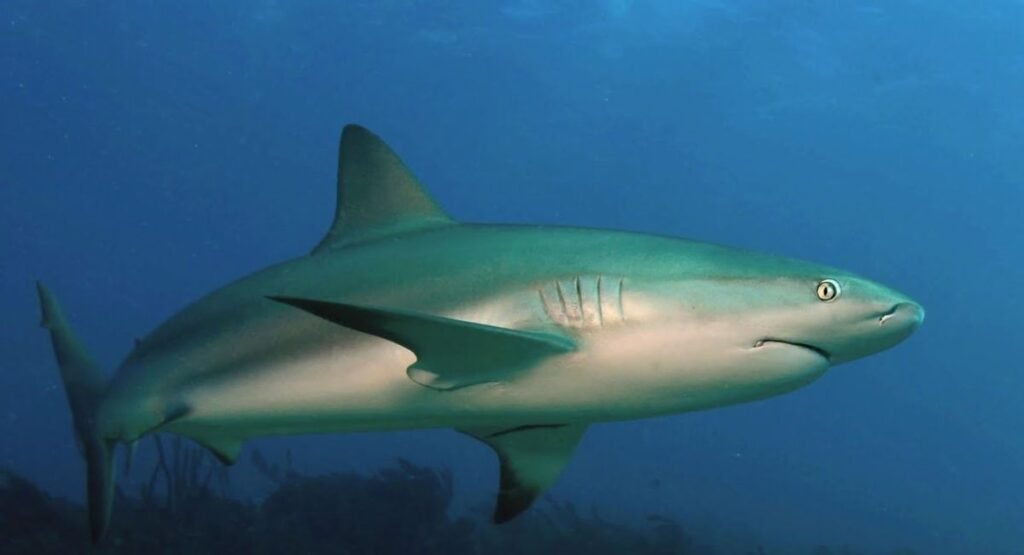
Diving or snorkeling should be approached with caution in areas known to host these sharks, as unexpected interactions can occur. Awareness of your surroundings can provide a safer experience in the water.
Interesting Fact: Caribbean Reef Sharks are known for their social behavior, often found swimming in groups, making for a fascinating sight for divers.
Safety Tips When Encountering Wildlife In Puerto Rico
- Stay on Marked Trails: Stick to established paths to protect both yourself and the unique flora and fauna.
- Avoid Touching Marine Life: While exploring Puerto Rico’s exquisite beaches and reefs, resist the urge to handle marine creatures.
- Wear Protective Footwear: The island’s diverse terrain includes sharp rocks and prickly plants.
- Keep Distance from Crocodiles: Particularly in mangrove areas, these reptiles can be stealthy.
- Do Not Disturb Bee Nests: Bees play a vital role in the ecosystem, but their nests can be easily disturbed.
- Educate Yourself About Local Wildlife: Understanding which animals could pose risks is key.
Conclusion
Understanding the dangerous animals in Puerto Rico is essential for both locals and tourists. This beautiful island is home to a variety of wildlife, many of which can be harmful if provoked. From venomous snakes to aggressive insects, knowledge of these species will help ensure your safety during your time in paradise.
Always stay vigilant and informed about the most dangerous animals in Puerto Rico, so you can appreciate its natural beauty without unnecessary risk. Respecting wildlife and their habitats is key to enjoying a safe and memorable experience.
FAQs
Is There Any Dangerous Wildlife In Puerto Rico?
Yes, Puerto Rico has several potentially dangerous animals, including jellyfish, sharks, crocodiles, scorpions, and venomous insects. Most wildlife encounters are rare when proper safety precautions are followed.
What Is The Largest Predator In Puerto Rico?
Puerto Rico has no native large land predators. Large sharks in surrounding waters and invasive caimans are considered some of the island’s biggest predators.
What Is Rule 22 In Puerto Rico?
Rule 22, now part of Puerto Rico’s Act 60, offers significant tax incentives to eligible individuals who relocate to Puerto Rico, including exemptions on certain investment income.
What Is The #1 Cause Of Death In Puerto Rico?
Heart disease is the leading cause of death in Puerto Rico, followed closely by cancer. These health conditions account for a large percentage of deaths across the island.
Are There Sharks In Puerto Rico?
Yes, around 40 shark species live in Puerto Rico’s waters. Although sharks are common, attacks on humans are extremely rare, and most species avoid people.