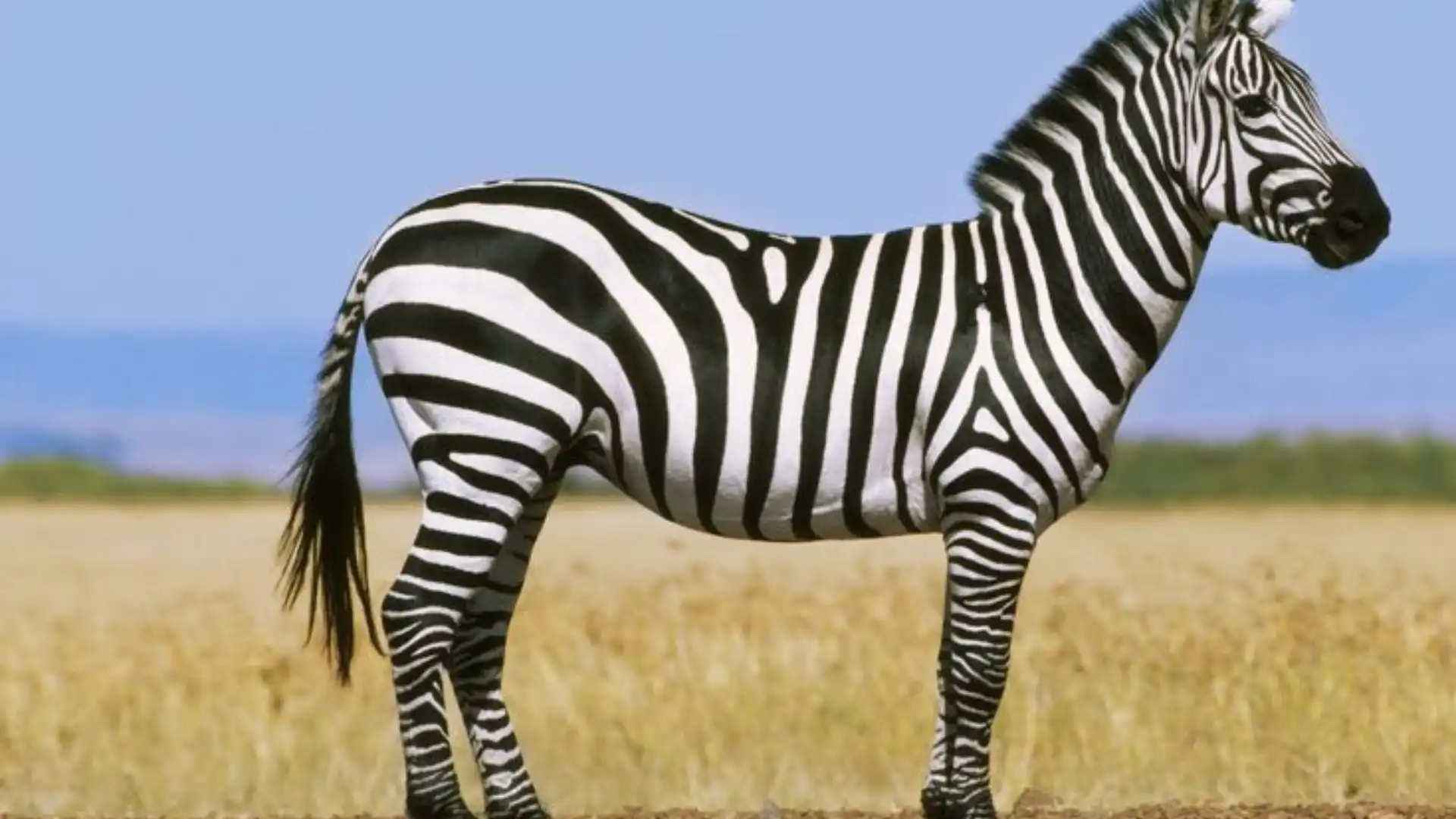
15 Animals Like Horses That Will Surprise You (With Pictures)
Animals like horses often captivate our imagination not only for their grace and beauty but also for their fascinating diversity within the Equidae family. Surprisingly, many of these creatures share remarkable similarities with horses, spanning various habitats and lifestyles.
Let’s explore 15 such animals, showcasing their unique traits and characteristics, along with stunning pictures. By uncovering these lesser-known relatives, you’ll gain a deeper appreciation for the variety of life in the animal kingdom.
What Animals Are Like Horses?
Animals like horses primarily belong to the Equidae family, such as donkeys, zebras, and wild equids like onagers and mules. They share key traits like hooves, elongated heads, and a herbivorous diet, but differ in size, temperament, and appearance.
Wild equids like onagers showcase the evolutionary variety within the genus Equus. These animals adapt to harsh environments, exhibiting resilience and unique survival strategies. Understanding these animals highlights not just their similarities with horses, but also their specialized adaptations that allow them to thrive in different ecosystems.
Why Are Some Animals Similar To Horses?
The similarity among animals similar to horses can largely be attributed to shared ancestry. Horses belong to the Equidae family, which also includes animals like zebras, donkeys, and even the extinct species Hipparion. These creatures share a common lineage that dates back millions of years, influencing not only their physical traits but also their behaviors and ecological adaptations.
For instance, the elongated legs and streamlined bodies of these animals allow them to excel in open terrains, showcasing the evolutionary advantages conferred by their ancestry.
Top 15 Animals Like Horses
| No. | Animal | Scientific Name | Class | Diet |
| 1 | Zebra | Equus quagga | Mammalia | Herbivore |
| 2 | Donkey | Equus africanus asinus | Mammalia | Herbivore |
| 3 | Mule | Equus mulus | Mammalia | Herbivore |
| 4 | Kiang | Equus kiang | Mammalia | Herbivore |
| 5 | Kulan | Equus hemionus kulan | Mammalia | Herbivore |
| 6 | Onager | Equus hemionus | Mammalia | Herbivore |
| 7 | Przewalski’s Horse | Equus ferus przewalskii | Mammalia | Herbivore |
| 8 | Okapi | Okapia johnstoni | Mammalia | Herbivore |
| 9 | Tapir | Tapirus terrestris | Mammalia | Herbivore |
| 10 | Moose | Alces alces | Mammalia | Herbivore |
| 11 | Eland | Taurotragus oryx | Mammalia | Herbivore |
| 12 | Llama | Lama glama | Mammalia | Herbivore |
| 13 | Alpaca | Vicugna pacos | Mammalia | Herbivore |
| 14 | Camel | Camelus dromedarius | Mammalia | Herbivore |
| 15 | Red Deer | Cervus elaphus | Mammalia | Herbivore |
Zebra
Scientific Name: Equus zebra
Class: Mammalia
Diet: Herbivore
Zebras are fascinating animals similar to horses, known for their iconic black and white stripes which serve as a natural camouflage. These social creatures thrive in herds, exhibiting complex behaviors that enhance their survival in the wild. This tendency toward tight social bonds isn’t unique to zebras many other animals that live in groups rely on similar herd dynamics to stay safe from predators and coordinate feeding.
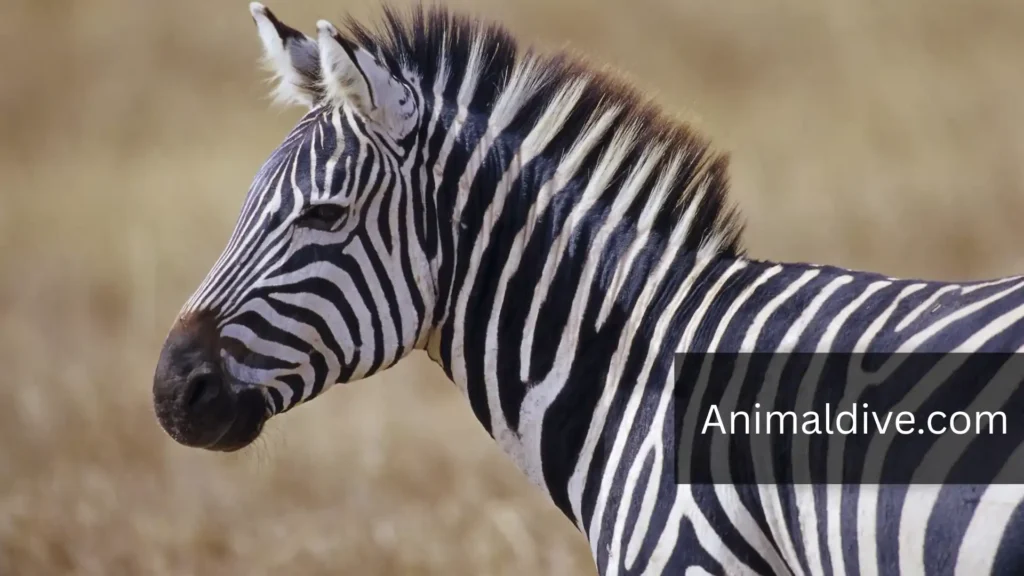
Zebras exhibit resilience in diverse habitats, from savannas to mountainous regions. They are often known for their playful nature, fostering strong bonds with their herd members, much like horses do in their own groups.
Donkey
Scientific Name: Equus africanus asinus
Class: Mammalia
Diet: Herbivore
Donkeys are robust animals closely related to horses, recognized for their sure-footedness and endurance in challenging terrains. Their calm demeanor and remarkable intelligence make them excellent working animals in many cultures. That intelligence puts donkeys in good company among the animal kingdom’s sharpest minds check out our list of cunning animals to see how they compare to other clever species.
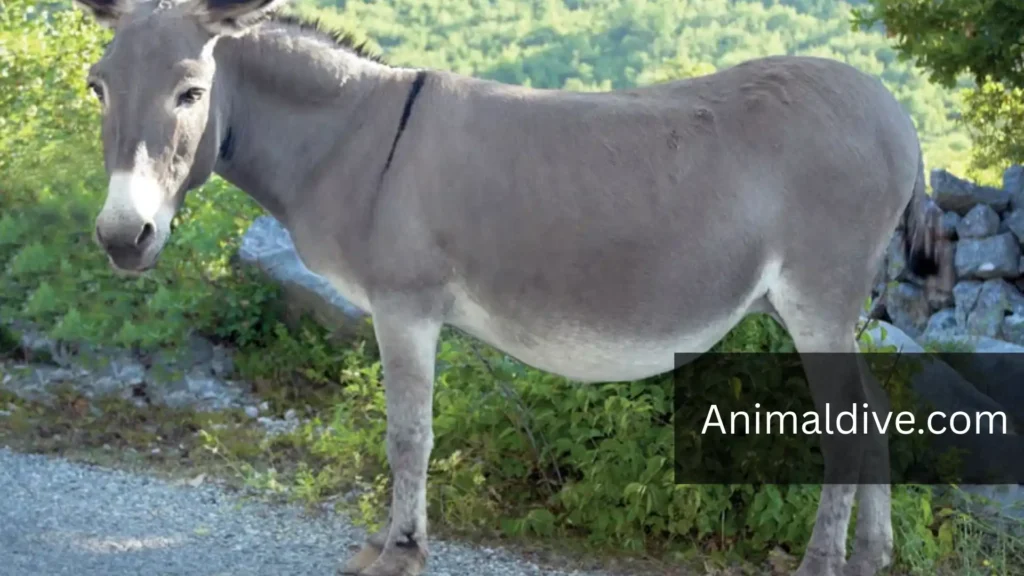
Often underestimated, donkeys possess a strong sense of self-preservation, making them discerning in dangerous situations. This trait, along with their ability to form tight-knit bonds with humans and other animals, showcases their incredible adaptability.
Mule
Scientific Name: Equus mulus
Class: Mammalia
Diet: Herbivore
Mules, a hybrid of a horse and a donkey, inherit the best traits from both parents, including strength and resilience. These animals are known for their work ethic, often outperforming horses in various labor-intensive tasks due to their unbeatable stamina. Like their horse and donkey parents, mules also sport a coarse, upright mane a trait shared with several other animals that have manes across the animal world.
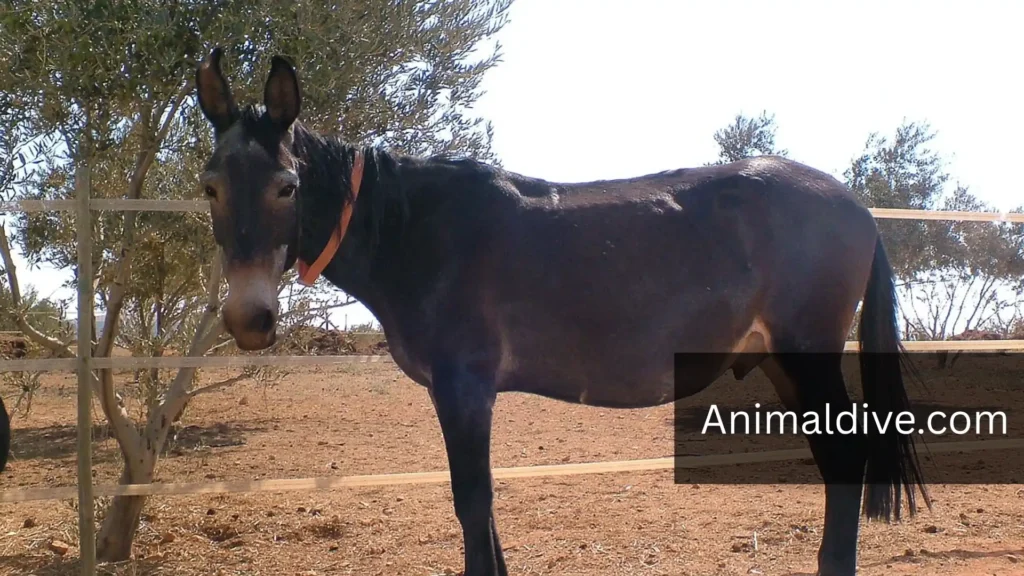
Their sure-footedness in rugged terrains makes them invaluable in agriculture and transportation. Mules also possess a unique personality, often exhibiting cleverness coupled with a gentle temperament.
Kiang
Scientific Name: Equus kiang
Class: Mammalia
Diet: Herbivore
The Kiang is a wild donkey native to the Tibetan plateau, showcasing phenomenal adaptability to high-altitude environments. Known for their striking reddish-brown coats, these animals are similar to horses in their social behaviors, often seen forming groups for protection and interaction.
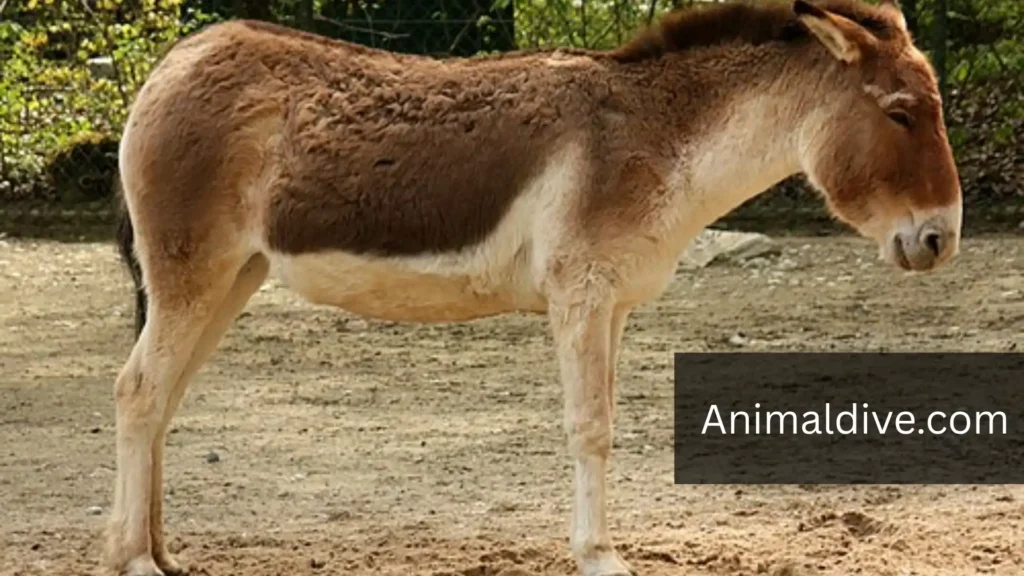
Their high-energy lifestyle allows them to traverse rugged landscapes, making them intriguing subjects for researchers studying survival in extreme conditions. They exhibit strong maternal instincts, ensuring the well-being of their young in challenging habitats.
Kulan
Scientific Name: Equus hemionus
Class: Mammalia
Diet: Herbivore
Kulan, also known as the Asiatic wild ass, is a lesser-known relative of the horse found in Central Asia’s harsh environments. This spirited animal showcases a remarkable blend of speed and endurance, making it well-suited for life in arid regions.
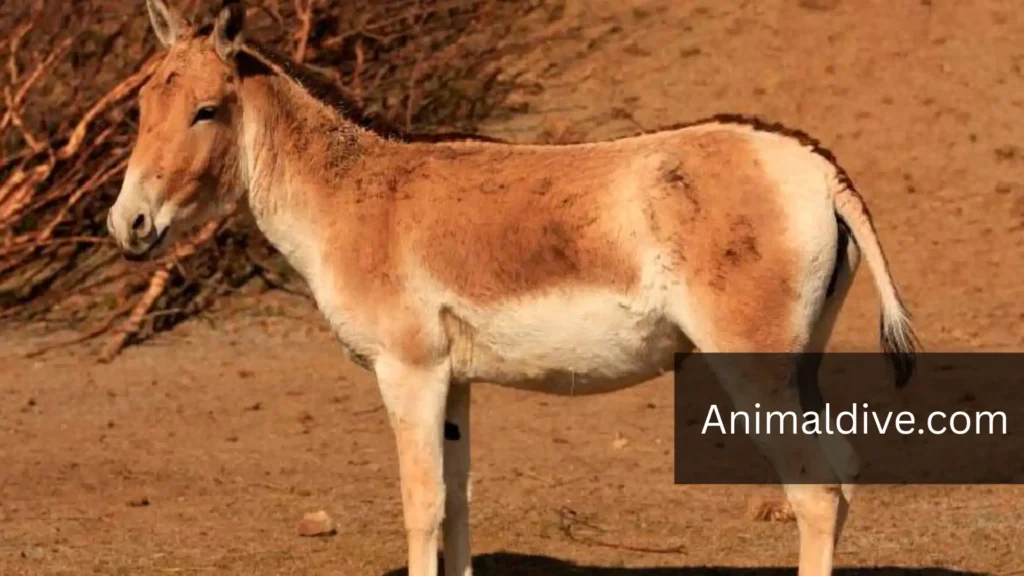
Their social structure involves small herds, allowing for intricate interactions similar to those observed in horses. With their unique adaptations for survival, kulan are a testament to the diversity among animals similar to horses.
Onager
Scientific Name: Equus hemionus onager
Class: Mammalia
Diet: Herbivore
The Onager, known as the Persian wild ass, has adapted to desert conditions, showcasing remarkable resilience just like horses bred for endurance. These animals are characterized by their long legs and strong build, allowing them to cover vast distances efficiently.
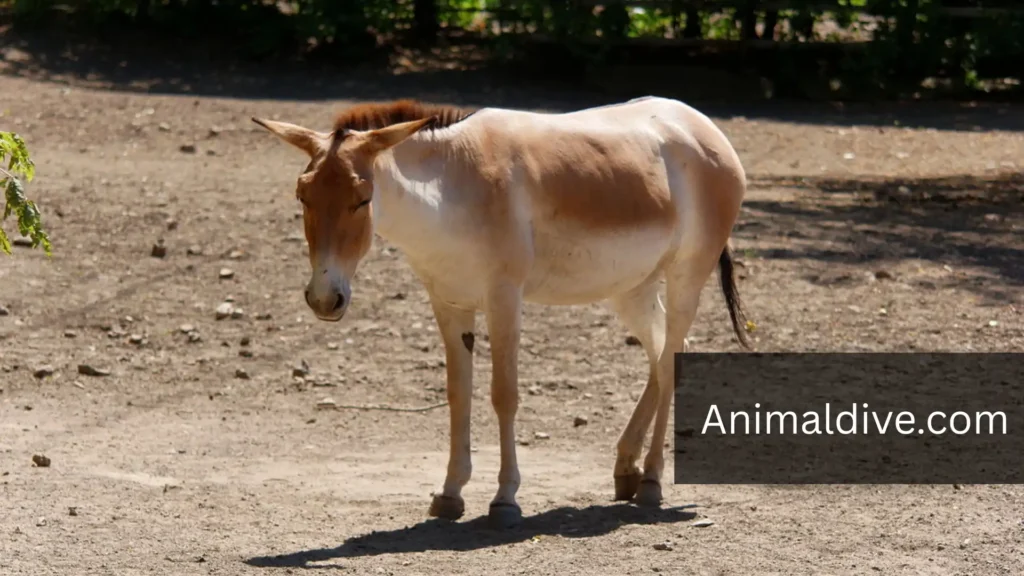
Their behavior reflects the complex social interactions similar to that of horses, with individuals forming hierarchical group structures. Understanding their survival strategies offers valuable insights into the evolutionary success of equine species.
Przewalski’s Horse
Scientific Name: Equus ferus przewalskii
Class: Mammalia
Diet: Herbivore
Przewalski’s Horse is the only truly wild horse species left today, reflecting a remarkable comeback from the brink of extinction. These hardy animals thrive in harsh grassland habitats, exhibiting a robust build and unique behaviors akin to feral horses.
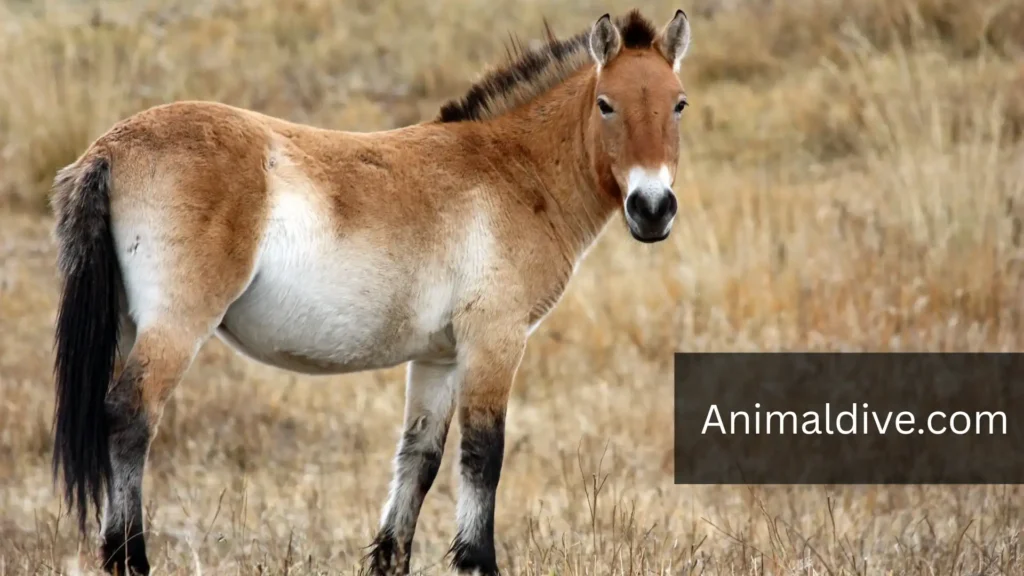
Their natural instincts for survival play a critical role in their adaptation, making them a symbol of conservation efforts. Understanding their social dynamics enriches our appreciation of equine relationships in the wild.
Okapi
Scientific Name: Okapia johnstoni
Class: Mammalia
Diet: Herbivore
Often described as a “giraffe’s cousin,” the okapi’s intriguing features and elusive nature make it a captivating subject among animals similar to horses. With its zebra-like stripes and long neck, this forest dweller is adapted to life under the dense canopies of the Congo. Unlike the herd-oriented equids on this list, the okapi prefers to go it alone, joining the ranks of other notably solitary animals in the world that thrive without a pack.
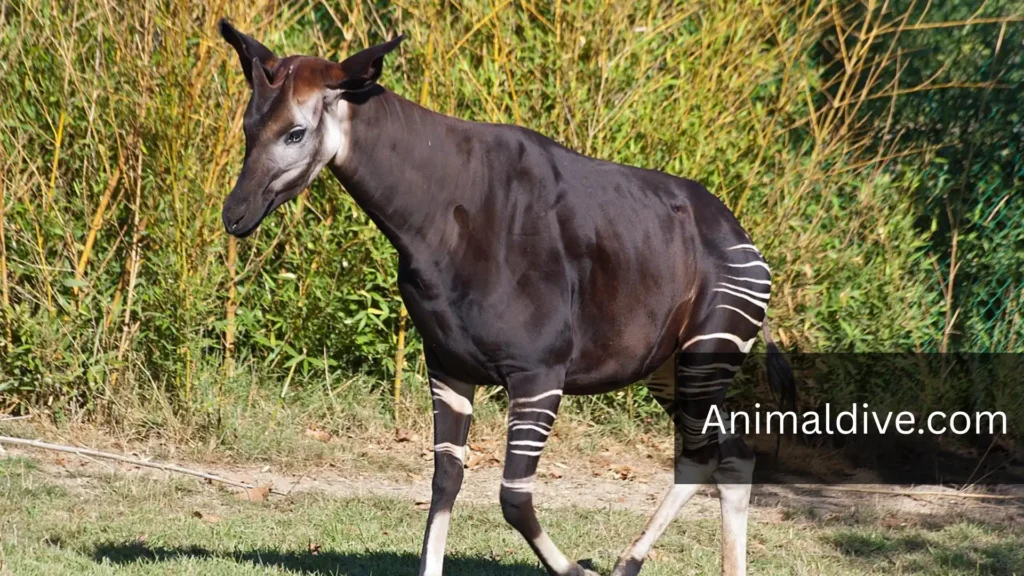
Their solitary behavior contrasts greatly with horses, yet their specialized feeding habits showcase a level of adaptation few mammals achieve. The okapi’s role in maintaining its ecosystem further emphasizes the interconnected nature of wildlife.
Tapir
Scientific Name: Tapirus
Class: Mammalia
Diet: Herbivore
Tapirs, often likened to horses for their herbivorous diet and distinctive body shape, are remarkable creatures that thrive in various environments, from rainforests to grasslands. Their prehensile snouts allow them to navigate dense foliage with ease, showcasing an adaptation responsible for their survival.
Along with their flexible snouts, tapirs also have notably small, rounded ears a feature shared with a range of other animals with small ears that have adapted for life in dense vegetation.
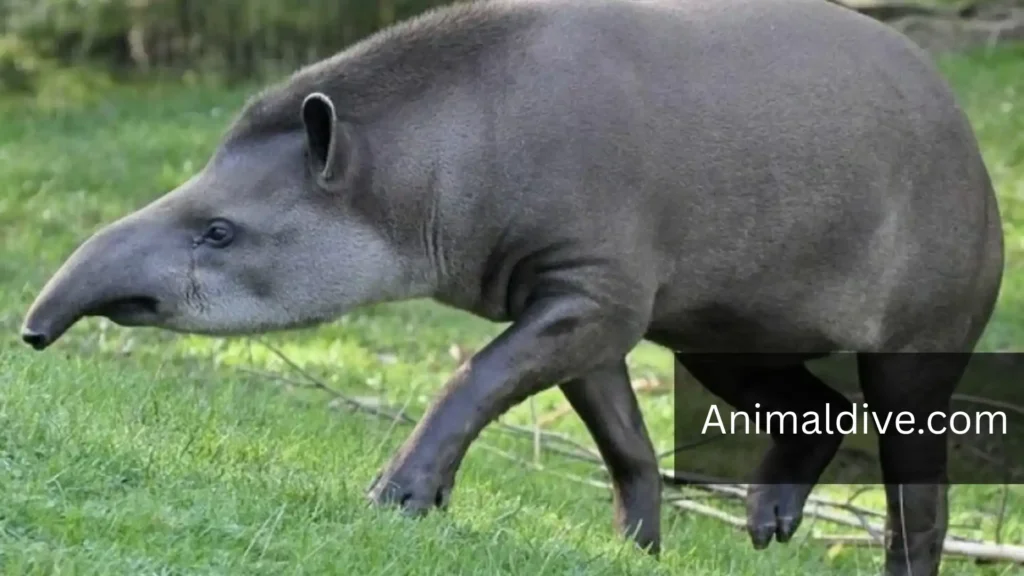
Their elusive nature and social structures reveal fascinating insights into how these animals interact with their habitats. Similar to horses, tapirs symbolize the importance of conservation efforts, given their vulnerable status worldwide.
Moose
Scientific Name: Alces alces
Class: Mammalia
Diet: Herbivore
Moose, the largest members of the deer family, share similar grazing habits with horses and are known for their impressive antlers. Their solitary nature and adaptability to diverse habitats make them intriguing animals in their ecosystems.
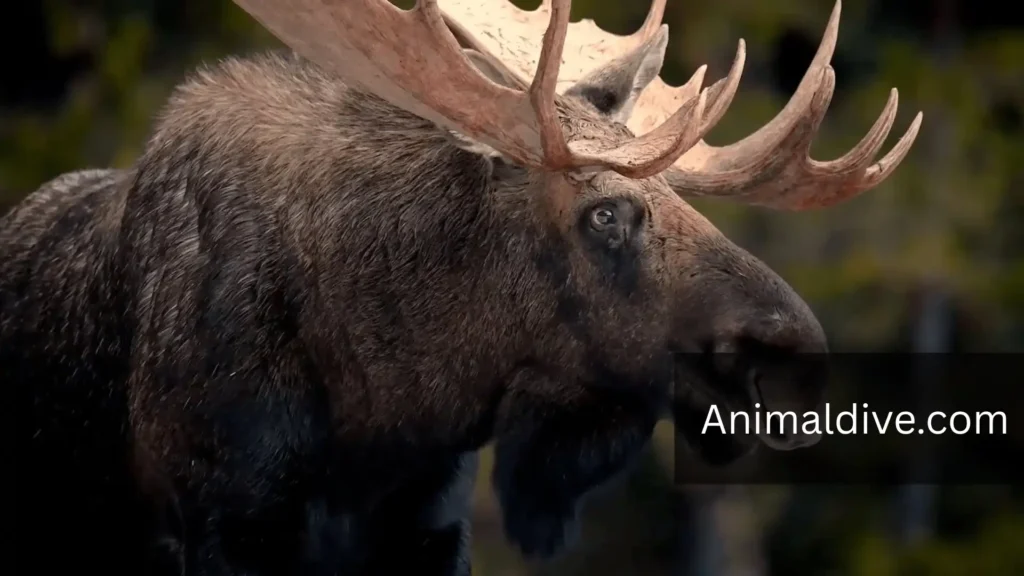
With a diet rich in shrubs and aquatic vegetation, moose showcase unique foraging strategies. Their adaptations for navigating cold climates further highlight their resilience, much like that of horses in harsh conditions. Their love of wetland plants often draws them into marshy terrain, placing them among the notable animals that live in bogs that rely on these ecosystems for food and shelter.
Eland
Scientific Name: Taurotragus oryx
Class: Mammalia
Diet: Herbivore
Elands are massive antelope that resemble horses in both stature and social dynamics. Found in grasslands and savannas, these gentle giants display fascinating herd behaviors, forming strong bonds similar to those seen in equine communities.
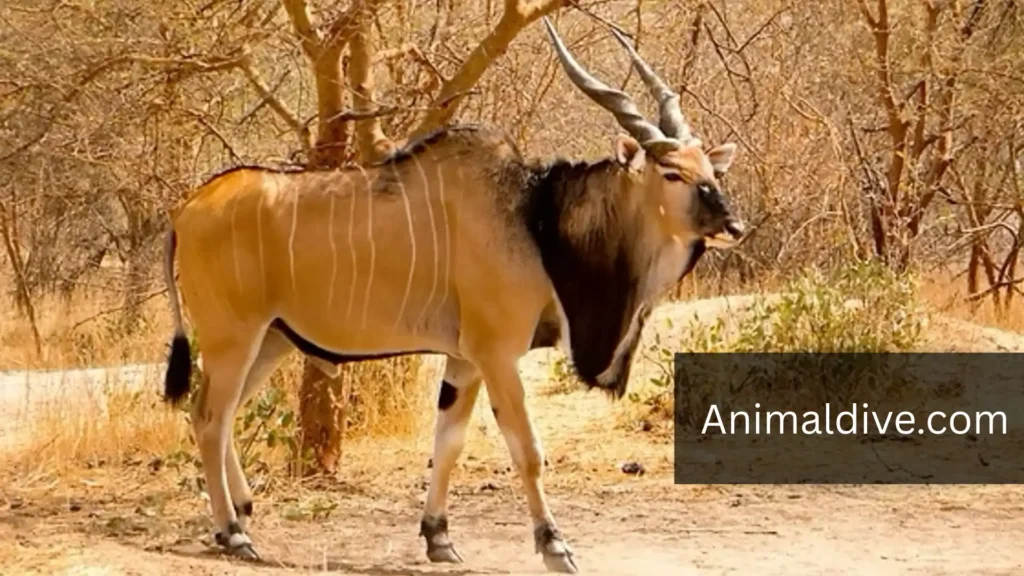
Their adaptability to variable environments showcases their unique survival strategies, enabling them to thrive under challenging conditions. Elands also possess remarkable agility, enabling them to escape predators with grace, much like horses.
Llama
Scientific Name: Lama glama
Class: Mammalia
Diet: Herbivore
Llamas are domesticated animals that are closely related to alpacas and share many traits with horses, particularly in their social structures. These South American natives are known for their gentle disposition and have been used as pack animals for centuries.
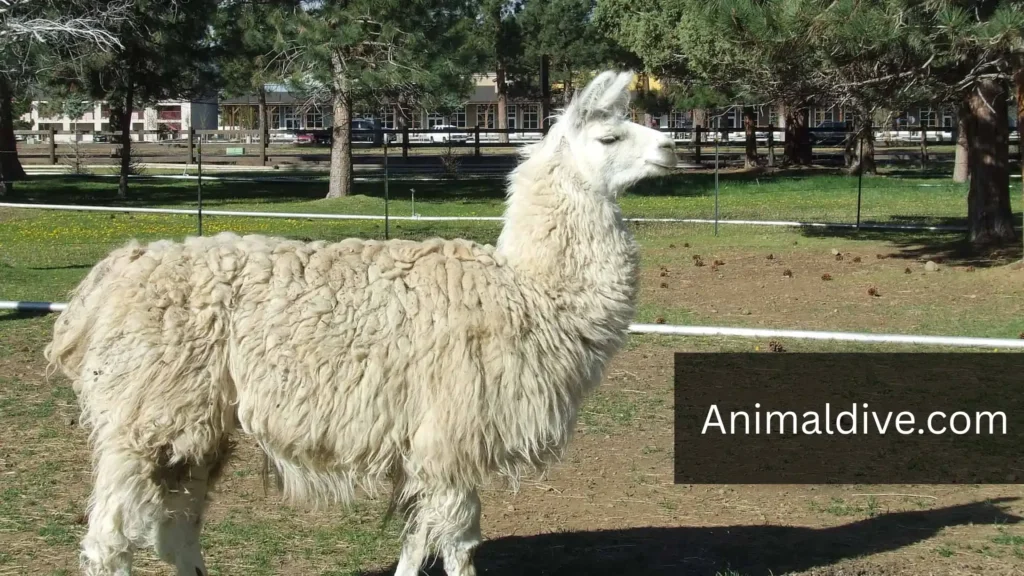
Their strong bond with humans makes them great companions, and their agility in mountainous terrains showcases their versatility. Llamas are also famous for their vocal range, from humming to sharp alarm calls a trait that puts them among some of the more surprisingly animals that are loud despite their gentle reputation. The llama’s unique vocalizations also add a layer of communication, reminiscent of the diverse sounds made by horses.
Alpaca
Scientific Name: Vicugna pacos
Class: Mammalia
Diet: Herbivore
Alpacas, synonymous with soft wool and gentle temperaments, relate closely to llamas and share behavioral traits with horses. They thrive in social groups, forming close-knit communities that exhibit strong bonds similar to those of equine herds. Alpacas are also famously tidy, using shared dung piles to keep their living space clean a hygienic habit that ranks them among the cleanest animals in the world.
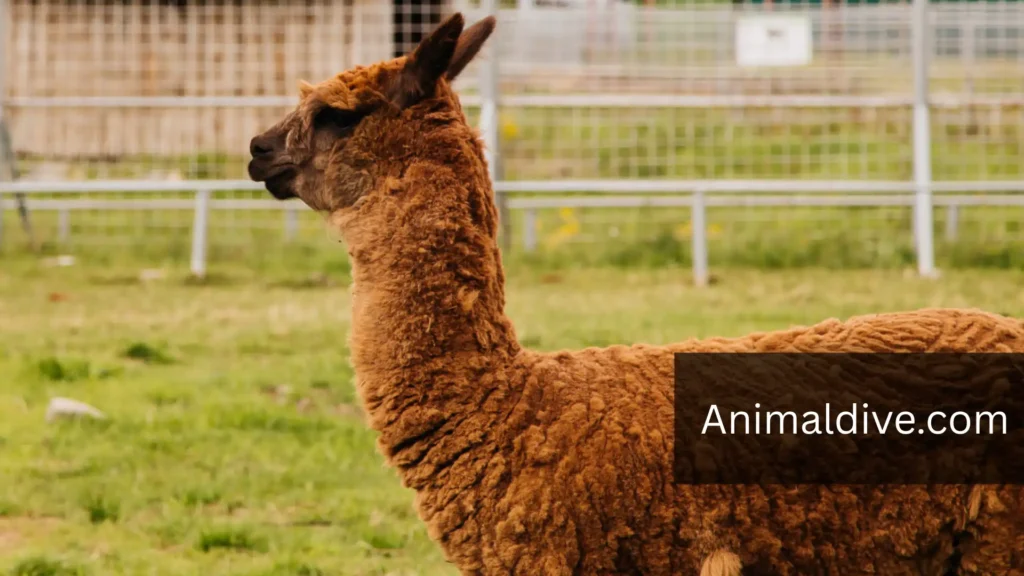
Their ability to adapt to high-altitude environments underscores their resilience, much like horses that evolve to meet various habitat challenges. Alpacas are also known for their unique vocalizations, enhancing their social interactions.
Camel
Scientific Name: Camelus dromedarius
Class: Mammalia
Diet: Herbivore
Camels, known as the “ships of the desert,” share remarkable endurance qualities with horses, showcasing incredible adaptability to arid climates. These magnificent creatures are capable of surviving long durations without water, reminiscent of horses’ resilience on long treks. Their desert diet is just as tough as their bodies camels are among the rare animals that eat cactus, thorns and all, to survive in arid landscapes.
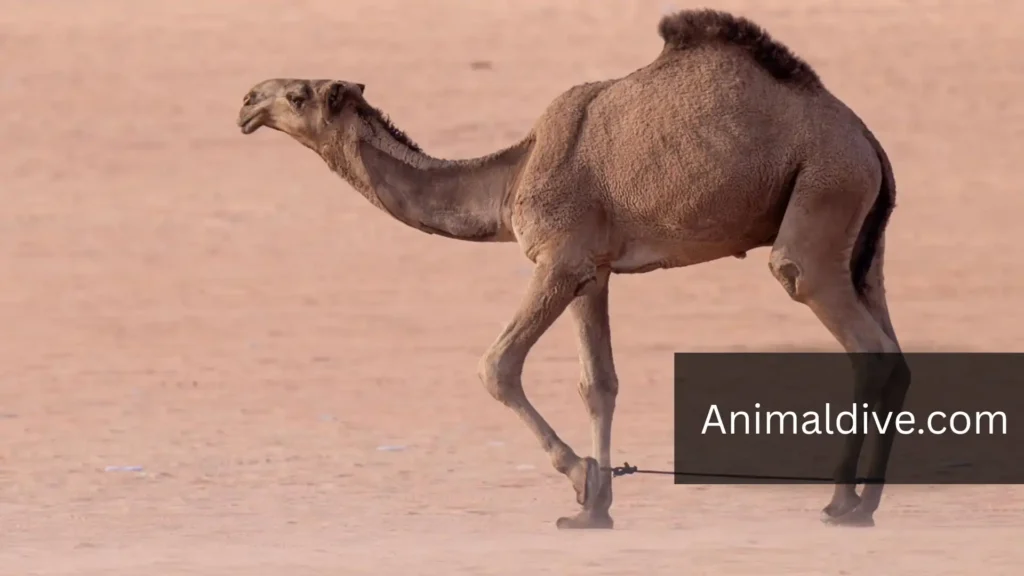
Their unique social structures and intelligence allow them to thrive in harsh conditions while forming strong relationships with their herders. Just like horses, camels have played significant roles in human culture and transportation throughout history.
Red Deer
Scientific Name: Cervus elaphus
Class: Mammalia
Diet: Herbivore
Red deer, majestic animals often found in forests and grasslands, exhibit behaviors reminiscent of horses in their social dynamics. They are known for their strong herd instincts, especially during mating seasons, where males display impressive antlers. Red deer fawns are born with a dappled coat used for camouflage, joining the many other animals with spots that rely on patterned fur to stay hidden from predators.
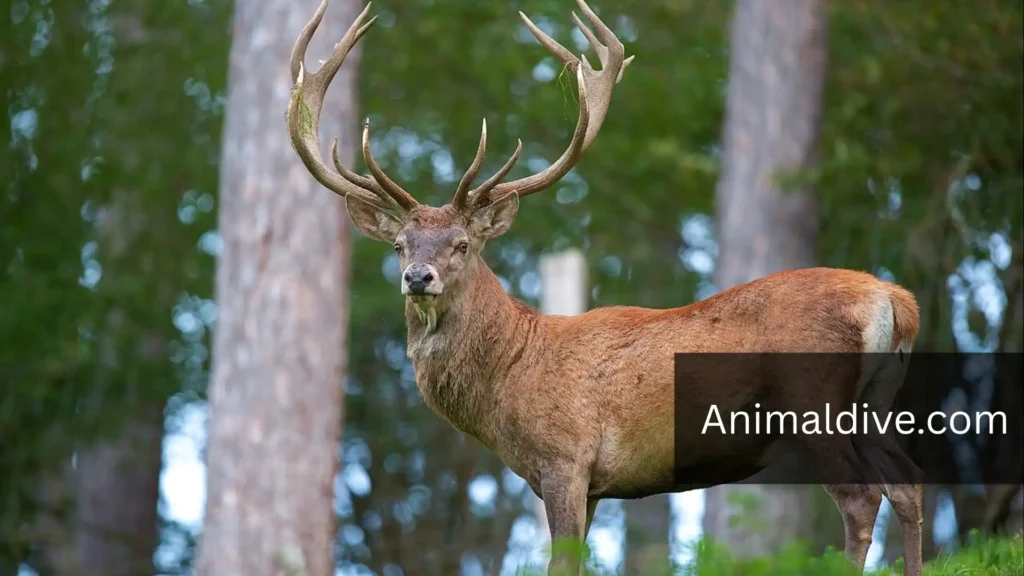
Their foraging and grazing patterns showcase adaptability to diverse habitats, similar to that of horses. With robust bodies and graceful movements, red deer embody both beauty and survival in the wild.
Interesting Facts About Horse-Like Animals
Horse-like animals offer an incredible glimpse into evolutionary adaptations and their symbiotic relationships with humans and their environments. From the majestic zebra’s stunning stripes to the steadfast nature of donkeys, these creatures showcase a diversity that stretches beyond conventional horses.
- Zebras have unique stripe patterns, much like human fingerprints, that help them recognize each other.
- The Przewalski’s horse is the last truly wild horse species, native to the steppes of Mongolia.
- Donkeys possess a strong social bond and can actually cry for help when isolated from their herd.
- Māori culture in New Zealand sees the Kīnghī (a horse-like bird) as a symbol of strength and endurance.
- Camels, often called the “ships of the desert,” can drink up to 40 gallons of water in one go.
- The “Giraffhorse” is a lesser-known prehistoric equine that roamed the earth millions of years ago.
- Miniature horses, bred primarily for companionship, are surprisingly strong despite their small size.
- The Akhal-Teke, a breed known for its metallic sheen, can withstand extreme heat thanks to its unique physiology.
- Horses are known to form strong bonds with humans and can recognize emotions based on facial expressions.
- The African zebra’s ability to adapt to various habitats showcases the incredible versatility of horse-like animals.
Conclusion
In exploring the fascinating world of animals similar to horses, we uncovered a variety of creatures that share intriguing traits and characteristics. From the majestic zebra to the agile antelope, these animals like horses, showcase the incredible diversity within the equine family.
Each of them brings a unique story to the table, highlighting the connections we have with these magnificent beings. Whether you’re a horse lover or simply enjoy learning about wildlife, understanding these horsesque animals allows for a deeper appreciation of nature’s wonders.
FAQs
What Are the 5 Types of Horses?
Five well-known types of horses include the Arabian Horse, Thoroughbred, Quarter Horse, Clydesdale, and Friesian Horse. Each breed has unique characteristics, ranging from speed and endurance to strength and elegant appearance.
Which Animal Looks Like a Horse?
The zebra is the animal that looks most like a horse because it belongs to the same Equidae family and has a similar body structure. Other horse-like animals include the donkey, kiang, kulan, onager, and Przewalski’s horse.
What Is Similar to Horses?
Several animals are similar to horses in appearance or behavior, including zebras, donkeys, mules, and wild asses. They share strong bodies, long legs, herbivorous diets, and many physical traits, although they belong to different species.
What Are Animals Similar to Horses?
Animals similar to horses include zebras, donkeys, mules, kiangs, kulans, onagers, and Przewalski’s horses, all of which belong to the Equidae family. Other animals like okapis, tapirs, and llamas also resemble horses in body shape, size, or grazing habits.