Animals That Live in Groups: Top 10 Social Animals & Their Group Names
Many animals that live in groups thrive in social environments where cooperation is key. Group living not only fosters a sense of community but also enhances survival through collective protection and teamwork.
From fierce lion prides to playful dolphin pods, these social structures create dynamic interactions essential for their members’ well-being.
Dedicating time to explore the top 10 social animals and their unique group names reveals not just the diversity of life on Earth, but also the fascinating strategies these creatures use to navigate their worlds.
What Animals Live in Groups?
Many species thrive in social settings, showcasing the fascinating dynamics of group living. Among the most notable are lions, which form prides to collaborate in hunting and rearing their young.
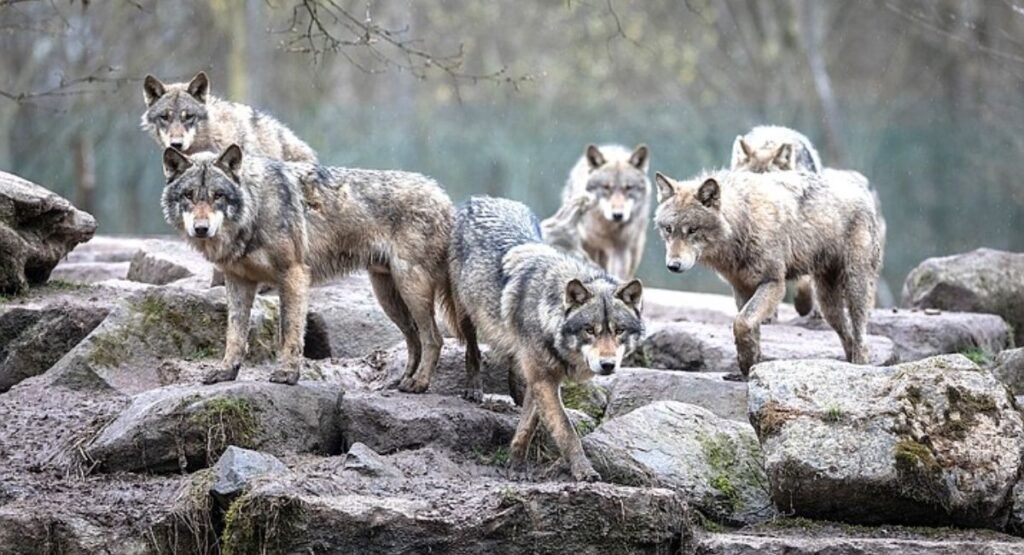
Similarly, wolves operate within packs, utilizing teamwork for efficient hunting and protection, while dolphins are often seen frolicking in pods, demonstrating strong social bonds and communication.
This behavior, known as sociality, offers various survival advantages, such as increased protection from predators and enhanced ability to locate food. Social animals often display complex interactions, revealing a remarkable spectrum of cooperation and communication that strengthens their communities.
Why Do Animals Live in Groups?
Living in groups provides animals with safety in numbers. When they band together, individuals can better protect each other from predators. This collective vigilance increases the chances of spotting danger early, allowing the group to escape or defend itself more effectively.
Finding food becomes easier and more efficient in a group setting. Animals can share information about food sources, coordinate hunts, or work together to catch prey. Group dynamics enhance parental care, as adults can help raise and protect the young, ensuring a higher survival rate for the next generation.
Top 10 Animals Living in Groups (With Group Names)
Many species thrive in social structures, showcasing fascinating dynamics and intricate relationships. These animals living in groups exhibit behaviors that not only enhance their chances of survival but also create a captivating interplay of cooperation and communication.
From spirited wolf packs to synchronized schools of fish, each group’s unique name reflects its members’ characteristics and lifestyle. The Top 10 Animals Living in Groups (With Group Names) elaborates on these extraordinary creatures, revealing how collaboration and social connections shape their existence in the wild.
Lion: Pride
Lions (Panthera leo) are unique among big cats for their social structure, living in cohesive groups known as a pride. This close-knit assembly not only fosters strong familial bonds but also facilitates collective defense against threats, allowing these majestic creatures to thrive in the wild.
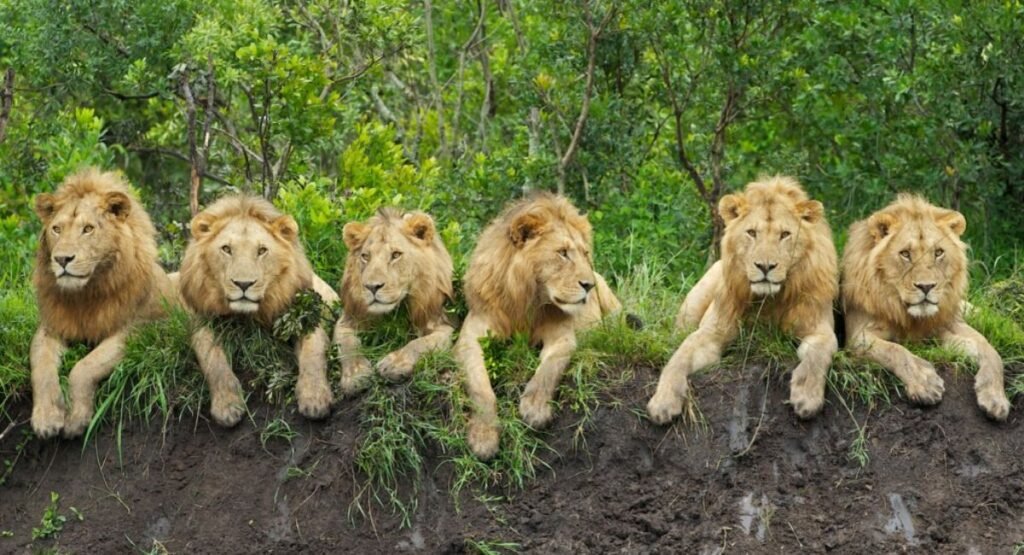
Hunting in a pride enriches the social experience for lions, transforming it into a synchronized team effort. The females, being the primary hunters, collaborate during hunts to isolate and ambush prey, showcasing a level of strategy that highlights their intelligence.
Hunting in a pride enriches the social experience for lions, transforming it into a synchronized team effort. The females, being the primary hunters, collaborate during hunts to isolate and ambush prey, showcasing a level of strategy that highlights their intelligence. Lions are also among the most recognizable animals that have manes, a trait that sets the males apart as some of the most iconic figures in the animal kingdom.
Wolf: Pack
The Canis species, known for their intricate social structures, thrive in groups called packs. Within these packs, distinct roles manifest, showcasing the extraordinary teamwork that allows them to hunt, rear young, and defend their territory. This collaborative effort ensures the survival of the pack, emphasizing the power of unity in nature.
At the core of each pack is the alpha leader, often a pair that exemplifies strength and wisdom. Their leadership is not solely about dominance; it’s about making strategic decisions, fostering cooperation, and ensuring the well-being of all members.
Dolphin: Pod
Dolphins belong to the scientific family Delphinidae and organize themselves into social groups called pods. These intelligent beings forge strong bonds within their pods, showcasing cooperative behaviors that enhance their hunting methods and social dynamics.
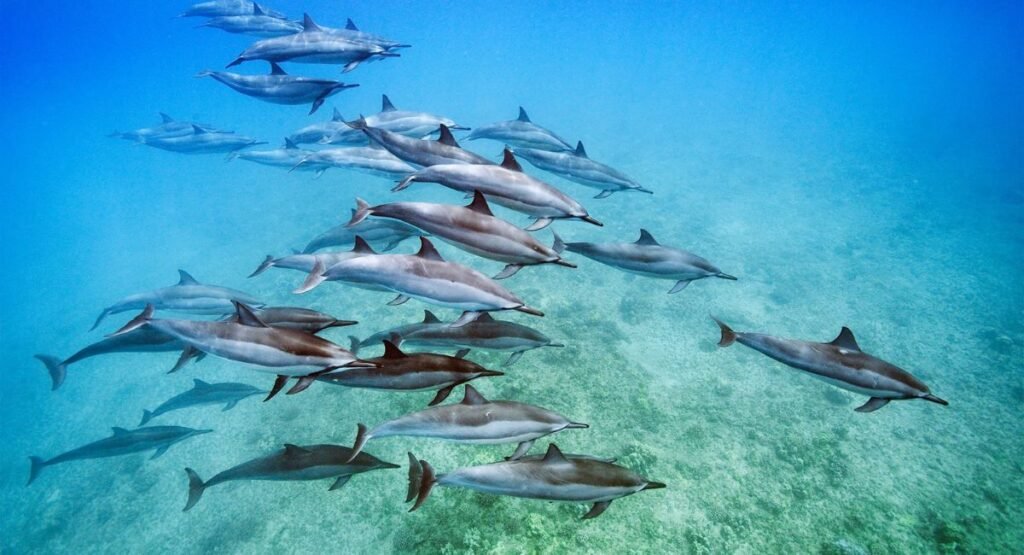
Communication among dolphins is remarkably sophisticated, utilizing a range of clicks, whistles, and body language that reveal complex social structures. Their ability to recognize themselves and others indicates a high level of self-awareness and cognitive ability, making them truly fascinating creatures of the ocean.
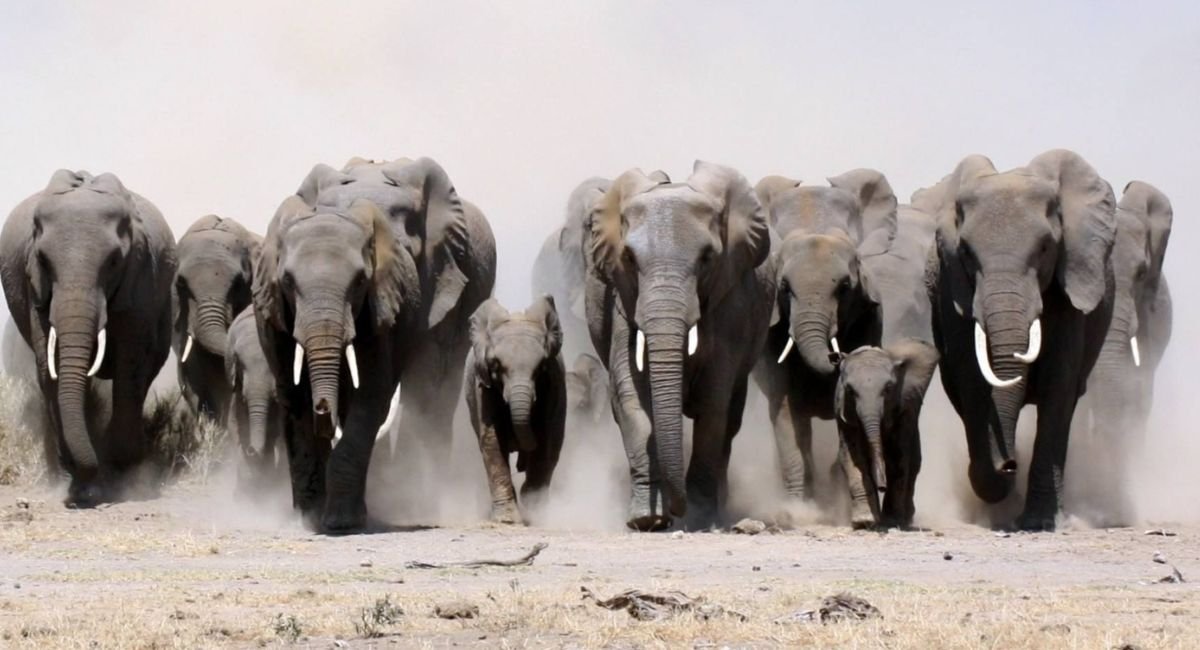
Elephant: Herd
The majestic Loxodonta, commonly known as the elephant, thrives in an intricate social structure known as a herd. These family-based groups are typically led by a matriarch, often the oldest and wisest female, who guides her members with remarkable intuition and strength. The tight-knit relationships within these herds are essential for survival, fostering an environment of cooperation and mutual care.
The significance of the elephant herd extends beyond survival tactics; it embodies deep emotional bonds. Elephants display empathy towards one another, often grieving for lost family members and celebrating births with jubilant displays of affection.
Chimpanzee: Troop
Chimpanzees, scientifically known as Pan troglodytes, thrive in complex social structures called troops. These troops, often consisting of 20 to 150 individuals, are characterized by intricate social bonds that are essential for their survival. Within the troop, chimpanzees engage in a variety of social behaviors, including grooming, sharing food, and forming alliances, which strengthen their relationships and enhance group cohesion.
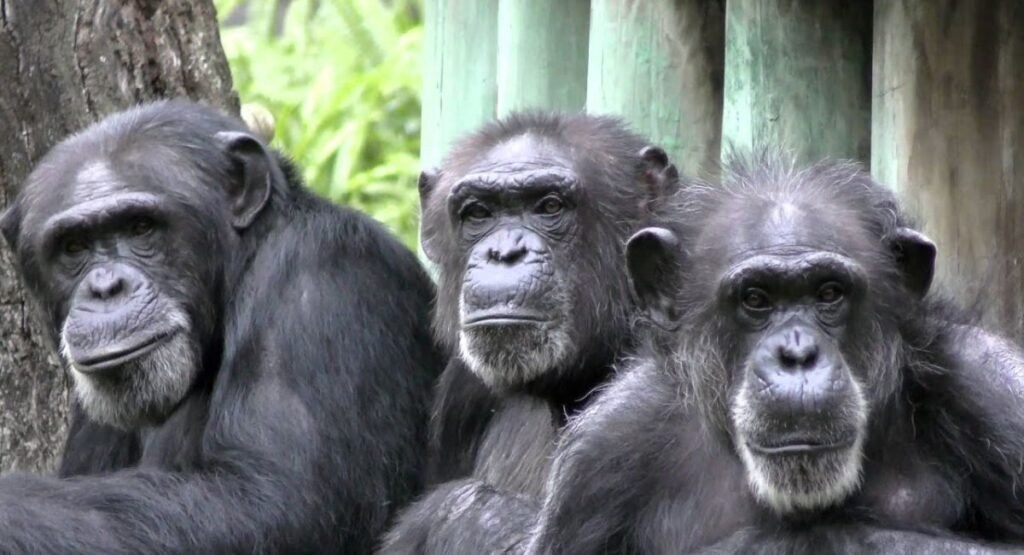
The dynamics of a Chimpanzee – Troop reveal the intelligence and adaptability of these primates. Communication plays a vital role, as they use vocalizations, gestures, and facial expressions to convey emotions and intentions.
Baboon: Troop
Baboons, scientifically known as Papio, exhibit a complex social structure within their groups, or Troops. These hierarchies are not merely about dominance; they shape relationships, alliances, and breeding opportunities, creating a dynamic social web that influences day-to-day interactions.
Each Troop is characterized by its distinct social ranks, where the alpha male often leads while females play a critical role in nurturing and maintaining group cohesion. This intricate hierarchy is essential for survival, as it affects access to resources, protection from predators, and the overall stability of the Baboon community.
Bees: Hive
Bees are extraordinary Anthophila community animals known for their highly organized hives. These intricate social structures thrive on the foundation of teamwork where each member plays a specific role contributing to the colony’s success.
In the Hive, a unique queen system reigns supreme, with the queen bee as the heart of the community. Worker bees, driven by a collective purpose, perform various tasks ranging from hive maintenance to communication through intricate dances.
Ants: Nest
Ants belong to the family Formicidae and are renowned for their remarkable organizational skills within colonies, collectively referred to as Nests. Each nest serves as a thriving community where roles are distinctly defined, from workers to soldiers to queens, showcasing a sophisticated social structure that rivals even human societies.
In these nests, communication thrives through chemical signals and physical interactions, allowing ants to coordinate activities such as foraging and defending their territory. This intricate relationship among colony members not only enhances survival but also fosters learning and adaptation in response to environmental changes.
Bats: Colony
Bats belonging to the scientific order Chiroptera thrive in colonies due to their social nature and cooperative behaviors. Living in large groups allows them to share warmth, conserve energy, and enhance their foraging success. Interestingly, bats are among the most energetic animals on the planet, capable of consuming thousands of insects in a single night to fuel their high-powered lifestyle.
The dynamics of a bat colony are fascinating, revealing intricate social structures and communication methods. These nocturnal mammals utilize echolocation not just for navigation but also to coordinate with their colony members effectively.
Leopard: Solitary but Rare Groups
Leopards, scientifically known as Panthera pardus, are fascinating creatures primarily characterized by their solitary nature. These magnificent big cats prefer to roam their territories alone, exhibiting independence that differentiates them from more social felids. For a deeper look at animals that prefer life alone, check out this guide to solitary animals in the world.
A “leap” of leopards is seldom observed, typically forming during mating season or when a mother is raising her cubs. These fleeting gatherings reveal a softer side to the leopard’s solitary existence, showcasing familial bonds and brief interactions.
What Is A Group Of Crocodiles Called?
A group of crocodiles is called a “bask,” an intriguing term that reflects their behavior and habitat. These reptiles often gather in sunny spots near the water’s edge, soaking up the sun to regulate their body temperature. This social aspect is fascinating, as it highlights the communal tendencies of these otherwise solitary creatures.
Basking serves more than just a need for warmth; it also plays a crucial role in their thermoregulation and digestion. Observing a bask of crocodiles can be quite the spectacle, showcasing their powerful presence and unique dynamics.
Conclusion
In nature, animals that live in groups demonstrate the importance of collaboration and social interaction for survival and success. From the intricate structures of ant colonies to the tight-knit bonds of wolf packs, group living provides a range of advantages, such as enhanced protection from predators and increased efficiency in locating food.
The diverse group names and behaviors exhibited by these creatures highlight the rich tapestry of life that thrives through communal efforts. As we continue to explore the fascinating world of wildlife, let us appreciate the vital role that animals that live in groups play in the ecosystem and the lessons we can learn from their social structures.
FAQs
Animals That Live In Groups Are Called?
Animals that live in groups are called social animals. They stay together for safety, finding food, and protecting their young.
Why Do Some Animals Live In Groups Class 4?
Some animals live in groups to stay safe from predators, find food easily, and take care of their babies. Living together increases their chances of survival.
What Animals Like To Live In Groups?
Many animals prefer group living, such as:
African elephants (live in herds)
Lions (live in prides)
Meerkats (live in groups and cooperate)
These animals depend on teamwork and strong social bonds.
What Are The 4 Groups Of Animals?
Animals are usually divided into five main groups:
Mammals
Fish
Birds
Reptiles
Amphibians
What Are The Six Groups Of Animals?
The six main groups of animals are:
Mammals
Reptiles
Amphibians
Birds
Fish
Insects