Top 20 Cleanest Animals In The World (Ranked With Facts & Pictures)
The cleanest animals in the world possess remarkable grooming rituals and a keen instinct for maintaining hygiene in their environments. Surprisingly, these creatures go to great lengths to preserve their cleanliness, showcasing behaviors that set them apart in the animal kingdom.
By exploring the cleanest animal in the world, we gain insight into how nature prioritizes hygiene and health. This article will rank the top 20 contenders for the title of world cleanest animal, complete with fascinating facts and vivid pictures that highlight their unique traits.
What Makes An Animal Clean?
Grooming habits play a pivotal role in defining what makes an animal clean. Many species, from cats to elephants, engage in regular grooming not just for hygiene, but also to maintain social bonds and establish territorial markers.
Nest cleanliness significantly impacts an animal’s hygiene, especially in species such as birds and rodents. A tidy nest minimizes the risk of attracting parasites and promotes a healthier environment for raising young.
Effective parasite control through behaviors like dust bathing or mutual grooming reduces the threat of disease, showcasing how cleanliness is intrinsically linked to disease prevention in the animal kingdom and reinforcing the vital role of these instincts in survival.
Which Is The Cleanest Animal In The World?
The domestic cat often emerges as the leading contender for which is the cleanest animal in the world. With their fastidious grooming habits, cats allocate a significant portion of their day to licking their fur, ensuring it remains free of dirt and parasites.
Surprisingly, another contender is the African elephant, known for its unique bathing habits. Elephants regularly splash water and mud onto their skin, creating a protective layer that keeps them cool while also deterring pesky insects.
Top 20 Cleanest Animals In The World
| No. | Animal | Scientific Name | Class | Why It’s Considered Clean |
| 1 | Cats | Felis catus | Mammalia | Self-grooms several times daily |
| 2 | Polar Bears | Ursus maritimus | Mammalia | Cleans fur after feeding |
| 3 | Deer | Cervus elaphus | Mammalia | Regularly removes dirt and parasites |
| 4 | Rabbits | Oryctolagus cuniculus | Mammalia | Constant grooming for hygiene |
| 5 | Raccoons | Procyon lotor | Mammalia | Often washes food before eating |
| 6 | Squirrels | Sciurus vulgaris | Mammalia | Frequently cleans and grooms fur |
| 7 | Sea Otters | Enhydra lutris | Mammalia | Constantly groom fur for insulation |
| 8 | Beavers | Castor canadensis | Mammalia | Maintain clean fur with oils |
| 9 | Hamsters | Mesocricetus auratus | Mammalia | Spend hours grooming themselves |
| 10 | Ants | Formicidae | Insecta | Keep colonies extremely sanitary |
| 11 | Badgers | Meles meles | Mammalia | Maintain clean and organized dens |
| 12 | Songbirds | Various Species | Aves | Daily preening keeps feathers healthy |
| 13 | Birds Of Paradise | Paradisaeidae | Aves | Meticulous feather maintenance |
| 14 | Elephants | Loxodonta africana | Mammalia | Use water and mud for skin care |
| 15 | Tigers | Panthera tigris | Mammalia | Groom fur like domestic cats |
| 16 | Horses | Equus ferus caballus | Mammalia | Regular self-grooming and dust baths |
| 17 | Penguins | Spheniscidae | Aves | Constant feather cleaning and oiling |
| 18 | Chinchillas | Chinchilla lanigera | Mammalia | Stay clean through dust baths |
| 19 | Meerkats | Suricata suricatta | Mammalia | Social grooming removes parasites |
| 20 | Honey Bees | Apis mellifera | Insecta | Keep hives exceptionally clean |
Cats
Scientific Name: Felis catus
Class: Mammalia
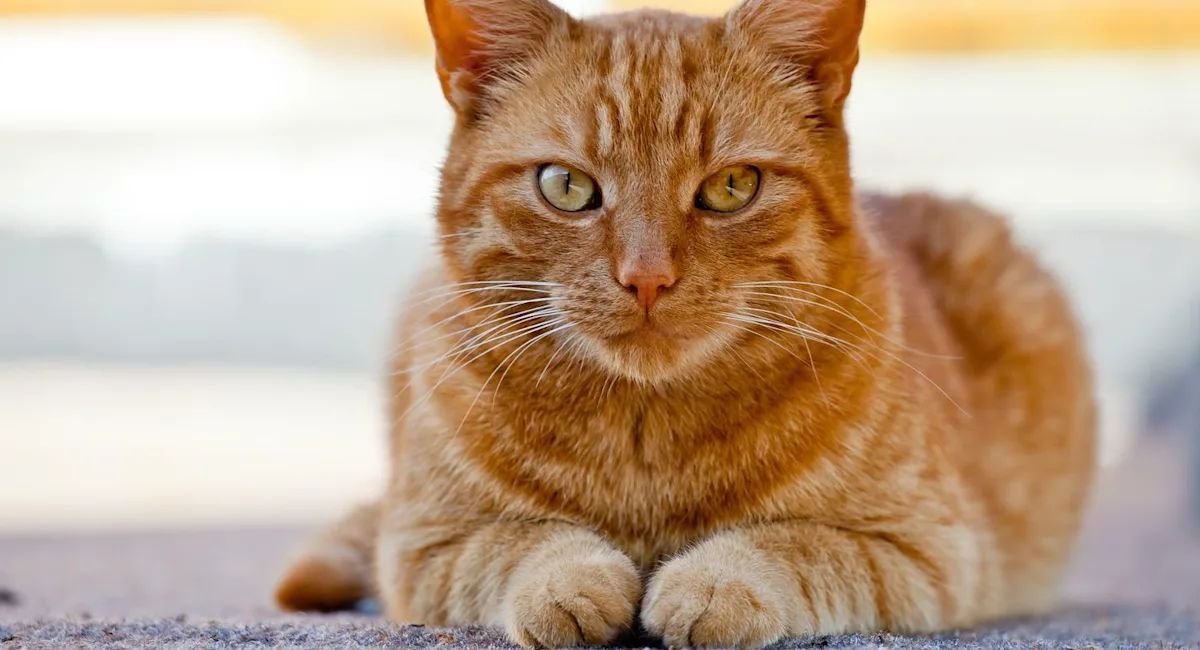
Cats are renowned for their meticulous grooming habits, making them one of the cleanest animals in the world. They spend up to 50% of their waking hours cleaning their fur to maintain hygiene and regulate body temperature.
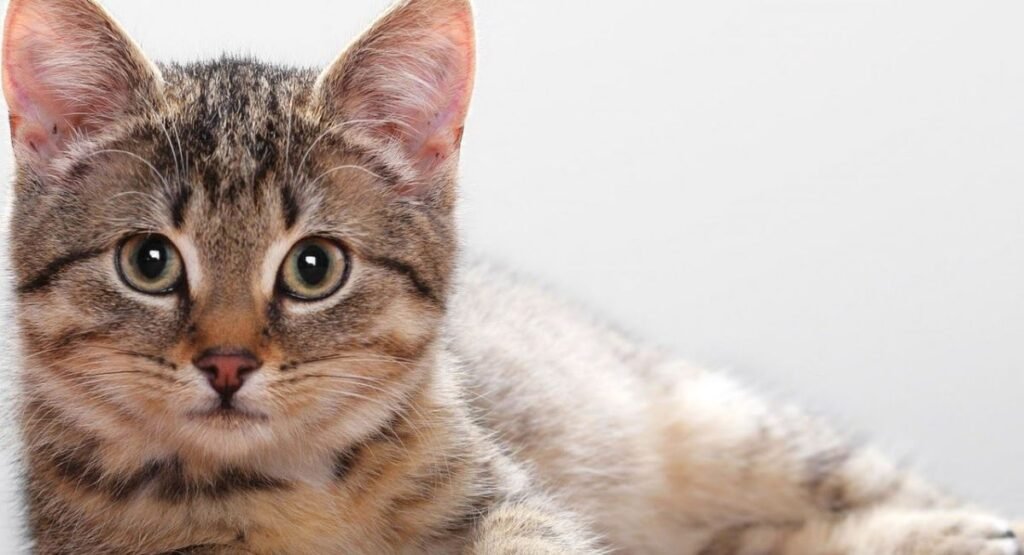
Interestingly, these cleanest animals are not just about looks; their grooming behaviors also help to reduce scent, aiding in both hunting and self-defense. Cats showcase a unique blend of beauty and cleanliness that captivates pet owners worldwide.
Polar Bears
Scientific Name: Ursus maritimus
Class: Mammalia
Polar bears spend considerable time keeping their thick fur clean, which is crucial for insulation in freezing temperatures. Their hygiene rituals include rolling in the snow to remove any parasites and maintain a pristine coat.
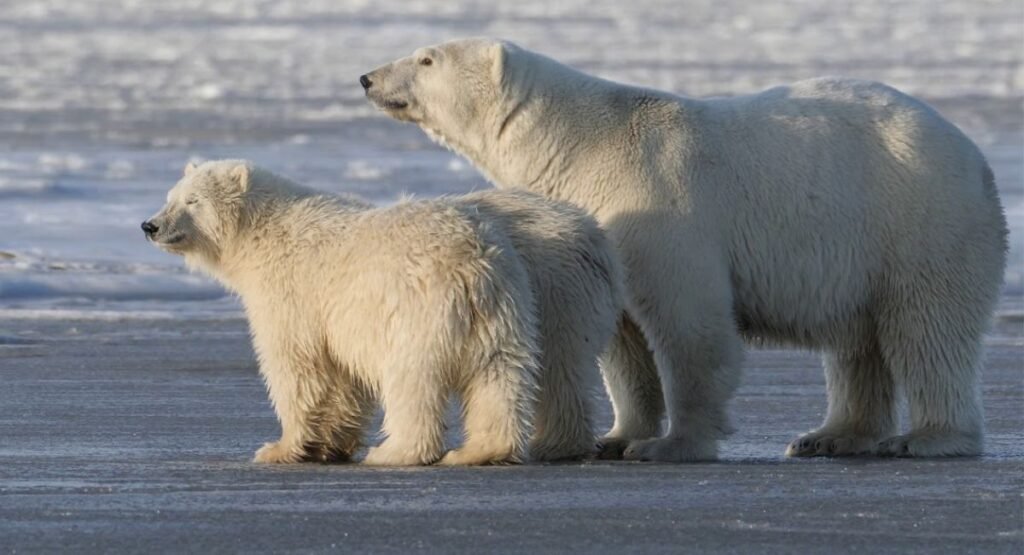
As the world’s largest land carnivores, these clean and powerful creatures rely on the health of their pelts to survive the harsh Arctic environment.
Deer
Scientific Name: Cervidae
Class: Mammalia
Deer are remarkably clean animals; they use their tongues to groom themselves and often nibble on grasses and plants to remove dirt. Their keen senses also help them stay mindful of their surroundings while they maintain their cleanliness.
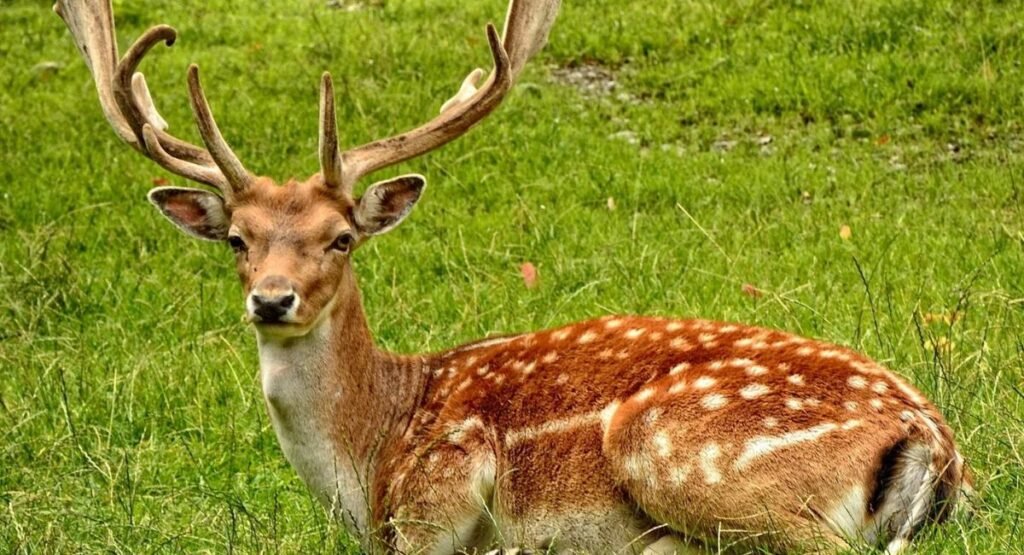
Deer often choose clean, sandy areas to lie down, further reflecting their preference for hygiene. In the animal kingdom, their clean habits are essential for survival, allowing them to camouflage effectively in their environments.
Deer’s clean habits extend beyond grooming; their selective feeding also reflects their instinct for purity. Learn more about what deer eat and how their diet supports their naturally hygienic lifestyle.
Rabbits
Scientific Name: Oryctolagus cuniculus
Class: Mammalia
Rabbits are natural groomers, washing their fur frequently to keep it free from dirt and bacteria. Their cleanliness is not only vital for their health but also a social behavior that helps strengthen bonds within their community.
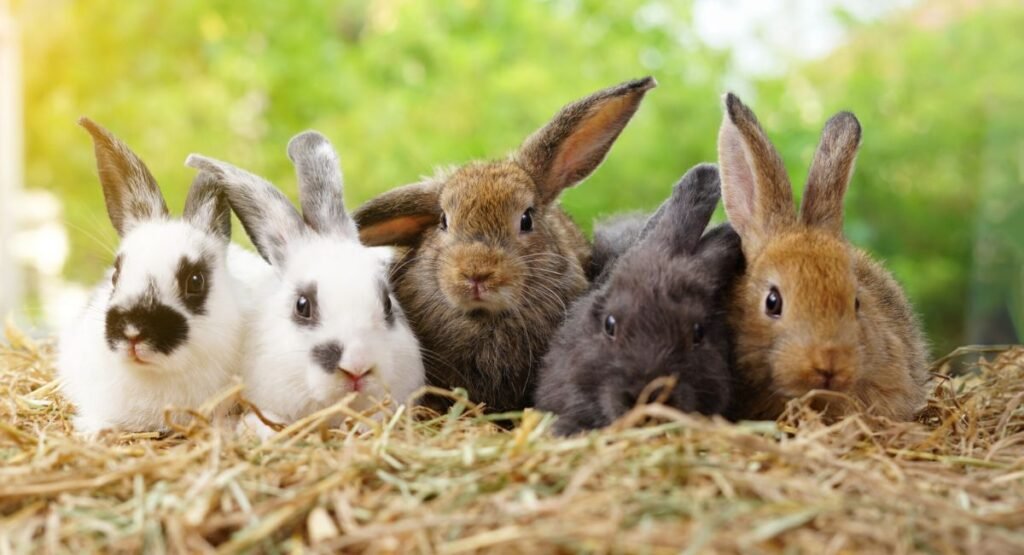
In fact, rabbits are known to groom each other as a sign of affection and trust. This makes them one of the cleanest animals in the world, reflecting both their individual needs and social interactions.
Raccoons
Scientific Name: Procyon lotor
Class: Mammalia
Raccoons have a reputation for being tidy despite their often-messy habitat. These clever foragers will wash their food before eating, which is a unique behavior among cleanest animals in the world.
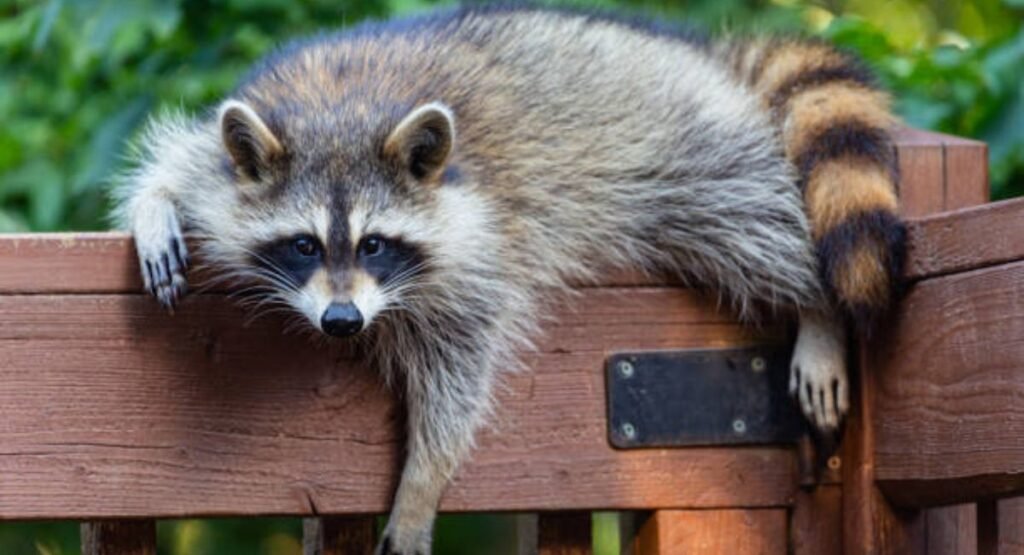
Interestingly, this cleaning ritual helps them to enjoy their meals better and remove any contaminants. They demonstrate that the pursuit of cleanliness can be both a necessity and a pleasure.
Squirrels
Scientific Name: Sciuridae
Class: Mammalia
Squirrels are often overlooked in discussions about cleanliness, yet they regularly groom themselves with their paws. This meticulous behavior helps keep their fur tidy, allowing them to remain agile and healthy in the wild.
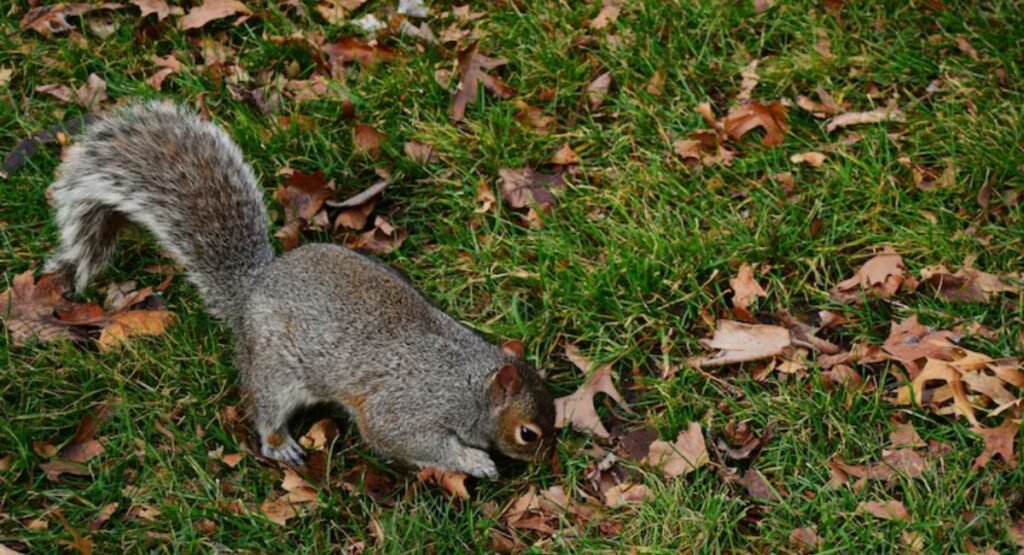
Interestingly, squirrels also participate in reciprocal grooming with each other, reinforcing social bonds among their kind. Their commitment to cleanliness showcases their adaptability in various environments.
Beyond their grooming habits, squirrels are fascinating in how they forage and fuel themselves. Their diet plays a key role in their active, healthy lifestyle find out exactly what squirrels eat to keep up their energy for all that cleaning.
Sea Otters
Scientific Name: Enhydra lutris
Class: Mammalia
Sea otters are the cleanest animal in the world when it comes to water-dwelling species. They spend a significant portion of their day grooming their fur to keep it buoyant and free from parasites.
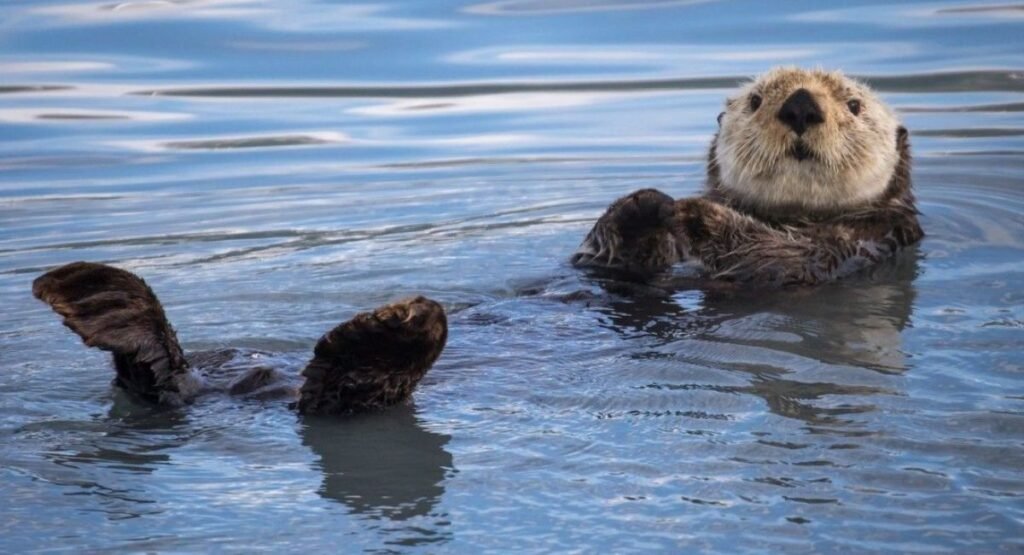
Notably, sea otters use tools to crack open shellfish, emphasizing their intelligence. Their commitment to grooming is essential for their survival in chilly ocean waters.
Beavers
Scientific Name: Castor canadensis
Class: Mammalia
Beavers are naturally clean, routinely grooming their fur to remove debris from their busy lifestyles. This upkeep is vital for waterproofing their fur, allowing them to thrive in aquatic habitats.
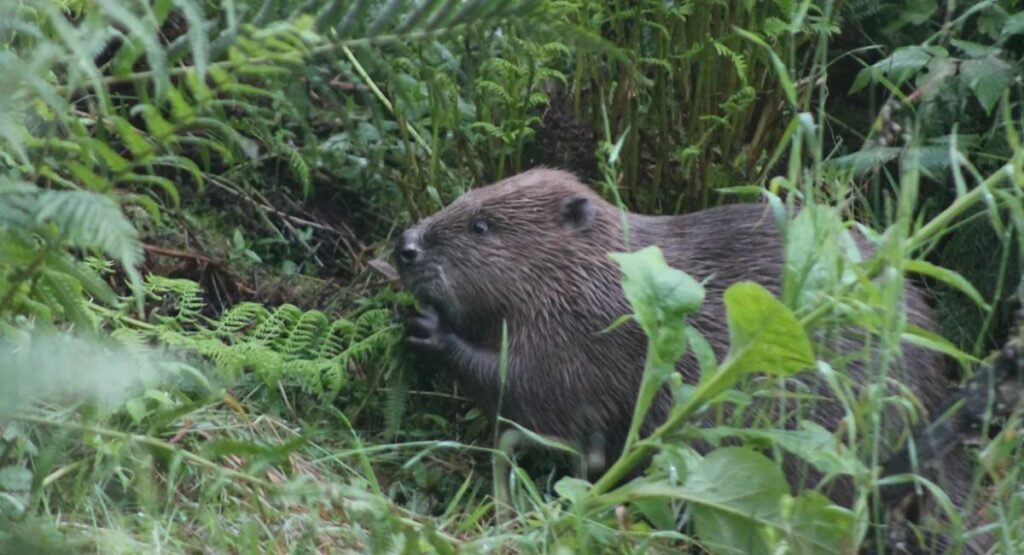
These industrious creatures maintain cleanliness in their lodges, building them with existing materials while ensuring a tidy living space. Their cleanliness habits show their impressive ability to adapt and thrive in nature.
Hamsters
Scientific Name: Mesocricetus auratus
Class: Mammalia
Hamsters are known for their grooming rituals, which keep them clean and healthy. They frequently use their paws to wash their faces and fur, showcasing their commitment to personal hygiene.
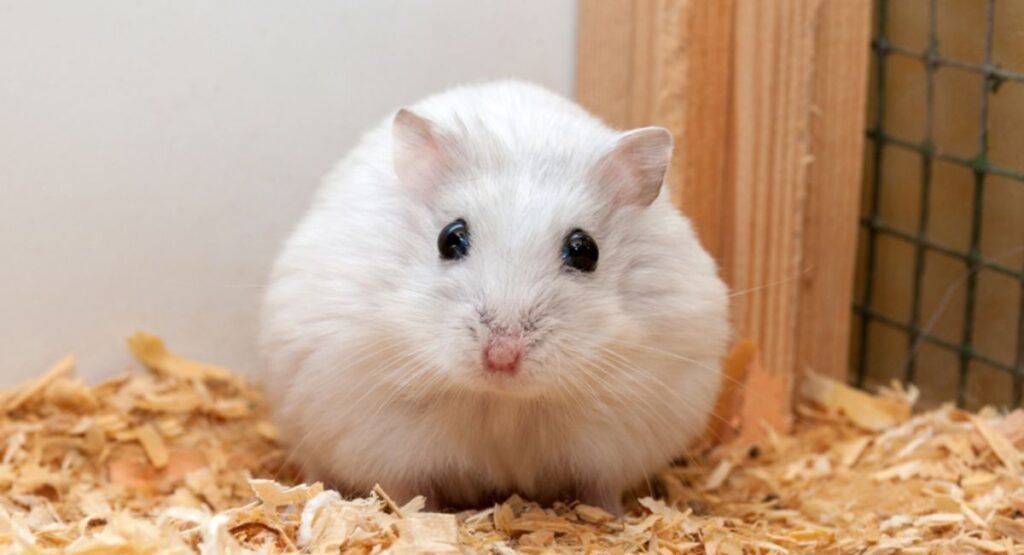
This cleanest animal is also famous for creating nests that are organized, demonstrating their instinctual need for a clean living environment.
Ants
Scientific Name: Formicidae
Class: Insecta
Ants exemplify cleanliness; they regularly clean their bodies to remove debris and bacteria. Their social structure also encourages a collective effort in maintaining the nest’s cleanliness, leading to a healthy colony.
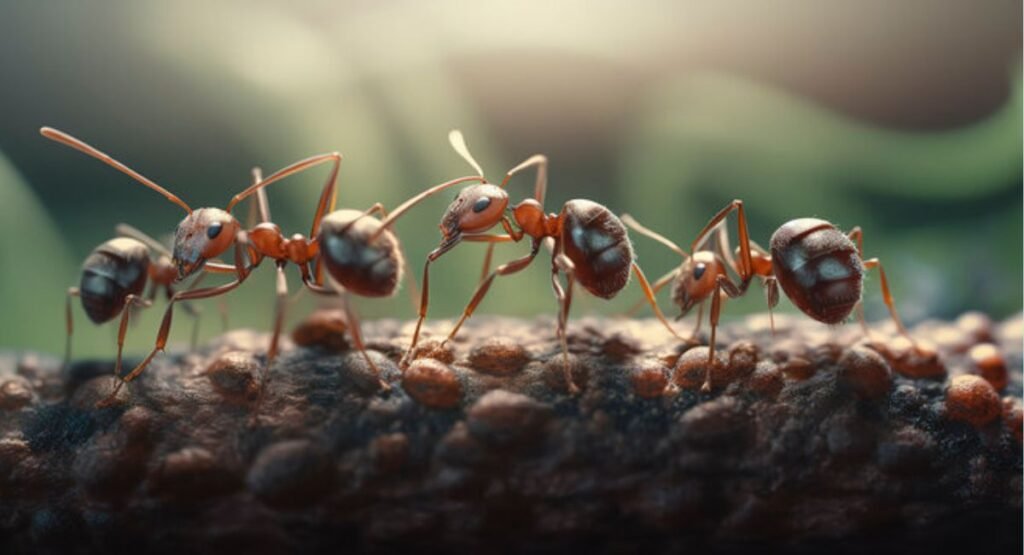
Interestingly, some species of ants practice a form of farming by cultivating fungi, further showcasing their attention to cleanliness. Their organization and diligence make them some of the cleanest animals in the world.
Badgers
Scientific Name: Meles meles
Class: Mammalia
Badgers are known for their burrowing habits and innate grooming behaviors. They often clean their fur by rolling in soil, which helps to remove pests and keeps them healthy.
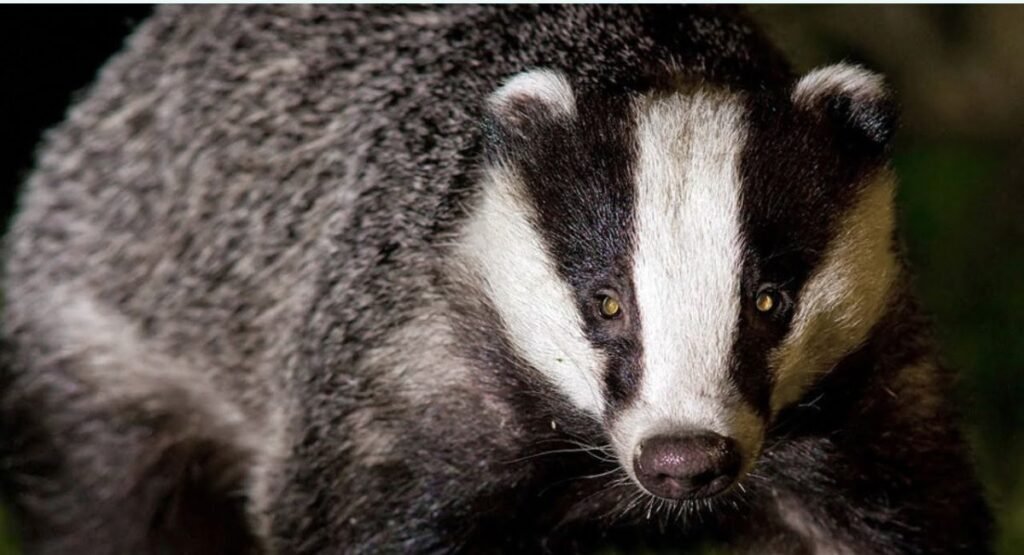
Notably, badgers are solitary animals but will maintain their hygiene to ensure efficient foraging. This commitment to cleanliness is crucial for their survival and well-being.
Songbirds
Scientific Name: Passeriformes
Class: Aves
Songbirds demonstrate cleanliness through their daily preening rituals. They meticulously arrange their feathers, removing dirt and maintaining waterproofing agents, making them one of the cleanest animals in the world.
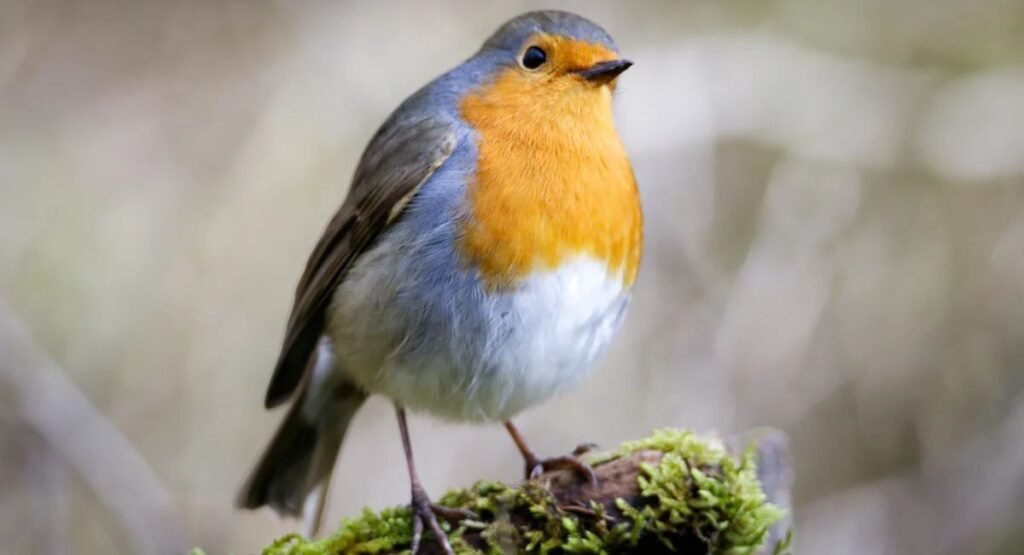
Their beautiful songs and clean appearance make them a delightful part of nature. Their actions reflect a deep-seated instinct for survival against the elements.
Birds of Paradise
Scientific Name: Paradisaeidae
Class: Aves
The stunning Birds of Paradise engage in meticulous grooming to maintain their vibrant plumage. Their appearances are not only for show; a clean and healthy feathered body is crucial for mating success.
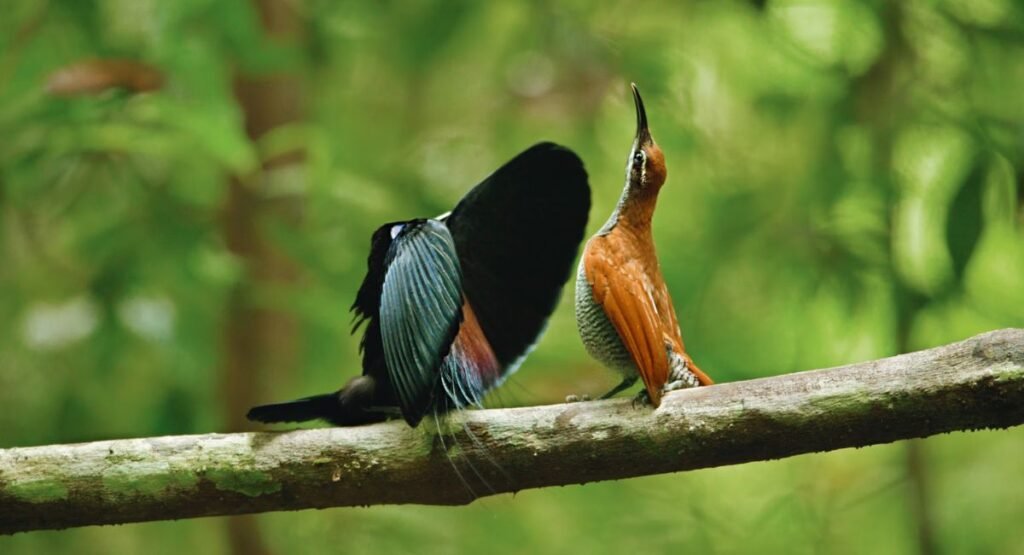
These magnificent birds exhibit some of the most striking cleanliness behaviors found in nature, reinforcing their status as one of the world’s cleanest animals. Such cleanliness is vital for their survival in competitive habitats.
Elephants
Scientific Name: Elephas maximus
Class: Mammalia
Elephants are among the cleanest animals in the world, often using mud baths to keep their skin healthy. They carefully choose clean water sources to bathe and cool themselves, reflecting their inherent need to maintain hygiene.
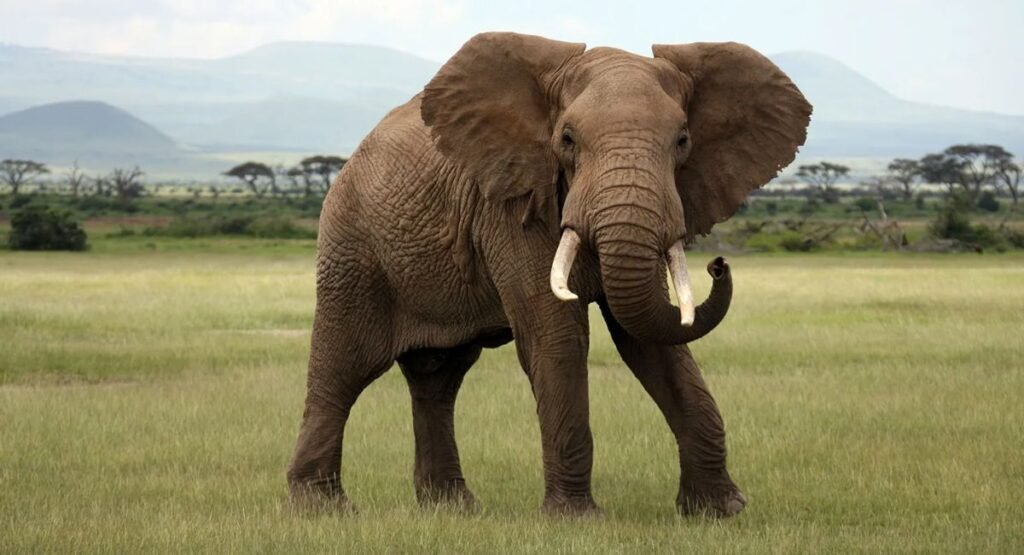
Elephants engage in social grooming, which reinforces their bonds within the herd. Their cleanliness habits showcase an intriguing balance between social interaction and self-care.
Tigers
Scientific Name: Panthera tigris
Class: Mammalia
Tigers, the majestic hunters of the wild, are meticulous about grooming. Their beautiful coats require regular cleaning to prevent dirt build-up and to maintain camouflaging effectiveness in their natural habitat.
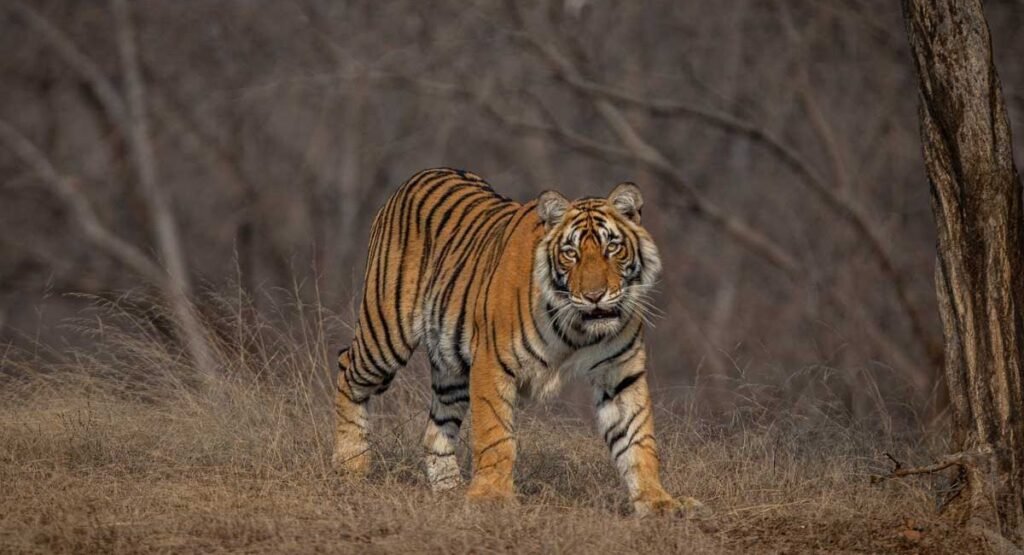
Interestingly, tigers use their rough tongues to remove parasites and debris while caring for their fur. This aspect of their behavior emphasizes their role as one of the cleanest animals in the world.
Tigers are not only meticulous groomers but also rank among the most powerful predators on the planet. If their cleanliness impresses you, their raw strength is equally awe-inspiring. Discover which animals hold the title of strongest animals in the world.
Horses
Scientific Name: Equus ferus caballus
Class: Mammalia
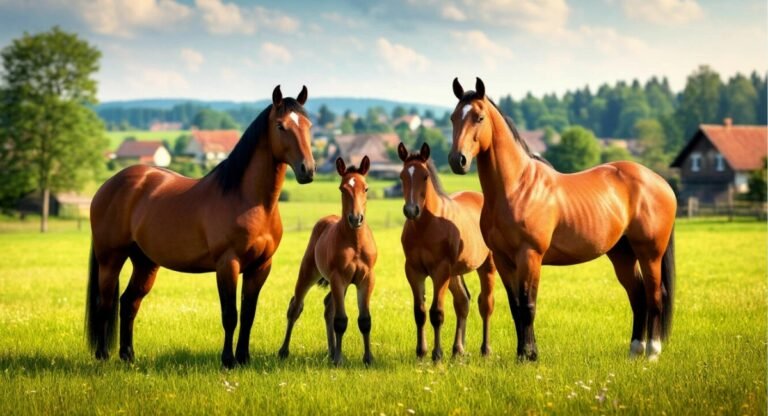
Horses have a natural inclination towards cleanliness, often engaging in self-grooming to maintain a healthy coat. They also enjoy rolling in dust or mud, as it can help remove pests while providing comfort.
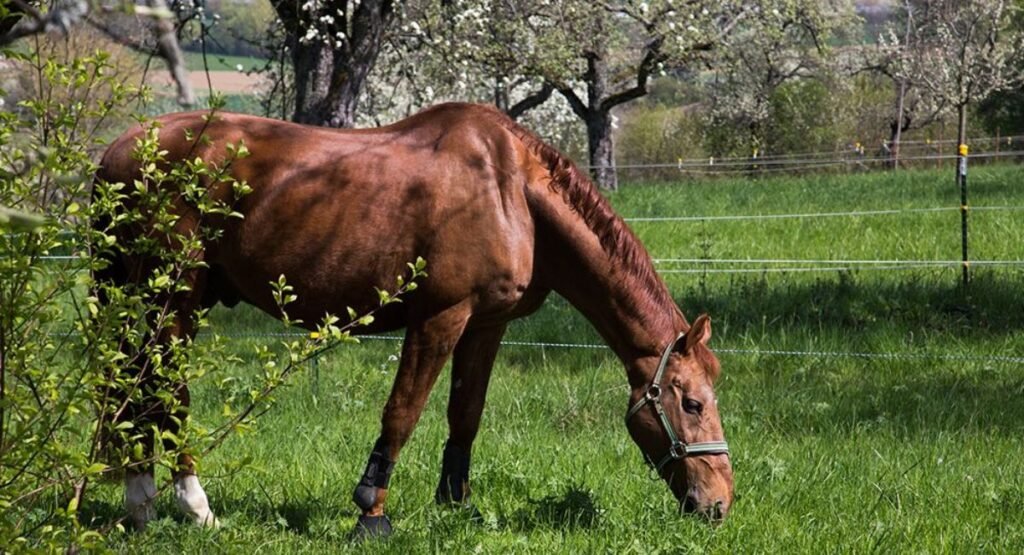
Moreover, grooming behaviors are essential for bonding with their herd mates; they often help each other maintain cleanliness. Such connections enrich their social lives while showcasing their innate need for hygiene.
Penguins
Scientific Name: Spheniscidae
Class: Aves
Penguins are famous for their grooming rituals; they use their beaks to oil their feathers and keep them waterproof and clean. This behavior is essential for their insulation in icy waters, showing their commitment to hygiene.
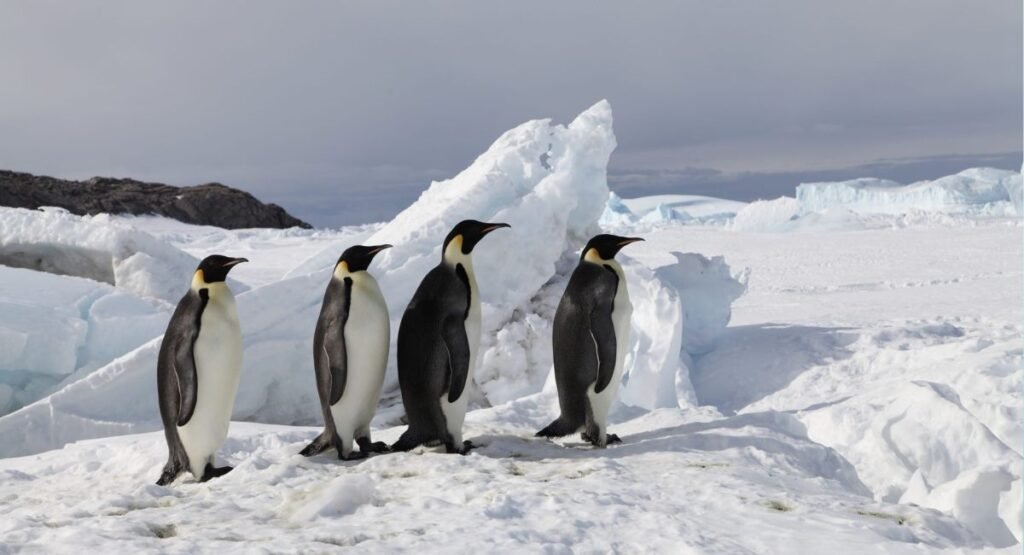
Interestingly, these social birds often groom one another as a sign of affection, emphasizing the importance of cleanliness in their community dynamics. They are truly among the cleanest animals in the world.
Chinchillas
Scientific Name: Chinchilla lanigera
Class: Mammalia
Chinchillas possess incredibly dense fur that requires special care. They take dust baths to remove excess oils and dirt, reinforcing their status as one of the cleanest animals in the world.
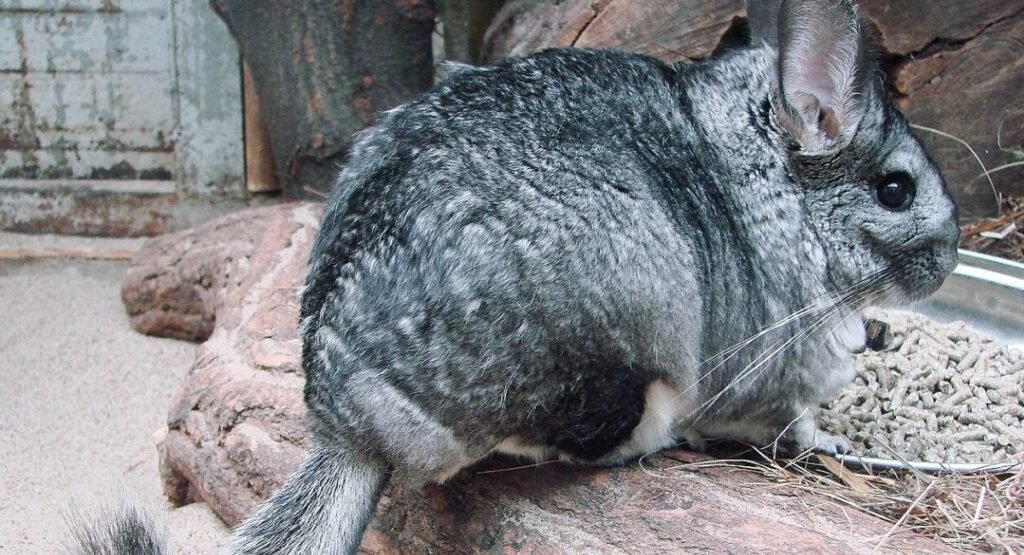
Interestingly, chinchillas are highly social, often engaging in mutual grooming behaviors, which further emphasizes their cleanliness culture. Their unique habits underline how cleanliness intertwines with their social structures.
Meerkats
Scientific Name: Suricata suricatta
Class: Mammalia
Meerkats are not only adorable but also maintain a clean lifestyle through regular grooming. They often take turns cleaning themselves and each other, highlighting their strong social bonds.
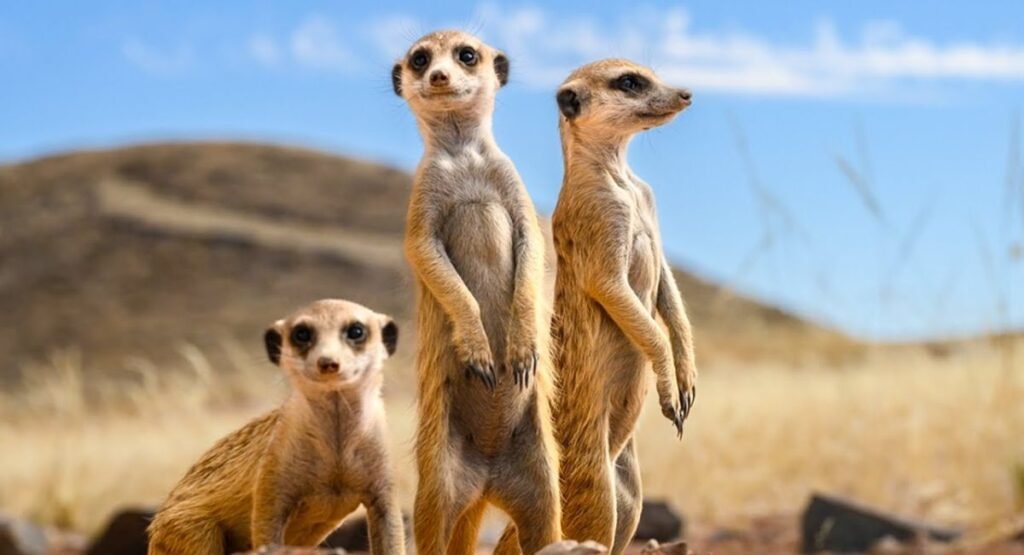
This community-driven approach to cleanliness aids in parasite prevention and overall health. Their organized habits make them some of the most cleanest animals in the world, pairing hygiene with social interaction.
Honey Bees
Scientific Name: Apis mellifera
Class: Insecta
Honey bees are champions of cleanliness. They vigorously clean themselves and their hives, ensuring that bacteria and pests do not thrive in their communities.
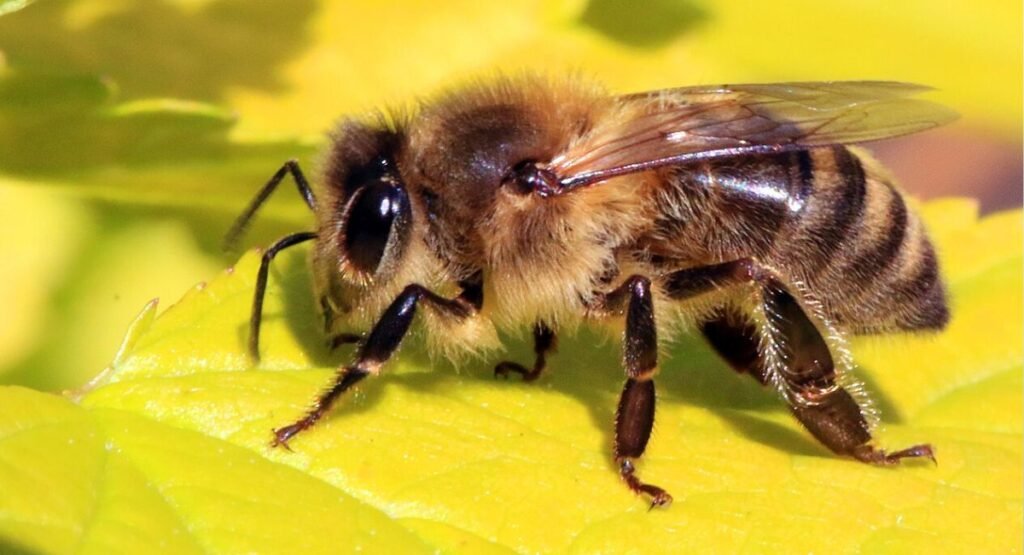
Interestingly, worker bees play a crucial role in keeping the hive sanitary. Their commitment to cleanliness allows them to produce healthy honey, reflecting the importance of hygiene in sustaining their colony.
Fun Facts About The Cleanest Animals In The World
- Cats can spend up to 50% of their waking hours grooming, making them one of the cleanest animals in the world.
- Sea Otters have the densest fur of any mammal and constantly groom it to keep it clean, warm, and waterproof.
- Raccoons often dip their food in water before eating, giving them a reputation as one of the most cleanest animals in the world.
- Honey Bees keep their hives spotless by removing waste, dead insects, and harmful bacteria.
- Chinchillas stay clean with dust baths instead of water baths, which helps protect their delicate fur.
- Most Penguins spend hours preening their feathers to maintain waterproofing and insulation in icy habitats.
- Ants have dedicated worker ants that clean the nest and remove debris to keep the colony healthy.
- Birds Of Paradise carefully groom and arrange their feathers before performing courtship displays.
- Elephants use mud baths as a natural cleaning method that removes parasites and protects their skin.
- Meerkats participate in social grooming, helping each other stay clean while strengthening group bonds.
Conclusion
The Cleanest Animals In The World prove that cleanliness is not just a human habit, it is an important survival strategy in nature. From cats and rabbits that groom themselves daily to honey bees and ants that keep their colonies spotless, these animals demonstrate remarkable hygiene behaviors.
Many experts consider cats among the strongest contenders due to their constant grooming habits. No matter which species takes the top spot, every cleanest animal in the world on this list shows how staying clean helps animals remain healthy, avoid disease, and thrive in their environments.
FAQs
Why Are Rabbits Considered Clean Animals?
Rabbits groom themselves frequently and keep their fur tidy throughout the day. They also prefer clean living spaces and designated bathroom areas.
What Is The Cleanest Animal In The World?
Among all animals, cats consistently rank among the cleanest due to their grooming behavior. They can spend up to half of their waking hours cleaning themselves.
Which Is The Cleanest Pet?
Cats are often regarded as the cleanest pets because they self-groom, use litter boxes, and require minimal bathing. Hamsters and budgies are also known for their cleanliness.
Which Animal Is Known For Cleanliness?
The domestic cat is the animal most commonly associated with cleanliness. It constantly grooms itself and maintains a neat living environment.
What Is The Most Unclean Animal?
There is no officially “most unclean” animal, but vultures, rats, and pigs are often mentioned due to their scavenging habits. However, each plays an important role in nature.
Which Is The Cleanest Animal In The World?
Cats are widely considered the cleanest animals because they spend hours grooming themselves every day. Their natural hygiene habits keep their fur and bodies remarkably clean.