Top 25 Animals That Eat Berries: Wild Mammals, Birds & Forest Berry Eaters
Animals that eat berries play a crucial role in the ecosystem, contributing to seed dispersal and promoting healthy plant growth. From wild mammals to various birds, these berry consumers are found in forests and beyond, showcasing the diverse diets that nature offers.
Understanding what animals eat berries not only enriches our knowledge of wildlife but also highlights the intricate relationships within our ecosystems. In this article, we will explore the top 25 animals that indulge in berries, shedding light on how their habits impact their habitats.
Top 25 Animals That Eat Berries
| No. | Animal | Scientific Name | Class | Favorite Berries |
| 1 | Black Bear | Ursus americanus | Mammalia | Blueberries, Blackberries |
| 2 | Raccoon | Procyon lotor | Mammalia | Strawberries, Blackberries, Raspberries |
| 3 | Deer | Cervidae | Mammalia | Blueberries, Elderberries |
| 4 | Birds | Aves | Aves | Various Wild Berries |
| 5 | Fox | Vulpes vulpes | Mammalia | Raspberries, Blackberries, Blueberries |
| 6 | Squirrel | Sciuridae | Mammalia | Strawberries, Blueberries |
| 7 | Opossum | Didelphis virginiana | Mammalia | Blackberries, Raspberries |
| 8 | Chipmunk | Tamias | Mammalia | Wild Strawberries, Blueberries |
| 9 | Elk | Cervus canadensis | Mammalia | Huckleberries, Blueberries |
| 10 | Hedgehog | Erinaceus europaeus | Mammalia | Blackberries, Wild Berries |
| 11 | Wild Boar | Sus scrofa | Mammalia | Blueberries, Strawberries |
| 12 | Bear (Grizzly/Other Bears) | Ursidae | Mammalia | Mixed Wild Berries |
| 13 | Domestic Cat | Felis catus | Mammalia | Blueberries, Strawberries |
| 14 | Turtle | Testudines | Reptilia | Blackberries, Strawberries, Raspberries |
| 15 | Ground Squirrel | Spermophilus | Mammalia | Various Wild Berries |
| 16 | Mouse | Mus musculus | Mammalia | Blackberries, Strawberries |
| 17 | Badger | Meles meles | Mammalia | Blackberries |
| 18 | Bat | Chiroptera | Mammalia | Various Berries |
| 19 | Bee | Anthophila | Insecta | Berry Nectar & Pollen |
| 20 | Crow | Corvus | Aves | Wild Berries |
| 21 | Goat | Capra aegagrus hircus | Mammalia | Blackberries, Strawberries |
| 22 | Ant | Formicidae | Insecta | Berry Pulp & Seeds |
| 23 | Weasel | Mustela | Mammalia | Wild Berries |
| 24 | Eagle | Accipitridae | Aves | Seasonal Berries |
| 25 | Coyote | Canis latrans | Mammalia | Wild Blackberries, Raspberries |
These berry eating animals can be found in forests, grasslands, mountains, and even urban areas. From bears and deer to birds and coyotes, many wildlife species rely on berries as an important seasonal food source. This list answers common questions such as what animals eat berries, what eats berries in the wild, and what animals eat berries in the forest.
Black Bears
Scientific Name: Ursus americanu
Class: Mammalia
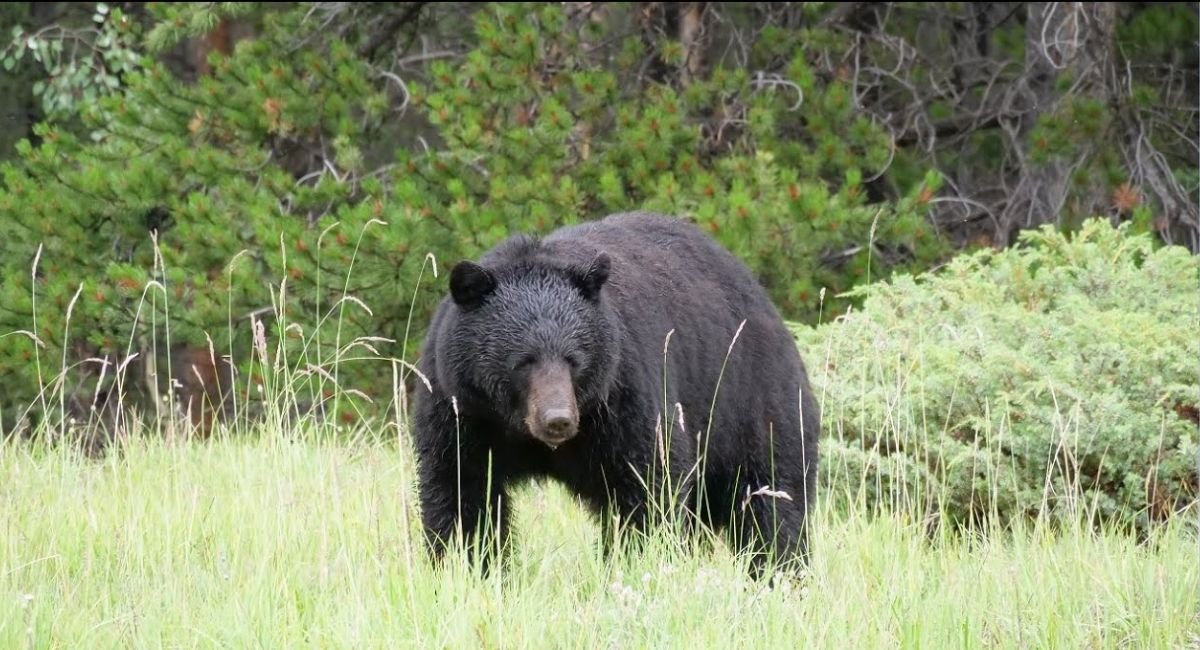
Black bears are known for their diverse diet, which prominently features berries, particularly during the summer months. They have a remarkable ability to find wild blueberries and blackberries, which provide them with the necessary nutrients to fatten up for hibernation. These large mammals will often climb trees in search of berries, using their powerful limbs and sharp claws to reach delicious fruits perched high above.
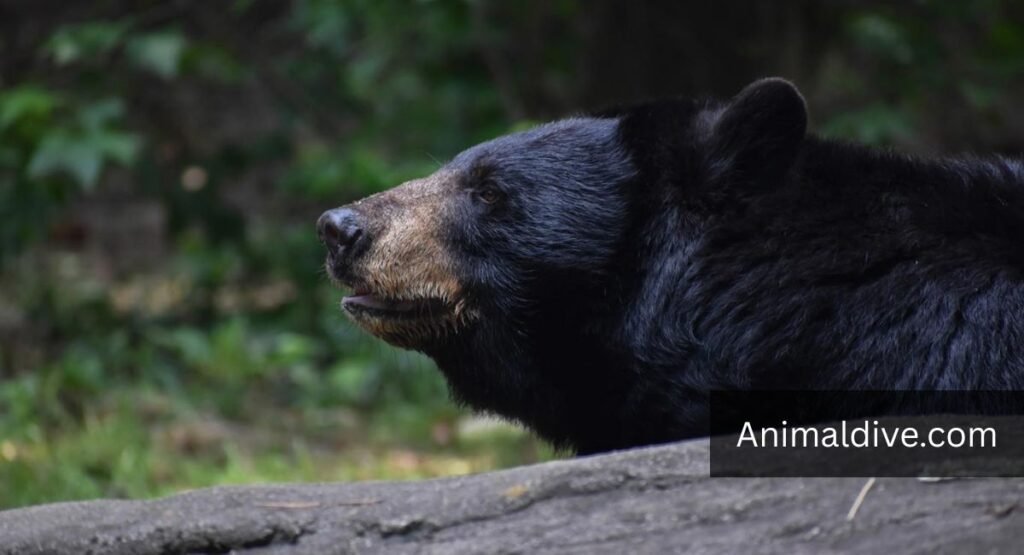
Interestingly, black bears play a crucial role in seed dispersal. As they eat berries, the seeds pass through their digestive system and are scattered in new locations, thus aiding in plant propagation. This symbiotic relationship highlights how animals that eat berries contribute to forest ecosystems, ensuring the growth of berry-producing plants.
Raccoons
Scientific Name: Procyon lotor
Class: Mammalia
Raccoons are opportunistic feeders and highly intelligent creatures known to scavenge various food sources, including a wide array of berries. They have a keen sense of touch and can easily rummage through bushes to find succulent strawberries, blackberries, and raspberries.
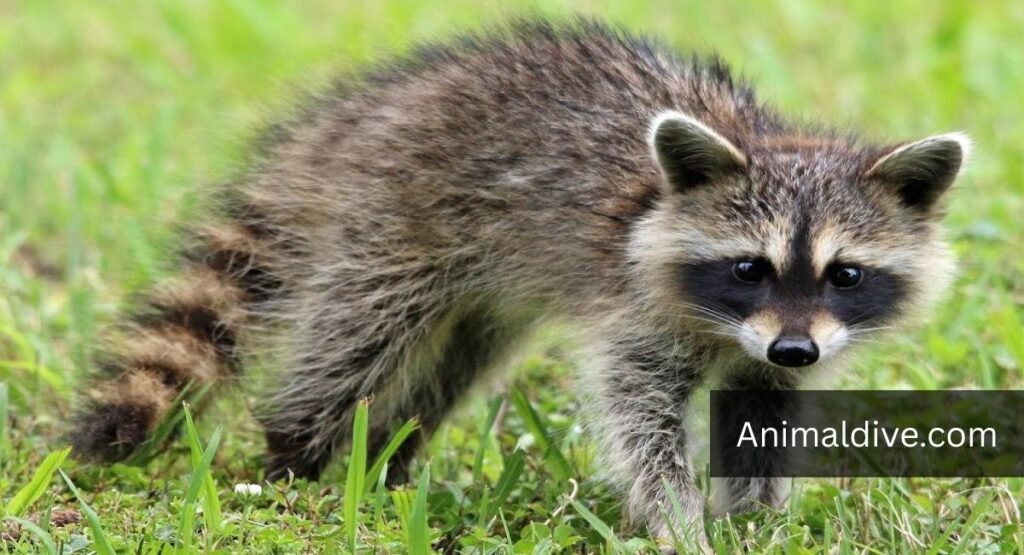
These nocturnal foragers often raid gardens and farms, leaving behind evidence of their berry feasts. This behavior can be both charming and challenging, as homeowners must find ways to protect their plants from these clever animals.
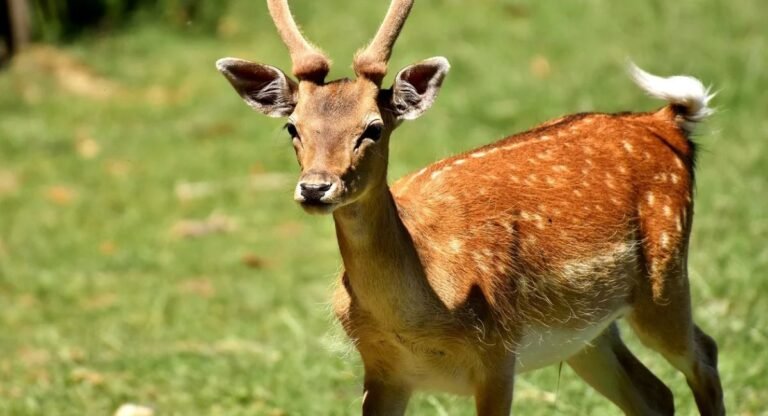
Deer
Scientific Name: Odocoileus virginianus (White-tailed Deer)
Class: Mammalia
Deer are commonly seen in forests and open fields, where they graze on a variety of plants, including berry bushes. Their natural inclination to browse at different heights allows them to dine on low-hanging berries like blueberries and elderberries. As social animals, deer often forage in groups, making it easier to locate berry-rich areas.
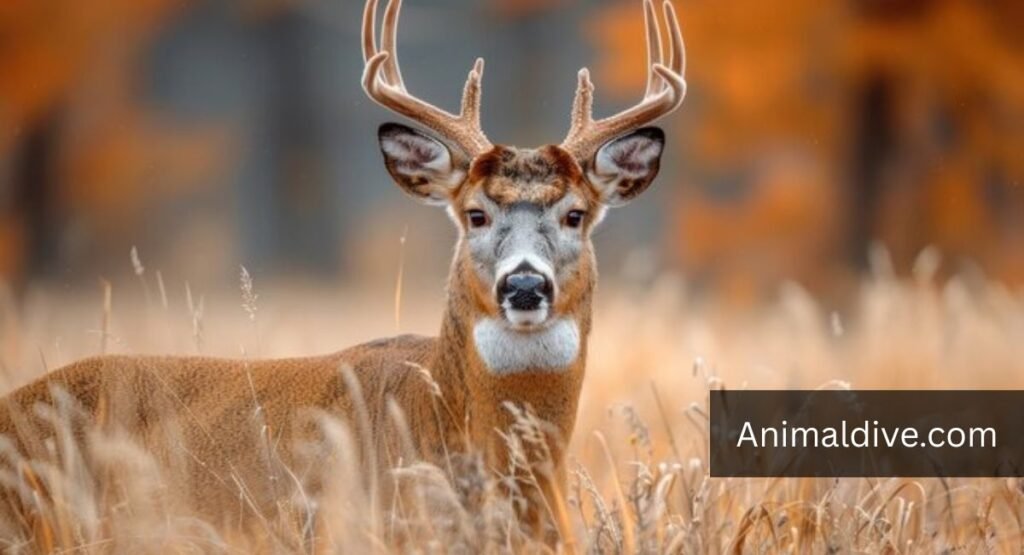
What’s fascinating is how deer play a role in seed dispersal through their droppings. As they consume berries, they inadvertently spread seeds across their foraging grounds, helping to cultivate new berry plants.
Birds
Scientific Name: Various Species
Class: Aves
Various bird species thrive on a diet consisting of berries, making them a significant player in the berry-eating community. From robins to cedar waxwings, these winged creatures are drawn to berries for their sweet, juicy goodness. Birds like thrushes and mockingbirds help spread seeds through their droppings, ensuring the continuation of berry-producing plants.
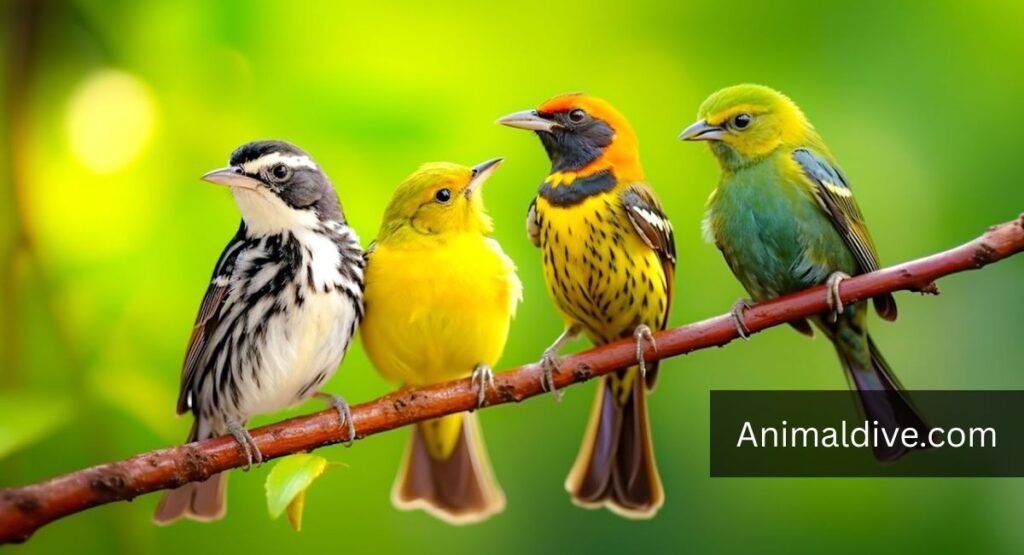
During migration seasons, some birds increase their berry consumption to build essential fat reserves. This behavior not only supports their energy needs but also highlights the critical role that berries play in avian nutrition across different habitats. Their vibrant presence in gardens and forests adds to the ecosystem’s complexity, showcasing the interconnectedness of species.
Foxes
Scientific Name: Vulpes vulpes (Red Fox)
Class: Mammalia
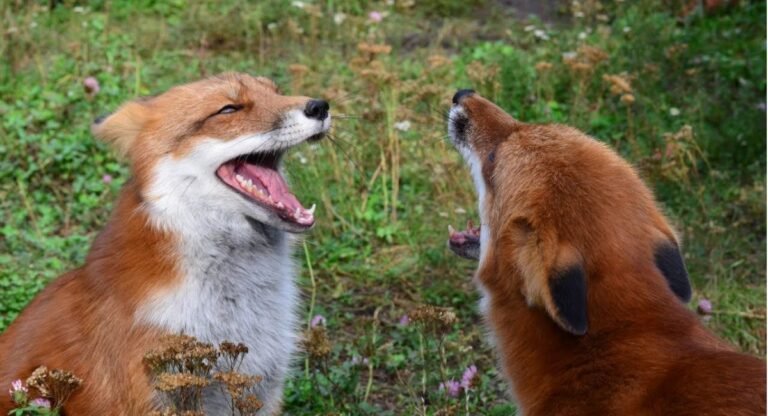
Foxes are versatile omnivores that often incorporate berries into their diets. These cunning canines will forage for wild raspberries, blackberries, and blueberries, particularly in late summer when these fruits are at their peak. The sweetness of berries not only provides essential calories but also aids in hydration during hotter months.
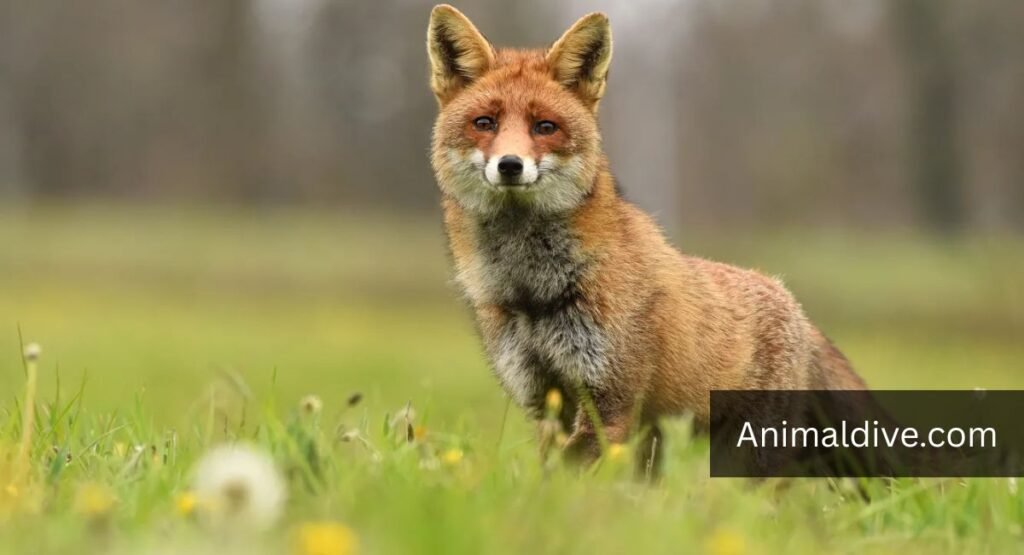
A lesser-known fact about foxes is their opportunistic feeding behavior. Much like weasels and similar animals, foxes showcase remarkable dietary flexibility across seasons. As they consume berries, they also contribute to seed dispersal, further sustaining the environments they inhabit.
Squirrels
Scientific Name: Sciurus carolinensis (Eastern Gray Squirrel)
Class: Mammalia
Squirrels, especially their tree-dwelling counterparts, are not just nut collectors; they also enjoy a diet that includes various berries. They will eagerly munch on strawberries, blueberries, and other fruit offerings found in gardens and forests. Squirrels have sharp teeth that allow them to access the sweet flesh of berries while shunning inedible seeds.
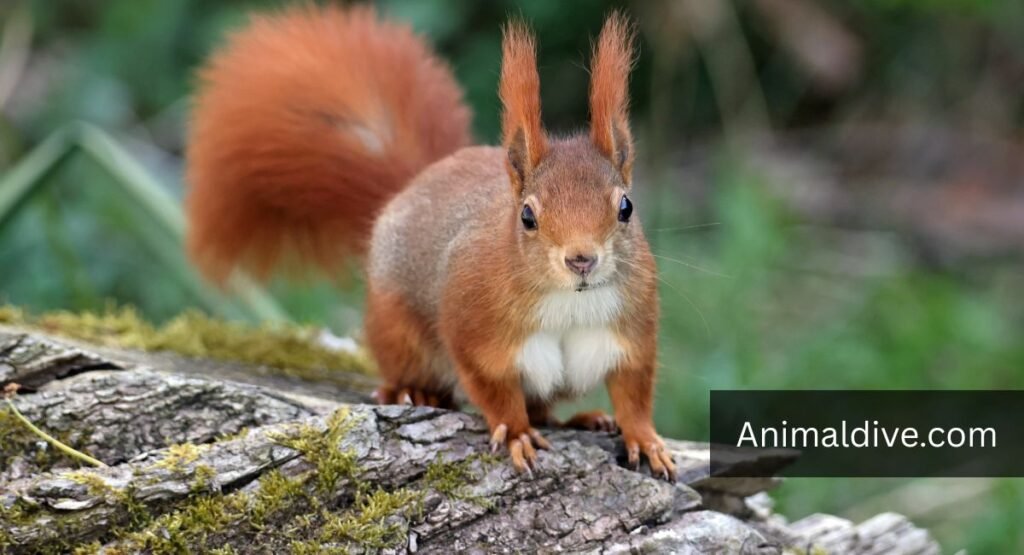
Besides their love for berries, squirrels play an essential role in their habitat. As they move around collecting and eating berries, they inadvertently spread seeds, helping to propagate berry plants in their environment. This natural behavior reinforces their importance as animals that eat berries and contributes to the ecological balance.
Opossums
Scientific Name: Didelphis virginiana
Class: Mammalia
Opossums, often overlooked in the animal kingdom, are nighttime foragers with an affinity for berries. These marsupials enjoy a variety of fruits, including blackberries and raspberries. They are particularly skilled at finding berries in dense thickets, thanks to their keen sense of smell. Opossums are not only beneficial in gardens for their berry-eating habits; they also help control pests like ticks and insects.
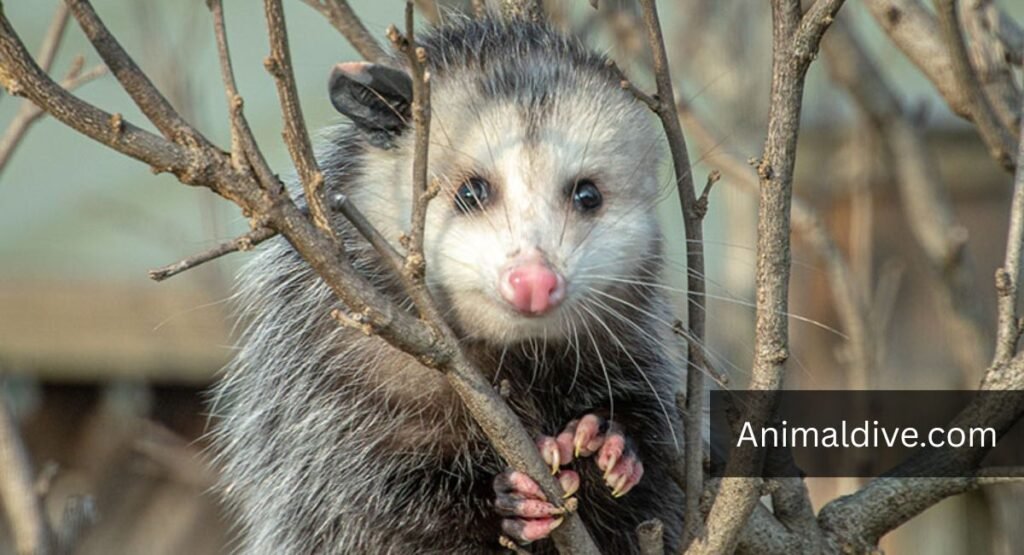
Moreover, opossums are unique for their ability to consume toxic berries without adverse effects, making them nature’s little survivalists. By eating berries and dispersing their seeds, they play an essential role in the ecosystem, contributing to the growth of berry plants in both urban and wild areas.
Chipmunks
Scientific Name: Tamias striatus
Class: Mammalia
Chipmunks are small, energetic rodents that love foraging for a variety of food, including berries. Their keen ability to find wild strawberries and blueberries in their forest habitats is essential for their survival, particularly in preparing for winter. They collect berries to store in their burrows, ensuring a nutritious food supply during colder months.
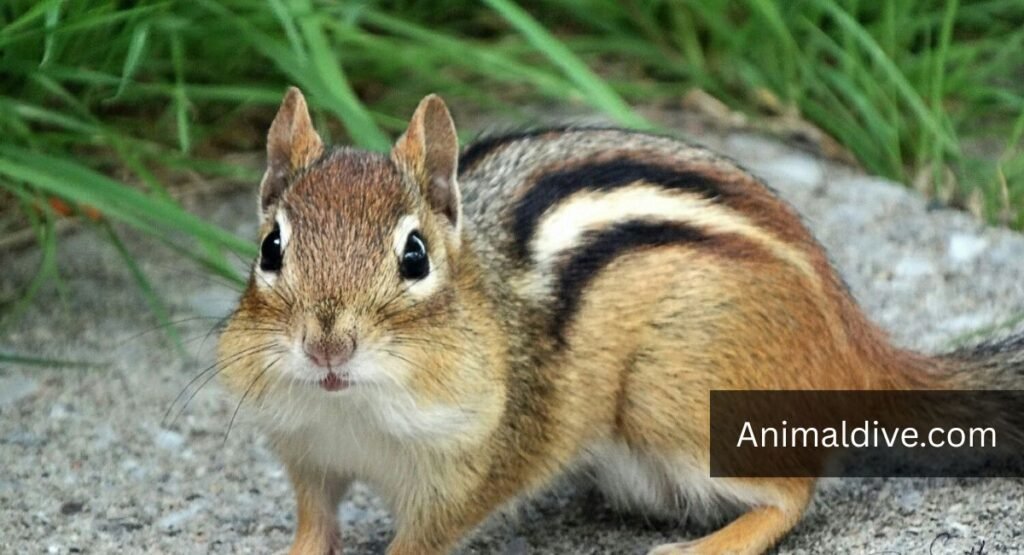
These adorable critters also help in seed dispersal, although on a smaller scale than some larger animals. As they nibble on berries and store seeds, they contribute to the ecological balance by allowing new berry plants to thrive in their surroundings. This behavior underscores the interconnected roles of all animals in their habitats.
Elk
Scientific Name: Cervus canadensis
Class: Mammalia
Elk are majestic herbivores known for their diverse palate, which includes a variety of berries. In many regions, elk will forage for berries like huckleberries and blueberries, especially during the summer months when these fruits are abundant. Their large bodies require a significant amount of calories, making berries a vital addition to their diet.
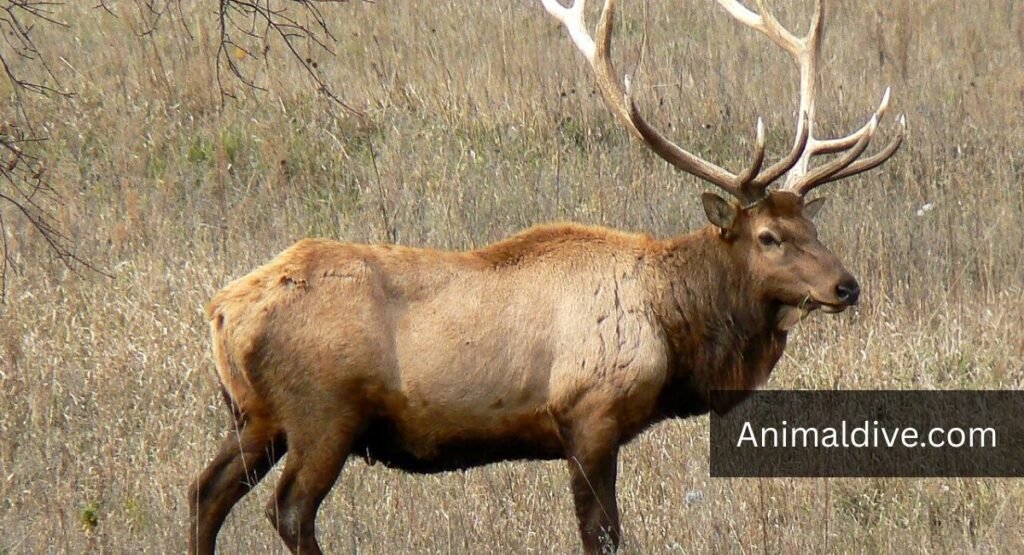
The relationship between elk and the landscape is fascinating. As they roam and consume berries, they inadvertently strengthen the ecosystem by contributing to seed dispersal. This equates to a healthier environment, where berry bushes can grow and flourish, benefiting various wildlife species that depend on these plants as a food source.
Hedgehogs
Scientific Name: Erinaceus europaeus
Class: Mammalia
Although primarily associated with a diet of insects, hedgehogs are also known to indulge in berries when the opportunity arises. These small mammals will forage for blackberries and other wild fruits, particularly as they seek out rich sources of nutrition before hibernation. Their nocturnal nature allows them to explore gardens and woodland edges where berries flourish.
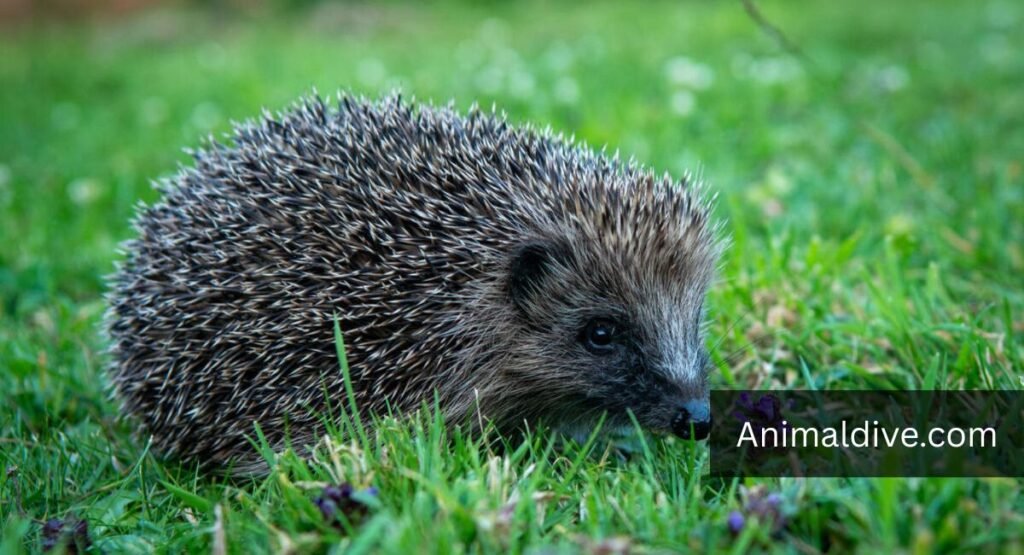
Interestingly, hedgehogs are beneficial to gardens, as their foraging behavior helps control insect populations while also enjoying the sweet fruits of local flora. By consuming berries, they contribute to the plant life around them, demonstrating how animals that eat berries promote ecological health.
Wild Boars
Scientific Name: Sus scrofa
Class: Mammalia
Wild boars are famous for their hearty appetite and love for foraging through forests in search of edibles, including berries. They will dig up the soil and uproot plants to access blueberries and strawberries hidden beneath layers of vegetation. Their strong sense of smell guides them to berry patches, making them adept at finding food sources.
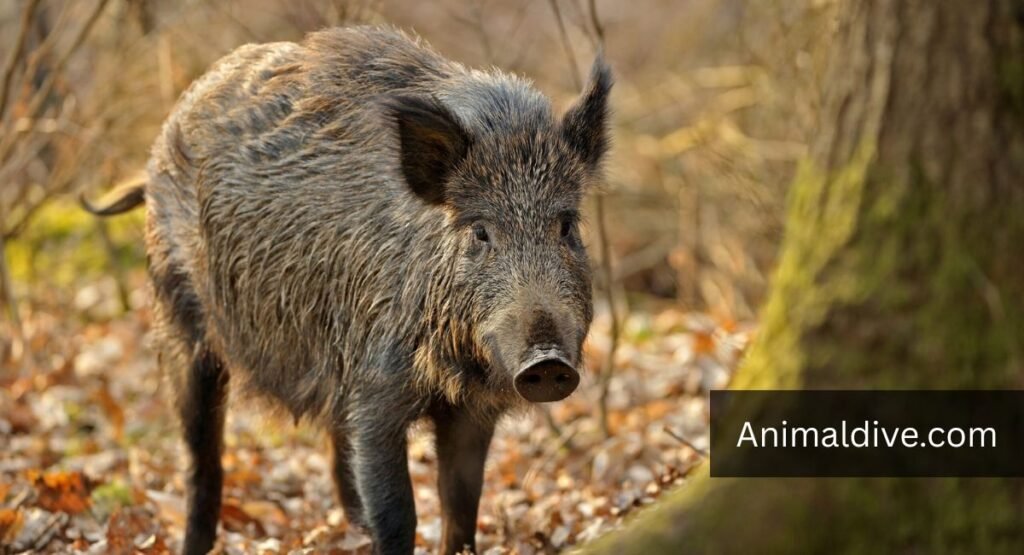
These robust animals also play a crucial ecological role. As they consume berries and disperse seeds, wild boars aid in the growth and spread of berry-producing plants in various habitats. This behavior showcases how a species known for its strength can impact the biodiversity of its surroundings.
Bears
Scientific Name: Ursidae
Class: Mammalia
Not to be confused with black bears, bears as a general category are enthusiastic berry consumers. Species like grizzlies and polar bears will also take advantage of seasonal berry availability, often venturing into forests and tundras to find food. Their substantial size means they consume large quantities of berries, especially during fattening seasons.
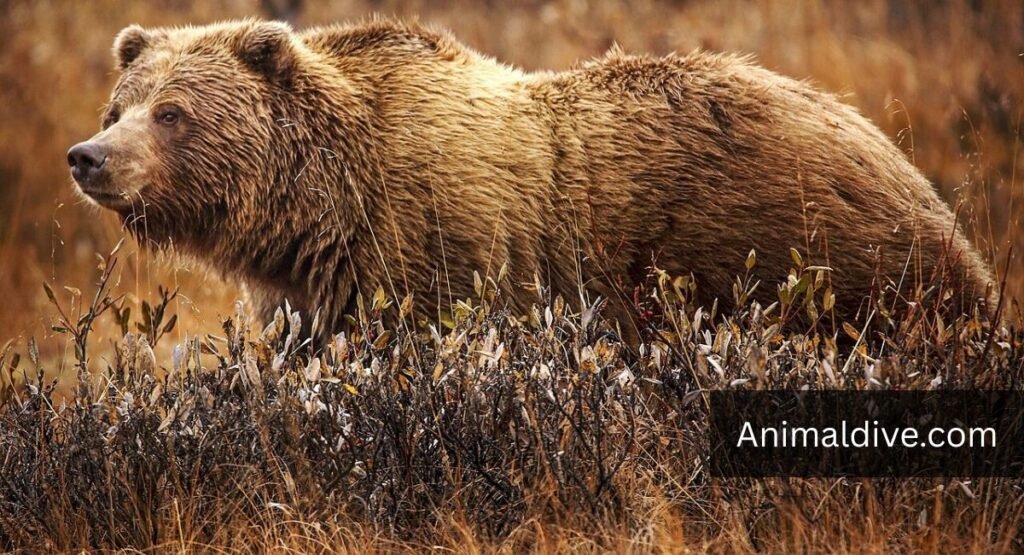
Bears have a remarkably diverse diet, relying heavily on berries for their nutritional needs during summer months. These large mammals significantly contribute to the seed dispersal of various berry plants, ensuring the vitality of ecosystems they traverse. Their foraging habits exemplify the interconnectedness of wildlife and plant life.
Domestic Cats
Scientific Name: Felis catus
Class: Mammalia
Even domestic cats might snack on berries! While they primarily seek protein from meat, many pet owners have reported their cats enjoying occasional blueberries or strawberries. Interestingly, cats have a very different taste profile and might be drawn to the texture rather than the flavor of berries.
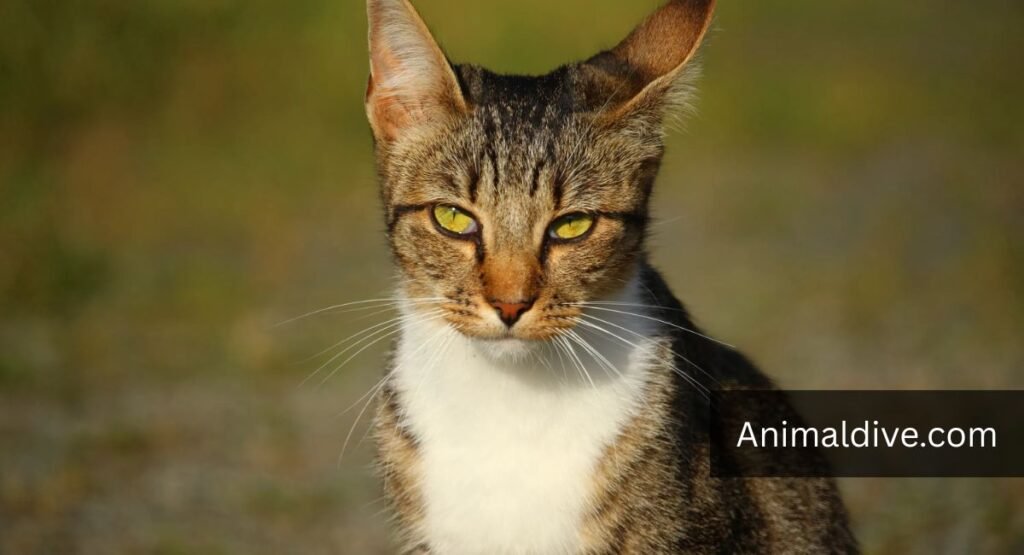
It’s essential to monitor their berry intake, as excessive consumption can lead to digestive upset. However, when given in moderation as treats, berries can offer a unique nutritional boost and hydration, supporting their overall health. Thus, even household pets can share a connection with those animals that eat berries in the wild.
Turtles
Scientific Name: Terrapene carolina (Box Turtle)
Class: Reptilia
Certain turtle species, particularly box turtles, have a love for berries as a part of their omnivorous diet. These reptiles seek out blackberries, strawberries, and even raspberries during their foraging expeditions in forests and wetlands. Their slow yet methodical eating habits enable them to appreciate the sweetness of their berry finds.
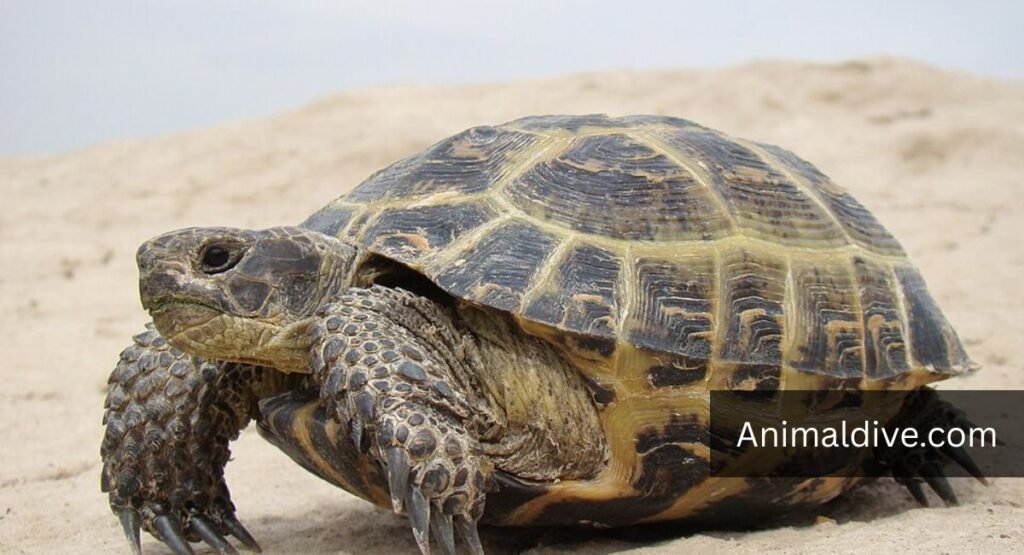
Interestingly, turtles contribute to their ecosystems as they consume berries and disperse seeds, ensuring the continued growth of berry-producing plants. This nutrient circle illustrates how even slow-moving creatures play a significant role in enhancing biodiversity and supporting plant health.
Ground Squirrels
Scientific Name: Spermophilus spp.
Class: Mammalia
Distinct from regular squirrels, ground squirrels are known for their burrowing habits and love for berries. These small rodents forage in meadows and open fields, where they find a variety of berries to feast on, particularly during the warm summer months. Their foraging behavior also ensures they stock up on nutrients before hibernating.
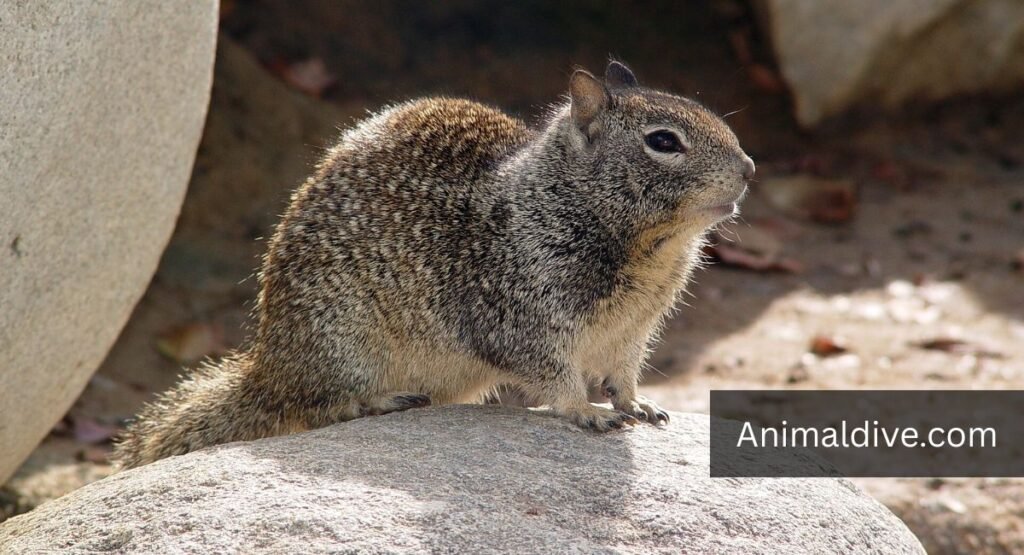
Ground squirrels are vital for their habitats due to their role in seed dispersal. As they eat berries, they leave behind seeds that can grow into new berry plants, contributing to the garden and ecosystem dynamics. Their relationship with the land showcases how animals that eat berries can impact their surroundings positively.
Mice
Scientific Name: Mus musculus
Class: Mammalia
Mice, although not the largest foragers, enjoy a diet that includes various berries. They are particularly fond of the small fruits found in gardens and hedge rows, such as blackberries and strawberries. Their small size allows them to access areas where larger animals might struggle, making them efficient berry seekers.
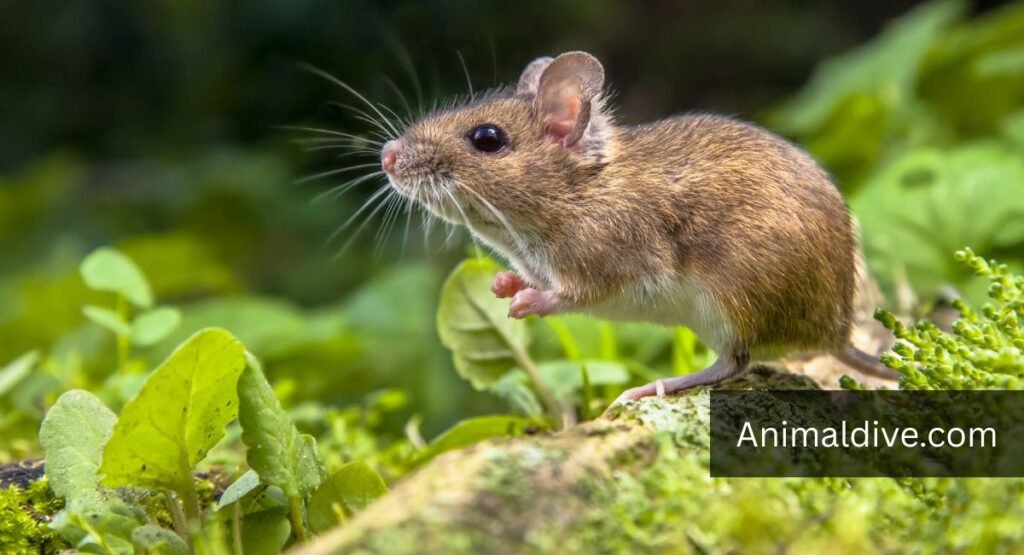
These tiny creatures contribute to their ecosystems by dispersing seeds as they forage for berries. The simple act of munching on fruits encourages the growth of new plants, showcasing the interconnected world of flora and fauna.
Badgers
Scientific Name: Meles meles
Class: Mammalia
Badgers, predominantly known for their burrowing habits, possess a varied diet that includes various berries. During late summer, they actively forage for wild berries, particularly blackberries, which provide essential calories. Their strong sense of smell enables them to locate berry-rich areas within dense thickets.
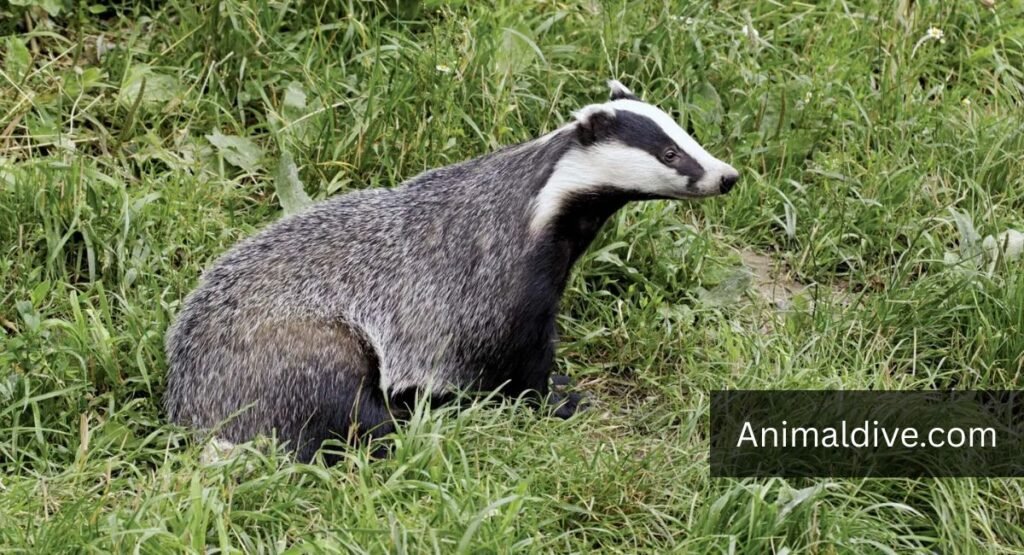
Not only do badgers satisfy their appetites by eating berries, but they also help in seed dispersal. As they move through their habitat, consuming fruits, they contribute to the propagation of different berry plants. Their role in the ecosystem illustrates how diverse dietary habits can support local flora.
Bats
Scientific Name: Pteropodidae
Class: Mammalia
Certain species of bats, particularly those that are fruit-eating, indulge in berries as part of their diet. They are drawn to ripe fruits, including various berries, for their high sugar content. Bats utilize echolocation to navigate through the night, making it easier for them to locate berry-laden trees and bushes.
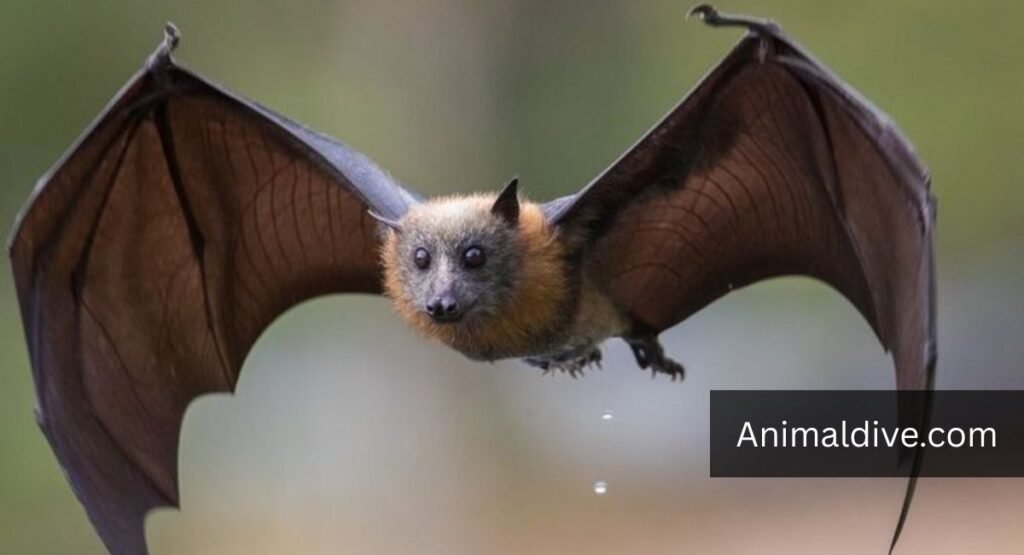
Bats’ feeding behavior is highly beneficial for ecosystems, as they contribute significantly to plant pollination and seed dispersal. By consuming berries and helping plants reproduce, bats play a vital role in maintaining biodiversity. Their nocturnal foraging habits demonstrate how different animal species interact with the flora in their environments.
Bees
Scientific Name: Apis mellifera
Class: Insecta
While bees are commonly known for their role in pollination, they also benefit from berries by extracting nectar and pollen from the flowers. This interaction not only nourishes the bees but also ensures the production of berries when they pollinate plants. Some bees will remain in areas abundant in berries, creating a mutually beneficial relationship.
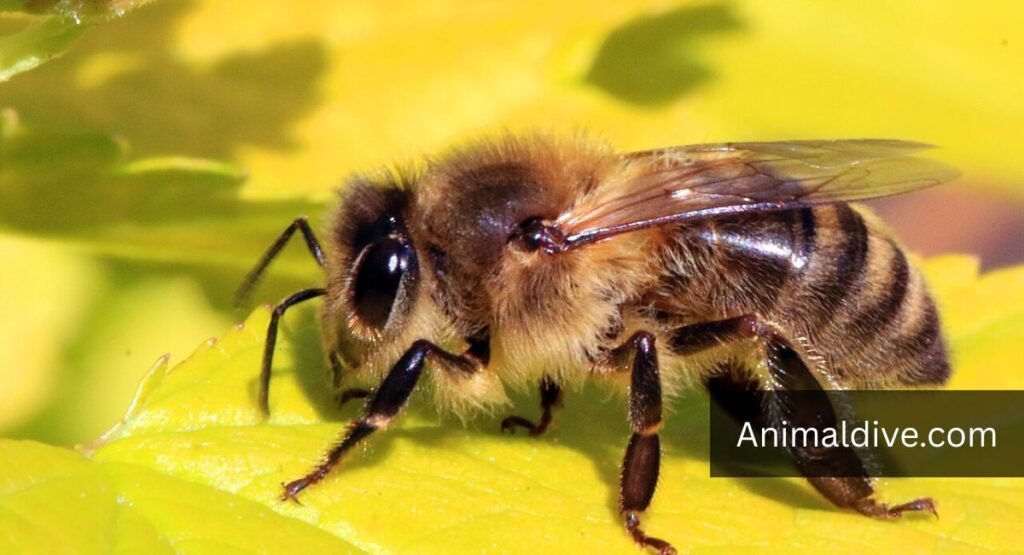
Without bees and other pollinators, many berry-producing plants would struggle to reproduce. This emphasizes how interconnected wildlife is and how each species, including those that eat berries indirectly, influences the plant life around them. Their presence is crucial for ensuring a stable ecosystem.
Crows
Scientific Name: Corvus brachyrhynchos
Class: Aves
Crows are highly intelligent and adaptable birds among the most well-known scavenger birds known for their foraging habits. They will often feast on a wide range of fruits, including berries, during warmer months. Observing crows rummaging through berry bushes reveals their complex social interactions as they communicate and work together to find food.
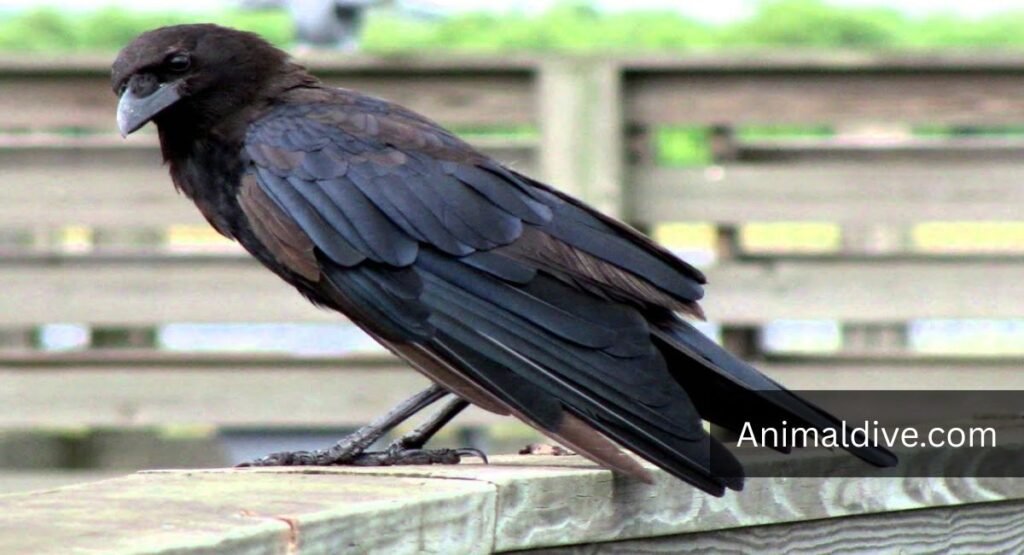
Crows play a significant role in seed dispersal. As they eat berries and move throughout their environment, they leave seeds behind that can germinate and become new plants. Their foraging habits contribute to maintaining healthy ecosystems, showcasing how all animals that eat berries are interconnected within their habitats.
Goats
Scientific Name: Capra aegagrus hircus
Class: Mammalia
Domestic goats, often seen in farms and pastures, are surprisingly fond of berries. They will eagerly munch on blackberries, strawberries, and other fruits when available, making them an enjoyable addition to their diet. Their natural grazing behavior allows them to access vegetation easily, including berry-laden bushes.
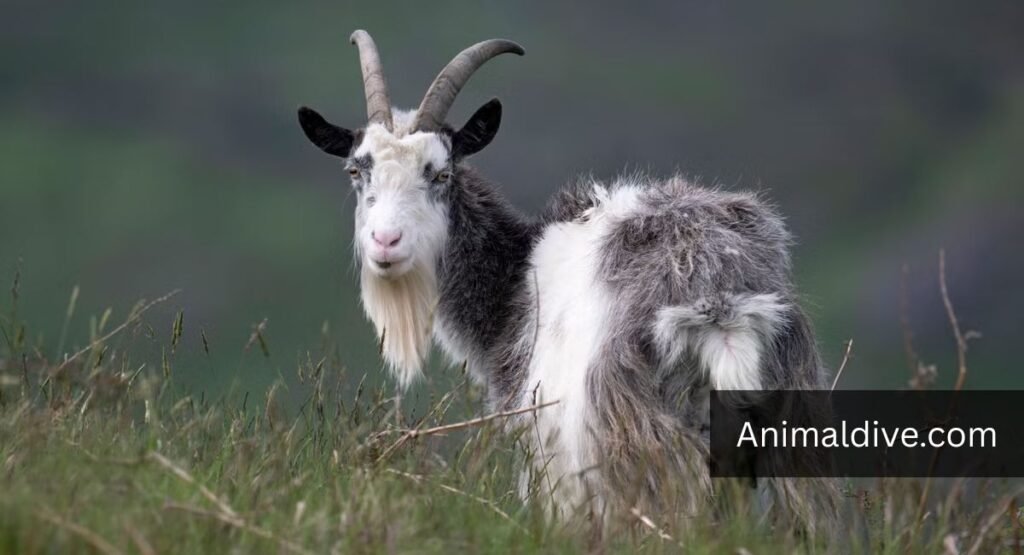
Interestingly, goats aid in managing vegetation by browsing on dense foliage, including berry bushes. Their foraging habits can help control the growth of certain plants, promoting a balance within the ecosystem.
Ants
Scientific Name: Formicidae
Class: Insecta
Ants, although small, play essential roles in various ecosystems, including enjoying berries. Some species of ants are known to seek out berries for their sugary deposits, making them an important part of the berry ecosystem. The straightforward act of gathering and feeding on berries helps nourish the ant colonies.
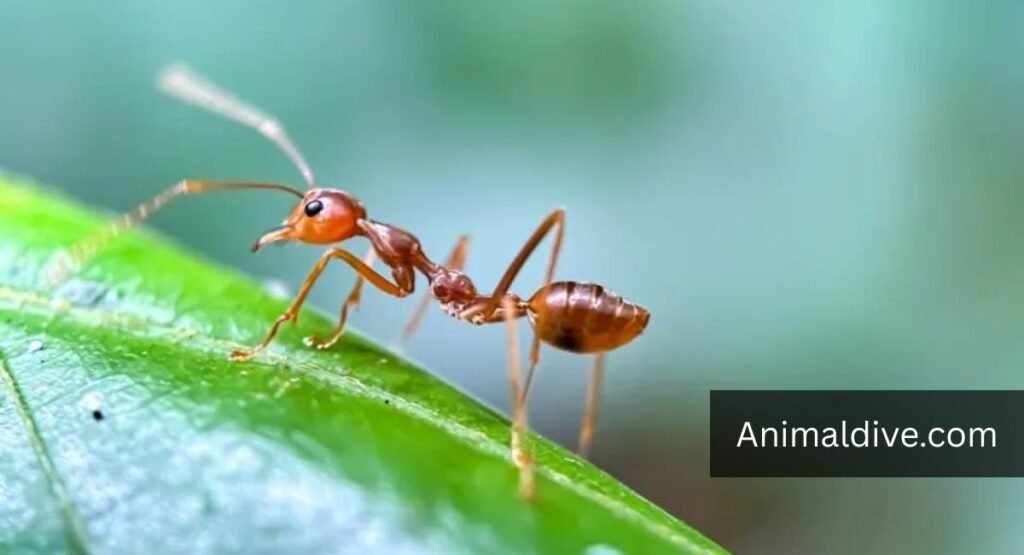
In their quest for berries, ants inadvertently contribute to seed dispersal. They gather seeds and transport them back to their colonies, aiding in plant reproduction. This highlights the hidden yet vital role even the tiniest animals that eat berries have in maintaining the balance of nature.
Weasels
Scientific Name: Mustela nivalis
Class: Mammalia
Weasels are small carnivorous mammals that occasionally add berries to their diet. While they primarily hunt small rodents, they will forage for wild berries during certain seasons to supplement their food intake. Their ability to adapt their diet showcases their resourceful nature in the wild.
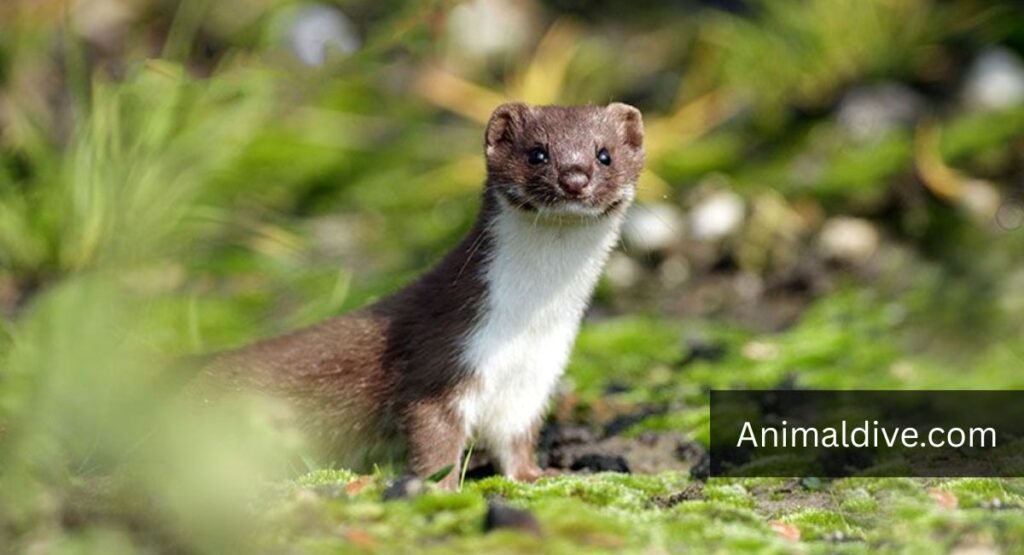
When eating berries, weasels, like many other animals, help disperse seeds through their waste. This behavior not only assists in the growth of berry-producing plants but also reinforces the interconnected roles of all species within an ecosystem. The presence of weasels contributes to the richness of their habitats, supporting diverse wildlife.
Eagles
Scientific Name: Aquila chrysaetos (Golden Eagle)
Class: Aves
While primarily known for their hunting prowess, eagles can also be observed foraging for berries when other food sources are scarce. They will sometimes scavenge for small fruits, including berries, while hunting in forested areas. Their keen eyesight helps them spot berry bushes from high above while soaring through the air.
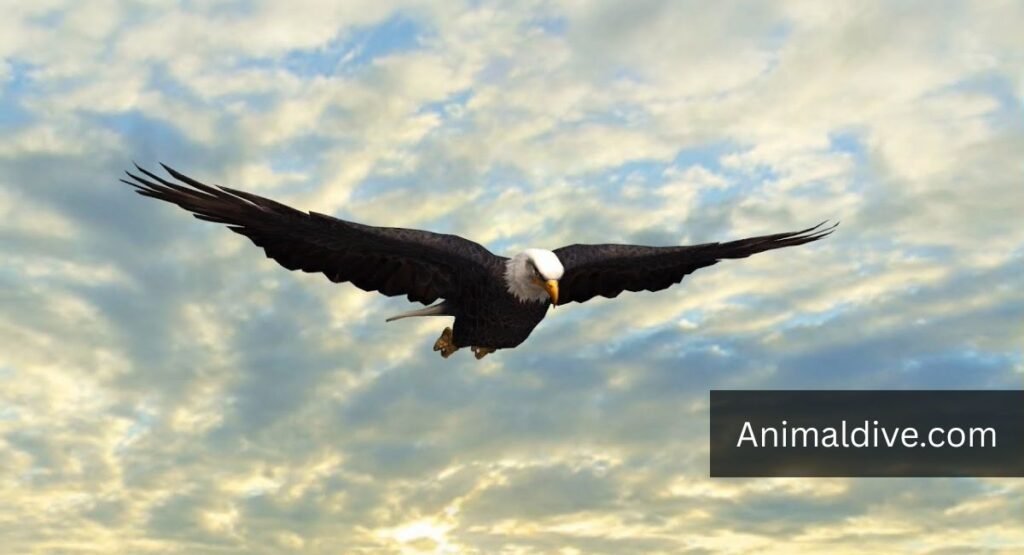
Eagles benefit from consuming berries, particularly in transitional seasons, and indirectly contribute to seed dispersal as they move through their habitats. This relationship with juicy fruits emerges from their adaptability and reveals how different predator species can fit into the berry-eating ecosystem despite their primary diets.
Coyote
Scientific Name: Canis latrans
Class: Mammalia
Coyotes are versatile omnivores and rank among the most resourceful scavenger animals in the world, often incorporating berries into their diet. They thrive in various habitats, from urban areas to forests, and are adept at finding berry patches to supplement their traditional prey. Coyote sightings during berry season often highlight their adaptability and resourcefulness.
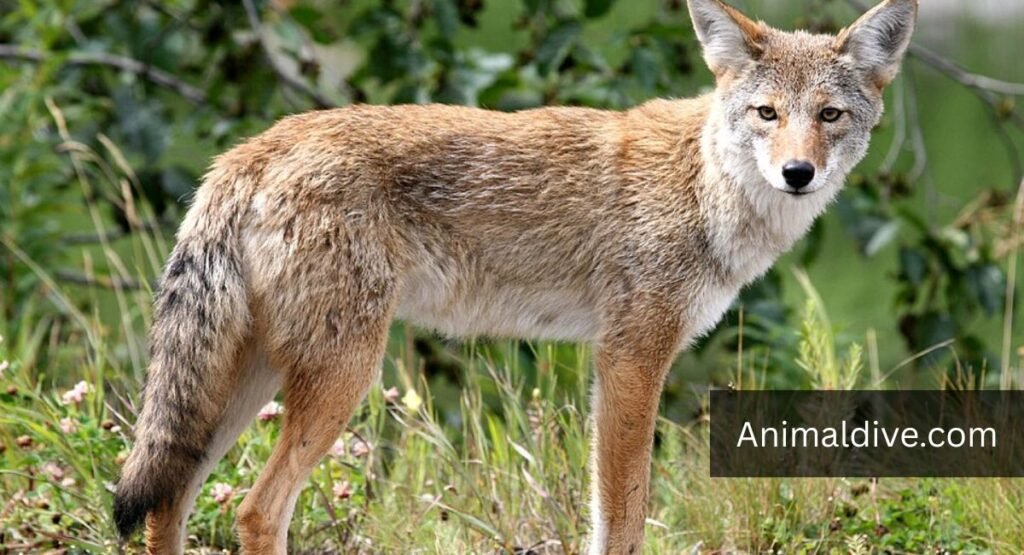
These clever canids play a notable role in their ecosystems. As they consume berries, they help ensure the proliferation of various berry-producing plants by dispersing seeds throughout their territory. This intricate connection underlines how all animals that eat berries contribute to the health and diversity of their habitats.
Why Do Animals Eat Berries?
Animals that eat berries not only satisfy their nutritional needs but also foster ecological balance. For instance, when animals consume berries, they often help scatter seeds over vast areas, promoting plant diversity in their habitats.
- Energy Source: Berries serve as a high-energy food source, providing animals, such as bears and birds, with the fuel they need for their active lifestyles.
- Natural Sugars: The fructose found in berries offers a readily available form of energy, making them particularly appealing during the breeding season when animals require extra stamina.
- Vitamins: Rich in essential vitamins like C and K, berries bolster the immune systems of animals, helping them stay healthy and resilient against diseases.
- Water Content: Many berries have a high water content, which is crucial for hydration, particularly in summer months when water sources may be scarce.
- Seasonal Food: As seasonal delicacies, berries offer a time-sensitive nutritional boost, prompting animals to forage and store food for the colder months.
- Foraging Behavior: The act of finding and eating berries encourages a natural foraging behavior, which aids in the dispersal of seeds and contributes to plant reproduction.
What Animals Eat Berries In The Forest
In the vibrant ecosystem of the forest, a variety of animals indulge in nature’s sweet bounty. Bears are particularly fond of berries, foraging in late summer to stock up on calories for hibernation. Deer graze on berry bushes, savoring their juicy morsels, while nimble foxes skillfully hunt for these fruits, adding them to their diverse diet.
Squirrels and mice often scurry about gathering berries to stash away for colder months, each building a hidden treasure trove of seasonal flavors. Chimpanzees, though typically found in tropical settings, have been observed foraging for berries, showcasing their adaptability. Rabbits, skilled nibblers, also munch on berries, contributing to the symbiotic relationship between flora and fauna.
What Animals Eat Blueberries?
Bears are notorious for raiding berry patches, and blueberries are no exception. These massive foragers seek out ripe fruit, often demonstrating incredible agility as they climb trees or scour bushes, making them one of the most prominent contenders in the wild blueberry buffet.
Blue Jays and robins also have a penchant for blueberries, utilizing their keen eyesight to spot these jewels among the foliage. While raccoons and foxes make nighttime excursions for a tasty treat, deer add another layer to the ecosystem, grazing on blueberry bushes in a sustainable cycle with nature.
What Animals Eat Holly Berries?
Cedar waxwings, thrushes, and mockingbirds are some of the most enthusiastic consumers of holly berries. Their vibrant plumage attracts attention, but it’s their keen appetite for these bright red fruits that truly stands out, especially during the winter months when food is scarce. The berries provide essential nourishment, enabling these birds to thrive in cold weather.
Blackbirds and robins also delight in this seasonal treat, showcasing the interconnectedness of nature. As these birds feast on holly berries, they play a crucial role in seed dispersion, ensuring that holly bushes continue to flourish.
Berry Eating Birds
Many bird species rely on berries as an important food source, especially during migration and colder seasons. These fruits provide energy-rich nutrients while helping birds spread seeds across forests and gardens.
| Bird | Scientific Name | Class | Favorite Berries |
| Robin | Turdus migratorius | Aves | Elderberries |
| Blue Jay | Cyanocitta cristata | Aves | Blueberries |
| Cedar Waxwing | Bombycilla cedrorum | Aves | Juniper Berries |
| Blackbird | Turdus merula | Aves | Rowan Berries |
| Mockingbird | Mimus polyglottos | Aves | Mulberries |
| Thrush | Turdidae | Aves | Holly Berries |
Berry Eating Mammals
Several mammals supplement their diets with berries, taking advantage of these sweet and nutritious fruits when they are in season. By eating berries and dispersing seeds, these animals help support healthy ecosystems and plant growth.
| Mammal | Scientific Name | Class | Favorite Berries |
| Bear | Ursidae | Mammalia | Blueberries |
| Fox | Vulpes vulpes | Mammalia | Raspberries |
| Deer | Odocoileus virginianus | Mammalia | Wild Berries |
| Raccoon | Procyon lotor | Mammalia | Blackberries |
| Rabbit | Oryctolagus cuniculus | Mammalia | Raspberries |
| Opossum | Didelphis virginiana | Mammalia | Wild Berries |
| Bat | Pteropodidae | Mammalia | Various Berries |
Fun Facts About Animals That Eat Berries
- Bears can eat thousands of berries daily.
- Cedar Waxwings sometimes become intoxicated from fermented berries.
- Foxes help spread berry seeds.
- Deer disperse berry plants naturally.
- Bats assist forest regeneration.
Conclusion
The remarkable list of animals that eat berries showcases nature’s intricate web of relationships and dietary preferences. Many of the animals that consume these berries, such as deer, squirrels, and various birds, highlight the importance of these fruits in sustaining wildlife.
Understanding what animals eat berries not only deepens our appreciation for biodiversity but also emphasizes the value of preserving their habitats. As we protect these environments, we ensure that future generations can witness the beauty and complexity of wildlife feeding on nature’s bounty.
FAQs
Do Birds Eat Holly Berries?
Yes. Cedar Waxwings, Thrushes, Robins, and Blackbirds frequently feed on holly berries during winter.
Can Birds Eat Raspberries?
Yes. Many wild birds safely eat raspberries and often prefer ripe berries during summer.
What Birds Eat Blueberries?
Blue Jays, American Robins, Cedar Waxwings, Thrushes, and Mockingbirds commonly eat blueberries.
Does A Mouse Eat Berries?
Yes. Wood mice and many other mouse species eat berries, seeds, fruits, and plant material.
What Animal Eats Berries?
Many animals eat berries, including bears, raccoons, foxes, deer, rabbits, squirrels, and several bird species.