Top 16 Animals That Eat Cactus (With Pictures, Facts & Desert Survival)
Cacti, with their thick, spiny exteriors, may seem like an unlikely source of nourishment, yet several animals have evolved to make them a staple in their diets. This article will explore the remarkable variety of desert animals that eat cactus, showcasing the unique adaptations that allow them to thrive in such a challenging habitat.
By uncovering what eats cacti, readers will gain insight into the interconnectedness of desert ecosystems and the vital role of these resilient plants. Let’s explore the top 16 animals that eat cactus, accompanied by stunning visuals and compelling facts.
Why Do Some Animals Eat Cactus?
Creatures like the desert tortoise, jackrabbit, and various rodents turn to these spiny plants not only for sustenance but also as a vital water source. Cacti, with their thick, juicy tissues, are a treasure trove of hydration, enabling these animals to thrive in an environment where other food options are limited.
Cacti themselves have evolved to deter many would-be predators through their sharp spines and toxic compounds, creating formidable defenses. However, for those that have adapted such as some beetles and the curious javelina these defenses present only a minor challenge.
List of Animals That Eat Cactus
| Animal | Scientific Name | Class | Diet |
| Javelina (Collared Peccary) | Pecari tajacu | Mammalia | Omnivore |
| Desert Tortoise | Gopherus agassizii | Reptilia | Herbivore |
| Jackrabbit | Lepus californicus | Mammalia | Herbivore |
| Mule Deer | Odocoileus hemionus | Mammalia | Herbivore |
| White-tailed Deer | Odocoileus virginianus | Mammalia | Herbivore |
| Pack Rat | Neotoma spp. | Mammalia | Herbivore (occasionally Omnivore) |
| Ground Squirrel | Spermophilus spp. | Mammalia | Omnivore |
| Cactus Wren | Campylorhynchus brunneicapillus | Aves | Omnivore |
| Kangaroo Rat | Dipodomys spp. | Mammalia | Herbivore |
| Bighorn Sheep | Ovis canadensis | Mammalia | Herbivore |
| Gila Woodpecker | Melanerpes uropygialis | Aves | Omnivore |
| Desert Iguana | Dipsosaurus dorsalis | Reptilia | Herbivore |
| Antelope Jackrabbit | Lepus alleni | Mammalia | Herbivore |
| Pronghorn | Antilocapra americana | Mammalia | Herbivore |
| Coyote | Canis latrans | Mammalia | Omnivore |
| Harris’s Antelope Squirrel | Ammospermophilus harrisii | Mammalia | Omnivore |
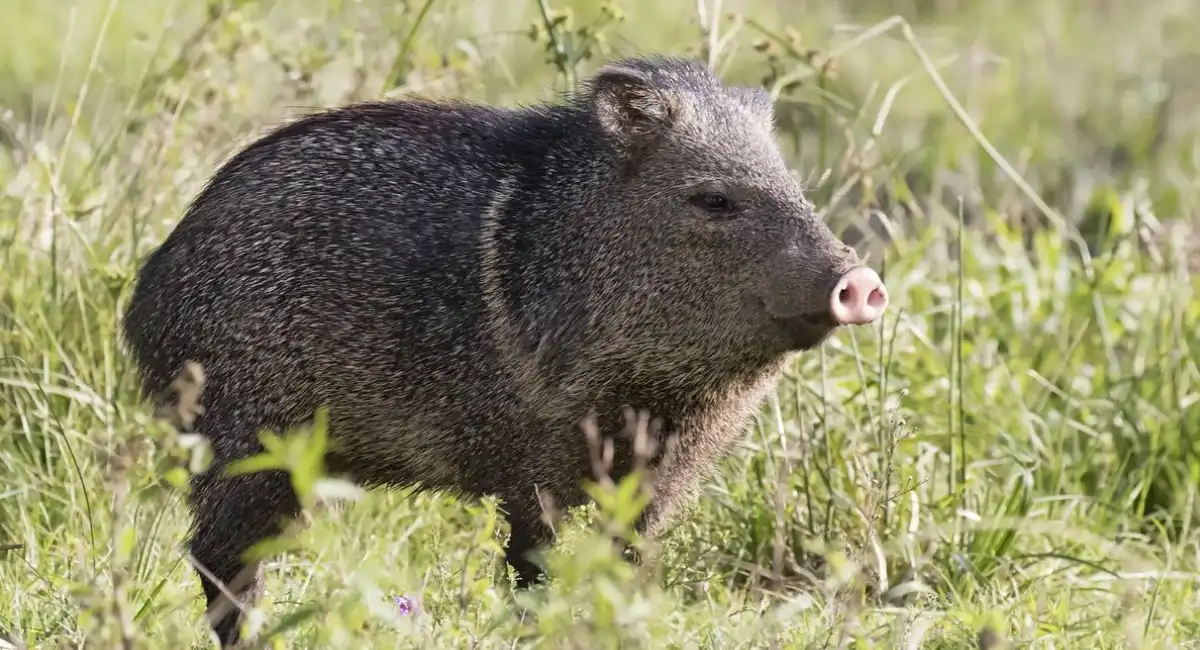
Javelina (Collared Peccary)
Scientific Name: Pecari tajacu
Class: Mammalia
Diet: Omnivore
Habitat: Deserts, scrublands, thorn forests, and grasslands of the Americas
Javelinas, or collared peccaries, are fascinating creatures that thrive in arid environments where cacti are abundant. These omnivorous mammals possess strong jaws and sharp teeth, perfectly designed for tackling the tough exterior of cacti. Their constant foraging puts them among the desert’s heartiest eaters much like other animals that eat a lot to sustain their energy needs in tough habitats.
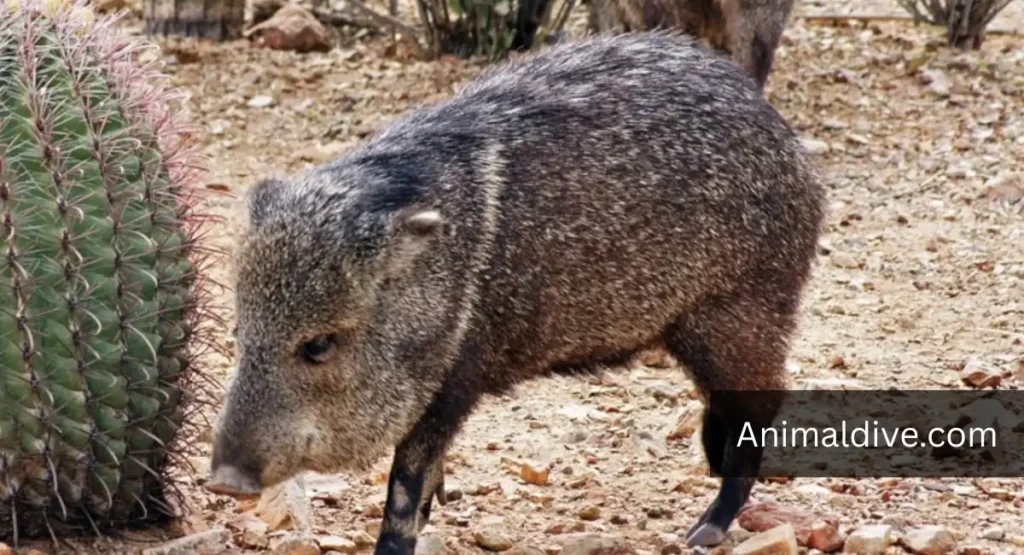
These animals have a unique relationship with cacti; they navigate the spines with skill, often consuming the pads and fruit while leaving the tougher parts behind. Interestingly, as javelinas traverse their desert terrains, they act as inadvertent gardeners by spreading cactus seeds throughout the ecosystem, thus promoting plant regeneration and growth.
Desert Tortoise
Scientific Name: Gopherus agassizii
Class: Reptilia
Diet: Herbivore
Habitat: Mojave and Sonoran Deserts
The desert tortoise is a remarkable survivor, adept at living in the rugged heat of North America’s deserts. One of its main food sources includes the fleshy pads and fruits of cacti. The tortoise’s beak-like mouth allows it to easily nibble on these spiny delicacies, providing essential hydration and nutrients that sustain it through the scorching summers.
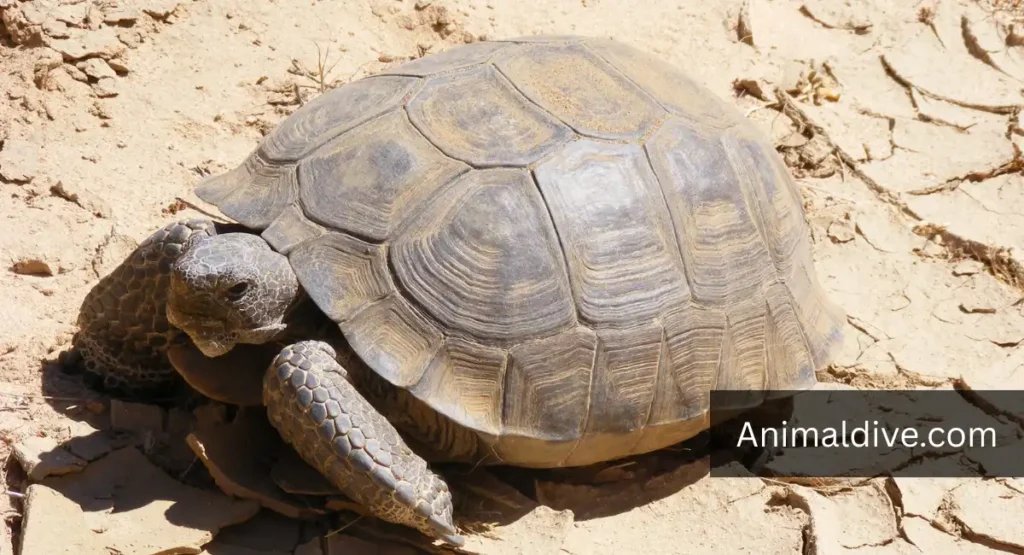
These tortoises play an essential role in the ecosystem by consuming cacti and also facilitating seed dispersal through their droppings. This behavior aids in the proliferation of cactus species and maintains biodiversity in their arid landscapes. Their ability to thrive on such specialized diets highlights the interconnectedness of desert life and the adaptive strategies these animals employ to survive.
Jackrabbit
Scientific Name: Lepus californicus (Black-tailed Jackrabbit)
Class: Mammalia
Diet: Herbivore
Habitat: Deserts, grasslands, and open plains
Jackrabbits, known for their impressive speed and keen survival skills, are frequently spotted nibbling on cacti in their natural habitats. They show a particular fondness for the tender pads and fruit of the prickly pear, which offers them hydration and vital nutrients.
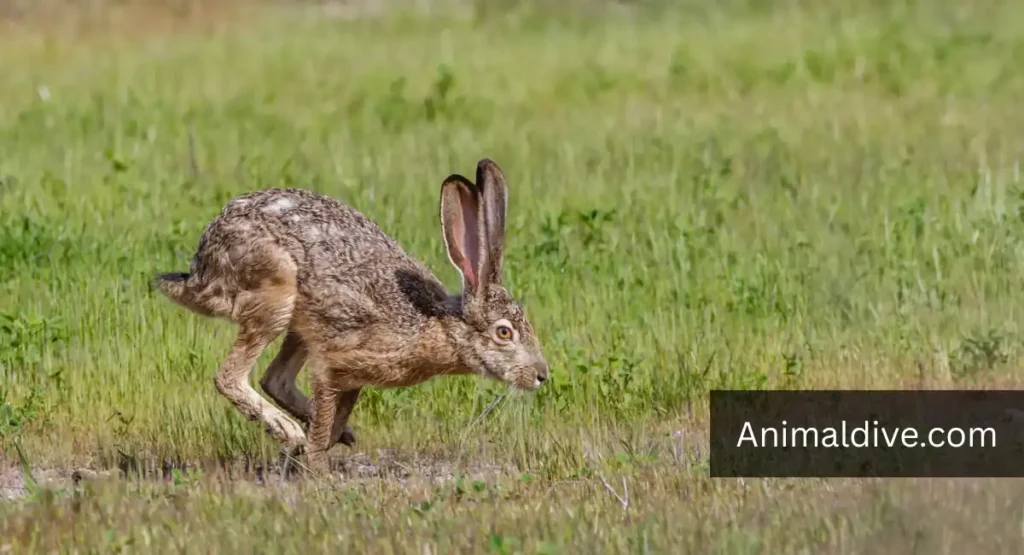
These agile herbivores have an interesting way of feeding, often consuming cactus parts at dawn or dusk to minimize exposure to predators. Interestingly, they have learned to avoid the sharp spines, using their dexterous teeth to carefully select what to munch on.
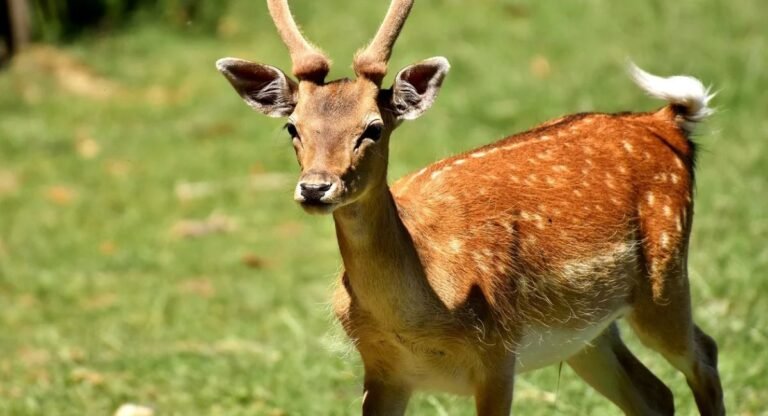
Mule Deer
Scientific Name: Odocoileus hemionus
Class: Mammalia
Diet: Herbivore
Habitat: Forests, deserts, shrublands, and mountains
Mule deer are remarkable grazers whose diets evolve with their environment, often including various species of cacti. These deer have a unique ability to consume the prickly pads and fruits, deftly navigating the spines with their strong molars. Beyond cacti, what deer eat changes dramatically by season, ranging from tender shoots in spring to woody browse in winter.
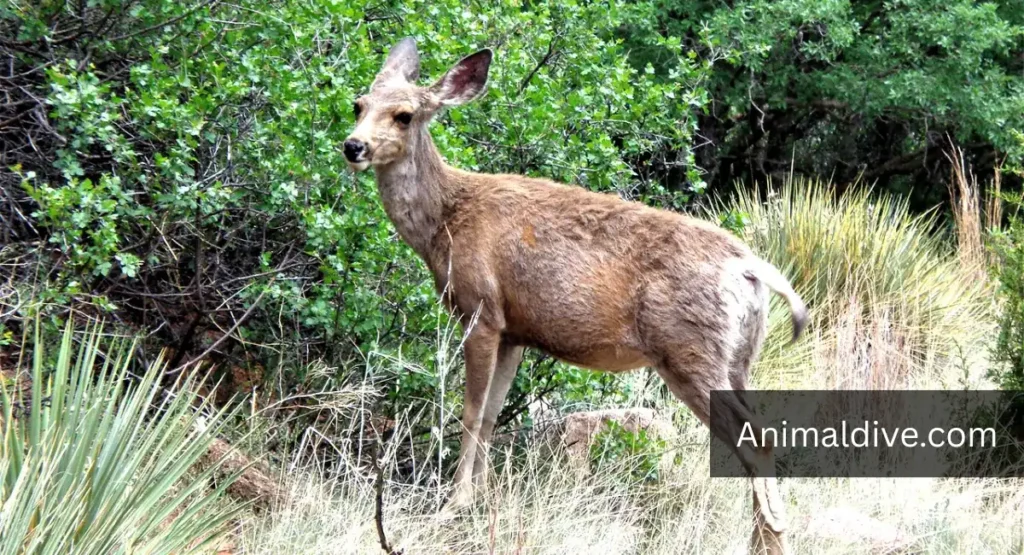
Their foraging habits also promote the growth of surrounding flora, as they inadvertently aid in the dispersal of cactus seeds while feeding. Observing mule deer in the wild reveals an intricate connection between these magnificent animals and their plant companions, emphasizing how the desert’s inhabitants depend on each other for survival.
White-tailed Deer
Scientific Name: Odocoileus virginianus
Class: Mammalia
Diet: Herbivore
Habitat: Forests, woodlands, grasslands, and desert edges
White-tailed deer are known for their versatility in diet, and they occasionally indulge in the prickly offerings of cacti, especially during arid seasons. Their ability to consume cactus can be attributed to their strong digestion, enabling them to extract moisture and essential nutrients from these spiny plants.
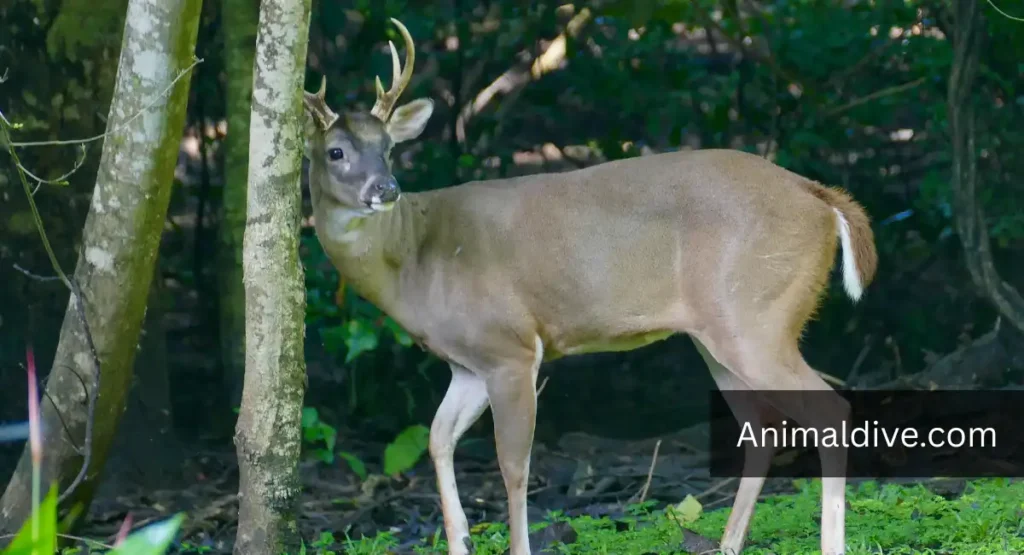
White-tailed deer aid in the ecological balance by helping to control cactus populations and facilitating seed dispersal. By munching on the pads and fruits, they play a role in the regenerative cycle of cacti, allowing new plants to grow in the ecosystem.
Pack Rat
Scientific Name: Neotoma spp.
Class: Mammalia
Diet: Herbivore (occasionally Omnivore)
Habitat: Deserts, rocky hillsides, and shrublands
Pack rats, or woodrats, are cunning little scavengers that thrive in arid regions filled with cacti. Their diverse diet often includes feeds on the fleshy parts and fruits of various cactus species, which provide them with necessary hydration and sustenance. Like other North American rodents such as marmots, pack rats have adapted resourceful survival strategies suited to their harsh environments.
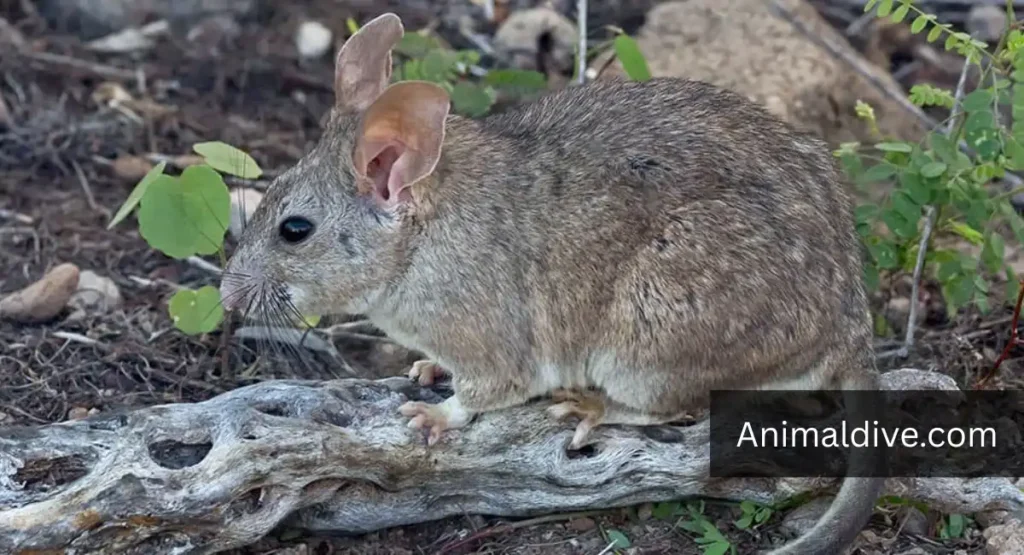
Pack rats play a unique ecological role by collecting bits of cactus and other flora to construct their nests. This behavior not only provides them shelter but also helps create microhabitats for other desert species. By utilizing cacti in their nesting materials, pack rats contribute to the cycling of nutrients and the overall health of their ecosystems, demonstrating the intricate relationships that bind desert life.
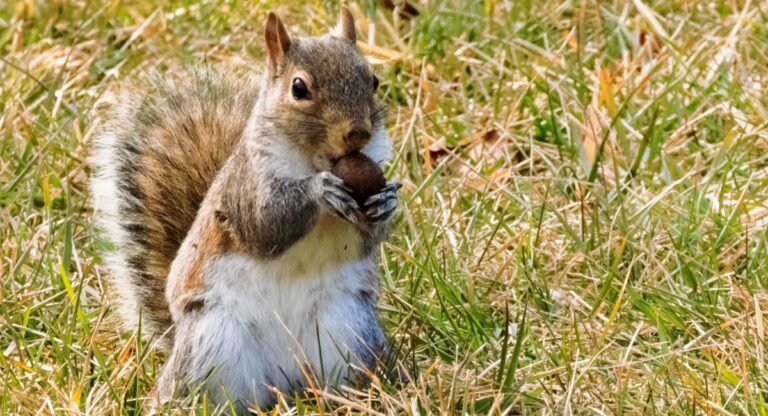
Ground Squirrel
Scientific Name: Spermophilus spp.
Class: Mammalia
Diet: Omnivore
Habitat: Deserts, grasslands, and open woodlands
Ground squirrels, with their playful nature, are key players in the desert’s ecology and are often spotted munching on cacti. Their preference for the juicy pads and fruits of prickly pear cacti presents an important adaptation, especially in the arid landscape where moisture can be hard to find. Cactus is just one part of their varied diet, though what ground squirrels typically eat spans seeds, insects, and other vegetation depending on the season.
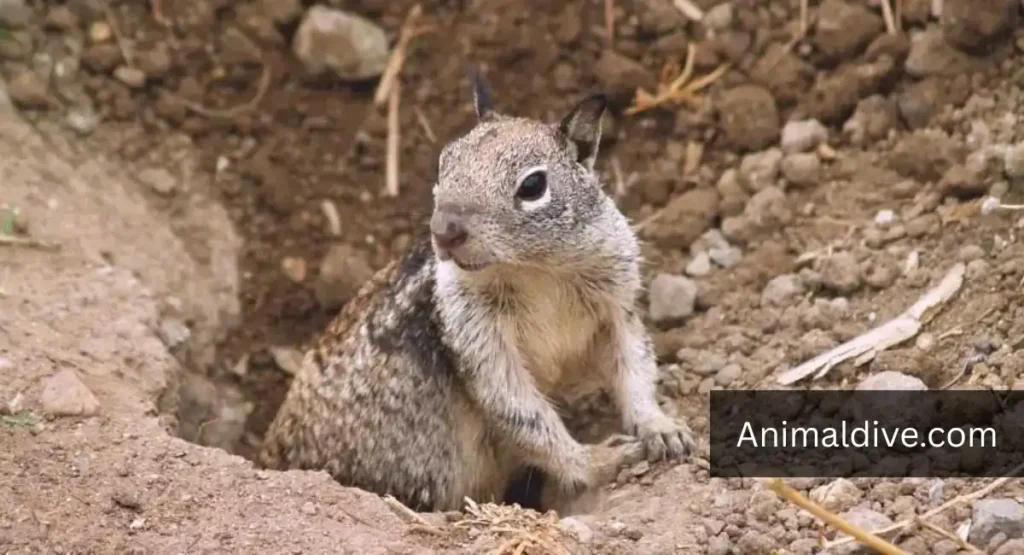
Ground squirrels play a vital role in seed dispersal, as they inadvertently spread the seeds of the cacti they consume. This interaction not only aids in the propagation of cactus species but also supports the greater desert ecosystem by encouraging plant diversity.
Cactus Wren
Scientific Name: Campylorhynchus brunneicapillus
Class: Aves
Diet: Omnivore
Habitat: Sonoran, Mojave, and Chihuahuan Deserts
The cactus wren is a distinctive bird that has a profound connection to its desert environment, particularly with the cacti that provide sustenance and shelter. Known for its distinctive call, this bird feeds on the fruits and seeds of cacti, finding in them a reliable source of hydration and nutrition essential for its survival. The cactus wren’s slender beak is perfectly adapted for peeling away spines to access these valuable resources.
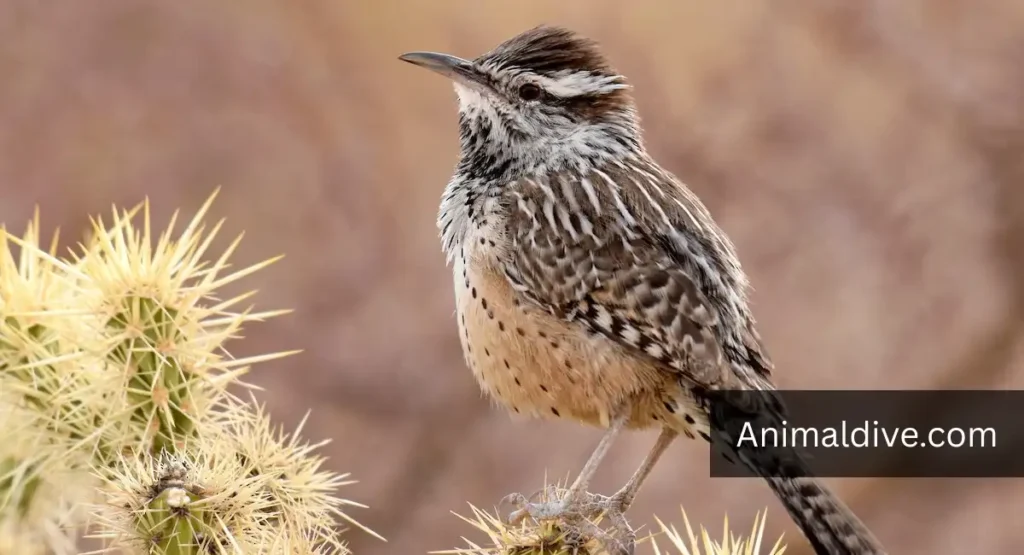
These birds often build their nests in dense cactus patches, using the spines for protection against predators. This strategic choice not only provides safety for their young but also reinforces the importance of cacti in the ecosystem as a habitat facilitator.
Kangaroo Rat
Scientific Name: Dipodomys spp.
Class: Mammalia
Diet: Herbivore (Seeds and Plants)
Habitat: Arid deserts and sandy scrublands
Kangaroo rats, renowned for their incredible adaptations to desert life, often include cacti in their varied diet. These small but nimble creatures deftly consume the pads and seeds, benefiting from the hydration and nutrients that cacti provide. Their specialized kidneys allow them to thrive on minimal water intake, making cacti a crucial food source during times of drought.
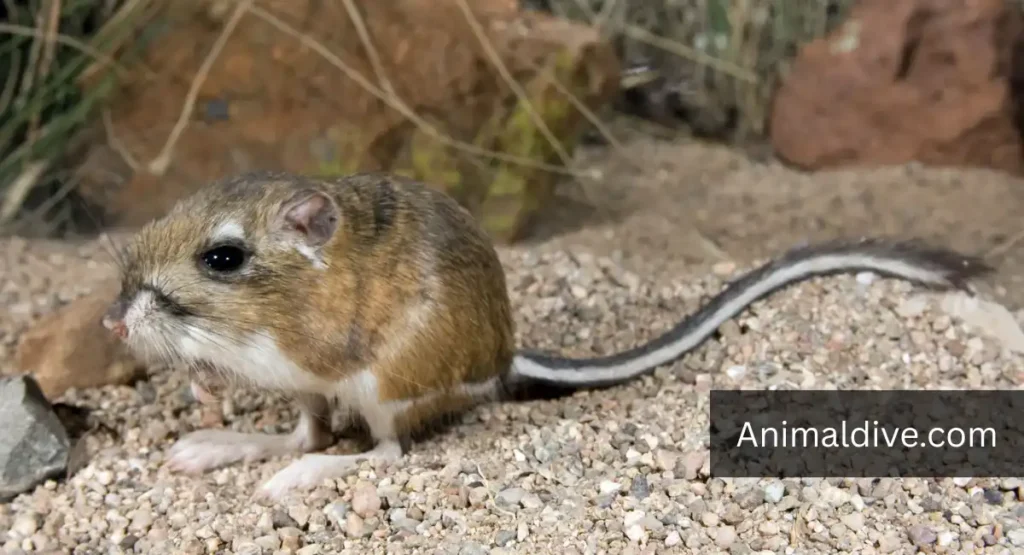
Kangaroo rats contribute to the health of desert ecosystems by helping disperse cactus seeds through their foraging activities. When they eat the seeds, they inadvertently plant them across their vast territories, encouraging new growth in disturbed areas.
Bighorn Sheep
Scientific Name: Ovis canadensis
Class: Mammalia
Diet: Herbivore
Habitat: Rocky mountains and desert canyons
Bighorn sheep are impressive mammals that expertly navigate rugged terrains in search of food, and occasionally, they turn to cacti for sustenance. Their strong, tough mouth parts allow them to munch on the pads and flowering fruits of prickly pear cacti, especially during the dry summer months when other vegetation is sparse.
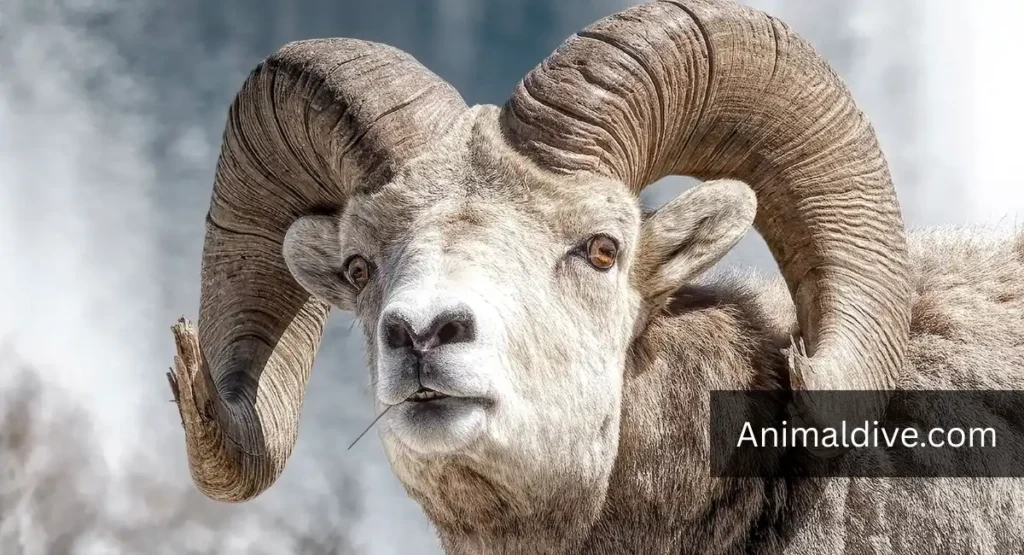
Their feeding habits contribute to the ecological balance within desert ecosystems, as they also help manage cactus growth. By grazing on cacti, bighorn sheep ensure that these plants do not dominate the landscape, promoting a diverse range of flora.
Gila Woodpecker
Scientific Name: Melanerpes uropygialis
Class: Aves
Diet: Omnivore
Habitat: Sonoran Desert and cactus forests
The Gila woodpecker is a fascinating bird known for its remarkable relationship with cacti, particularly the saguaro. These woodpeckers create cavities in the cactus for nesting, taking advantage of the cactus’s soft inner tissue to do so. Additionally, they feed on the fruits and seeds, making them an integral part of the desert ecosystem.
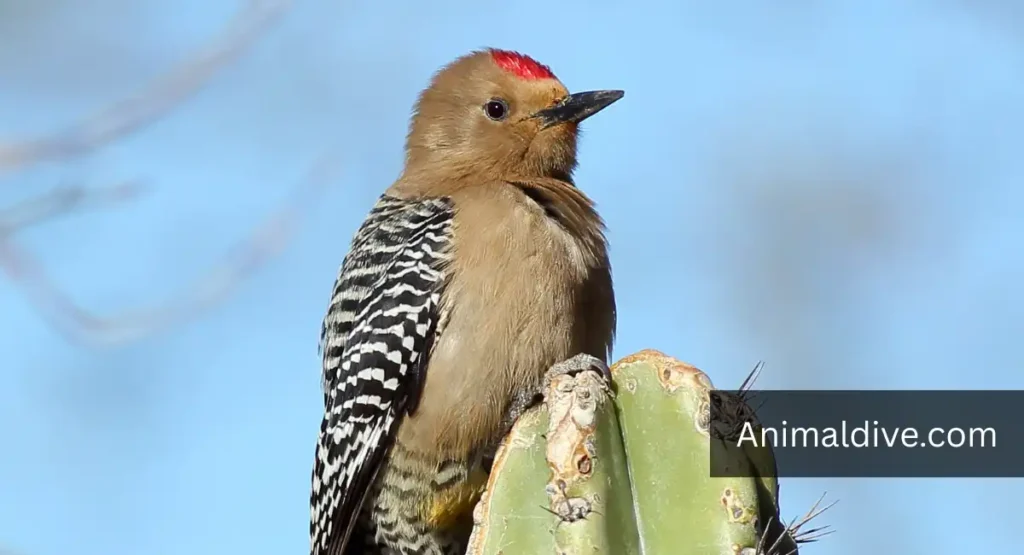
Their feeding behaviors benefit not only themselves but also other desert wildlife, creating nesting opportunities for various species that take refuge in these cavities once the woodpecker has abandoned them.
Desert Iguana
Scientific Name: Dipsosaurus dorsalis
Class: Reptilia
Diet: Herbivore
Habitat: Southwestern U.S. and Mexican deserts
Desert iguanas are uniquely adapted reptiles that thrive in the hot, arid climates of the southwestern United States. They are particularly fond of consuming various species of cacti, relishing the soft pads and fruits that provide them with moisture and nourishment. Their ability to digest the tough fibrous material demonstrates their specific adaptations tailored to desert life.
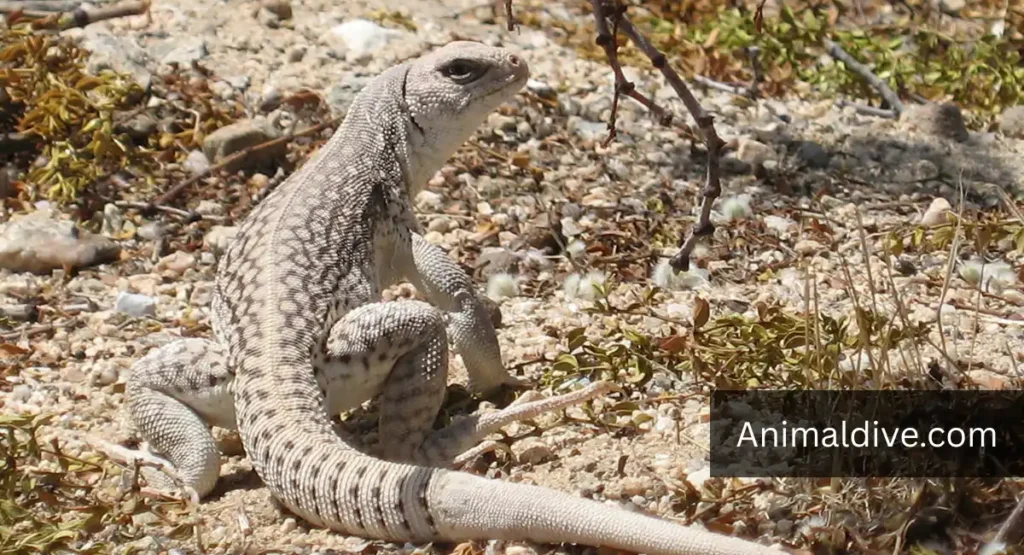
These iguanas play a crucial role in their ecosystem through seed dispersal. As they consume cactus fruits, they help spread seeds, contributing to the growth of new plants across the desert landscape. This mutualism informs us of the essential relationships that sustain habitats, and emphasizes the importance of understanding the ecological impact of each species involved.
Antelope Jackrabbit
Scientific Name: Lepus alleni
Class: Mammalia
Diet: Herbivore
Habitat: Sonoran Desert and desert grasslands
They primarily feast on tender pads and fruits, cleverly navigating the spiny defenses of the cactus. This specialized feeding behavior allows them to thrive in an environment where moisture is scarce and reliable food sources are critical for survival.
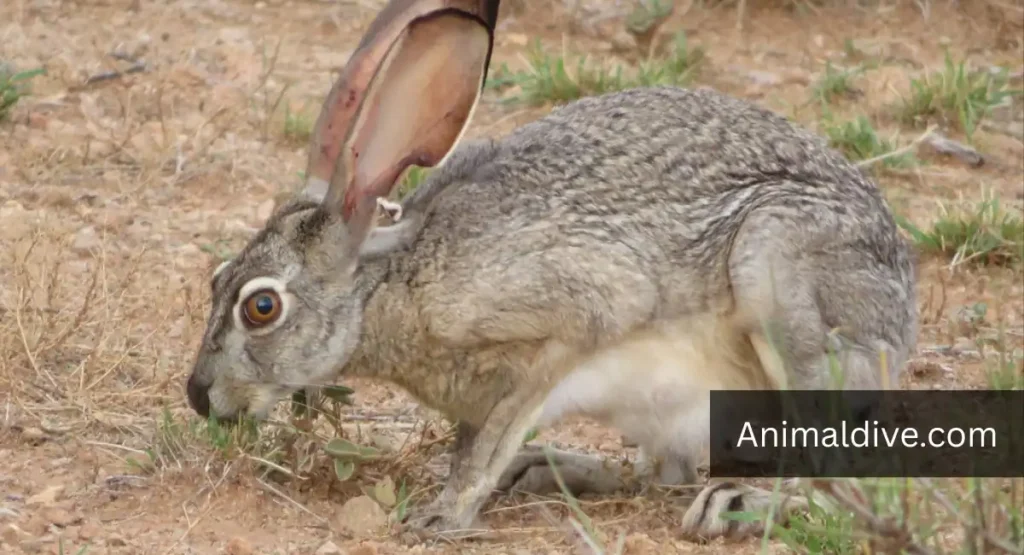
Their presence contributes to the dynamic balance of the desert ecosystem, showcasing the intricate relationships between animals and plants. The antelope jackrabbit’s interactions with cacti further underline the remarkable resilience of life in arid climates.
Pronghorn
Scientific Name: Antilocapra americana
Class: Mammalia
Diet: Herbivore
Habitat: Grasslands, prairies, deserts, and shrublands
Pronghorns are renowned for their incredible speed and endurance, roaming the open plains and desert landscapes of North America. These herbivorous grazers occasionally feed on cacti, particularly during dry spells when other forage is scarce. Their unique digestive systems allow them to extract vital nutrients from the spiny pads and fruits, making cacti an important resource in their diet.
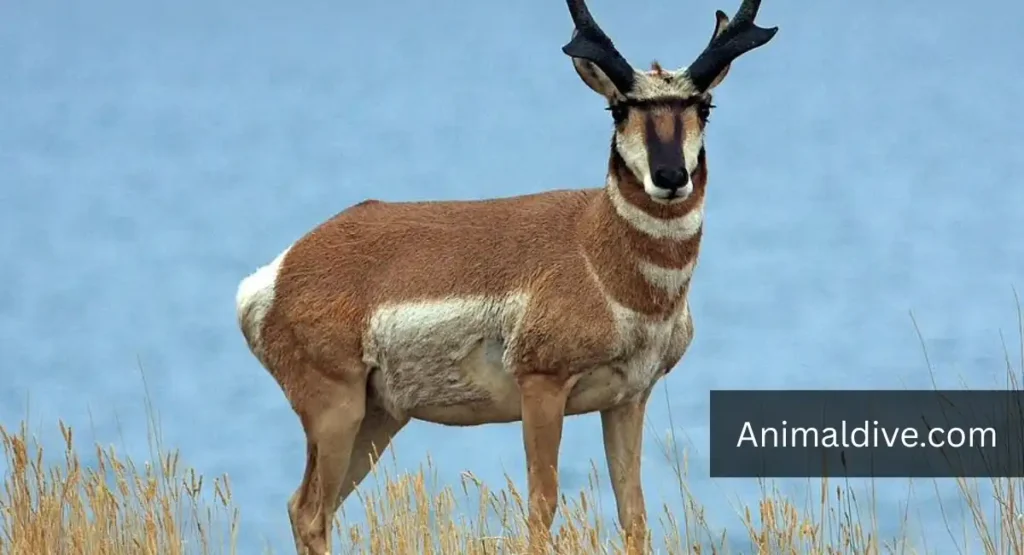
Pronghorns play a role in maintaining the health of their habitats through their feeding strategies. By selectively grazing on cacti, they contribute to the balance of plant communities, preventing any one species from dominating the landscape.
Coyote
Scientific Name: Canis latrans
Class: Mammalia
Diet: Omnivore
Habitat: Deserts, forests, grasslands, and urban areas
The coyote is a resilient predator known for its adaptability in various habitats, including deserts where cacti thrive. While primarily carnivorous, coyotes often incorporate plant matter into their diets, including the fleshy pads and fruits of cacti.
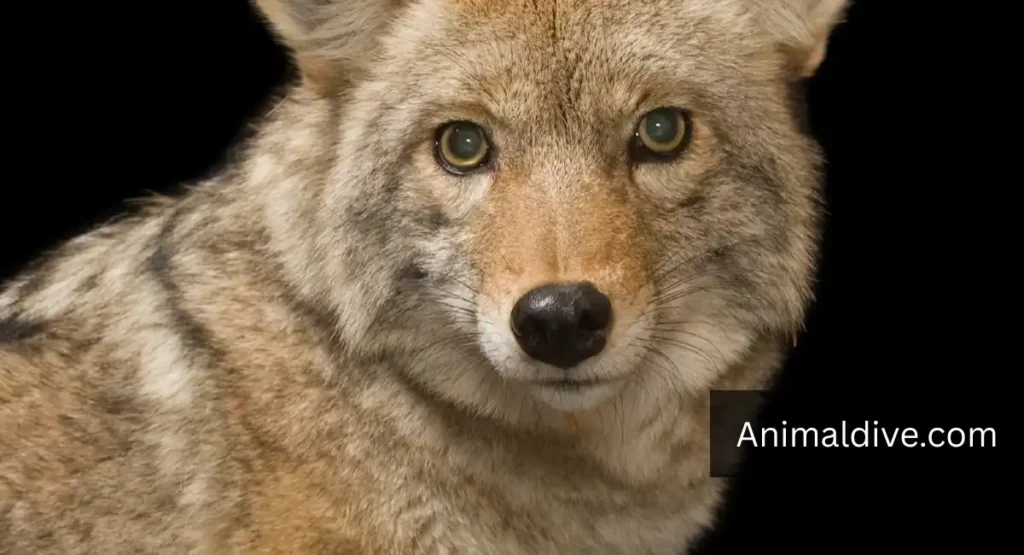
The coyote’s foraging behavior aids in the seed dispersal of cacti, as they drop seeds while consuming their meals. By encouraging the growth of cactus populations, coyotes contribute to the dynamism of their desert ecosystems.
Harris’s Antelope Squirrel
Scientific Name: Ammospermophilus harrisii
Class: Mammalia
Diet: Omnivore
Habitat: Sonoran Desert and rocky desert regions
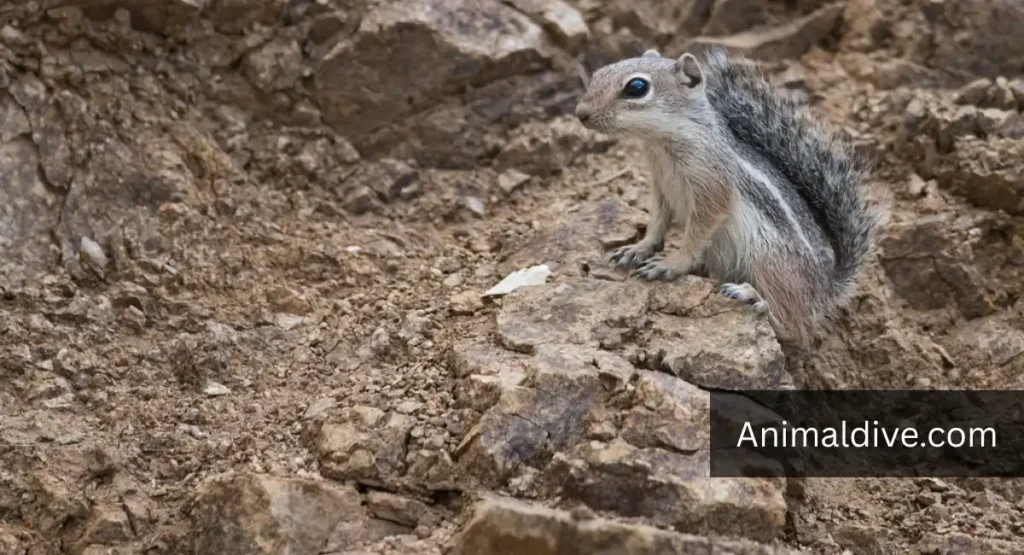
Harris’s antelope squirrel is a small, nimble rodent found in the deserts of the southwestern United States, often making cacti a significant part of its diet. These squirrels thrive on the pads and fruits of various cacti, consuming moisture-rich foods that are vital for survival in their arid environments.
Harris’s antelope squirrels play a significant role in seed dispersal, further contributing to the health of their habitats. As they nibble on cactus fruits, they often leave behind the seeds, which can sprout into new plants, helping maintain desert biodiversity.
Desert Animals That Eat Cactus
Many desert animals rely on cacti as an important source of food and water, especially during long dry seasons. These cactus-eating animals include mammals, birds, and reptiles that have evolved special adaptations to consume thorny plants safely.
Mammals That Eat Cactus
| Animal | Scientific Name | Class | Diet |
| Javelina (Collared Peccary) | Pecari tajacu | Mammalia | Omnivore |
| Jackrabbit | Lepus californicus | Mammalia | Herbivore |
| Mule Deer | Odocoileus hemionus | Mammalia | Herbivore |
| White-tailed Deer | Odocoileus virginianus | Mammalia | Herbivore |
| Pack Rat | Neotoma spp. | Mammalia | Herbivore |
| Ground Squirrel | Spermophilus spp. | Mammalia | Omnivore |
| Kangaroo Rat | Dipodomys spp. | Mammalia | Herbivore |
| Bighorn Sheep | Ovis canadensis | Mammalia | Herbivore |
| Antelope Jackrabbit | Lepus alleni | Mammalia | Herbivore |
| Pronghorn | Antilocapra americana | Mammalia | Herbivore |
| Coyote | Canis latrans | Mammalia | Omnivore |
| Harris’s Antelope Squirrel | Ammospermophilus harrisii | Mammalia | Omnivore |
Birds That Eat Cactus
| Animal | Scientific Name | Class | Diet |
| Cactus Wren | Campylorhynchus brunneicapillus | Aves | Omnivore |
| Gila Woodpecker | Melanerpes uropygialis | Aves | Omnivore |
Reptiles That Eat Cactus
| Animal | Scientific Name | Class | Diet |
| Desert Tortoise | Gopherus agassizii | Reptilia | Herbivore |
| Desert Iguana | Dipsosaurus dorsalis | Reptilia | Herbivore |
Why Is Cactus Important For Desert Animals?
Cacti serve as a crucial water source for desert animals, providing hydration through their succulent tissues. This natural reservoir is particularly vital during dry spells, allowing species like quails and bighorn sheep to thrive despite extreme arid conditions.
The fruits and flowers of cacti offer not just sustenance but also a vibrant array of nutrients that support diverse wildlife populations. Animals such as rodents and insects depend on these seasonal offerings, playing an essential role in pollination and seed dispersal.
How Do Animals Eat Spiny Cactus Without Getting Hurt?
Animals that consume spiny cactus have evolved remarkable adaptations to safely devour these prickly plants. With their thick lips and tough mouths, creatures like the desert tortoise and certain rodents can grip and pull off cactus pads without injuring themselves. Sharp teeth play a crucial role in slicing through the flesh of the cactus, allowing them to access the moisture and nutrients stored within.
These animals have developed unique digestive systems to handle the challenging fibers of cactus. Many species avoid the spines entirely, opting for softer, less prickly parts or using specialized techniques to maneuver around the thorns.
Interesting Facts About Animals That Eat Cactus
Animals that eat cactus have developed remarkable adaptations to thrive in their arid habitats.
- Many species of tortoises, like the Gopher Tortoise, munch on cactus pads, using their strong jaws to crush the spines before eating.
- The diverse diet of the desert iguana includes cacti, providing essential moisture in arid environments.
- Cactus wrens build their nests in prickly cacti, relying on the plant for shelter as well as sustenance.
- Some birds, like the Harris’s hawk, have been observed eating cactus fruit, extracting nutritious seeds for energy.
- The long-nosed bat plays a crucial role in the ecosystem by pollinating flowering cacti while feasting on nectar.
- Certain species of beetles, such as the cactus-loving cochineal, thrive exclusively on cactus, showcasing specialized adaptations.
- The Foraging Agave Snout Weevil consumes cactus tissues, contributing to the plant’s growth cycle through natural pruning.
- Javelinas, or collared peccaries, are known to uproot and consume cacti, demonstrating their ability to adapt to rugged landscapes.
Conclusion
The diverse array of animals that eat cactus highlights the incredible adaptability of life in desert climates. These animals, which include both herbivores and opportunistic feeders, illustrate the resourcefulness required to survive in landscapes where food can be scarce.
Exploring what eats cacti reveals the interconnectedness of desert ecosystems and the vital roles each species plays. Let’s continue to study these remarkable creatures, and we gain insight into the fragile balance of life in arid regions.
FAQs
What Are the Predators of Cactus?
Many animals eat cactus, including javelinas, jackrabbits, desert tortoises, deer, coyotes, and desert iguanas. They feed on cactus pads, fruits, and flowers for water and nutrients.
What Is Eating My Cactus at Night?
Rabbits, pack rats, mice, slugs, snails, and javelinas commonly eat cacti at night. Bite marks, droppings, or slime trails can help identify the culprit.
What Animals Are Attracted to Cactus?
Javelinas, desert tortoises, jackrabbits, ground squirrels, cactus wrens, and deer are attracted to cacti. They rely on cactus for food and hydration in dry desert habitats.
What Kills Cactus Naturally?
Root rot from overwatering is the most common natural cause of cactus death. Frost, fungal diseases, and severe pest damage can also kill healthy cacti.
What Wild Animals Eat Cactus?
Wild animals that eat cactus include javelinas, jackrabbits, mule deer, bighorn sheep, pack rats, coyotes, desert tortoises, and desert iguanas. These animals have adapted to feed on thorny cactus plants.