Top 20 Dirtiest Animals In The World (With Pictures, Facts & Why They’re So Dirty)
Nature is filled with creatures that challenge our perceptions of cleanliness, particularly those that are classified as the Dirtiest Animals in the World. The reality of what is the dirtiest animal in the world might surprise you, as some of these dirty animals have unique reasons for their unsanitary behaviors.
Let’s explore the top 20 dirtiest animals in the world, providing captivating facts and striking images. By exploring their dirtiness, we’ll reveal the important roles these animals play in their ecosystems and why they deserve our attention.
Why Are Some Animals Considered Dirty?
Animals considered “dirty” often find themselves in the spotlight due to their association with mud, waste, and parasites. For example, many mammals like pigs and hippos wallow in mud, not just for comfort but also to regulate body temperature and protect their skin from parasites.
Similarly, scavengers such as vultures and raccoons often feed on waste, showcasing nature’s recycling system. Their habitats may seem unkempt or unpalatable to human eyes, but these environments are rich ecosystems buzzing with life, serving as crucial habitats for various microorganisms.
List Of The Top 20 Dirtiest Animals In The World
| No. | Animal | Scientific Name | Class | Diet |
| 1 | Pig | Sus scrofa domesticus | Mammalia | Omnivore |
| 2 | Cockroach | Periplaneta americana | Insecta | Omnivore |
| 3 | Rat | Rattus norvegicus | Mammalia | Omnivore |
| 4 | Housefly | Musca domestica | Insecta | Omnivore |
| 5 | Pigeon | Columba livia | Aves | Omnivore |
| 6 | Vulture | Gyps spp. | Aves | Carnivore (Scavenger) |
| 7 | Hyena | Crocuta crocuta | Mammalia | Carnivore |
| 8 | Raccoon | Procyon lotor | Mammalia | Omnivore |
| 9 | Wild Boar | Sus scrofa | Mammalia | Omnivore |
| 10 | Hippopotamus | Hippopotamus amphibius | Mammalia | Herbivore |
| 11 | Dung Beetle | Scarabaeinae | Insecta | Coprophagous |
| 12 | Crow | Corvus brachyrhynchos | Aves | Omnivore |
| 13 | Cape Buffalo | Syncerus caffer | Mammalia | Herbivore |
| 14 | American Bison | Bison bison | Mammalia | Herbivore |
| 15 | Sloth | Bradypus variegatus | Mammalia | Herbivore |
| 16 | Frog | Lithobates catesbeianus (representative) | Amphibia | Carnivore |
| 17 | Turkey Vulture | Cathartes aura | Aves | Carnivore (Scavenger) |
| 18 | Earthworm | Lumbricus terrestris | Clitellata | Detritivore |
| 19 | Blow Fly | Calliphora vicina | Insecta | Omnivore |
| 20 | Seagull | Larus argentatus | Aves | Omnivore |
Pig
Scientific Name: Sus scrofa domestica
Class: Mammalia
Diet: Omnivore
Habitat: Farms, forests, grasslands
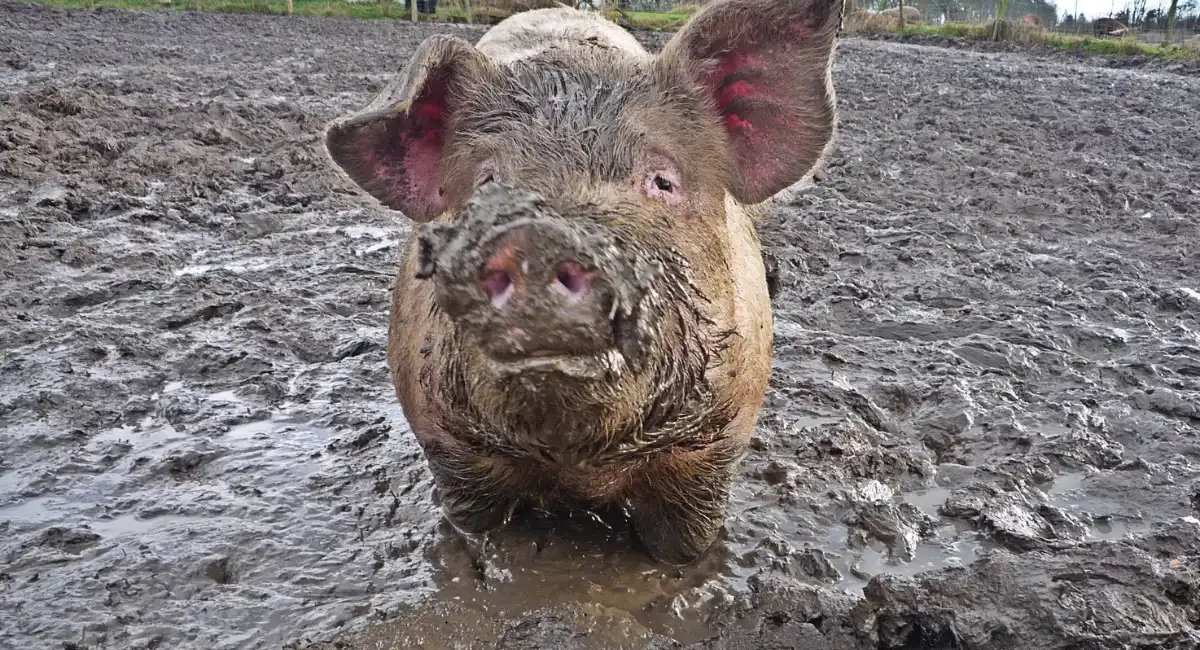
Pigs have earned a notorious reputation as some of the dirtiest animals in the world, often associated with mud and grime. However, this mud-bathing behavior serves a vital purpose: it regulates their body temperature and offers protection against parasites.
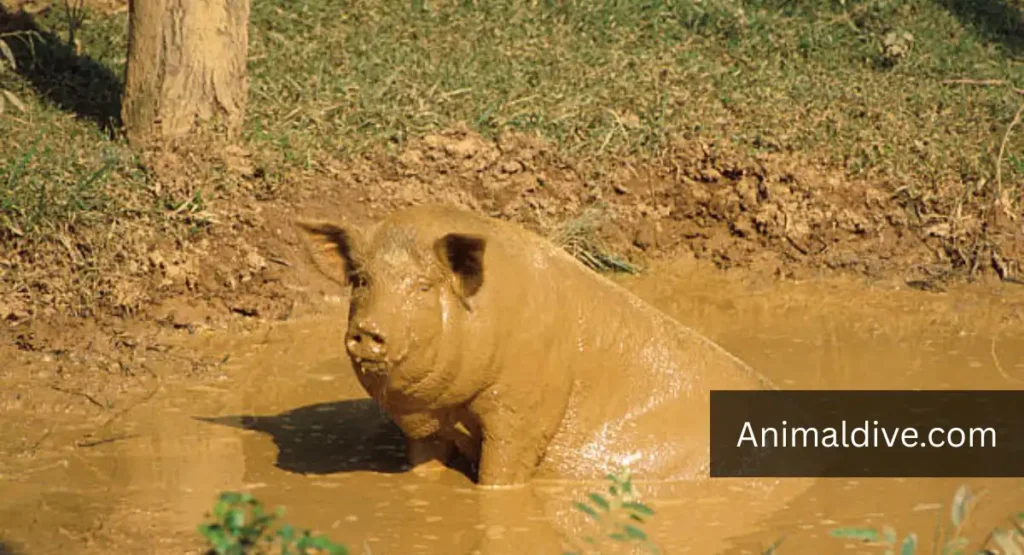
Apart from their cleanliness habits, pigs display a high level of intelligence, often solving complex problems and communicating using a range of vocalizations. Their foraging behavior can lead to the unearthing of various goodies in the soil, which further enhances their reputation as ‘dirty’ foragers.
For a different perspective, check out the cleanest animals in the world and see how they compare to the grimy creatures on this list.
Cockroach
Scientific Name: Blattodea
Class: Insecta
Diet: Omnivore
Habitat: Urban areas, damp places
Cockroaches are the quintessential symbols of uncleanliness, thriving in environments rich with waste. Known for their resilience, they prefer dark, damp spaces often associated with human habitation, ranging from kitchens to basements.
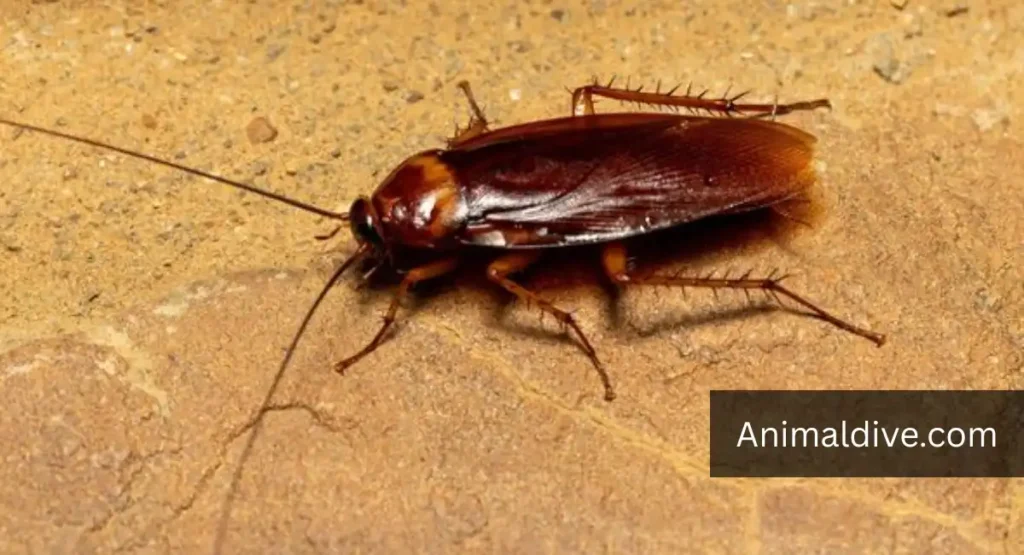
Cockroaches are not just pests; they play a role in the ecosystem by breaking down organic matter. They can consume a wide range of materials, including paper, glue, and even soap. However, their presence is often unwelcome, as they can carry allergens and pathogens that pose health risks to humans.
Rat
Scientific Name: Rattus norvegicus
Class: Mammalia
Diet: Omnivore
Habitat: Urban areas, sewers, fields
Rats are often decried as some of the dirtiest animals in the world, primarily due to their ability to thrive in unsanitary conditions. They are known for scavenging dumpsters and alleyways, contributing to the spread of diseases like leptospirosis and hantavirus.
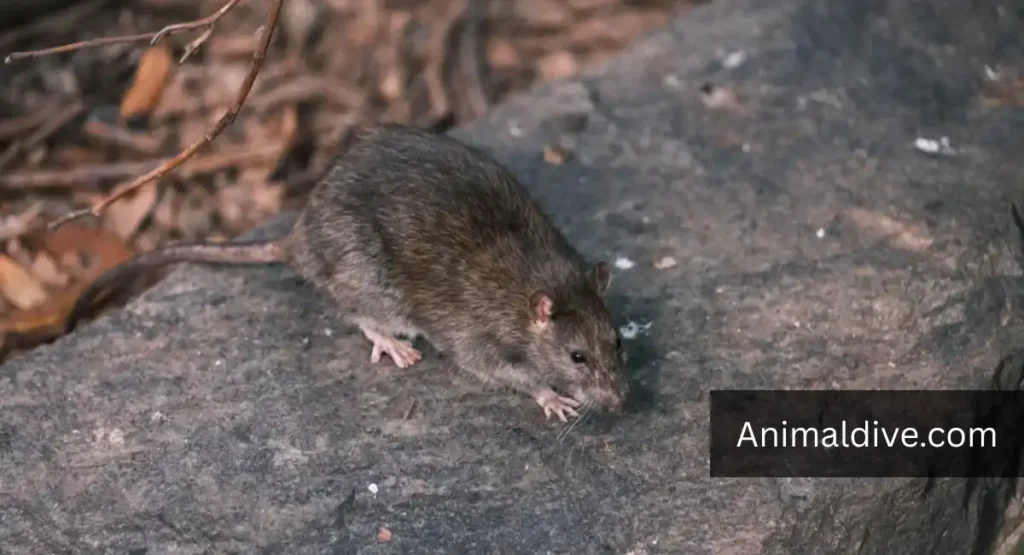
Despite their bad reputation, rats are highly social creatures that exhibit remarkable intelligence. They form strong familial bonds and are capable of navigating complex mazes, displaying cognitive abilities that rival those of some pets.
Housefly
Scientific Name: Musca domestica
Class: Insecta
Diet: Decaying matter, liquids
Habitat: Urban areas, farms
Houseflies are ubiquitous and are often considered amongst the dirtiest animals in the world due to their attraction to waste and decaying organic material. They frequently land on refuse before moving to food sources, thus acting as vectors for various pathogens, including bacteria and viruses.
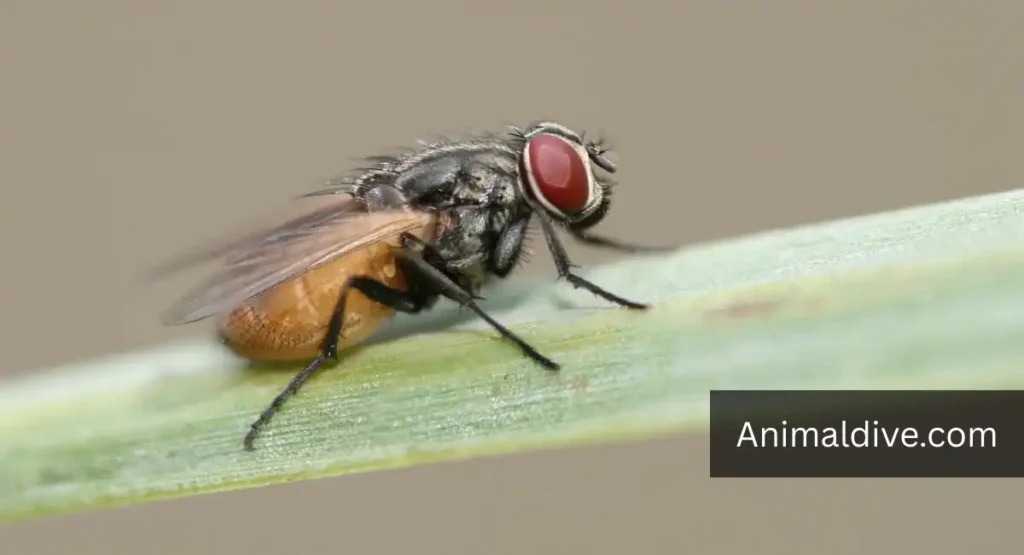
They reproduce quickly, with a life cycle that can span just a few weeks, contributing to their large populations in urban settings. Despite their unpleasant habits, houseflies demonstrate the intricate relationships in nature that balance decay and regeneration.
Pigeon
Scientific Name: Columba livia
Class: Aves
Diet: Seeds, fruits
Habitat: Urban areas, cliffs
Pigeons have developed a reputation as ‘flying rats,’ due to their prevalence in urban environments and their association with waste. They often forage in public spaces, consuming leftover food scraps and, unfortunately, leaving droppings that contribute to unsightly messes.
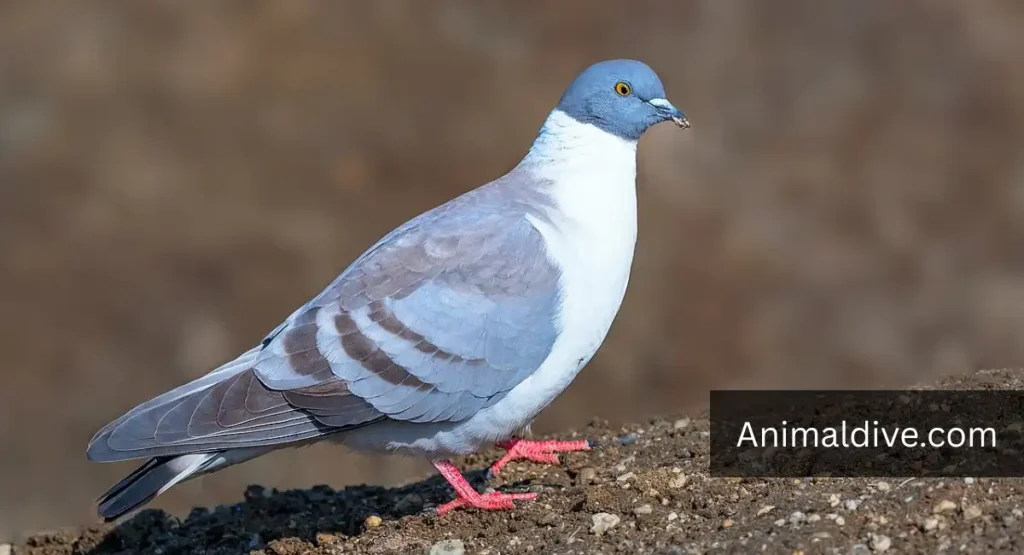
Pigeons are fascinating creatures with remarkable homing abilities. These birds can navigate and return to their homes from long distances, which has historically been harnessed for messaging and racing. Their social structures and communication methods also highlight a level of intelligence and community that is often overlooked, painting a fuller picture of these misunderstood avian inhabitants.
Vulture
Scientific Name: Accipitridae
Class: Aves
Diet: Carrion
Habitat: Open grasslands, deserts
Vultures are nature’s cleanup crew, and while they may fall under the category of the dirtiest animals in the world due to their scavenging habits, their ecological role is invaluable. Feeding primarily on carrion, these birds play a crucial part in preventing the spread of disease by consuming decaying animal remains. “Vultures aren’t alone in this role several other scavenger birds share similar adaptations for feeding on carrion safely.”
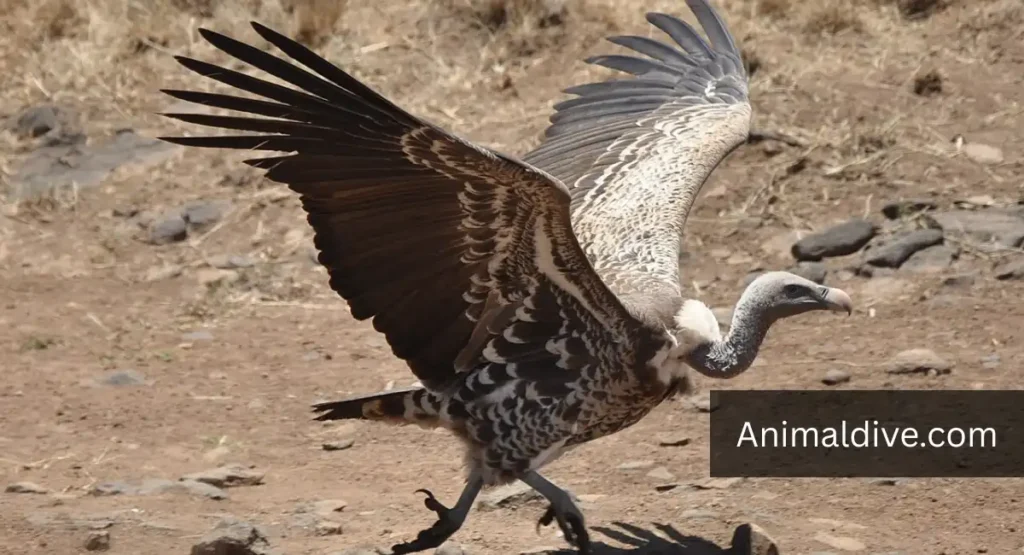
Their feeding habits may seem unglamorous, but vultures are equipped with highly specialized digestive systems that help them safely consume decaying flesh without falling ill. This adaptation is critical, as it allows them to thrive in environments where other scavengers might suffer.
Hyena
Scientific Name: Crocuta crocuta
Class: Mammalia
Diet: Carnivore
Habitat: Savannas, grasslands
Hyenas are often vilified as some of the dirtiest animals in the world, primarily due to their association with scavenging and their distinctive cackling calls that echo across the African savannah. These formidable hunters are often seen feasting on carcasses left behind by other large predators.
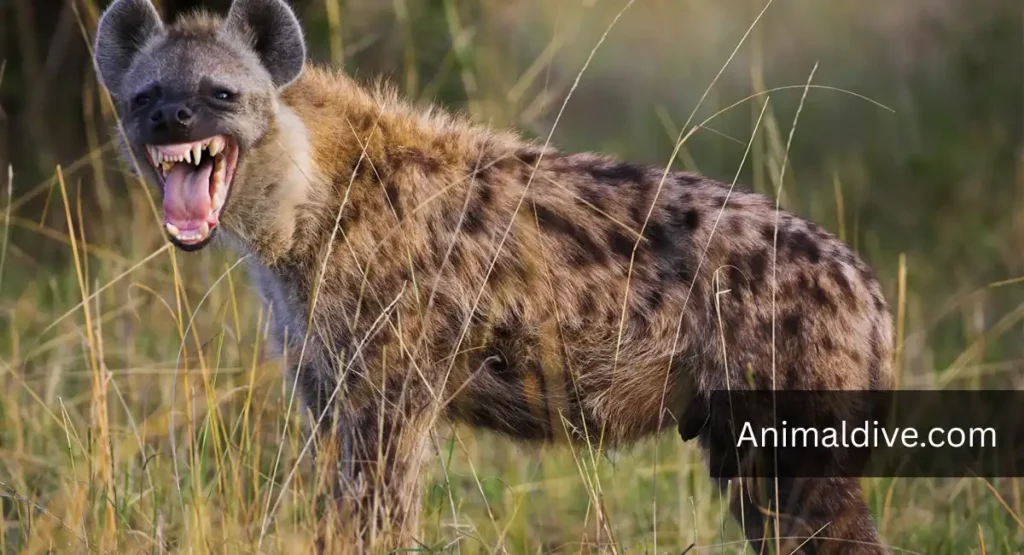
They possess powerful jaws and digestive systems capable of processing bones and sinew, reducing carcasses to nothing in a matter of hours. This not only highlights their role in the ecosystem as scavengers but also raises questions about our definitions of “dirtiness” in nature, revealing the intricate balance present in the wild.
Raccoon
Scientific Name: Procyon lotor
Class: Mammalia
Diet: Omnivore
Habitat: Urban areas, forests
Raccoons have become emblematic of urban wildlife, often rummaging through trash cans in search of food scraps, which earns them a place among the dirtiest animals in the world. Their dexterous paws allow them to open containers and lids, and this clever behavior has endeared them to some while annoying others.
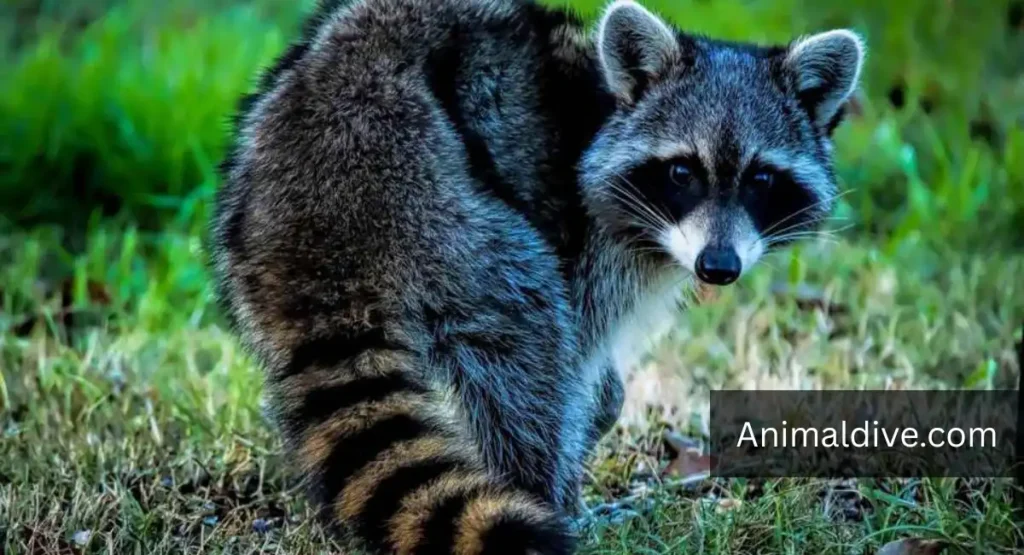
Raccoons are not merely pests; they are remarkably intelligent and curious animals. Their ability to remember solutions to tasks for at least three years demonstrates their cognitive prowess. This intelligence and adaptability, combined with their penchant for scavenging, paint them as both fascinating and frustrating creatures, challenging our perspectives on what it means to live in harmony with wildlife.
Wild Boar
Scientific Name: Sus scrofa
Class: Mammalia
Diet: Omnivore
Habitat: Forests, grasslands, farmlands
Wild boars epitomize the notion of dirtiness in the animal kingdom, often seen wallowing in mud for comfort and protection against parasites. Their penchant for digging through the forest floor to unearth roots, insects, and truffles further enhances their reputation as messy foragers.
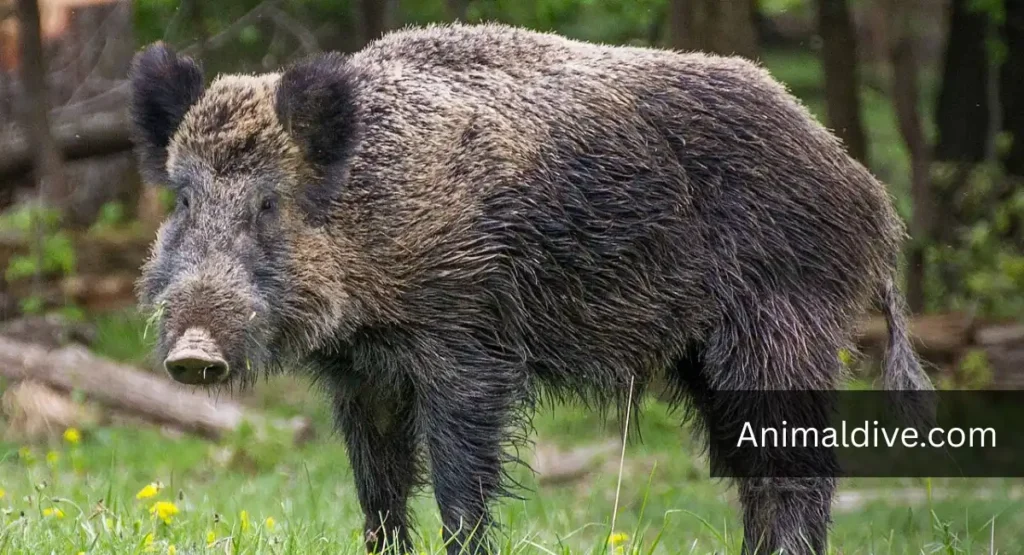
They can form family groups and communicate with each other through a variety of vocalizations. While their lifestyle may seem unglamorous, it underscores the complexities of animal behavior and the essential roles these ‘dirty’ animals play in maintaining environmental balance.
Hippopotamus
Scientific Name: Hippopotamus amphibius
Class: Mammalia
Diet: Herbivore
Habitat: Rivers, lakes
Often considered among the dirtiest animals in the world, hippopotamuses spend much of their day submerged in water to escape the sun’s rays, leading to a reputation for filthiness. Their massive size and territorial nature make them formidable creatures in their aquatic habitats.
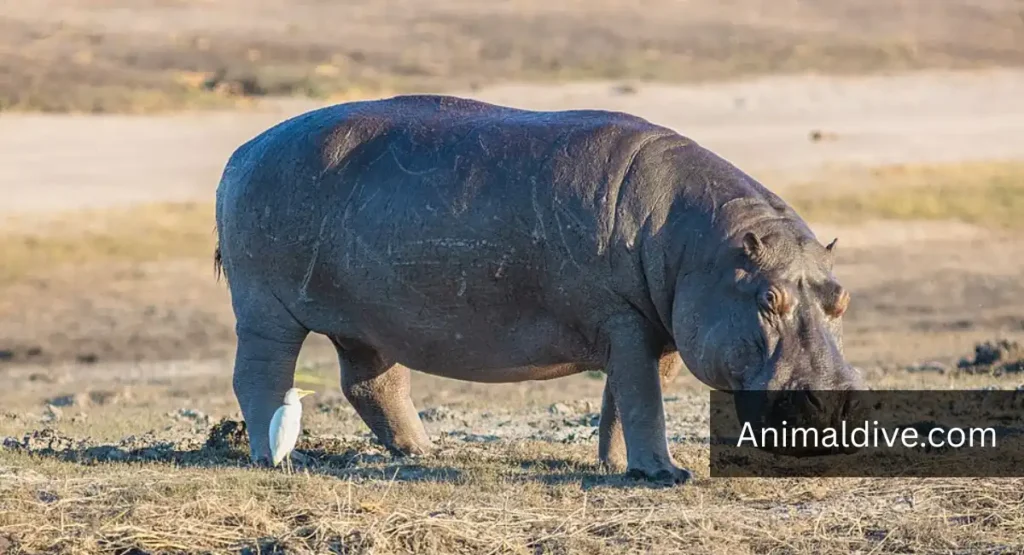
Hippos are fascinating animals with a highly social structure. They often congregate in large groups, known as pods, which aids in social cohesion and protection. Despite their rotund appearance, hippos possess surprising agility both in water and on land.
Dung Beetle
Scientific Name: Scarabaeidae
Class: Insecta
Diet: Dung
Habitat: Wide-ranging, from forests to grasslands
While dung beetles are undeniably some of the dirtiest animals in the world, their ecological importance is tremendous. These tiny creatures specialize in recycling animal waste, burrowing it into the ground, where it enriches the soil. By breaking down dung, they facilitate nutrient cycling and help control parasites, showcasing their critical role in maintaining ecosystem health.
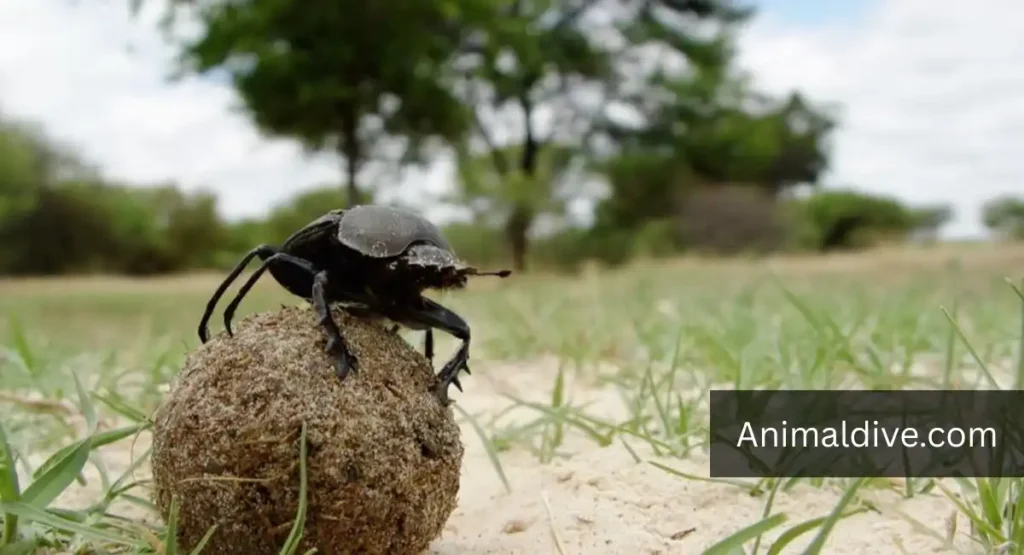
Dung beetles possess remarkable adaptations that enable them to navigate and manipulate their stinky meals. Some can even roll dung balls weighing more than their body size across great distances.
Crow
Scientific Name: Corvus
Class: Aves
Diet: Omnivore
Habitat: Urban areas, forests
Crows often roam urban landscapes in search of food scraps, lending them a reputation as one of the dirtiest birds in the world. These highly adaptable creatures thrive in varied environments, scavenging from waste and showcasing remarkable problem-solving skills.
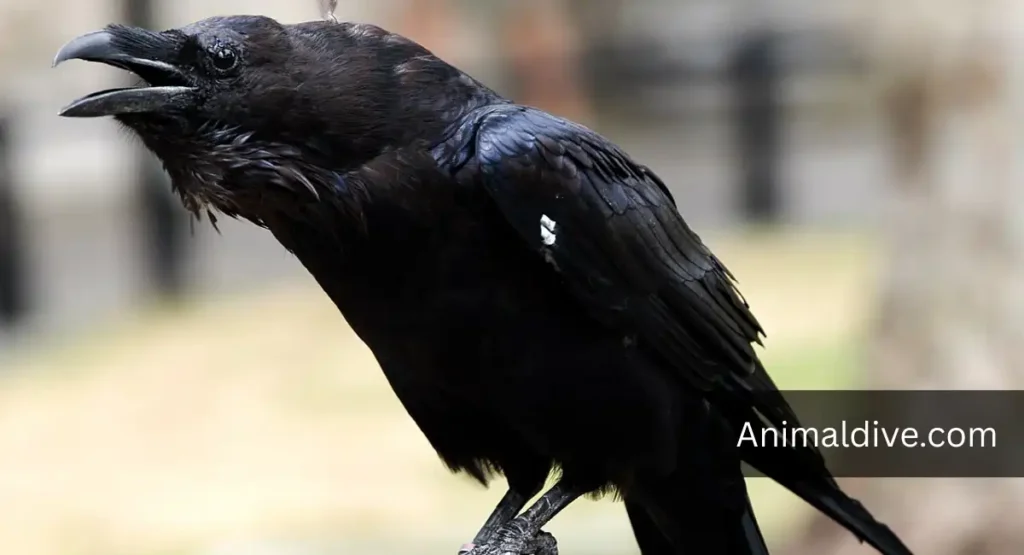
On the other side of the equation, crows play a vital role in their habitats as scavengers. Their ability to clean up waste and their keen awareness of surrounding dangers contribute to their ecosystem’s health. Their social structures, complex communication, and adaptability mark them as fascinating inhabitants of both rural and urban areas, challenging the narrow views we sometimes hold about the ‘dirty’ wildlife around us.
Cape Buffalo
Scientific Name: Syncerus caffer
Class: Mammalia
Diet: Herbivore
Habitat: Savannas, grasslands, wetlands
Cape buffalo are often regarded as some of the dirtiest animals in the world, frequently found in muddy waters that they wallow in to regulate their body temperature and avoid parasites. These massive herbivores roam in herds and exhibit strong social bonds, but they aren’t picky about where they dine, often grazing near marshes or garbage dumps, which further contributes to their unkempt reputation.
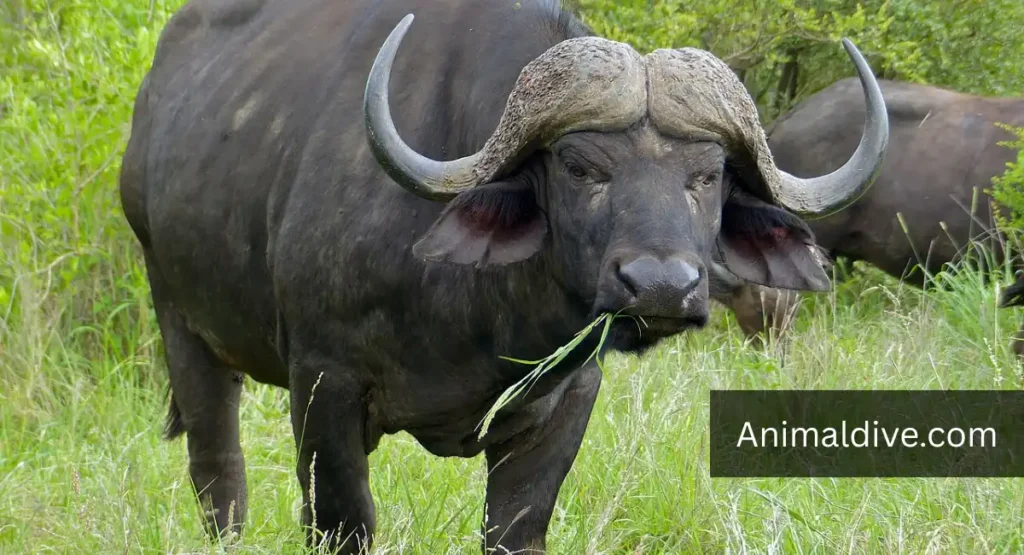
They travel vast distances in search of food and water, acting as key players in nutrient cycling within their environments. Their presence in African savannas supports biodiversity, proving that even the ‘dirtiest’ animals have essential roles to play in their ecosystems.
American Bison
Scientific Name: Bison bison
Class: Mammalia
Diet: Herbivore
Habitat: Grasslands, prairies
American bison are often seen as some of the dirtiest animals in the world due to their grazing habits that include disturbing the soil and enriching it with manure. These massive grazers can often be found in large herds, and their natural behaviors contribute to the health of prairie ecosystems.
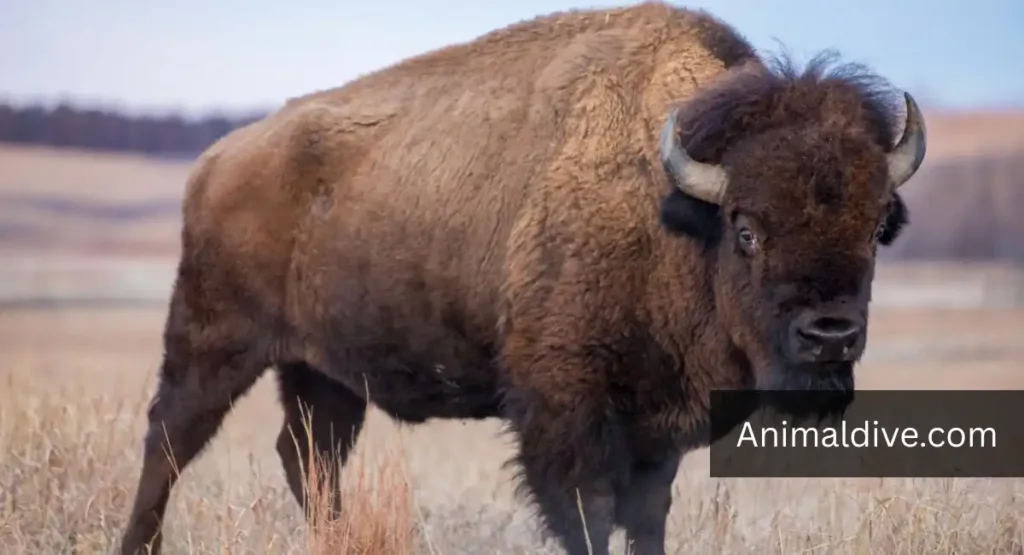
Despite their rugged exterior and the messy trails they leave, bison are considered a keystone species. Their grazing helps maintain the grassland ecosystem, promoting biodiversity and preventing the invasion of woody plants.
Sloth
Scientific Name: Bradypus
Class: Mammalia
Diet: Herbivore
Habitat: Tropical rainforests
Sloths are often viewed as some of the dirtiest animals in the world, mainly because they have a leisurely lifestyle that sometimes results in infrequent grooming. Their slow metabolism means they take their time to digest leaves, leading to long periods of inactivity while hanging upside down. This unhurried pace places them among the slowest animals in the world, a trait closely tied to their low-energy diet.
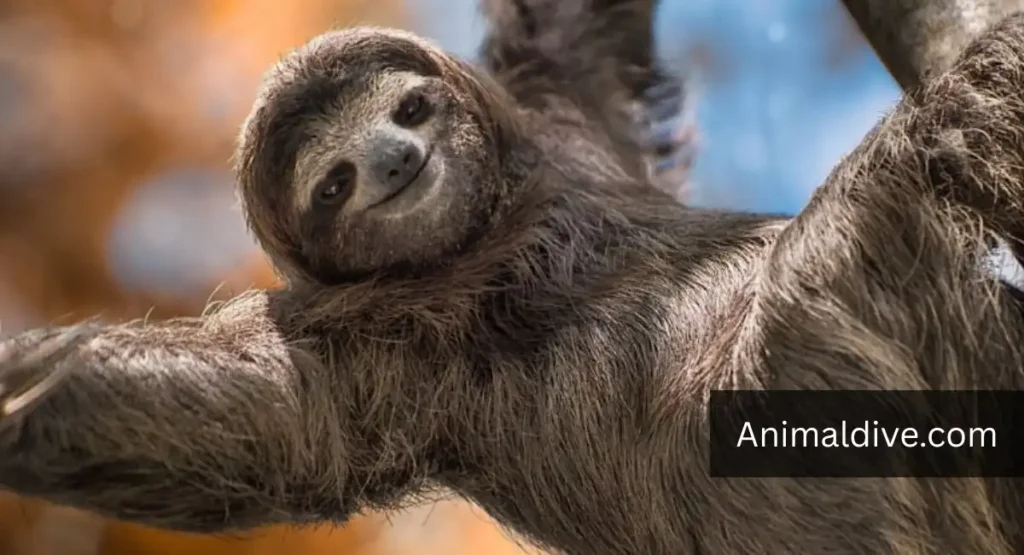
Sloths are intriguing in their ecological significance. Their slow movement fosters a unique habitat for algae, which grows on their fur, providing camouflage and an ecosystem for other microorganisms. Sloths underscore the beauty of living slowly and intentionally, reminding us that even the dirtiness we may perceive can host a rich and complex web of life.
Frog
Scientific Name: Anura
Class: Amphibia
Diet: Carnivore (insectivorous)
Habitat: Freshwater bodies, wetlands
Frogs are often associated with ‘dirty’ environments due to their frequent habitation of ponds, marshes, and other stagnant water bodies. Their slimy skin can also give a less-than-pristine impression. However, this moisture is crucial for their survival, as it helps in respiration and keeps them hydrated.
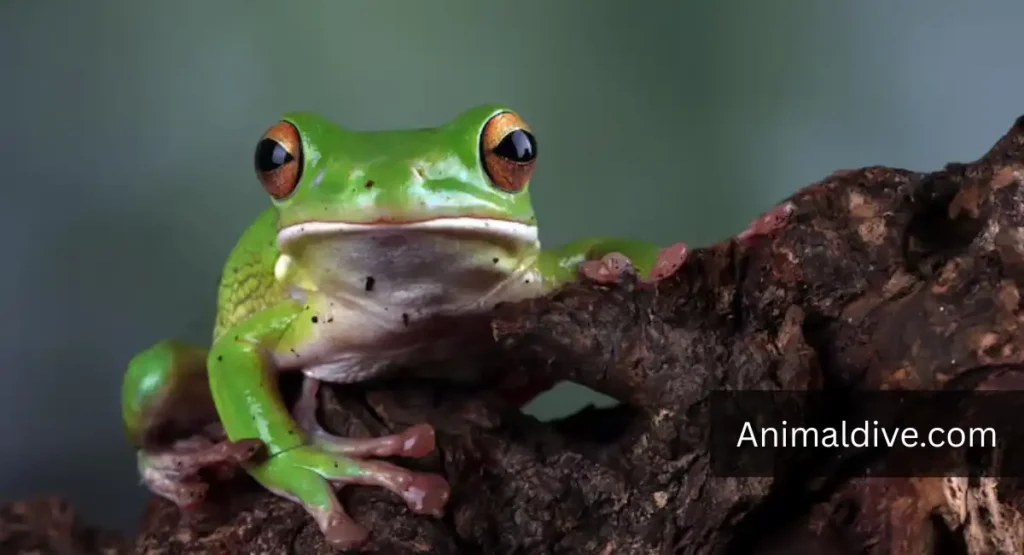
Despite their connections to muddy habitats, many frog species are being threatened by habitat loss and pollution. Their slimy, exposed skin also makes them an easy target for various animals that eat frogs in the wild.” Their dual life in water and on land emphasizes their adaptability and importance, challenging the stereotype of ‘dirty’ as merely a negative trait while revealing their vital ecological role.
Turkey Vulture
Scientific Name: Cathartes aura
Class: Aves
Diet: Carrion
Habitat: Open areas, forests
Turkey vultures are often labeled as one of the dirtiest animals in the world due to their scavenging habits, primarily feeding on carrion. Their incredible sense of smell allows them to locate decaying animals from great heights, presenting them as essential cleanup agents in their ecosystems.
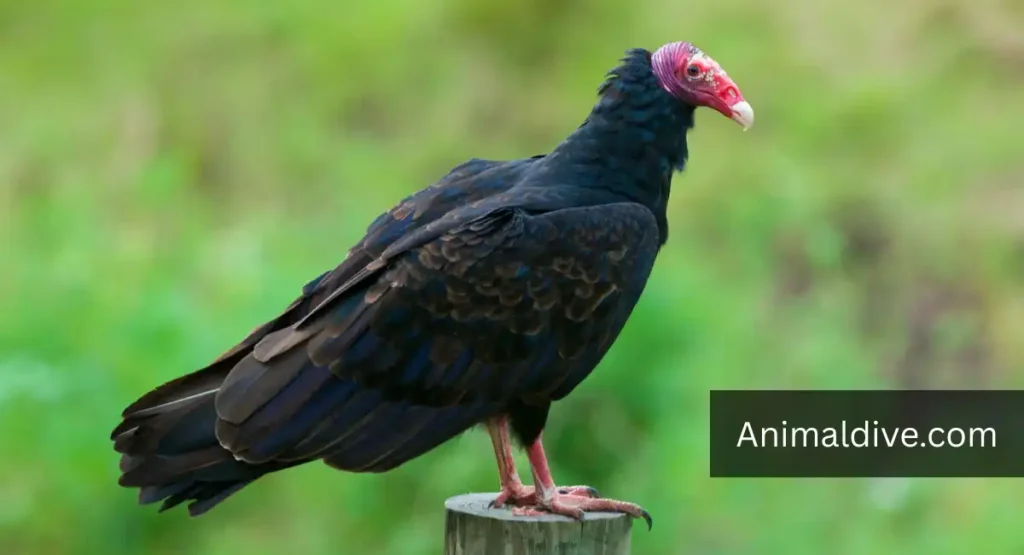
Turkey vultures possess a remarkable adaptation: they can digest rotting flesh without falling ill. This is a testament to their specialized digestive systems and resilience. Their scavenging nature offers a unique insight into nature’s cycle of life and death, highlighting how even the dirtiest animals serve a critical purpose in maintaining ecological balance.
Earthworm
Scientific Name: Lumbricus terrestris
Class: Clitellata
Diet: Organic material, soil
Habitat: Soil, gardens, fields
Earthworms might not readily come to mind when discussing the dirtiest animals in the world, yet these invertebrates thrive in rich, decaying environments. Their existence is inherently tied to soil health, as they consume organic matter and expel nutrient-rich castings that aerate and enrich the soil.
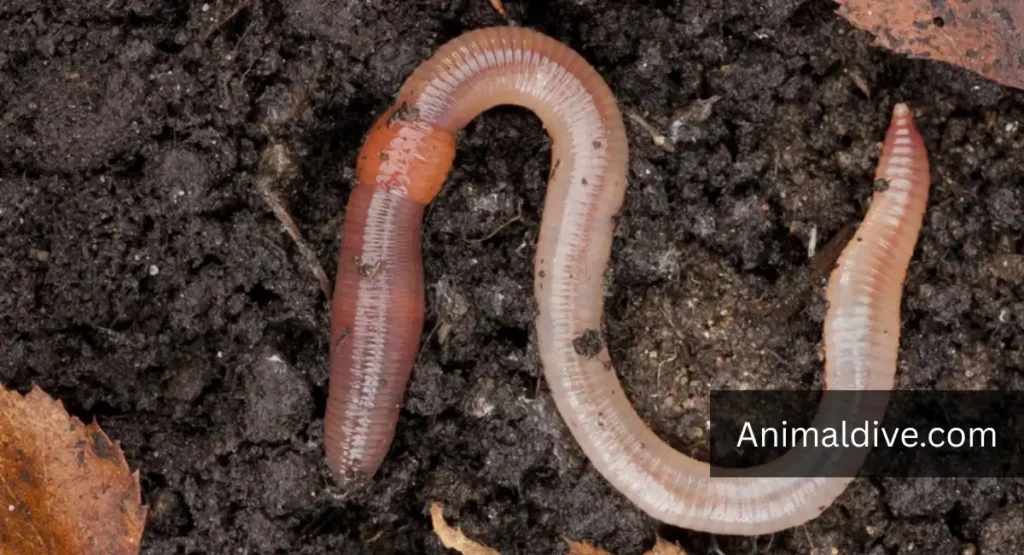
They work tirelessly beneath our feet, improving soil structure and fertility. Their contribution to agriculture and natural ecosystems reveals that dirtiness can indeed foster beauty and life, a testament to the everyday miracles occurring in our soils.
Blow Fly
Scientific Name: Calliphoridae
Class: Insecta
Diet: Decaying organic matter
Habitat: Urban areas, forests, farms
Blow flies are often considered among the dirtiest animals in the world due to their attraction to decaying matter, including carrion and waste. Their life cycle begins when adult female blow flies lay eggs on rotting flesh, making them remarkable decomposers.
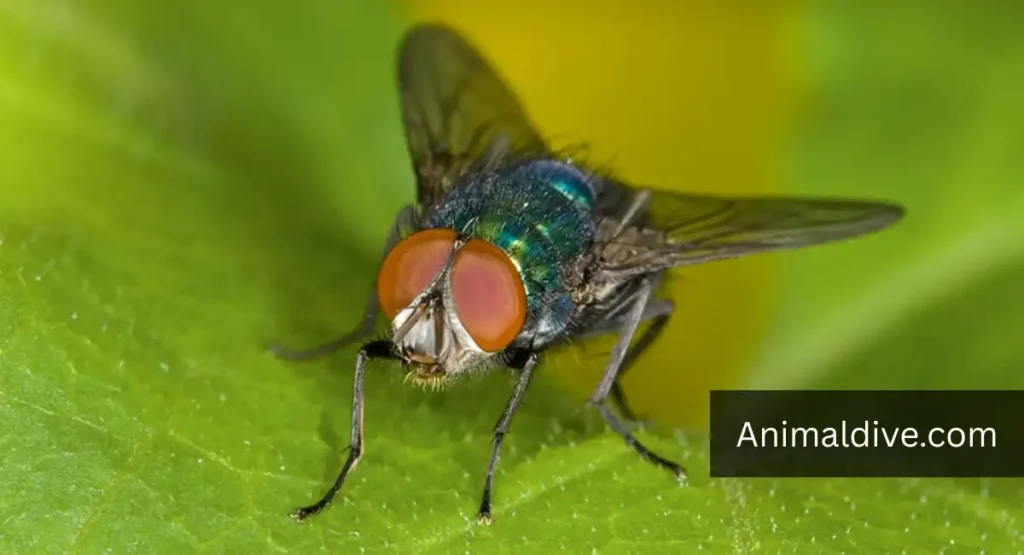
Blow flies also have significant forensic value; their growth rates are used to estimate the time of death in crime investigations. Their ability to thrive in unsanitary conditions illustrates the duality of dirtiness, serving both ecological and practical purposes.
Seagull
Scientific Name: Larus
Class: Aves
Diet: Omnivore
Habitat: Coastal areas, urban landscapes
Seagulls have gained notoriety as some of the dirtiest animals in the world, often scavenging in garbage bins and becoming a nuisance in tourist areas. Their habit of stealing food and their loud, obnoxious cries may create negative associations for many.
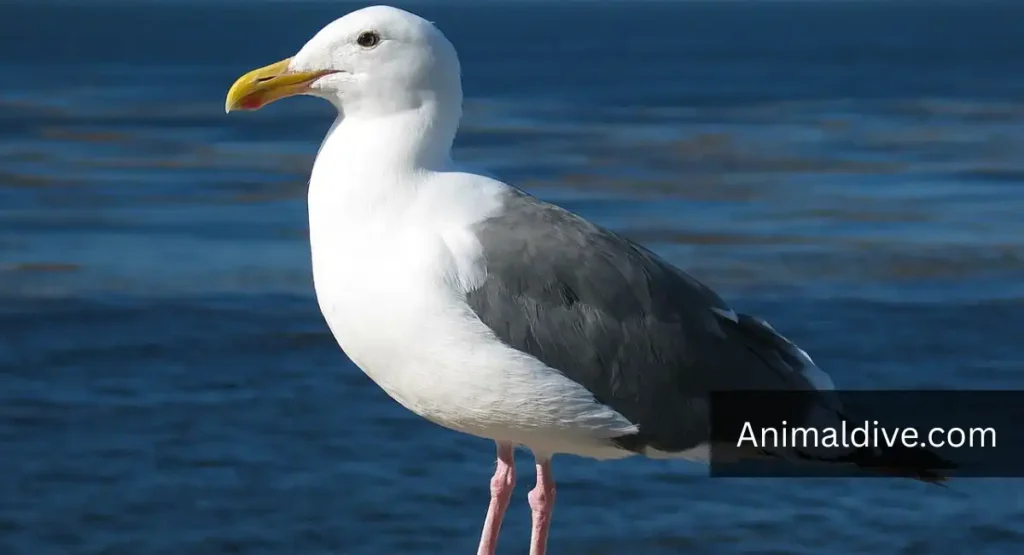
Despite their reputation, seagulls are remarkably intelligent and social birds. They exhibit complex communication behaviors and can solve problems to obtain food. Their adaptability to changing environments emphasizes their resilience and survival skills, demonstrating that the traits we often perceive as ‘dirty’ may also signify resourcefulness and evolution in a rapidly changing world.
Dirtiest Animals By Category
Different groups of animals have developed unique habits that make them appear dirty, from scavenging to wallowing in mud. Below are the dirtiest animals in the world, categorized by their animal class.
Dirtiest Mammals In The World
| Animal | Scientific Name | Class | Diet |
| Pig | Sus scrofa domesticus | Mammalia | Omnivore |
| Rat | Rattus norvegicus | Mammalia | Omnivore |
| American Bison | Bison bison | Mammalia | Herbivore |
| Raccoon | Procyon lotor | Mammalia | Omnivore |
| Hyena | Crocuta crocuta | Mammalia | Carnivore / Scavenger |
| Sloth | Bradypus variegatus | Mammalia | Herbivore |
| Hippopotamus | Hippopotamus amphibius | Mammalia | Herbivore |
| Cape Buffalo | Syncerus caffer | Mammalia | Herbivore |
| Wild Boar | Sus scrofa | Mammalia | Omnivore |
Dirtiest Birds In The World
| Animal | Scientific Name | Class | Diet |
| Pigeon | Columba livia | Aves | Omnivore |
| Crow | Corvus brachyrhynchos | Aves | Omnivore |
| Vulture | Various species | Aves | Carnivore / Scavenger |
Dirtiest Insects In The World
| Animal | Scientific Name | Class | Diet |
| Cockroach | Periplaneta americana | Insecta | Omnivore |
| Housefly | Musca domestica | Insecta | Omnivore |
| Dung Beetle | Various species | Insecta | Coprophagous (Dung Feeder) |
Dirtiest Amphibians In The World
| Animal | Scientific Name | Class | Diet |
| Frog | Various species | Amphibia | Carnivore |
Surprising Facts About Dirty Animals
- Pigs are cleaner than many people think.
- Vultures stop disease outbreaks.
- Cockroaches can survive extreme environments.
- Dung beetles recycle animal waste.
- Hippos spread nutrients into rivers.
- Sloths grow algae in their fur.
- Rats are extremely intelligent.
- Flies help decompose organic matter.
Conclusion
The dirtiest animals in the world reveal a surprising truth about life in the wild, showcasing the adaptability and survival instincts of various species. While their filthy behaviors might seem off-putting, such traits can be essential for their survival in harsh environments.
From scavengers to those who thrive in unsanitary conditions, these animals remind us of the incredible diversity of life on our planet. As you reflect on the information presented, think about how these creatures fit into the larger narrative of ecosystems and biodiversity.
FAQs
What Is the Dirtiest Creature?
The cockroach is widely regarded as one of the dirtiest creatures because it thrives in sewers, garbage, and decaying matter while carrying bacteria and other pathogens on its body.
What Are the Dirtiest Pets?
Dogs are often considered the dirtiest household pets because they enjoy rolling in mud, tracking dirt indoors, shedding fur, and sometimes carrying bacteria from outdoor environments.
What Animals Are Unclean?
Animals commonly regarded as unclean include pigs, rats, cockroaches, vultures, flies, wild boars, and raccoons. They are considered unclean because they scavenge, live in dirty environments, carry bacteria, or are classified as unclean in certain religious traditions.
Which Animal Is Dirtier, Pig or Chicken?
Although pigs have a dirty reputation, chickens are generally considered dirtier because they often live around their own droppings and can carry bacteria such as Salmonella. Pigs usually keep their sleeping and feeding areas clean when given enough space.
What Is the Dirtiest Animal?
The pig is often considered the dirtiest animal because it frequently rolls in mud. However, pigs do this to cool their bodies and protect their skin from parasites, not because they are naturally unhygienic.