Top 18 Most Patient Animals In The World You Need To Know
The Most Patient Animals are often the unsung heroes of the animal world, showcasing levels of restraint that leave us in awe. While many creatures rush through life, these animals teach us the power of stillness and timing, essential skills for hunting and survival.
For example, the Graneledone boreopacifica octopus holds the record for the longest brooding period, while crocodiles can lie in wait for months just for the perfect moment. Let’s explore 18 extraordinary animals that redefine the concept of patience, revealing just how crucial this trait is in the wild.
Most Patient Animals in The World
Patience in the animal kingdom is more than just waiting it’s a powerful survival skill. From silent hunters to slow-moving creatures, many species rely on calmness, timing, and control to thrive.
Let’s explore some of the most patient animals in the world and discover how their quiet strength helps them succeed in nature.
Owls
Owls, classified under the scientific name Strigiformes, exhibit remarkable patience during their hunting endeavors. Their silent flight allows them to glide effortlessly through the night, creating an almost ethereal presence in the darkness. This stealth enables them to observe potential prey without alarming it, reflecting their calculated approach to hunting.
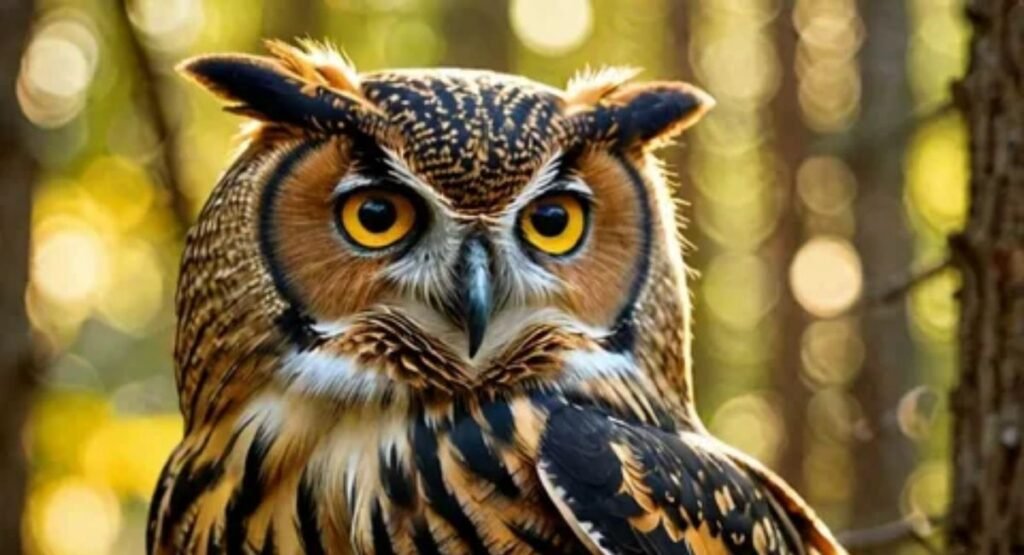
Equipped with exceptional night vision, owls can spot even the slightest movement. They often remain perfectly still, waiting for the perfect moment to strike, embodying the essence of patience. This patient observation, combined with their acute hearing, makes them formidable nocturnal predators, providing a captivating glimpse into their sophisticated hunting strategies.
Tigers
Tigers (Panthera tigris) exhibit remarkable patience in their hunting techniques, relying on stealth and impeccable timing. They can stalk their prey for hours, moving silently through dense vegetation until the perfect moment arises to pounce. This acute awareness of their surroundings allows them to conserve energy and maximize their chances of a successful hunt.
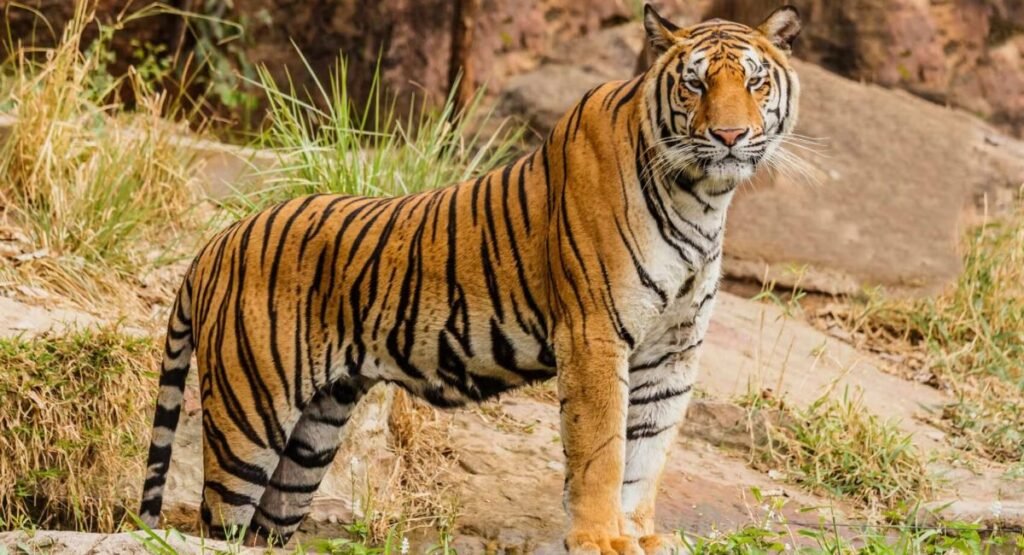
In parenting, tigers demonstrate nurturing behavior as mothers fiercely protect and care for their cubs. For the first two years, a tigress teaches her offspring essential survival skills, balancing patience with necessary discipline. This dual approach ensures the cubs learn the intricacies of hunting, establishing a legacy of stealth and strength that is crucial for their survival in the wild.
Frogfish
Frogfish, belonging to the family Antennariidae, are masters of patience in the underwater realm. These remarkable creatures can remain perfectly still for extended periods, blending seamlessly into their environment. Their ability to mimic the textures and colors of surrounding corals and substrates enhances their camouflage, making them nearly invisible to both prey and predators alike.
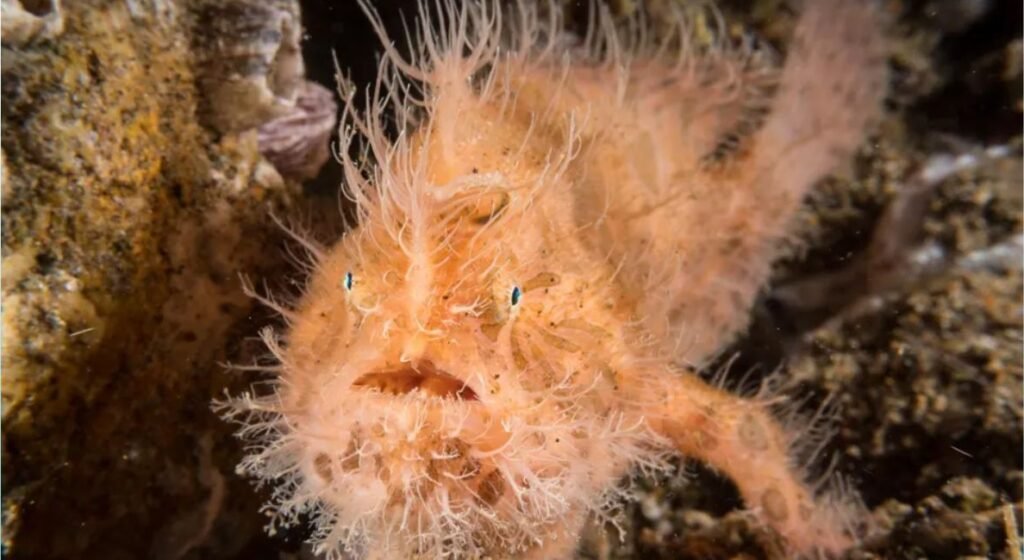
Employing a unique lure technique, frogfish extend a modified dorsal fin that resembles a small fish or worm, enticing unsuspecting prey to approach. Once the prey is within striking distance, a lightning-fast snap of their powerful jaws seals the deal. This combination of stealth and precision reflects the frogfish’s evolutionary adaptations for survival, showcasing nature’s intricate balance of patience and predation.
Python
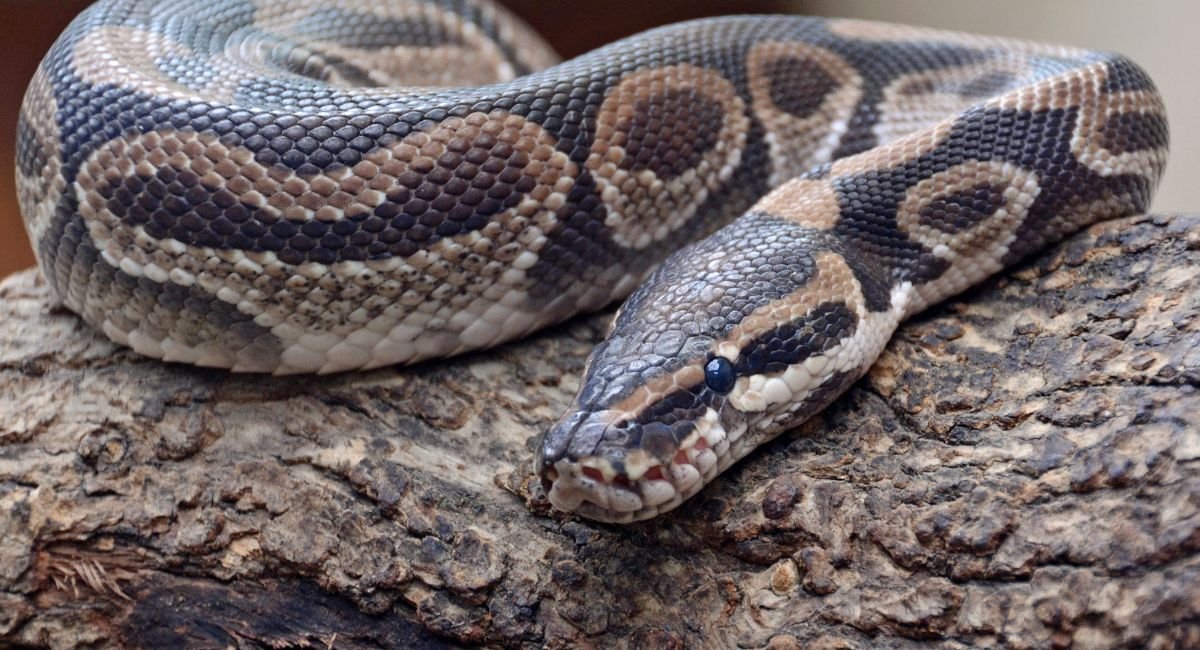
The Pythonidae family, commonly known as pythons, epitomize the art of patience when it comes to ambushing their prey. These reptiles, classified under Class Reptilia, can remain motionless for extended periods, waiting for unsuspecting animals to wander within striking distance.
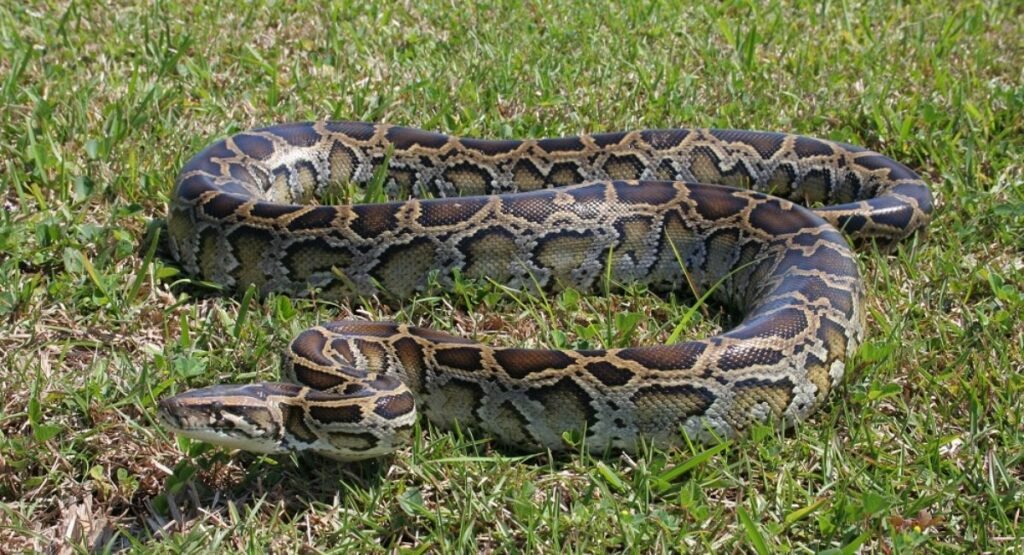
Pythons possess a remarkable ability to fast for long durations, sometimes extending several months without eating. This capability underscores their evolutionary adaptation to survive through periods when prey availability is low.
By relying on their energy reserves, they can afford to wait for just the right moment to strike, ensuring that their next meal is not only efficient but also strategically executed. This patience, combined with biological endurance, makes pythons fascinating predators in the animal kingdom.
Lions
Lions, scientifically known as Panthera leo, exhibit remarkable patience during group hunting. Their teamwork is nothing short of extraordinary; they strategically assign roles based on each member’s strength and skill. This coordinated effort often involves stalking prey through tall grass, where they rely on a shared understanding of positioning to close in without alerting their target. This coordinated strategy is a hallmark of species among animals that live in groups, where survival depends as much on cooperation as it does on individual strength.
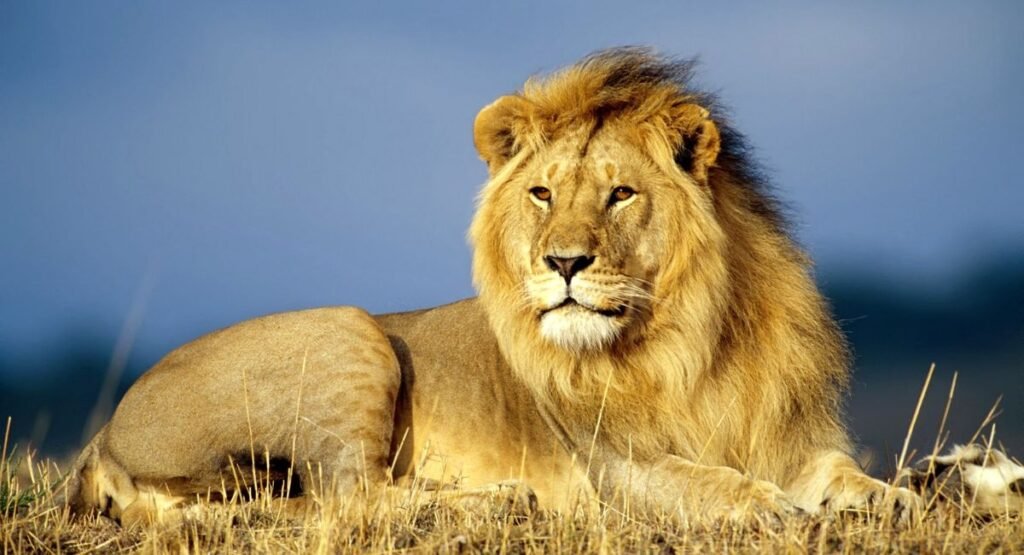
When not on the prowl, lions also display unique resting behaviors that highlight their social dynamics. They often lounge in close proximity, using this downtime to bond and maintain social hierarchies within the pride. This restful camaraderie not only conserves energy for the next hunt but also reinforces their collective strength, ensuring that when the time comes to stalk together, they are united and focused.
Much like lions, many solitary animals in the world rely on entirely different strategies, proving patience works both in groups and alone.”
Piranhas
Piranhas, scientifically known as Pygocentrus spp, are often mistakenly characterized solely by their aggressive demeanor. However, beneath this fierce exterior lies a remarkable sense of strategy and patience. These fish exhibit a group behavior that highlights their ability to work together, employing a waiting game rather than constant frenzy, especially when hunting or defending territory.
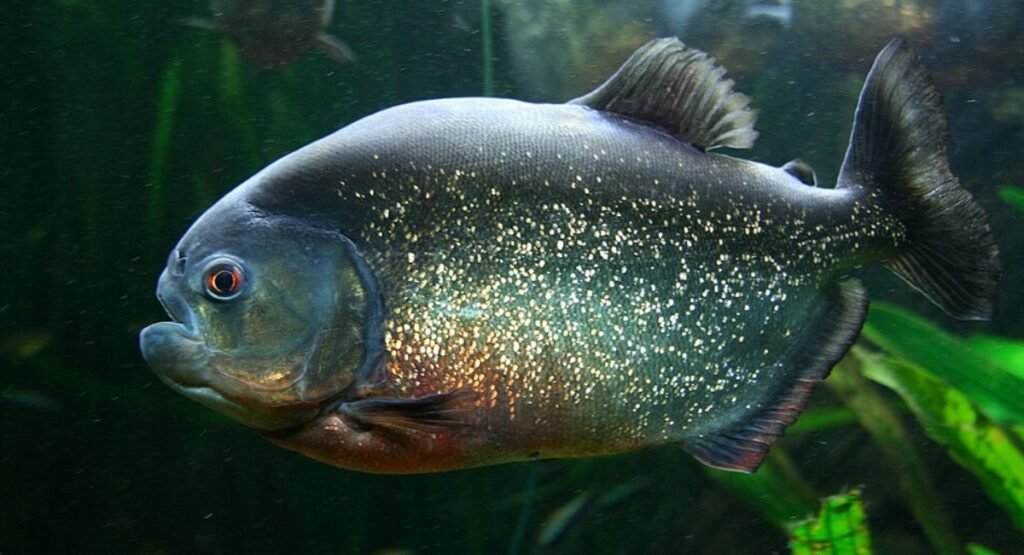
When in schools, piranhas demonstrate a fascinating tendency to strategically wait for the perfect moment to strike. They can be seen positioning themselves near potential prey, employing a silent approach that belies their reputation. This patience not only increases their chances of a successful hunt but also showcases their intelligence and adaptability, reminding us that even the fiercest predators can operate with an unexpected level of cunning. This kind of calculated restraint places piranhas firmly among the cunning animals of the underwater world, where intelligence often matters more than aggression.
Eagle
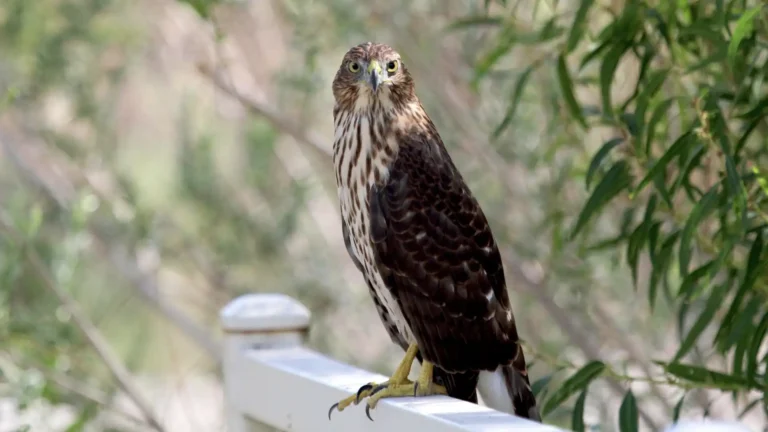
The eagle, specifically belonging to the genus Aquila spp., embodies sheer patience in its hunting strategy. Perched high on a sturdy branch, it scans the landscape with incredible sharp vision, allowing it to detect even the slightest movement below. This precise observation ensures that every moment spent waiting is purposeful, as the eagle patiently bides its time for the ideal strike.
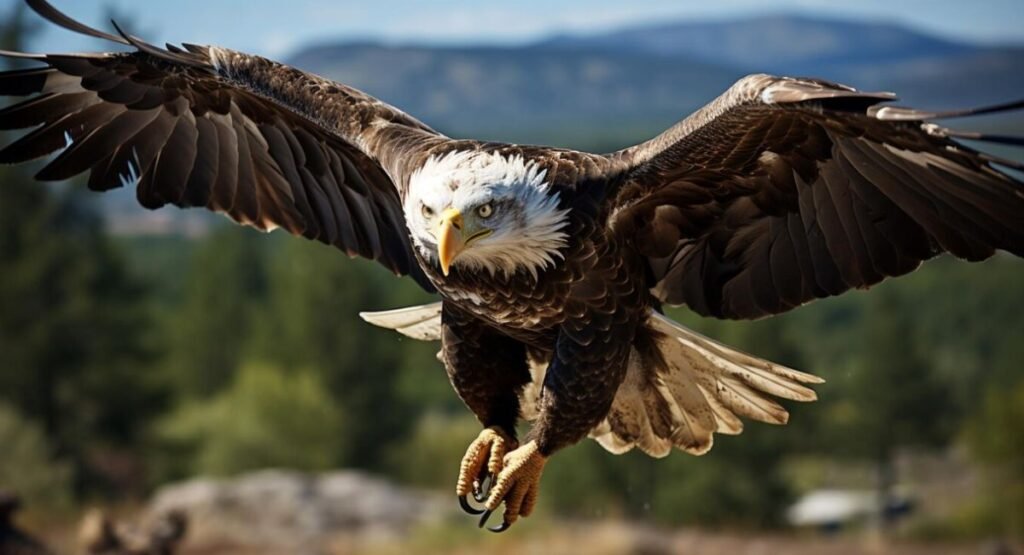
In the world of hunting, timing is everything, and eagles have mastered this crucial element. When a target appears vulnerable, the eagle’s focus shifts from observation to action, demonstrating a breathtaking blend of power and grace.
Tortoise
The tortoise, scientifically known as Testudinidae, epitomizes patience with its slow, deliberate movement. Unlike many creatures that scurry through life, the tortoise’s leisurely pace allows it to observe its surroundings, fostering a unique connection to the environment. This unhurried lifestyle is not merely a choice; it reflects a deep-rooted resilience that has enabled these remarkable reptiles to thrive in varied habitats for millions of years.
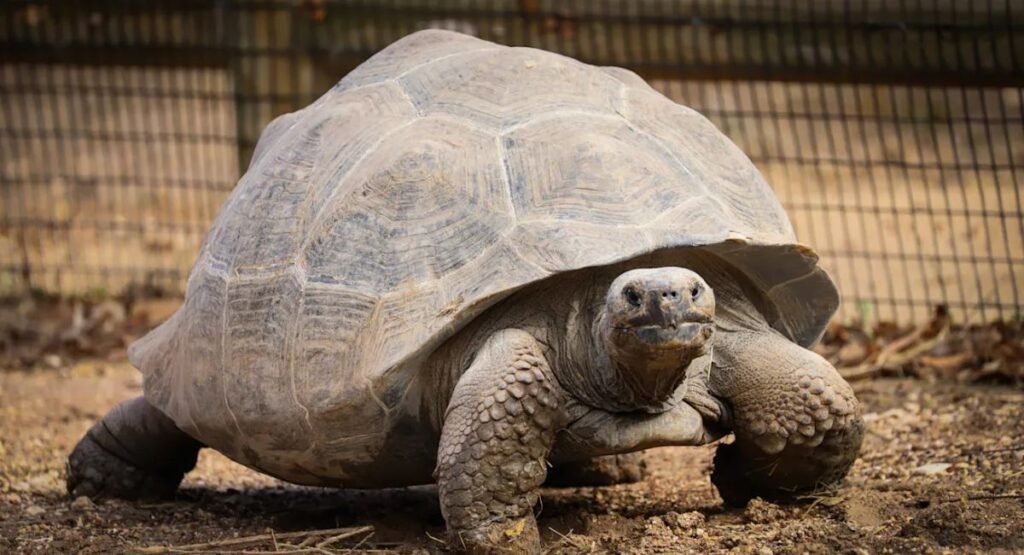
Though often perceived as sluggish, the tortoise showcases a rich strategy for survival. Its methodical approach allows it to conserve energy and avoid unnecessary risks, demonstrating that speed is not always an asset. In fact, the tortoise is among the most celebrated of the world’s slow animals, a group that turns unhurried movement into a remarkable survival advantage.
Elephant
Elephants, scientifically known as Loxodonta africana, exemplify extraordinary patience in their social dynamics, showcasing a remarkable level of emotional intelligence. Their ability to bond and communicate within their herds speaks volumes about their understanding of social nuances.
Much of this social awareness ties back to their most recognizable feature, since animals that have a trunk rely on it not just for feeding and drinking, but for touch, communication, and comfort within the herd.
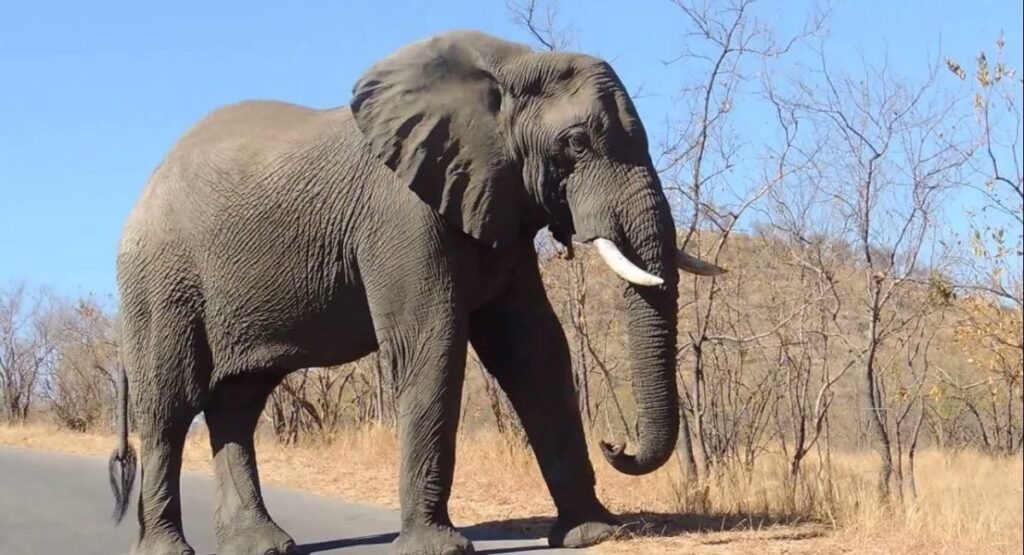
Elephants possess impressive memories, allowing them to recognize family members and remember vital resources over vast distances and years. This sharp recollection aids not only in survival but also in nurturing relationships, as they tend to revisit crucial emotional experiences.
Their patience and capacity for empathy enable them to navigate complex social situations, further solidifying the notion that elephants are not just creatures of strength, but also exemplars of profound emotional and social intelligence.
Orangutan
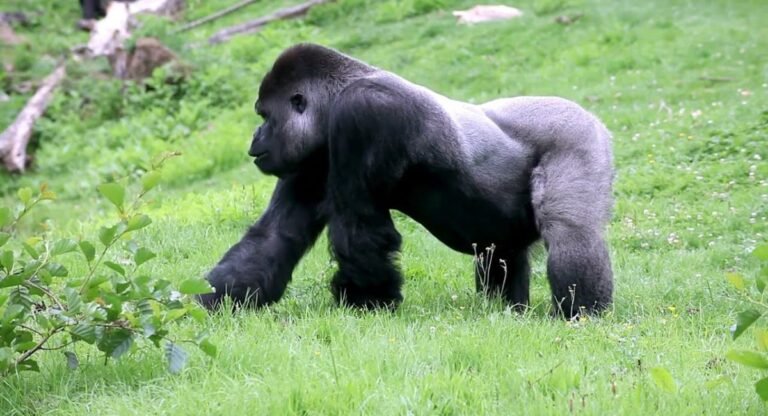
Orangutans, scientifically known as Pongo spp, exhibit remarkable patience in their parenting. Mothers dedicate up to eight years to nurturing their young, providing not just sustenance but also vital social and cognitive skills. This extended period allows offspring to learn the intricacies of their forest habitat, embodying the species’ high intelligence and adaptive capabilities.
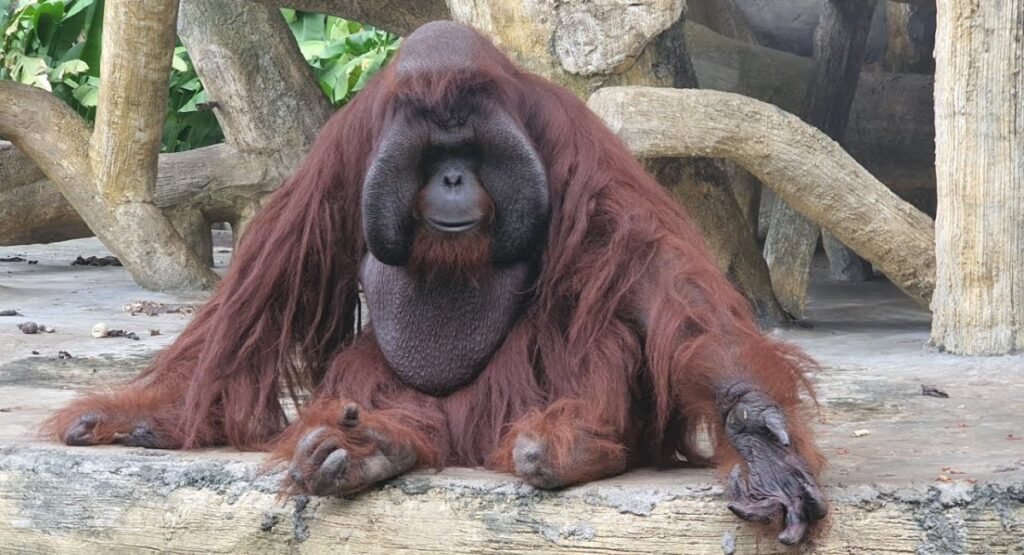
When foraging, orangutans display equally impressive patience, carefully selecting fruits and leaves while employing intricate techniques to access food. Their problem-solving skills often shine as they use tools, demonstrating an understanding of their environment that is rare among non-human species.
Komodo Dragon
The Komodo dragon (Varanus komodoensis) showcases remarkable patience in its hunting strategies. Relying on ambush tactics, these apex predators can remain motionless for hours, blending seamlessly into their surroundings. This stillness not only conserves energy but also allows them to keenly observe potential prey, demonstrating a strategic approach to survival that many creatures overlook.
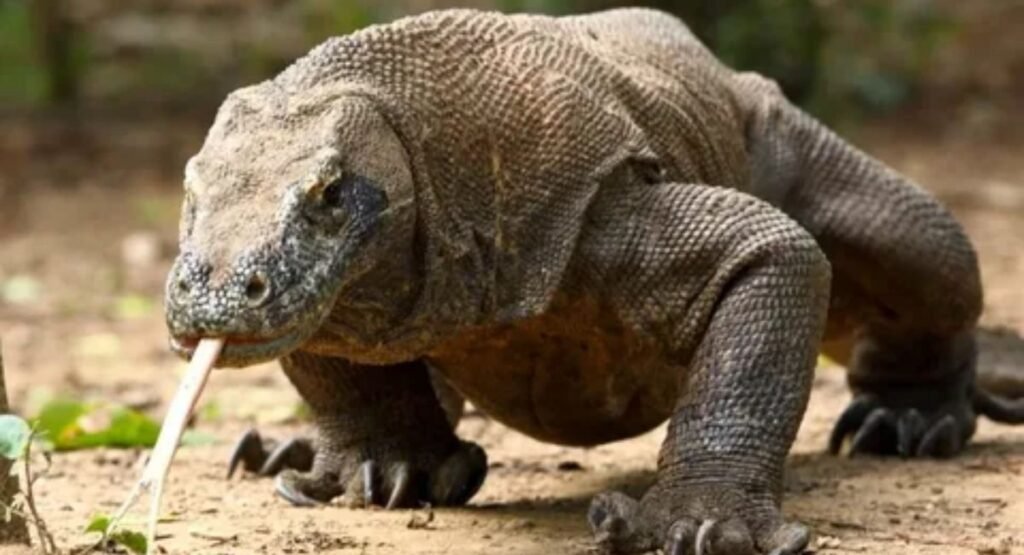
Energy conservation is crucial for the Komodo dragon, as their large size necessitates careful management of resources. By employing a wait-and-watch method, they maximize the chances of a successful hunt while minimizing exertion.
Sloth
The sloth, scientifically known as Folivora, exemplifies the art of patience with its deliberate, languid movements. This slow lifestyle is not merely a quirk; it’s a survival strategy. A slow metabolism allows sloths to conserve energy while feeding primarily on leaves, which provide little nutritional value.
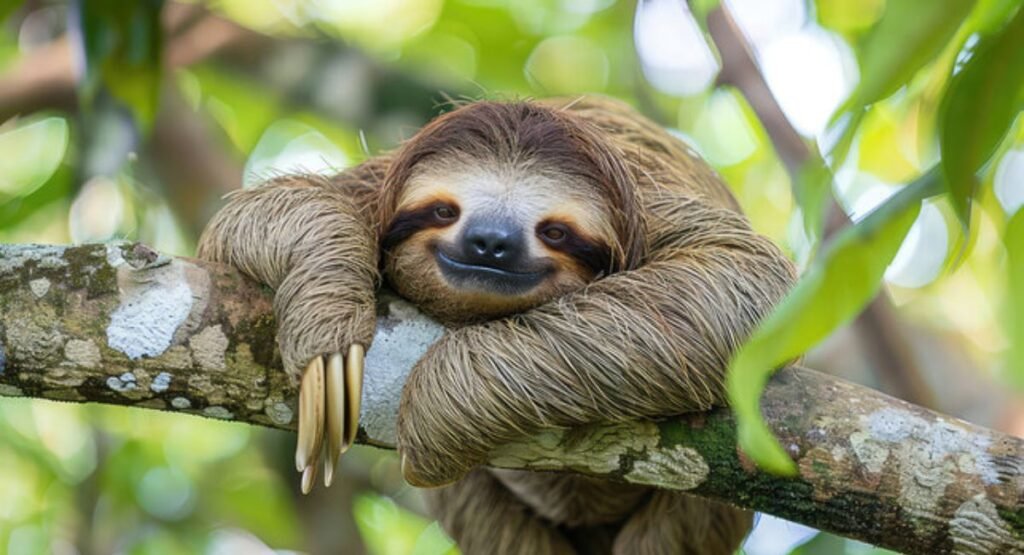
By moving slowly, sloths not only fuel their energy conservation but also interact minimally in their environment, thereby reducing the chances of attracting unwanted attention. This unique adaptation highlights how patience, often perceived as a passive trait, can be a powerful ally in the quest for survival in a world filled with threats.
Killer Whales
Killer whales, or Orcinus orca, are renowned for their incredible intelligence and cooperative hunting strategies. Their patience during hunts exemplifies a sophisticated understanding of teamwork, as they synchronize movements to manipulate prey. This ability allows them to tackle larger marine animals, demonstrating that success relies not just on strength but a blend of strategy and collaboration.
Their sheer power alone would already place them among the strongest animals in the world, but it’s the pairing of that strength with patience and planning that makes orcas such effective hunters.
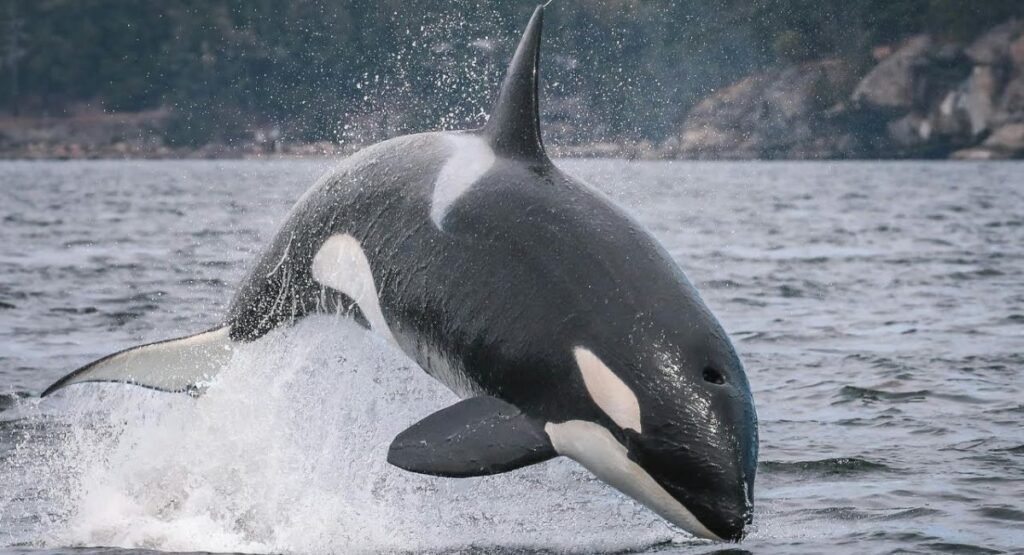
The orcas showcase their cognitive prowess by planning and communicating effectively, which makes them formidable hunters. By exhibiting remarkable patience, they can outsmart agile prey, patiently waiting for the perfect moment to strike.
Heron
The heron, belonging to the scientific genus Ardea spp, embodies an exquisite blend of stillness and precision in its hunting style. Often seen standing motionless in water, these avian hunters epitomize patience as they await the perfect moment to strike. This method not only conserves energy but also enhances their ability to remain undetected by unsuspecting prey.
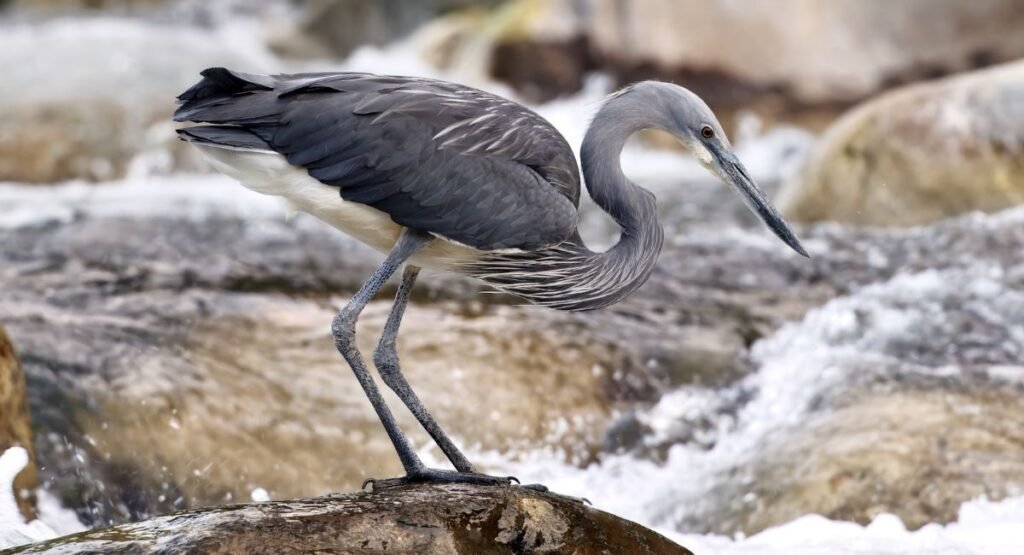
Timing is crucial for a heron’s success, as their keen eyesight enables them to sense the slightest movement in their watery environment. With a quick, calculated lunge, they can capture fish and other aquatic creatures with remarkable accuracy.
Chameleon
The chameleon, scientifically known as Chamaeleonidae, is a master of patience and camouflage. This remarkable reptile employs a still hunting strategy, blending seamlessly into its environment to avoid detection by both prey and predators. Its ability to change color not only aids in this stealthy approach but also serves as a means of communication and temperature regulation.
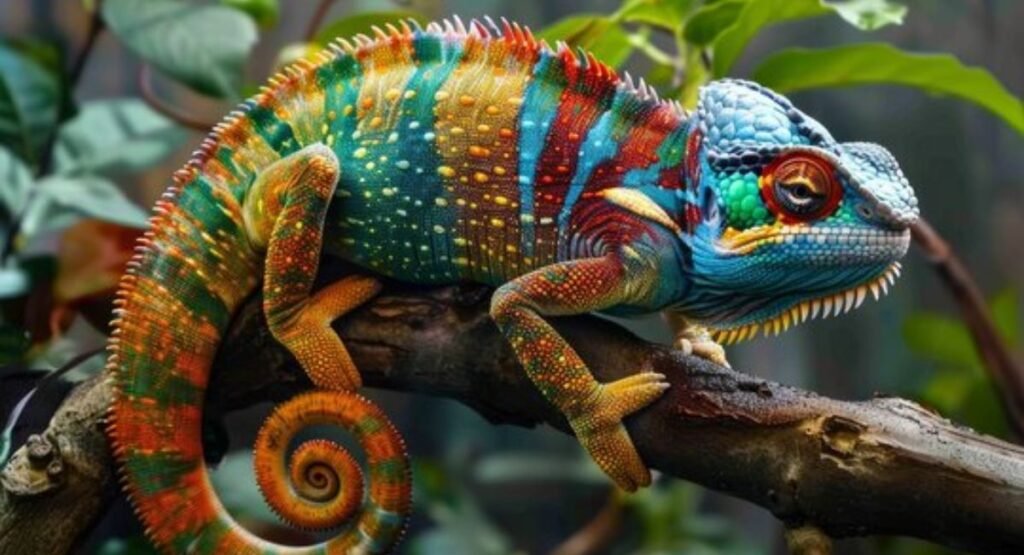
The chameleon’s color change is a fascinating process, resulting from the unique arrangement of specialized cells in its skin. By remaining motionless and utilizing its vibrant hues to harmonize with its surroundings, the chameleon waits for unsuspecting insects to venture within striking distance. If you’re fascinated by animals with distinctive physical features, you might also enjoy learning about animals that have manes.
Tarantulas
Tarantulas, scientifically known as Theraphosidae, exhibit astonishing patience in their hunting techniques. Instead of launching immediate attacks, these spiders rely on their exceptional vibration-sensing abilities to detect prey movements.
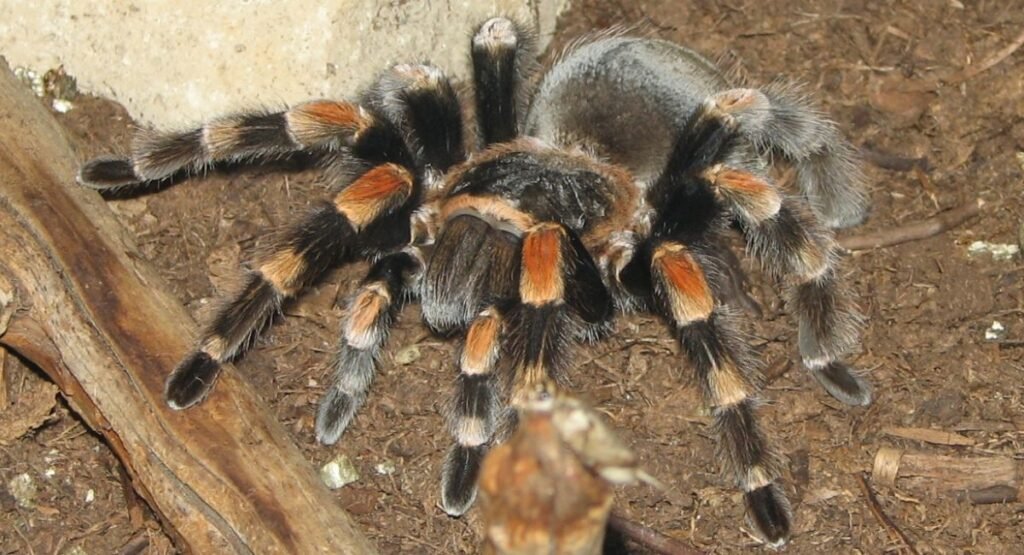
In terms of parenting, tarantulas display remarkable maternal care. After laying eggs, the mother vigorously protects her sac, even at the expense of her own safety. This dedication ensures that the next generation has the best chance of survival, revealing an intricate bond that highlights their nurturing instincts.
Cats
Cats (Felis catus) exhibit remarkable patience when it comes to hunting, an instinct deeply embedded in their behavior. Observations reveal that these feline predators often engage in prolonged stalking, demonstrating a keen awareness of timing before pouncing on their unsuspecting prey. This instinctive focus is closely linked to their nature as some of the most curious animals, always studying and testing their surroundings before committing to action.
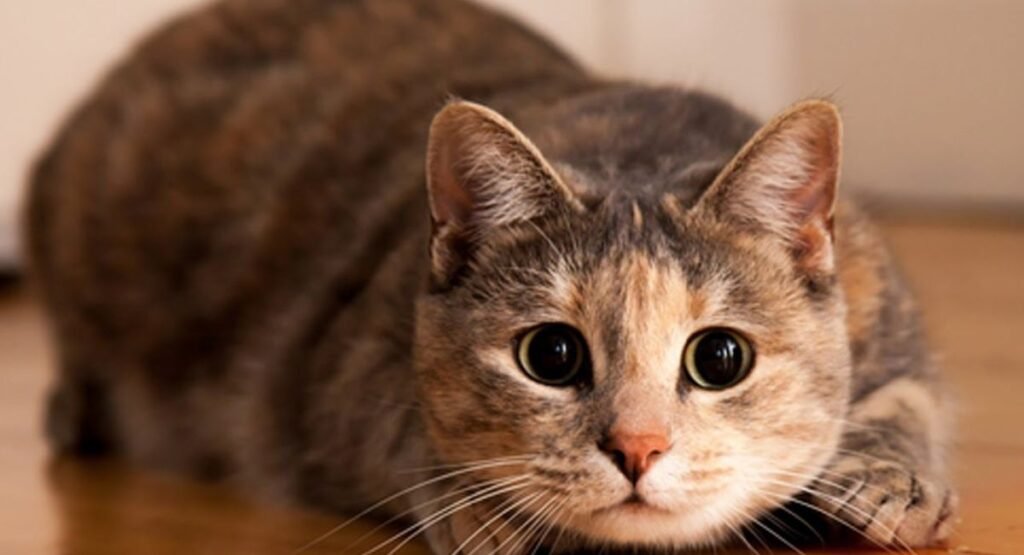
Playtime offers another fascinating glimpse into cats’ behavior, mimicking their hunting strategies while also serving as a crucial developmental tool. During play, cats exhibit a variety of techniques, from slow stalking to sudden bursts of speed. This intricate dance helps cultivate the skills they would use in the wild, reinforcing their natural patience and persistence.
Crocodiles
Crocodiles, members of the family Crocodylidae, are master ambush predators, utilizing the serene stillness of their aquatic habitats to their advantage. Their remarkable ability to remain motionless for extended periods allows them to blend seamlessly into their surroundings, evading detection by unsuspecting prey.
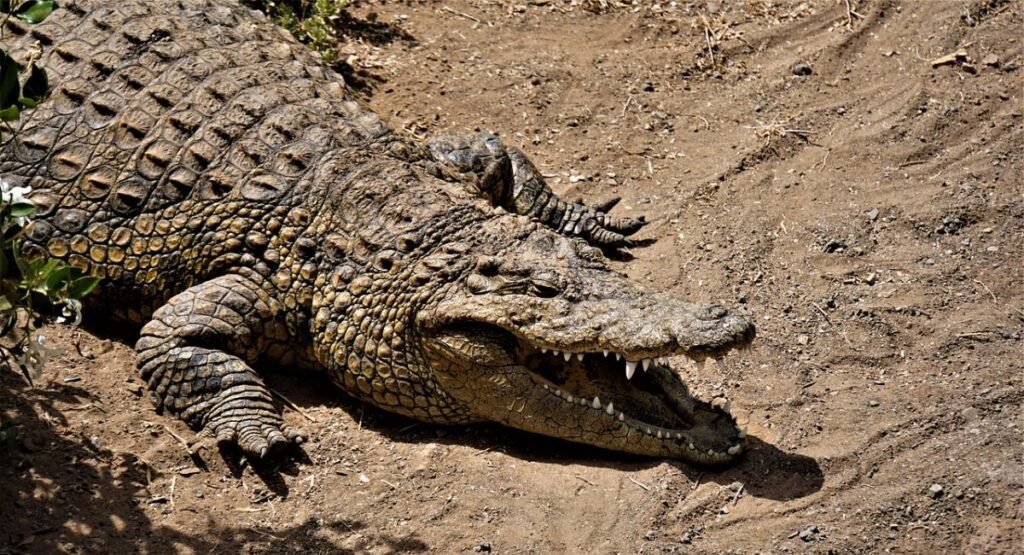
This survival adaptation not only showcases their patience but also highlights their evolutionary prowess. In the unpredictable environments they inhabit, the ability to sit still can mean the difference between a successful hunt and starvation.
Conclusion
The exploration of the Most Patient Animals reveals not only the remarkable traits of these creatures but also valuable lessons for humanity. Patience in animals, whether in the slow, deliberate movements of a tortoise or the silent waiting of a kingfisher, teaches us the importance of perseverance and understanding in our own lives.
By observing how these animals endure challenges and embrace stillness, we can learn to navigate our daily stresses with greater calm and focus. Moreover, their ability to remain patient in the face of adversity serves as a reminder that fulfillment often requires time and dedication.
FAQs
Who Is The Most Patient Animal In The World?
There isn’t a single most patient animal, as many species show patience in different ways. Animals like frogfish, crocodiles, and owls are especially known for waiting long periods to catch prey.
Can Animals Have Patience?
Yes, many animals can show patience by delaying gratification. Studies reveal that primates, birds, and dogs can wait for better rewards, sometimes even outperforming humans in self-control tests.
What Animals Represent Patience?
The great blue heron is a powerful symbol of patience, grace, and focus. Its ability to stand still for long periods while waiting for prey reflects calmness and careful timing in nature.
Which Animal Is the Most Impatient?
Chimpanzees are often regarded as some of the most impatient animals because they tend to seek immediate rewards and show impulsive behavior when waiting for food or other incentives.
What Is the #1 Friendliest Animal?
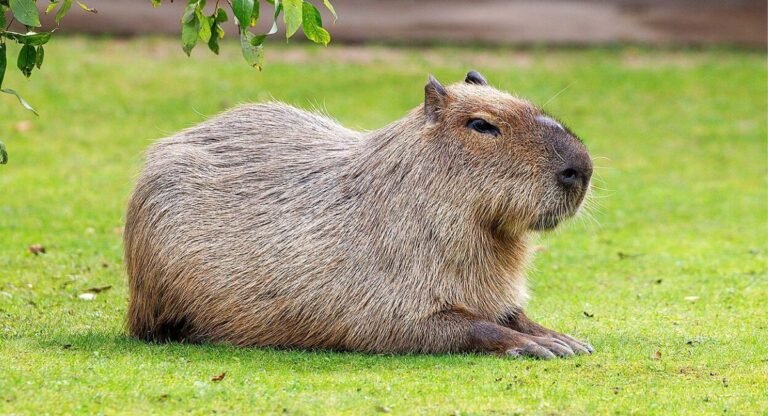
The capybara is widely considered the #1 friendliest animal because of its calm temperament, social nature, and ability to peacefully interact with humans and many other animal species.
Which Animal Sleeps 90% of Its Life?
The koala sleeps up to 20–22 hours a day, spending nearly 90% of its life resting to conserve energy from its low-nutrient eucalyptus diet.