Top 10 Mammals That Cannot Jump: Shocking Mammal Facts Revealed
In a world where agility often defines survival, some mammals have taken a different route, evolving without the ability to jump. These mammals that cannot jump demonstrate the astounding adaptability of nature, showcasing how body structure can dictate both movement and survival strategies.
By examining their evolutionary paths, we can better understand the various ways species take on life’s challenges. Let’s explore top 10 mammals that cannot jump, exploring their fascinating adaptations that allow them to navigate their environments with ease.
What Are Mammals That Cannot Jump?
Mammals that cannot jump include species like elephants, hippos, and sloths. These animals typically have heavier body weights and specialized bone structures that limit their ability to leap. For instance, the dense, muscular build of an elephant makes jumping impractical, while the rigid skeletal structure of a hippopotamus is built for stability rather than agility.
The lifestyles of these mammals often do not require jumping. Elephants, for example, navigate through diverse terrains using their strength and size. Similarly, sloths spend most of their time hanging in trees, relying on slow, deliberate movements instead of jumping.
Why Some Mammals Cannot Jump?
Certain mammals, such as elephants and hippos, are unable to jump largely due to their significant body mass. Heavy body mass exerts more gravitational force, making the mechanics of jumping impractical. these animals often possess dense bones, which provide strength but limit flexibility, further inhibiting their ability to spring off the ground.
Muscle structure also plays a crucial role in this inability. Unlike animals designed for agility and leaping, many larger mammals have muscles optimized for endurance rather than explosive power. Their habitats often favor stability over mobility; for example, aquatic or semi-aquatic mammals like hippos thrive in environments where buoyancy reduces the need for jumping.
List Of Mammals That Cannot Jump
| Number of Animals | what mammals can’t jump |
| 1 | Elephants |
| 2 | Hippopotamus |
| 3 | Sloths |
| 4 | Rhinos |
| 5 | Porcupines |
| 6 | Opossums |
| 7 | Manatees |
| 8 | Giraffes |
| 9 | Whales |
| 10 | Armadillos |
Elephants (What Mammal Can’t Jump?)
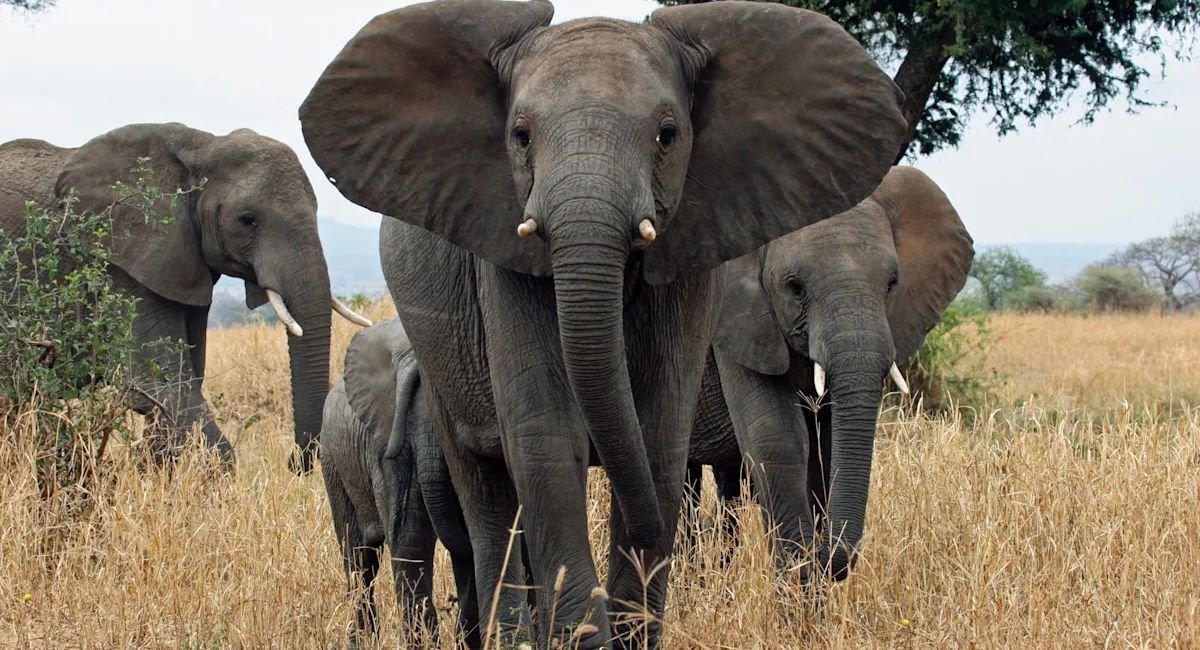
Elephants, belonging to the family Elephantidae and scientifically classified as Elephantidae, are remarkable creatures within the class Mammalia. As herbivores, their diet primarily consists of grasses, leaves, and bark, which supports their massive size and strengt Elephants are also considered among the strongest animals in the world, a title earned through their sheer power and endurance rather than agility..
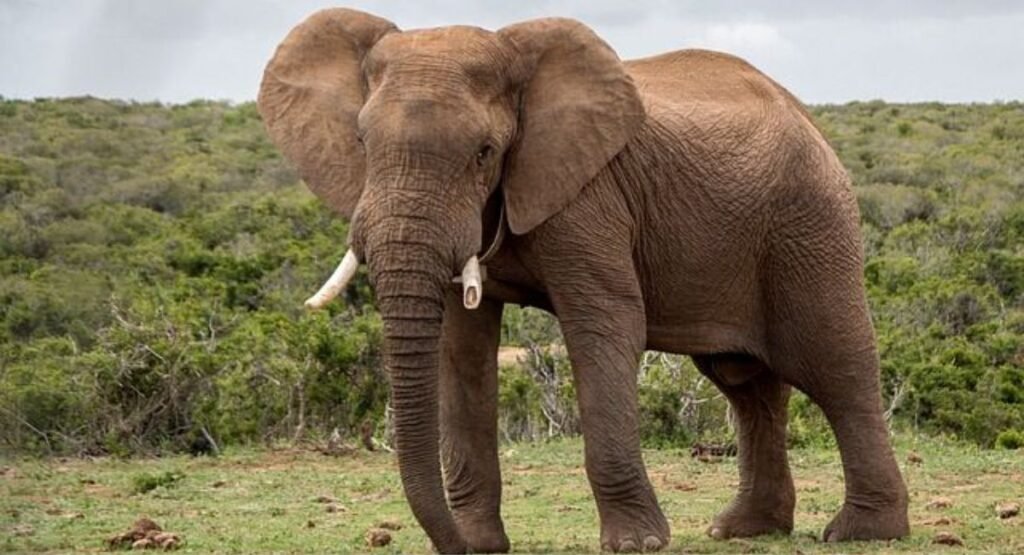
The reason elephants cannot jump lies in their sheer weight and unique leg structure. With legs built more for strength and stability than agility, their massive bodies are supported by bones that are designed to bear weight, not spring up.
Hippopotamus
The Hippopotamus, scientifically known as Hippopotamus amphibius, belongs to the class Mammalia and the family Hippopotamidae. As herbivores, these formidable creatures thrive in both aquatic and terrestrial environments, allowing them to graze on a variety of vegetation while remaining close to water sources.
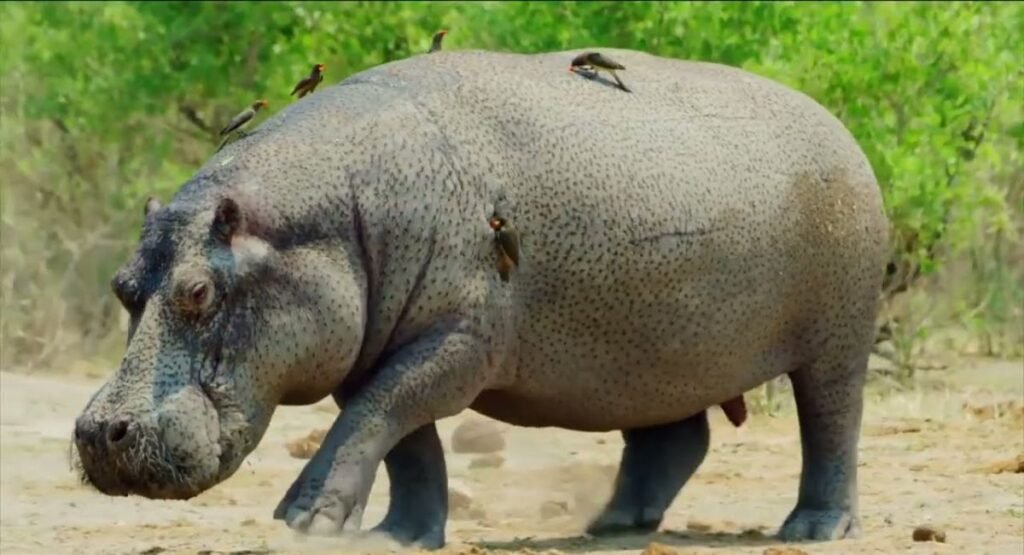
With their unique body design, hippopotamuses are equipped for life in water yet are surprisingly agile on land. They can sprint at impressive speeds of up to 25 kilometers per hour over short distances, though they lack the ability to jump.
Their large, barrel-shaped bodies, thick skin, and impressive jaws are adaptations that make them formidable both in the water and on land, reinforcing their status as one of nature’s quintessential survivors.
Sloths (Can Sloths Jump?)
The sloth, scientifically known as Bradypus spp. and Choloepus spp., belongs to the class Mammalia and families Bradypodidae and Choloepodidae. As herbivores, these fascinating creatures thrive on a diet primarily composed of leaves, which they slowly digest, further reflecting their laid-back lifestyle.
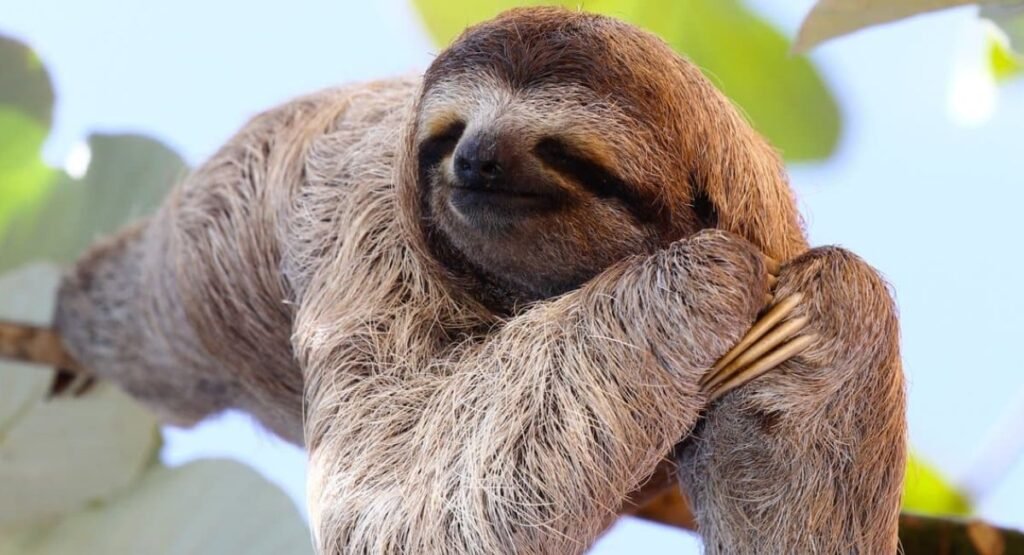
These remarkable animals exemplify slow movement as they navigate the canopies of Central and South American rainforests. Using their long limbs and specialized claws, sloths hang effortlessly from tree branches, allowing them to blend into their surroundings and evade predators.
Interestingly, sloths are not the only creatures with surprising physical limitations many animals without legs have developed equally remarkable survival strategies.
Rhinos (Can A Rhino Jump?)
Rhinos, scientifically known as Rhinocerotidae, belong to the class Mammalia and the family Rhinocerotidae. As herbivores, these magnificent creatures primarily feed on grasses, leaves, and shrubs, relying on their massive bodies and strong teeth to graze effectively. With weights ranging from 1,800 to over 5,000 pounds, their substantial body mass contributes to their stocky, robust structure, designed for strength rather than agility.
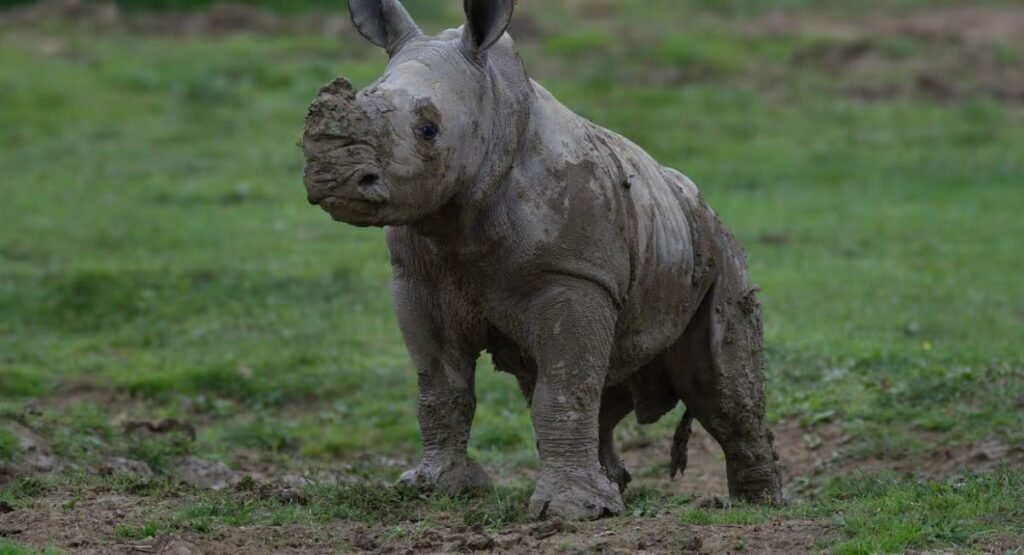
Their weight and anatomy limit their ability to leap, with legs built more for support than for vertical movement. Instead, rhinos are impressive runners, capable of reaching speeds up to 30 miles per hour over short distances, showcasing just how powerful these gentle giants are on solid ground.
Porcupines
Porcupines, scientifically known as Erethizon dorsatum, belong to the class Mammalia and the family Erethizontidae. As herbivores, they primarily feast on bark, leaves, and fruits, showcasing their affinity for a plant-based diet. These fascinating creatures are equipped with a unique defense mechanism: quills. When threatened, a porcupine will raise its quills, creating an intimidating barrier that deters potential predators.
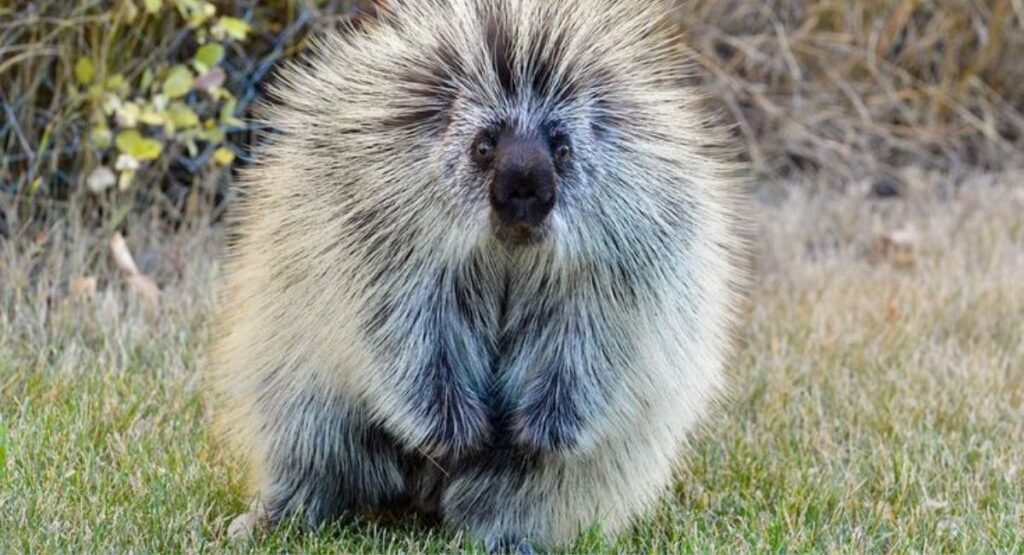
Unlike many other mammals, porcupines exhibit impressive climbing abilities, allowing them to navigate trees with ease. Their sharp claws and powerful limbs enable them to ascend high branches in search of food and shelter. This arboreal prowess not only aids in their survival but also offers a unique vantage point from which to spot danger.
Opossums
The opossum, scientifically known as Didelphis virginiana, belongs to the class Mammalia and the family Didelphidae. This unique marsupial is an omnivore, thriving on a diverse diet that ranges from fruits and insects to small animals and carrion.
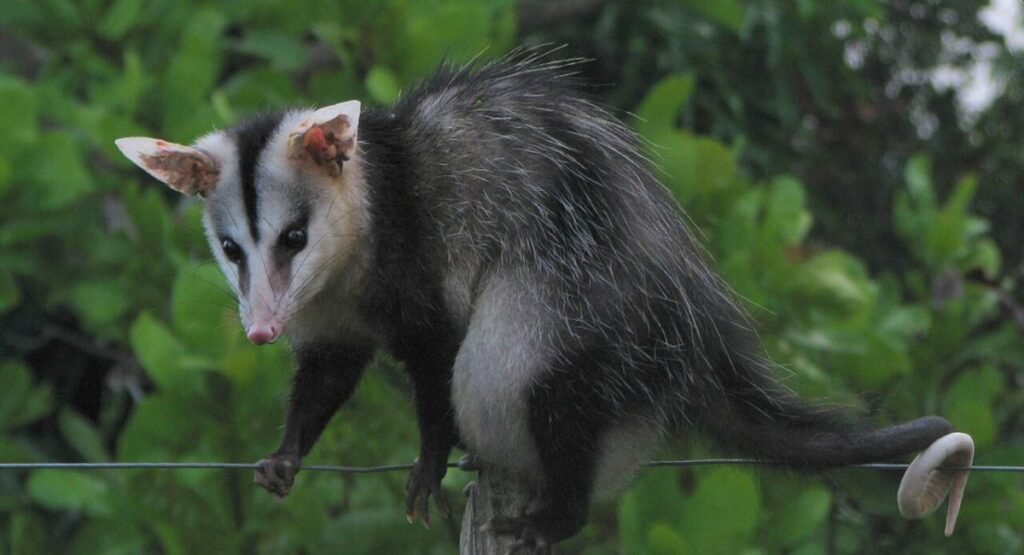
One of the most fascinating behaviors exhibited by opossums is their ability to “play dead” as a defense mechanism. When threatened, they can enter a state of tonic immobility, appearing lifeless to deter predators.
Manatees
Manatees, scientifically known as Trichechus spp., belong to the class Mammalia and the family Trichechidae. As herbivores, these gentle giants thrive on seagrasses and other aquatic vegetation, showcasing a unique adaptation to their environment.
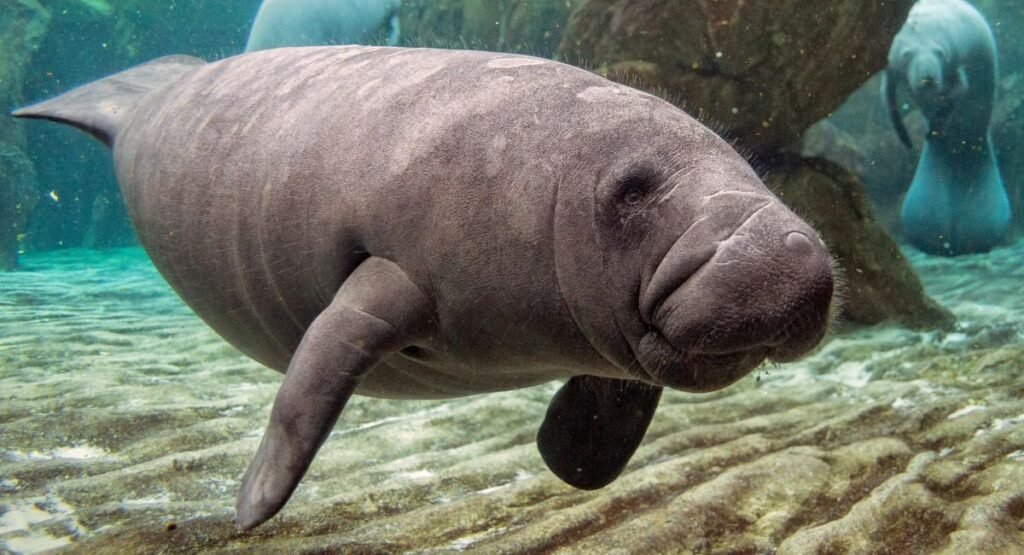
Swimming at a leisurely pace, manatees rarely exceed 5 miles per hour, emphasizing their unhurried way of life. Unlike many marine mammals, they don’t leap from the water, adhering to their tranquil nature. This slow swimming allows them to conserve energy while navigating their freshwater and saltwater habitats, where they play a crucial role in maintaining the health of aquatic ecosystems by controlling plant growth.
Giraffes
Giraffes, scientifically named Giraffa camelopardalis, belong to the class Mammalia and the family Giraffidae. These majestic herbivores are remarkable not just for their towering height but also for their unique adaptations that enable them to thrive in the savannahs of Africa.
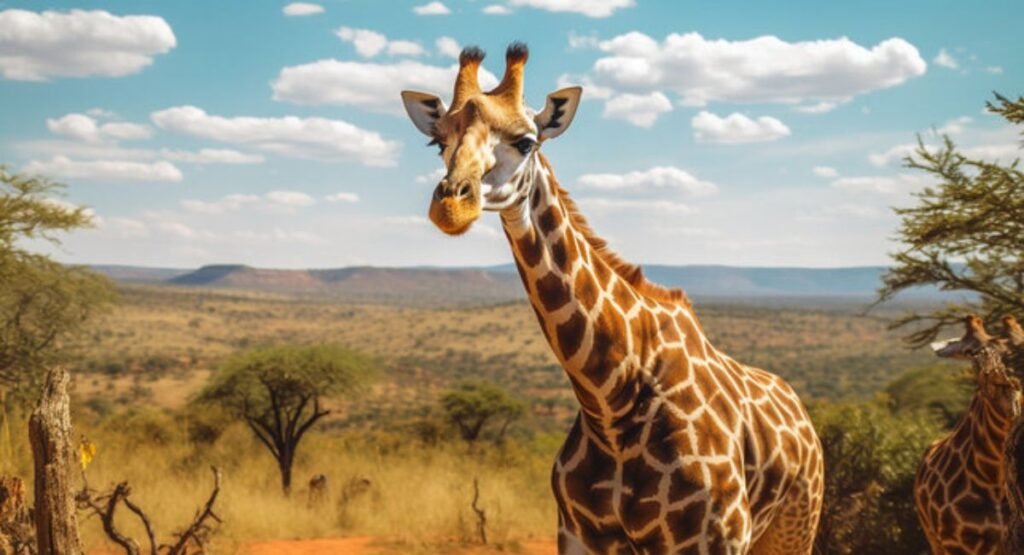
Instead of leaping, giraffes use a graceful walking style characterized by a distinctive pacing gait, where both legs on one side move sequentially, followed by the legs on the other. When they run, they employ a unique “bounding” motion, utilizing their powerful legs to cover ground efficiently while maintaining their impressive balance.
Whales
Whales, scientifically known as Cetacea, belong to the class Mammalia and primarily the family Balaenopteridae, among others. As carnivores, these majestic creatures have evolved a unique aquatic body design that allows them to thrive in the ocean’s depths. Their streamlined bodies minimize drag, enabling swift movements in water, essential for hunting and evading predators.
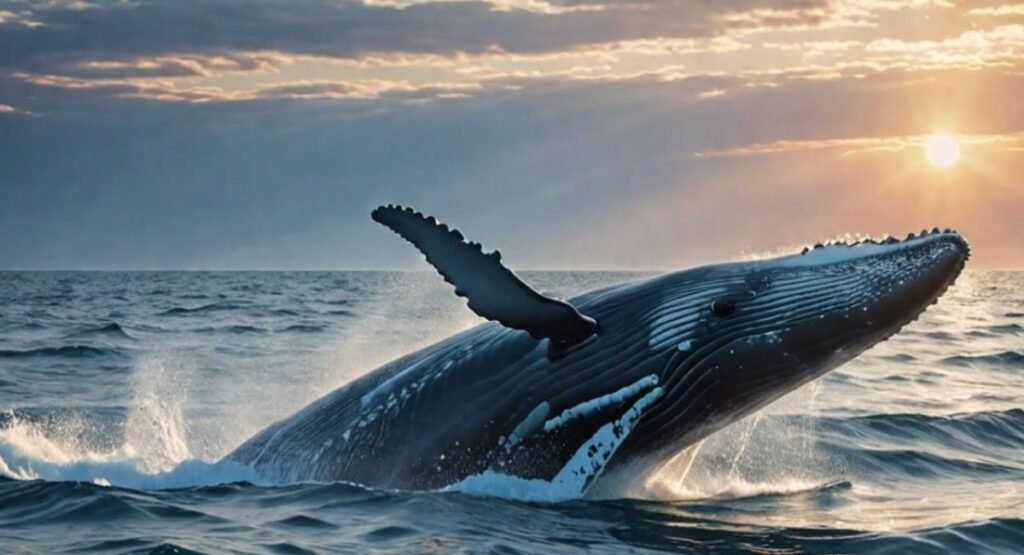
Contrary to popular belief, breaching in whales is not akin to jumping in land mammals; it’s a powerful display often used for communication or to shake off parasites. During breaching, whales launch their enormous bodies out of the water, creating impressive splashes that resonate across the ocean.
Armadillos
Armadillos, belonging to the scientific family Dasypodidae, are fascinating members of the class Mammalia. With their omnivorous diet, these unique creatures adapt to various environments, foraging for insects, plants, and small vertebrates. Much like scavenger animals in the world, armadillos play an important role in their ecosystems by consuming insects and carrion that other animals leave behind.
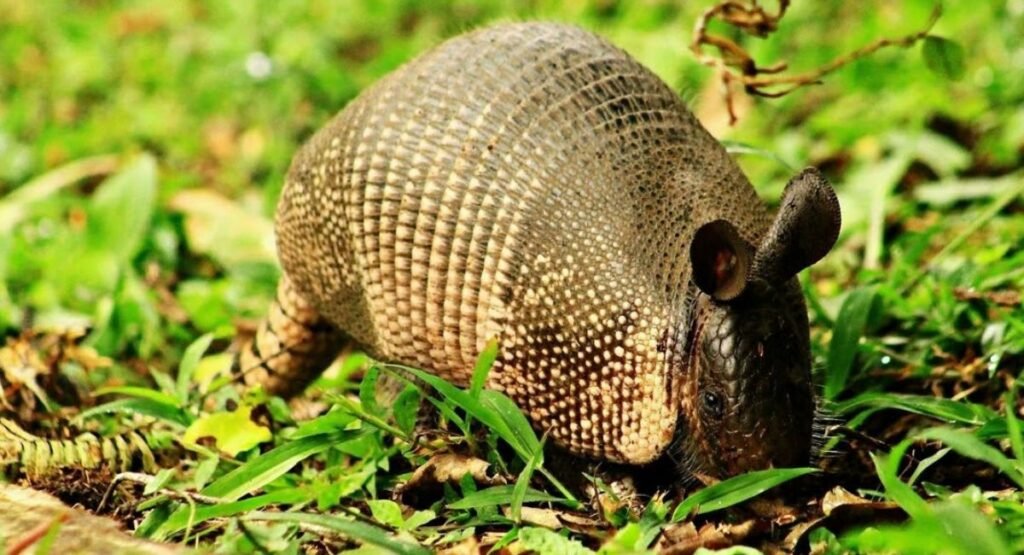
Rather than taking flight, armadillos excel in their digging behavior, using their strong, clawed limbs to burrow into the ground. This enables them to find food, create shelters, and escape threats. Their movement is both efficient and purposeful, allowing them to quickly explore their habitats while remaining adept at leaving few traces behind.
Conclusion
The exploration of the Mammals That Cannot Jump reveals an intriguing aspect of nature’s ingenuity. These animals may have foregone the ability to leap, but they have compensated with remarkable adaptations that enhance their survival in challenging environments.
By developing alternative strategies be it through strength, swimming prowess, or climbing abilities these mammals demonstrate a stunning resilience. The diverse adaptations of these species remind us that evolution takes many paths, often leading to unexpected forms of success.
FAQs
What Is The Only Mammal That Doesn’t Jump?
Elephants are widely considered the only mammals that cannot jump because of their heavy weight and unique skeletal structure.
Can A Platypus Jump?
A platypus is also unable to jump effectively, as its body is adapted for swimming rather than leaping on land.
What Mammals Are Unable To Jump?
Mammals like elephants, hippos, sloths, and porcupines cannot jump due to their body structure, and they rely on other adaptations to survive and thrive in their environments.
What Animal Cannot Jump?
The elephant is the largest land animal that cannot jump.
Because of its massive body weight and straight leg structure, at least one foot stays on the ground at all times.