Top 24 Skinny Animals In The World That Look Surprisingly Unreal
Skinny animals often defy our expectations, showcasing the incredible ways nature has adapted to create some truly fascinating creatures. From the elegant stretch of a gazelle to the sleek form of a slender snake, these lanky animals captivate us with their unique body structures, enabling them to thrive in various environments.
Let’s explore the top 24 skinny animals in the world that seem almost unreal in their form and function. Prepare to be amazed by the astonishing diversity and exceptional traits of these remarkable beings!
What Are Some Skinny Animals?
| Skinny Animals Types | Suggested Animal | Scientific Name | Class | Important Features |
|---|---|---|---|---|
| Long And Skinny Animals | Ribbon Eel | Rhinomuraena quaesita | Actinopterygii | Colorful long-bodied reef fish |
| Super Skinny Animals | Threadsnake | Leptotyphlops spp. | Reptilia | World’s thinnest tiny snake |
| Small Skinny Animals | Etruscan Shrew | Suncus etruscus | Mammalia | Smallest high-energy mammal |
| Skinny Animals | Meerkat | Suricata suricatta | Mammalia | Social desert survival expert |
| Tall Skinny Animals | Giraffe | Giraffa camelopardalis | Mammalia | Tallest long-necked land animal |
| Ugly Skinny Animals | Naked Mole Rat | Heterocephalus glaber | Mammalia | Wrinkled underground colony mammal |
| Naturally Skinny Animals | Greyhound | Canis lupus familiaris | Mammalia | Naturally lean racing dog |
| Long Skinny Animals | Asian Grass Lizard | Takydromus spp. | Reptilia | Agile long-tailed grass lizard |
Top 24 Skinny Animals List
| Animal | Scientific Name | Class |
| Meerkat | Suricata suricatta | Mammalia |
| Gazelle | Gazella | Mammalia |
| Giraffe | Giraffa camelopardalis | Mammalia |
| Needlefish | Belonidae | Actinopterygii |
| Stoat | Mustela erminea | Mammalia |
| Whippet | Canis lupus familiaris | Mammalia |
| Alpaca | Vicugna pacos | Mammalia |
| Greyhound | Canis lupus familiaris | Mammalia |
| Spotted Garden Eel | Heteroconger hassi | Actinopterygii |
| Red Slender Loris | Loris tardigradus | Mammalia |
| Mako Shark | Isurus oxyrinchus | Chondrichthyes |
| Kangaroo | Macropus | Mammalia |
| Etruscan Shrew | Suncus etruscus | Mammalia |
| Dragonfly | Anisoptera | Insecta |
| Ferret | Mustela putorius furo | Mammalia |
| Great Egret | Ardea alba | Aves |
| Common House Gecko | Hemidactylus frenatus | Reptilia |
| Stick Bug | Phasmatodea | Insecta |
| Brookesia Micra Chameleon | Brookesia micra | Reptilia |
| Ribbon Eel | Rhinomuraena quaesita | Actinopterygii |
| Carolina Mantis | Stagmomantis carolina | Insecta |
| Asian Grass Lizard | Takydromus spp. | Reptilia |
| Flying Dragon | Draco spp. | Reptilia |
| Threadsnake | Leptotyphlops spp. | Reptilia |
Meerkat
Scientific Name: Suricata suricatta
Class: Mammalia
Meerkats are slender creatures characterized by their elongated bodies and sharp features, typically found in the arid deserts of southern Africa. Their keen survival traits include the ability to stand upright on their hind legs, scanning the horizon for predators while blending seamlessly into their sandy habitat.
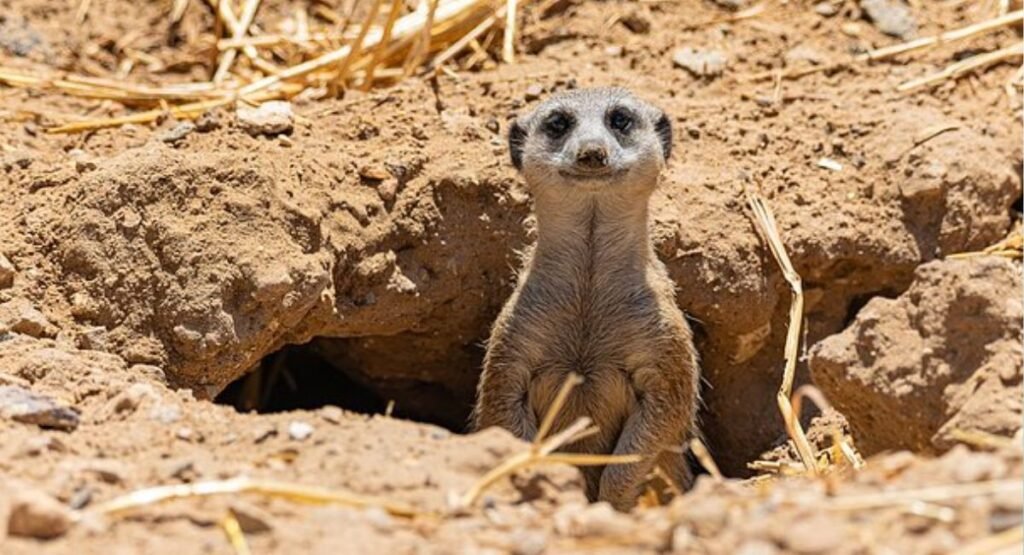
These social animals display fascinating behaviors, living in tight-knit groups called mobs. They are one of the best examples of animals that live in groups, where teamwork and communication are key to survival. Each member plays a role, from foraging to standing guard, making their group dynamic truly remarkable.
Gazelle
Scientific Name: Gazella
Class: Mammalia
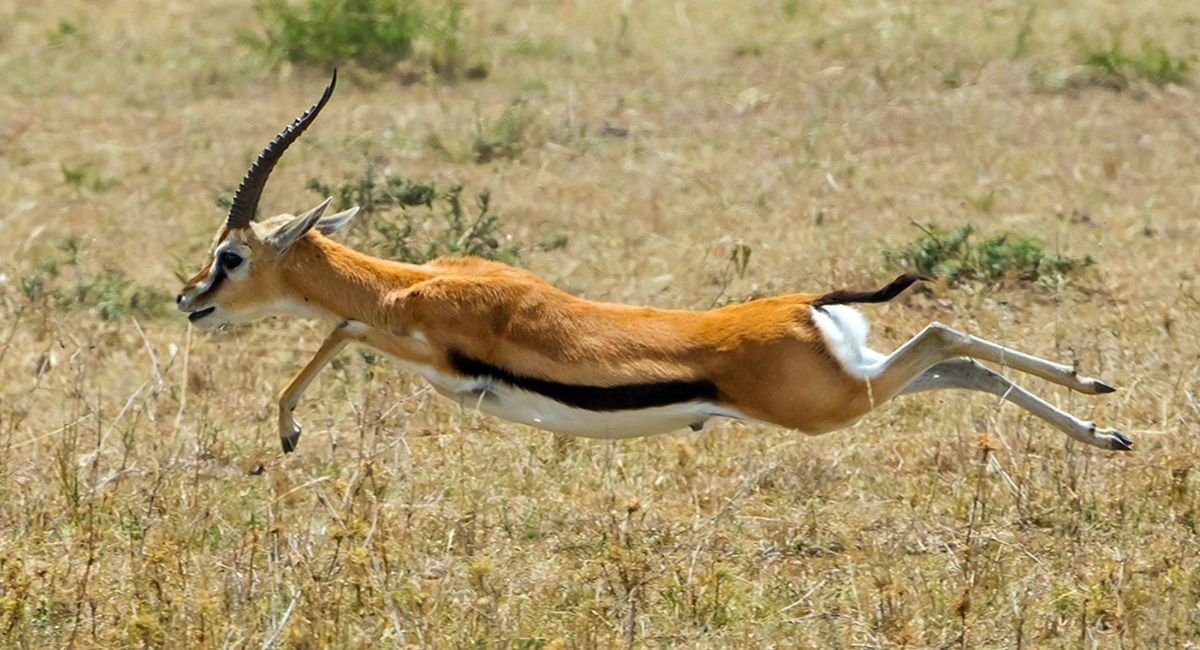
With their graceful, elongated bodies and long legs, gazelles are the epitome of skinny animals, perfectly adapted to the open savannas of Africa. Their light frame allows them to achieve extraordinary speed, evading predators with effortless bounds across the grasslands.
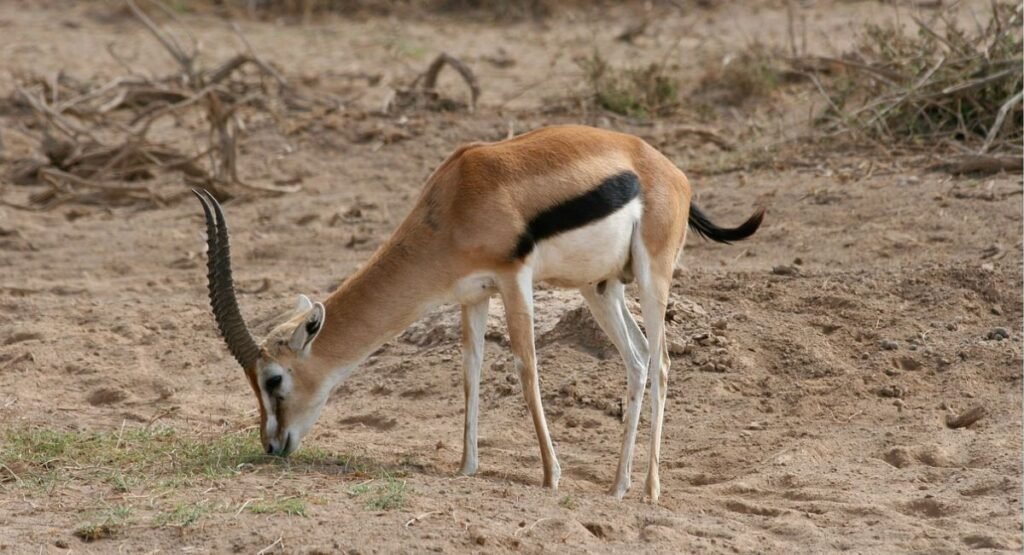
Gazelles exhibit a unique behavior where they leap into the air, a display known as stotting, to confuse and deter predators. This fascinating tactic, paired with their ability to camouflage among the tall grasses, plays a crucial role in their survival strategy in the wild.
Giraffe
Scientific Name: Giraffa camelopardalis
Class: Mammalia
The giraffe, with its towering and lanky stature, is an exemplar of skinny animals adapted for high browsing in African savannas. Their long necks, along with slender legs, give them a unique body shape that allows access to leaves and fruits that few other herbivores can reach.
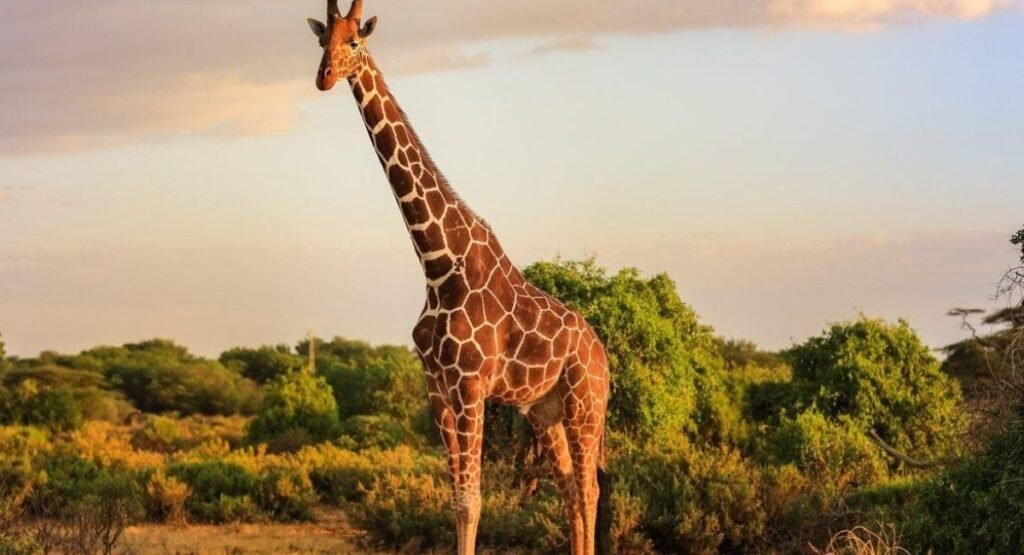
Despite their size, giraffes are surprisingly social and often engage in playful behaviors, such as neck wrestling, to establish dominance within herds. Their height not only aids in foraging but also offers a vantage point for spotting approaching predators, reinforcing their critical role in the ecosystem.
Needlefish
Scientific Name: Tylosaurus
Class: Actinopterygii
Needlefish are long, slender marine creatures, exhibiting a streamlined body design that helps them slice effortlessly through the water. Often found in warm coastal waters, their sleek form enhances their agility as they dart among shallow reefs.
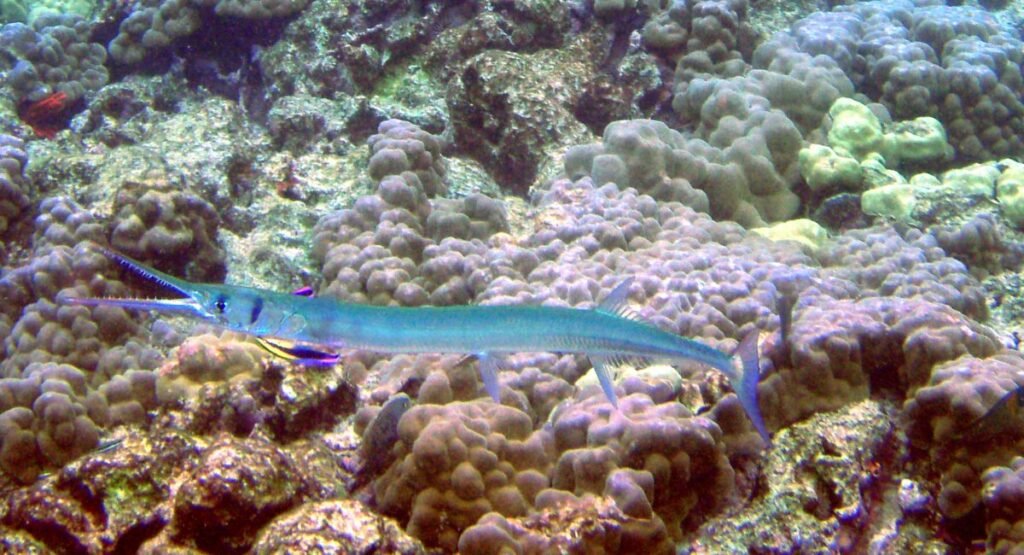
Displaying remarkable hunting techniques, needlefish have evolved to leap out of the water to catch prey. Their ability to swiftly navigate and blend with their environment makes them adept at avoiding larger predators, adding a captivating layer to their underwater existence.
Stoat
Scientific Name: Mustela erminea
Class: Mammalia
The stoat, a small but agile member of the weasel family, features a wiry body and a distinctive coat that changes with the seasons, making it an outstanding example of a skinny animal in the wild. With a habitat ranging from woodlands to grasslands, they blend seamlessly into varied environments.
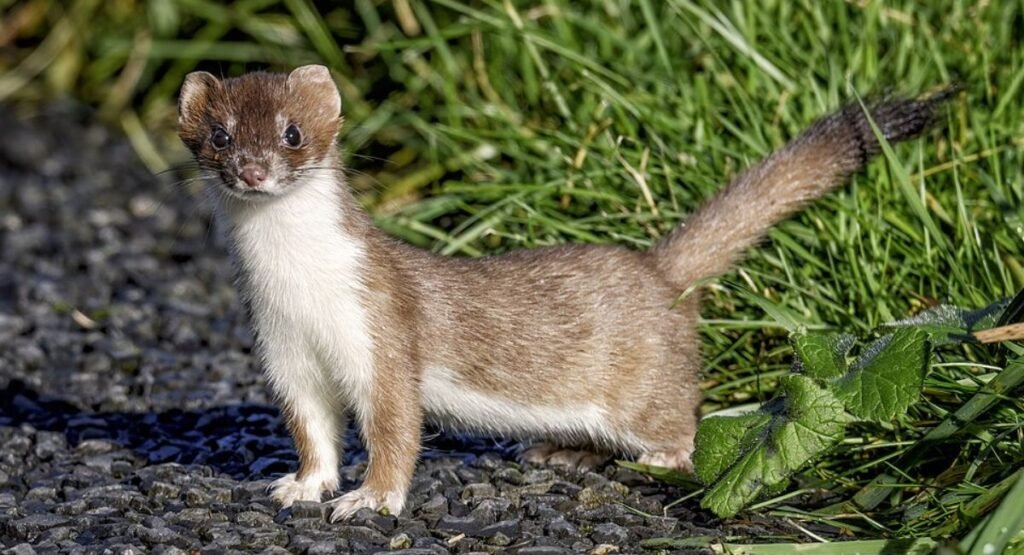
Stoats are particularly known for their adept hunting style, employing stealth and speed to ambush smaller rodents. Their intelligence and cunning strategies make them fascinating predators, showcasing how adaptability plays a pivotal role in their ecosystem niche.
Whippet
Scientific Name: Canis lupus familiaris
Class: Mammalia
Whippets stand out among lanky animals with their lean, athletic build, designed for speed and agility. These slender dogs are known for their graceful movements and are often seen racing across fields, embodying an incredible blend of form and function.
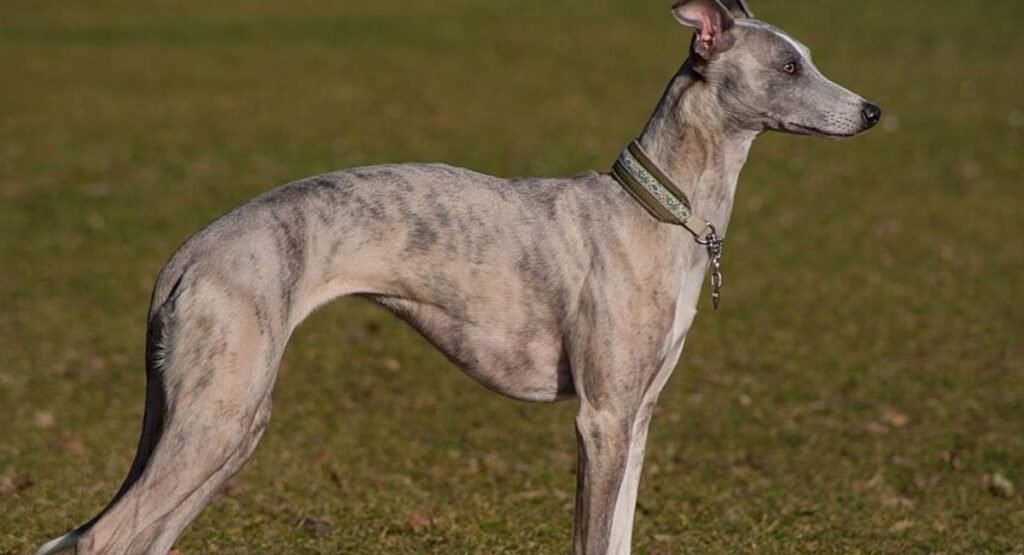
Remarkably gentle and affectionate, whippets also showcase a unique personality, often forming close bonds with their human companions. Their speed is complemented by an innate ability for camouflage in grassland environments, revealing how this skinny animal thrives both in performance and companionship.
Alpaca
Scientific Name: Vicugna pacos
Class: Mammalia
Alpacas, although slightly stockier than some skinny animals, exhibit a long and slender neck, accentuating their unique appearance against the mountainous backdrop of South American highlands. Their soft fleece not only serves as a protective layer against cold but also contributes to their charming allure.
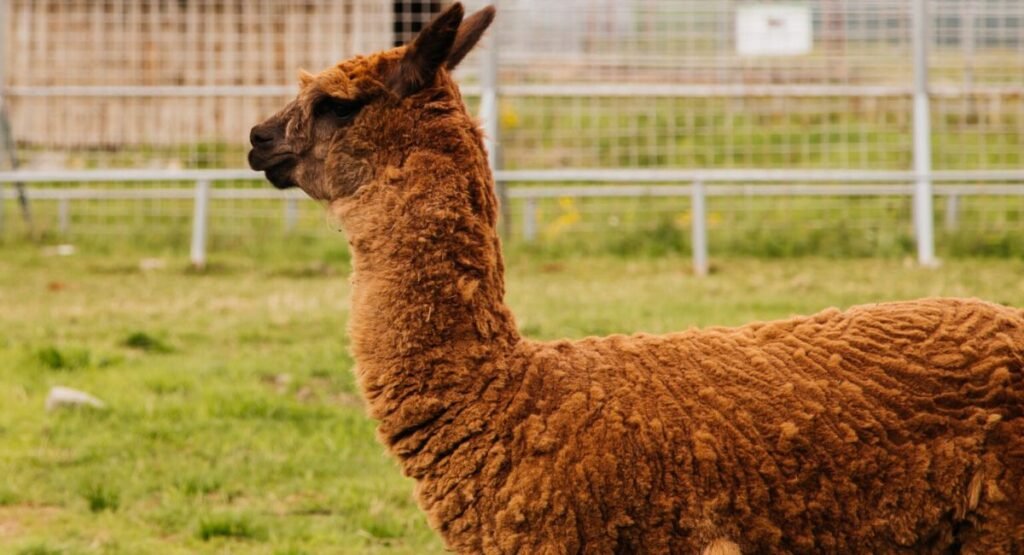
Known for their gentle behavior, alpacas communicate through a variety of sounds and often exhibit social structures within their herds. Their grazing habits play an essential role in maintaining the delicate balance of their ecosystem, making them vital contributors to their environment.
Greyhound
Scientific Name: Canis lupus familiaris
Class: Mammalia
The greyhound is a quintessential skinny animal, showcasing an elegant, streamlined physique suited for incredible speed on the racetrack. Their lightweight build, combined with powerful long legs, enables them to reach astonishing speeds, often exceeding 40 miles per hour.
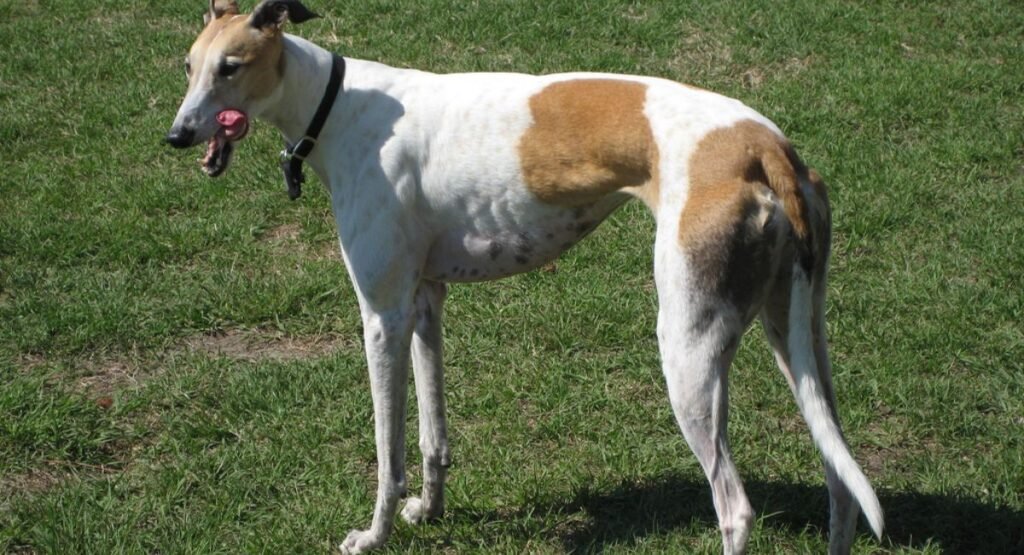
These dogs also exhibit delightful personalities, often displaying a calm demeanor when not racing. It is hard to imagine a greater contrast with the world’s slow animals, who rely on patience and camouflage rather than raw speed. Greyhounds, however, have turned velocity into their greatest survival and social asset.
Spotted Garden Eel
Scientific Name: Heteroconger hassi
Class: Actinopterygii
The spotted garden eel is a striking example of a long skinny animal that resides within sandy ocean floors, showcasing an almost mesmerizing appearance with its elongated body and spotted patterns. These eels remain mostly submerged, adapting their slender shape to blend seamlessly into their habitat while foraging for plankton.
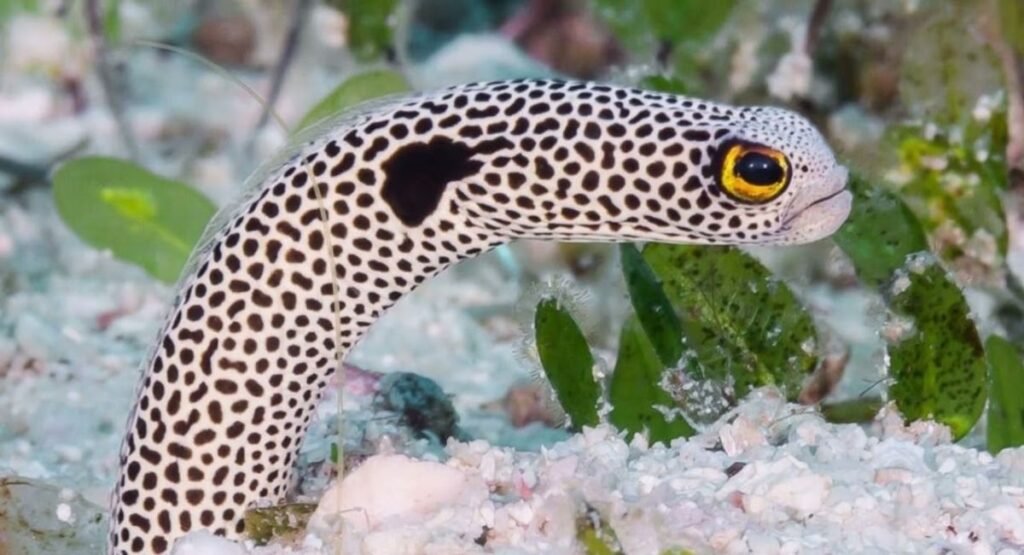
In a display of social behavior, garden eels are often seen peeking out from their burrows in groups, creating a fascinating underwater phenomenon. Their ability to camouflage from predators while forming communal relationships illustrates their unique role within the marine ecosystem.
Red Slender Loris
Scientific Name: Loris tardigradus
Class: Mammalia
The red slender loris is a small skinny animal known for its delicate limbs and large, expressive eyes, making it a captivating sight in the forests of Sri Lanka and southern India. Their slender bodies enable them to navigate trees in search of insects and fruits, showcasing their fascinating adaptations to an arboreal lifestyle.
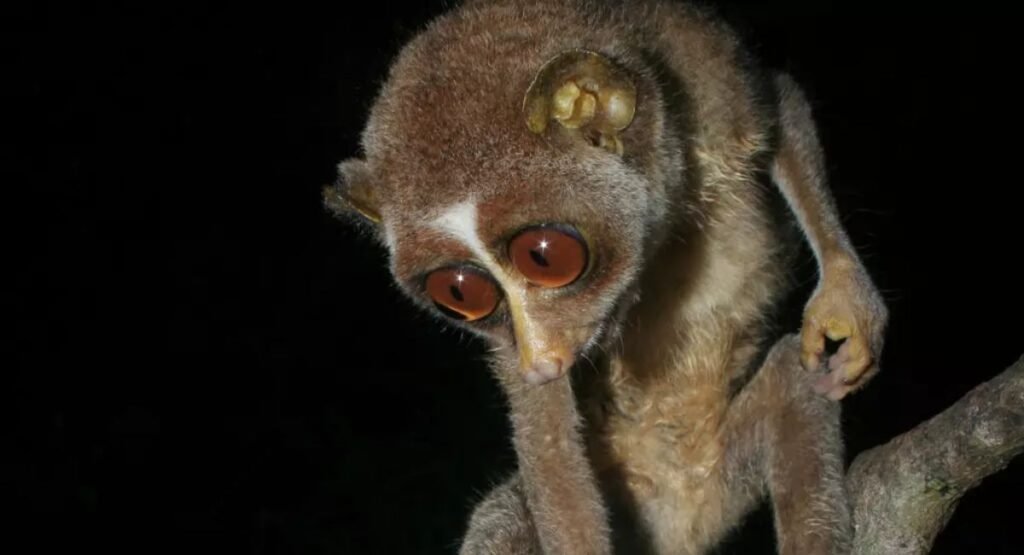
This nocturnal primate engages in a unique form of social interaction, often communicating through scent marking. Their slow movements and camouflage techniques are crucial for hunting, allowing them to surprise prey while also avoiding larger predators in their natural habitat.
Mako Shark
Scientific Name: Isurus
Class: Chondrichthyes
The mako shark stands out for its slender and aerodynamic body shape, tailored for speed and agility in open waters. Known as one of the fastest shark species, their streamlined design allows them to reach impressive speeds while hunting for fish.
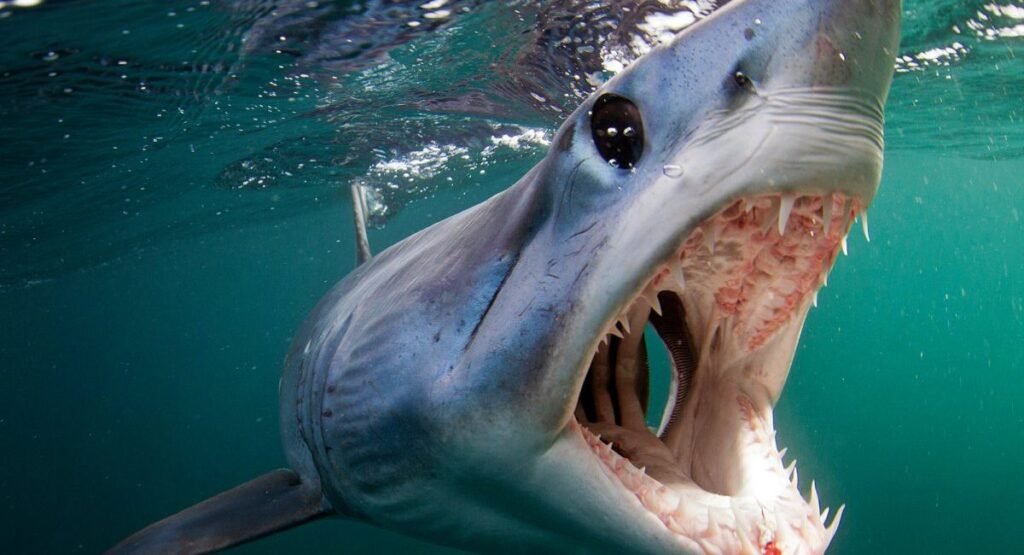
These remarkable predators exhibit fascinating hunting behaviors, often leaping out of the water to catch prey. Their intelligence in tracking and ambushing fish showcases their critical role in maintaining the balance of ocean ecosystems as apex predators.
Kangaroo
Scientific Name: Macropus
Class: Mammalia
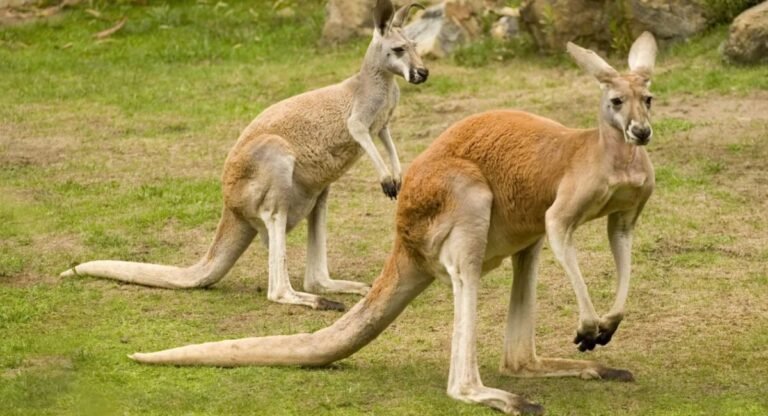
Kangaroos are iconic for their lanky physique, with strong hind legs that support their unique method of locomotion hopping. This adaptive style is energy-efficient, allowing them to traverse vast distances in the Australian outback, where they thrive in diverse habitats.
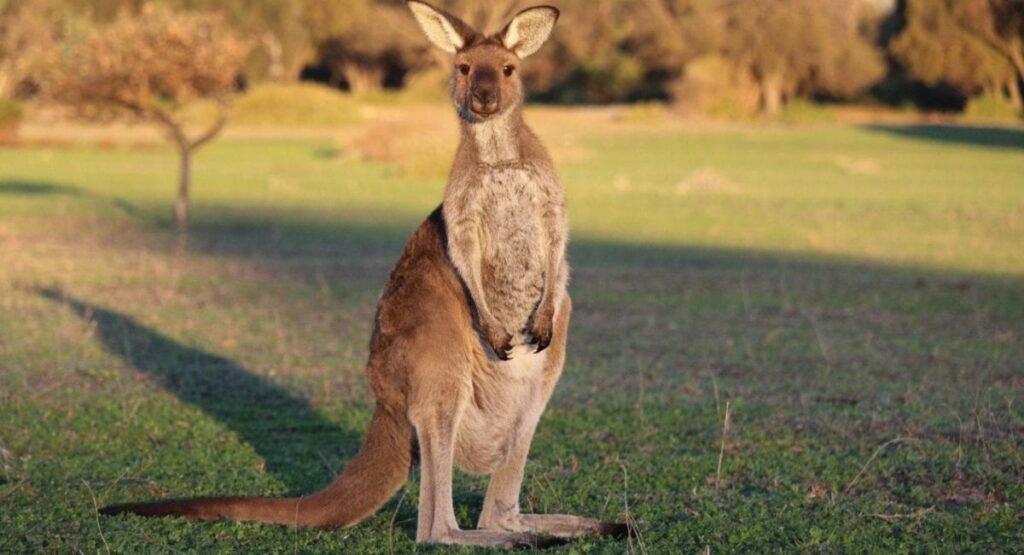
Kangaroos are iconic for their lanky physique, but do not let their slender frame fool you. Those powerful hind legs make them far more formidable than they appear, and if you are curious just how strong kangaroos really are, the answer might surprise you. Their muscular build is perfectly balanced with their lightweight frame for explosive movement across vast distances.”
Etruscan Shrew
Scientific Name: Suncus etruscus
Class: Mammalia
The Etruscan shrew, hailed as the skinniest animal in the world, measures just a few inches long and weighs less than a dime. This minuscule mammal boasts a slender body and a long snout, which helps it hunt insects with remarkable agility, relying on its high metabolism for survival.
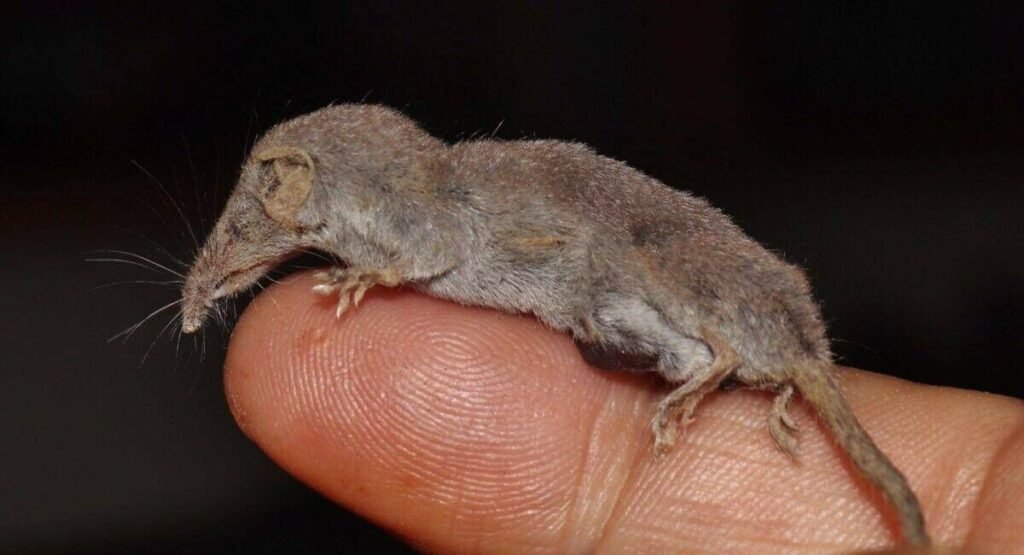
These tiny creatures exhibit fascinating behaviors, often burrowing through leaf litter to find food. Highly territorial, Etruscan shrews use their keen sense of smell to navigate their environment and communicate through various vocalizations, showcasing a surprising level of social complexity for such small beings.
Dragonfly
Scientific Name: Anisoptera
Class: Insecta
Dragonflies are known for their elongated bodies and transparent wings that shimmer in the sunlight, giving them an elegant appearance as they dart through the air. With their large eyes and incredible flying skills, these skinny animals are adept hunters, catching prey mid-flight with remarkable precision.
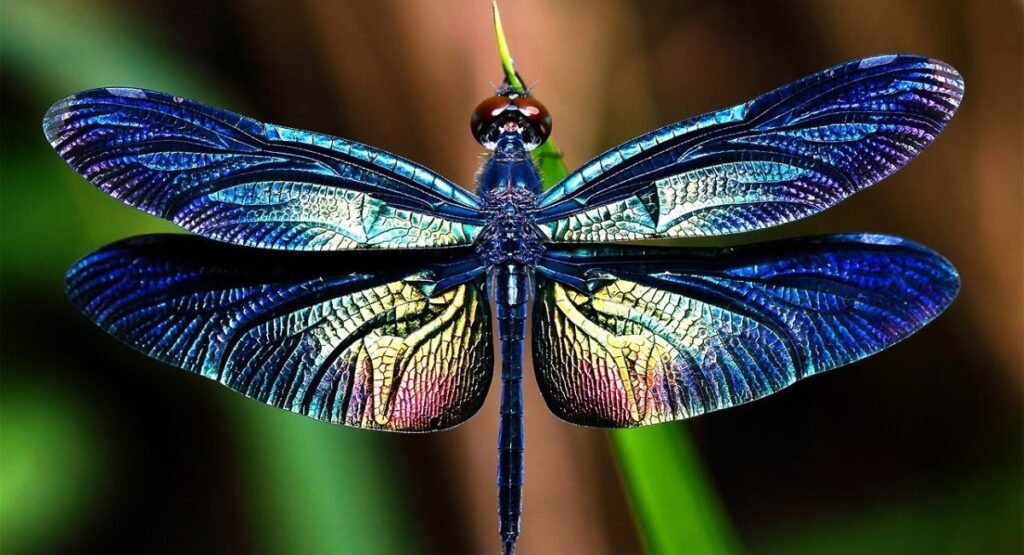
These agile insects are not just beautiful; they play a pivotal role in their ecosystems by controlling populations of mosquitoes and other pests. Furthermore, dragonflies undergo a fascinating metamorphosis, evolving from aquatic larvae to airy aerial predators, demonstrating their incredible adaptability and resilience within various habitats.
Ferret
Scientific Name: Mustela putorius furo
Class: Mammalia
Ferrets have a long, slender physique that allows them to wriggle into tight spaces while hunting for small rodents. Their silky fur and sharp senses make them both engaging pets and skilled hunters, with a playful, inquisitive nature that captivates many.
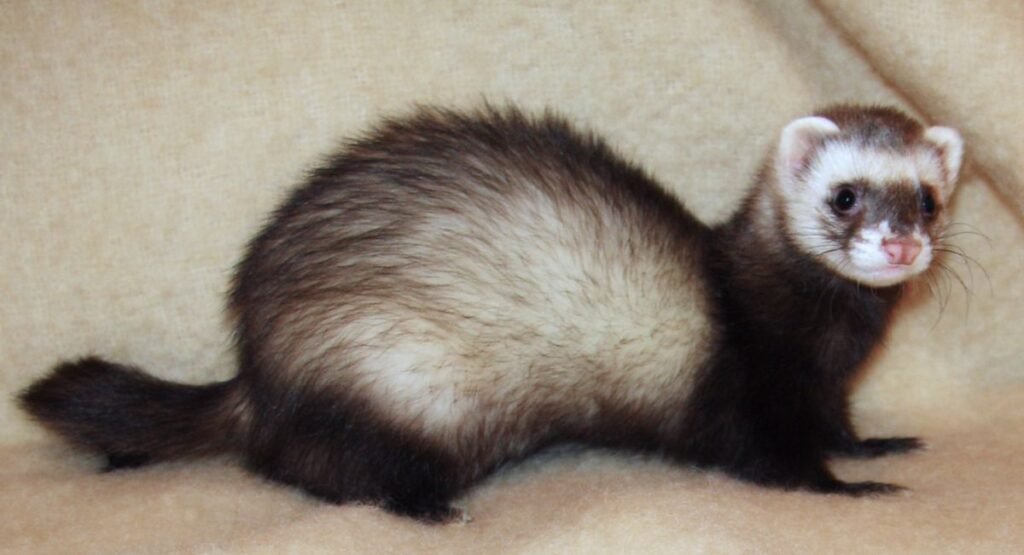
In addition to their physical attributes, ferrets exhibit a unique behavior known as “dooking,” a joyful noise they make while playing or exploring. They are highly social animals, forming strong bonds with their human companions, showcasing a blend of intelligence and personality that highlights their role as beloved pets and skilled hunters alike.
Great Egret
Scientific Name: Ardea alba
Class: Aves
The Great Egret stands tall with its slender neck and long legs, making it one of the most graceful birds in wetland ecosystems. This skinny creature is not just about aesthetics; its elegant form aids in stealth, allowing it to stalk prey such as fish and amphibians with ease.
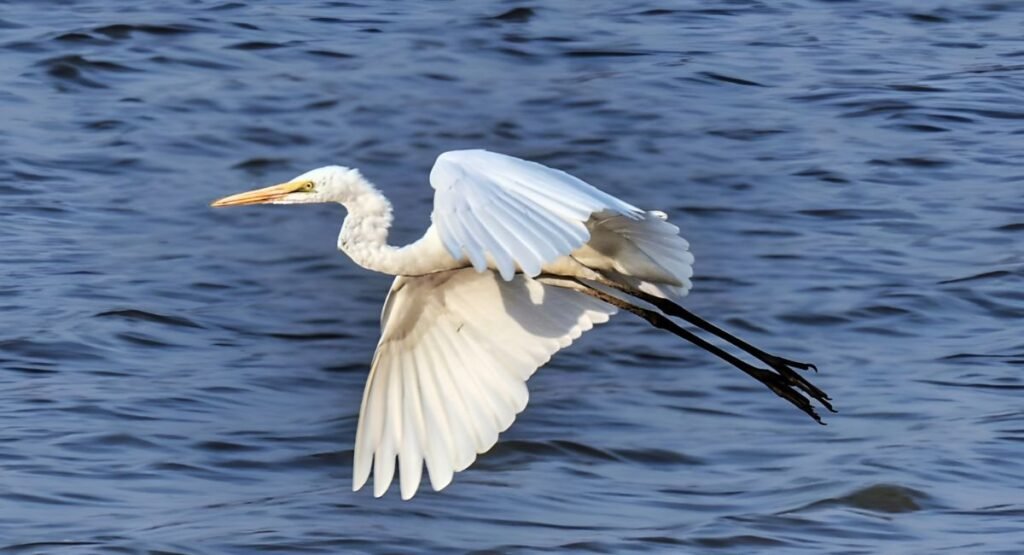
These majestic birds are also known for their intriguing courtship displays, where they flaunt their plumage to attract mates. Their vital role in the ecosystem helps maintain fish populations, underscoring their importance in preserving the balance of aquatic environments.
Common House Gecko
Scientific Name: Hemidactylus frenatus
Class: Reptilia
The Common House Gecko, with its elongated limbs and smooth skin, is a true marvel of adaptability. This skinny animal can squeeze into tiny crevices, making it an expert at navigating human habitats in search of insects to feast on.
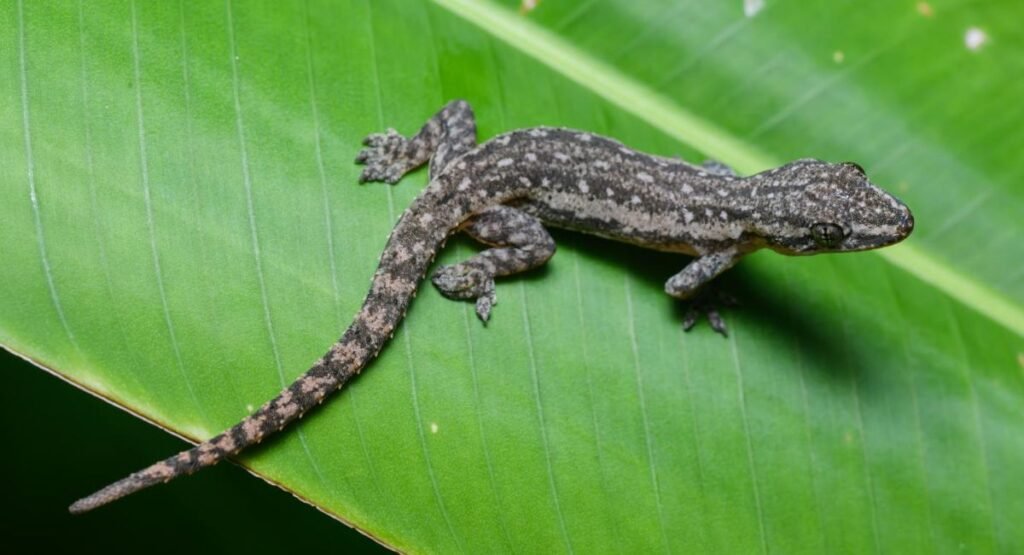
Known for their distinctive chirping sounds, geckos communicate with one another, showcasing surprising social interactions. Their ability to regenerate tails after loss also provides unique insights into their resilience and survival strategies in the wild.
Stick Bug
Scientific Name: Phasmatodea
Class: Insecta
Revered as one of the ultimate skinny creatures, stick bugs sport elongated bodies and limb structures that mimic twigs, providing perfect camouflage against predators. These masterful stilt-walkers ensure their survival by blending seamlessly into foliage, making them nearly undetectable in their habitats.
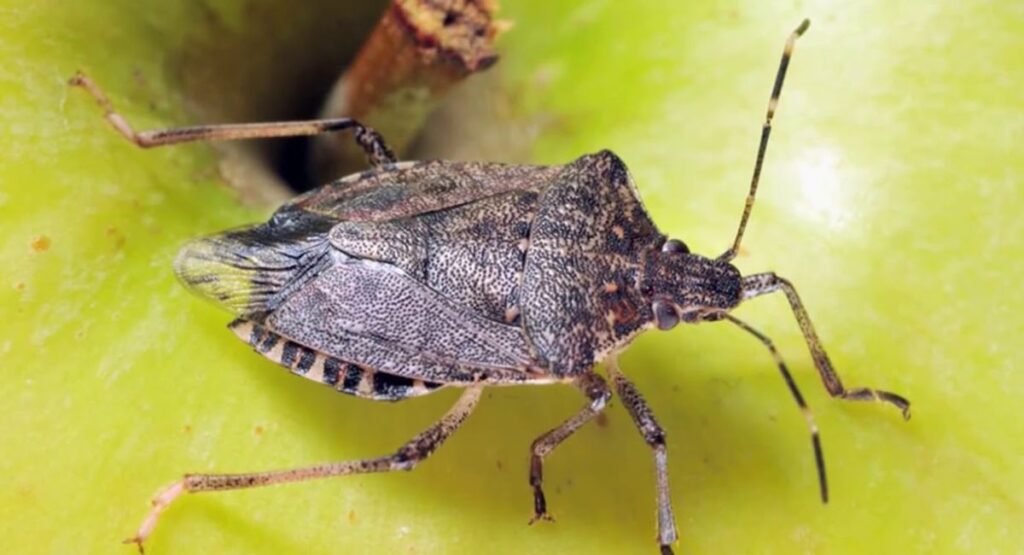
Stick bugs employ fascinating defensive tactics, such as dropping to the ground and remaining still or even mimicking plants when threatened. This remarkable adaptation highlights their evolutionary success in avoiding predation amidst dense vegetation.
Brookesia Micra Chameleon
Scientific Name: Brookesia micra
Class: Reptilia
The Brookesia micra chameleon, measuring no more than an inch, is one of the tiniest reptiles on Earth, showcasing a slender body and a delicate head. Its size and form allow it to expertly navigate the leaf litter of Madagascar, camouflaging itself from predators.
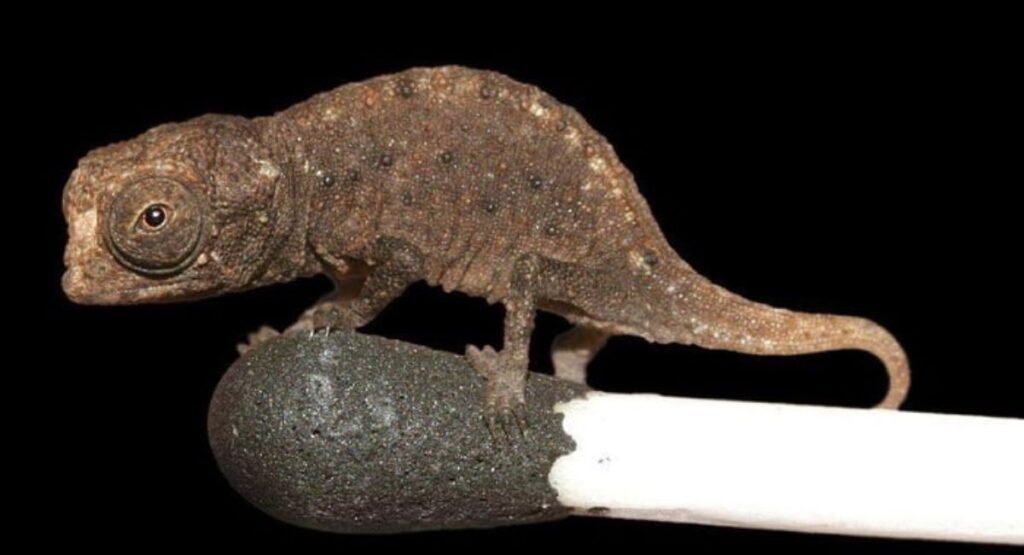
These remarkable creatures are not just small; they exhibit extraordinary color-changing abilities that help them blend into their surroundings or communicate with others. Their fragile existence underscores the importance of conservation, as habitat loss threatens their survival.
Ribbon Eel
Scientific Name: Rhinomuraena quaesita
Class: Actinopterygii
The Ribbon Eel is celebrated for its slim, elongated body, which can stretch several feet in length, making it one of the long skinny animals of the ocean. Its vibrant coloration and unique shape help it blend in with coral reefs, both for hunting and evading detection by predators.
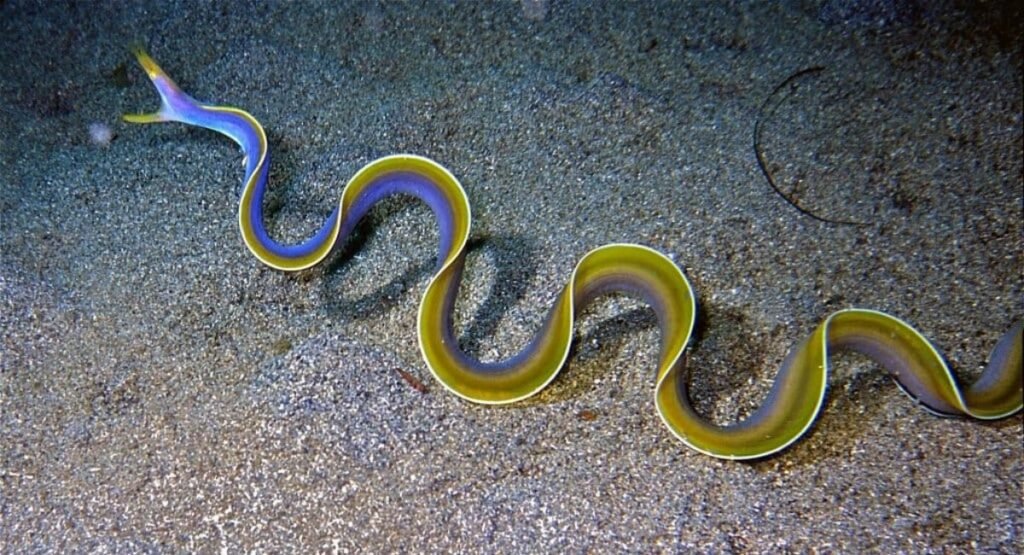
Living in reef crevices, these eels showcase fascinating behaviors, emerging only to hunt or defend their territory. Their striking appearance and elusive nature highlight their role in maintaining the ecological balance within their marine habitats.
Carolina Mantis
Scientific Name: Stagmomantis carolinensis
Class: Insecta
The Carolina Mantis features an elongated, slender body that makes it a model predator among the insect world. With its raptorial forelegs designed for grabbing prey, this skinny insect can tackle creatures much larger than itself, demonstrating its prowess as a hunter.
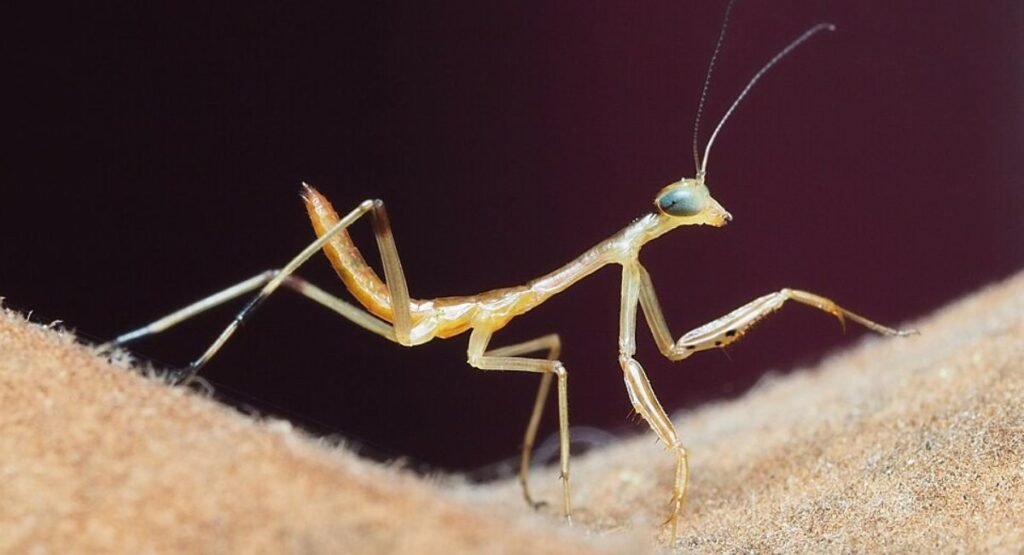
Carolina mantises possess a unique capability for visual tracking, allowing them to follow the movements of prey with precision. Their role as both predator and prey contributes to the complex dynamics of their ecosystem, making them vital players in balancing populations within their habitat.
Asian Grass Lizard
Scientific Name: Takydromus tachydromoides
Class: Reptilia
The Asian Grass Lizard is characterized by its sleek, elongated form, perfectly suited for darting through tall grass and vegetation. This skinny creature relies on its speed and agility to escape predators while hunting for insects and small invertebrates.
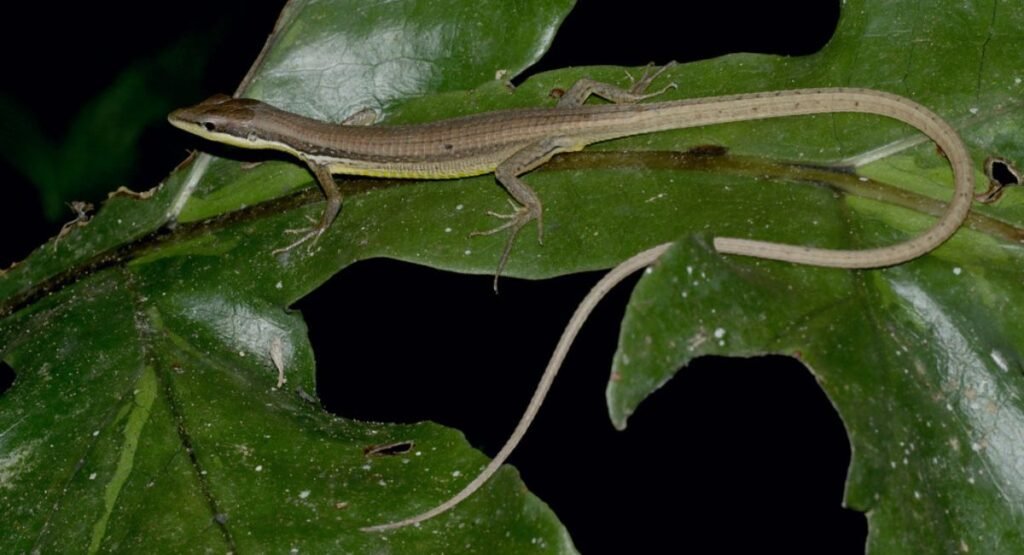
These lizards thrive in a variety of habitats, displaying incredible adaptability to different environments. Their keen eyesight allows them to spot danger and make swift escapes, showcasing a survival strategy well honed through evolution.
Flying Dragon
Scientific Name: Draco volans
Class: Reptilia
The Flying Dragon boasts a slender, elongated body that allows it to glide between trees with grace. Equipped with rib-extended skin flaps, these remarkable reptiles can soar up to ten meters from one branch to another, capturing their prey of insects mid-flight.
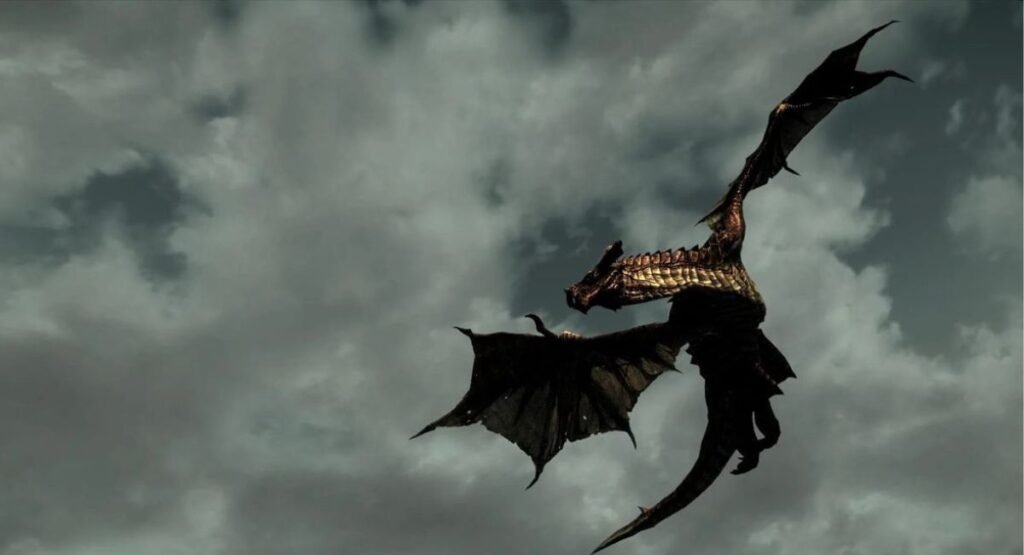
These captivating creatures are masters of camouflage, blending harmoniously with their leafy surroundings. Their unique gliding ability highlights their ecological role as both predators and prey within forest ecosystems, showcasing their evolutionary brilliance.
Threadsnake
Scientific Name: Leptotyphlops
Class: Reptilia
The Threadsnake, one of the skinniest animals around, presents a strikingly slender and tiny form, resembling a thin worm. These snakes burrow into the soil, using their agility to navigate through the earth in search of small invertebrates for food.
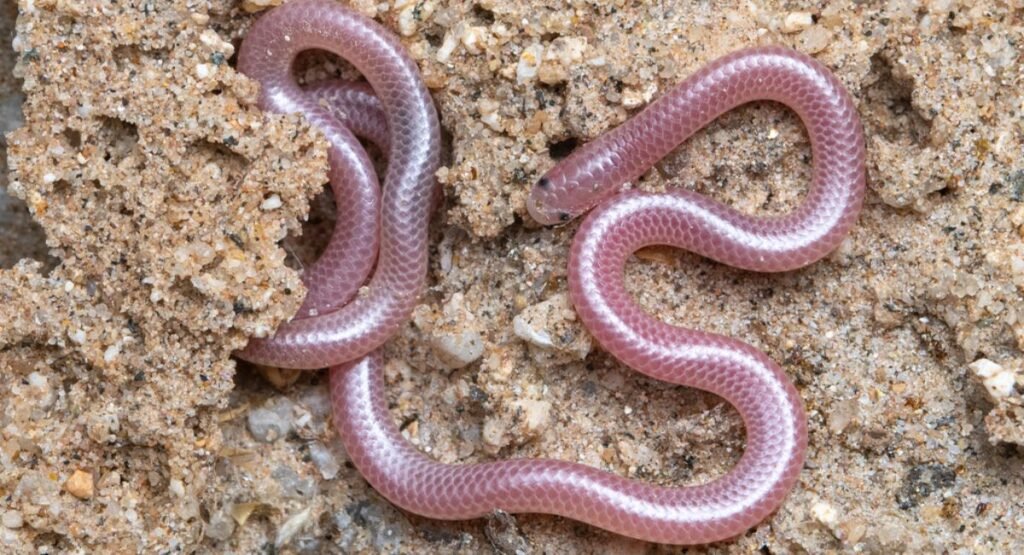
Their subterranean lifestyle leads to interesting adaptations, such as reduced eyesight and a keen sense of smell, essential for survival in their hidden environments. This secretive existence highlights the diverse strategies that different animals employ to thrive, adding depth to our understanding of life beneath the surface.
Conclusion
The fascinating world of skinny animals showcases how their unique body structures play a crucial role in survival. These slender physiques are often tailored for speed and agility, allowing them to escape predators with remarkable quickness.
Many skinny animals exhibit exceptional camouflage, blending seamlessly into their environments to avoid detection. Their flexibility and adaptability enable them to thrive in various habitats, demonstrating the remarkable ways nature optimizes body forms for survival.
FAQs
What Is the Most Skinny Animal?
The Etruscan shrew is often considered one of the skinniest and smallest mammals in the world. It has a tiny lightweight body, an extremely fast metabolism, and a narrow shape that helps it move through dense vegetation and small spaces easily.
What Is a Tall, Skinny Animal
The giraffe is one of the most famous tall skinny animals. Its long neck and slim legs help it reach leaves high in trees while also allowing it to spot predators from far distances across open grasslands.
What Are Naturally Skinny Animals?
Naturally skinny animals are species that are genetically lean and slim without being unhealthy. Greyhounds, whippets, gazelles, and giraffes are examples of naturally skinny animals that evolved for speed, balance, and endurance.
What Are Small Skinny Animals?
Small skinny animals include the Brookesia micra chameleon, Etruscan shrew, common house gecko, and Carolina mantis. Their tiny slender bodies help them hide easily and adapt to compact environments.
What Are Super Skinny Animals?
Super skinny animals are species with extremely thin or lightweight bodies compared to their size. Examples include the threadsnake, Etruscan shrew, slender salamander, and stick bug. These animals use their slim shapes for survival advantages like camouflage and flexibility.