Top 24 Mischievous Animals In The World You Must See
Mischievous animals in the world have a unique ability to bring joy through their playful and audacious behavior. Whether it’s stealing snacks or performing unexpected stunts, these animals enrich our lives in remarkable ways.
Let’s explore the top 24 most mischievous animals, inviting you to discover their whimsical qualities and outrageous antics. Get ready to delve into a world where mischief reigns, and find out why these creatures are beloved by many across the globe.
What Are Mischievous Animals?
Mischievous animals are those creatures that exhibit playful and cunning behaviors, often delighting observers with their antics. From cheeky monkeys stealing snacks to raccoons deftly rummaging through trash, these animals showcase intelligence and creativity in their playful escapades.
Beyond mere behavior, the actions of mischievous animals can serve as a fascinating lens into their adaptability and survival skills. For instance, crows and parrots are known for their problem-solving abilities, using their wits to exploit human environments for food or shelter.
Why Are Some Animals So Mischievous?
Mischievous animals often showcase remarkable intelligence and curiosity, traits that drive them to explore their environments in creative ways. Playful animals like raccoons and monkeys engage in problem-solving activities, using their wits to navigate challenges, which often results in entertaining antics that delight observers.
Play behavior plays a crucial role in developing social bonds and honing essential survival skills. Mischievous young animals, such as otters, often engage in playful antics that teach them crucial life skills while simultaneously strengthening relationships with their peers.
Top 24 Mischievous Animals In The World
| No. | Animal | Scientific Name | Class | Diet |
| 1 | Raccoon | Procyon lotor | Mammalia | Omnivore |
| 2 | Monkey | Cercopithecidae (Various species) | Mammalia | Omnivore |
| 3 | Fox | Vulpes vulpes | Mammalia | Omnivore |
| 4 | Crow | Corvus brachyrhynchos | Aves | Omnivore |
| 5 | Raven | Corvus corax | Aves | Omnivore |
| 6 | Parrot | Psittaciformes | Aves | Omnivore |
| 7 | Dolphin | Delphinidae | Mammalia | Carnivore |
| 8 | Otter | Lutrinae | Mammalia | Carnivore |
| 9 | Goat | Capra hircus | Mammalia | Herbivore |
| 10 | Squirrel | Sciuridae | Mammalia | Omnivore |
| 11 | Cat | Felis catus | Mammalia | Carnivore |
| 12 | Dog | Canis lupus familiaris | Mammalia | Omnivore |
| 13 | Hyena | Crocuta crocuta | Mammalia | Carnivore |
| 14 | Capuchin Monkey | Cebus capucinus | Mammalia | Omnivore |
| 15 | Kea | Nestor notabilis | Aves | Omnivore |
| 16 | Magpie | Pica pica | Aves | Omnivore |
| 17 | Chimpanzee | Pan troglodytes | Mammalia | Omnivore |
| 18 | Rat | Rattus norvegicus | Mammalia | Omnivore |
| 19 | Ferret | Mustela putorius furo | Mammalia | Carnivore |
| 20 | Coati | Nasua nasua | Mammalia | Omnivore |
| 21 | Elephant | Loxodonta africana | Mammalia | Herbivore |
| 22 | Orca | Orcinus orca | Mammalia | Carnivore |
| 23 | Sea Otter | Enhydra lutris | Mammalia | Carnivore |
| 24 | Red Panda | Ailurus fulgens | Mammalia | Omnivore |
Raccoon
Scientific Name: Procyon lotor
Class: Mammalia
Diet: Omnivore
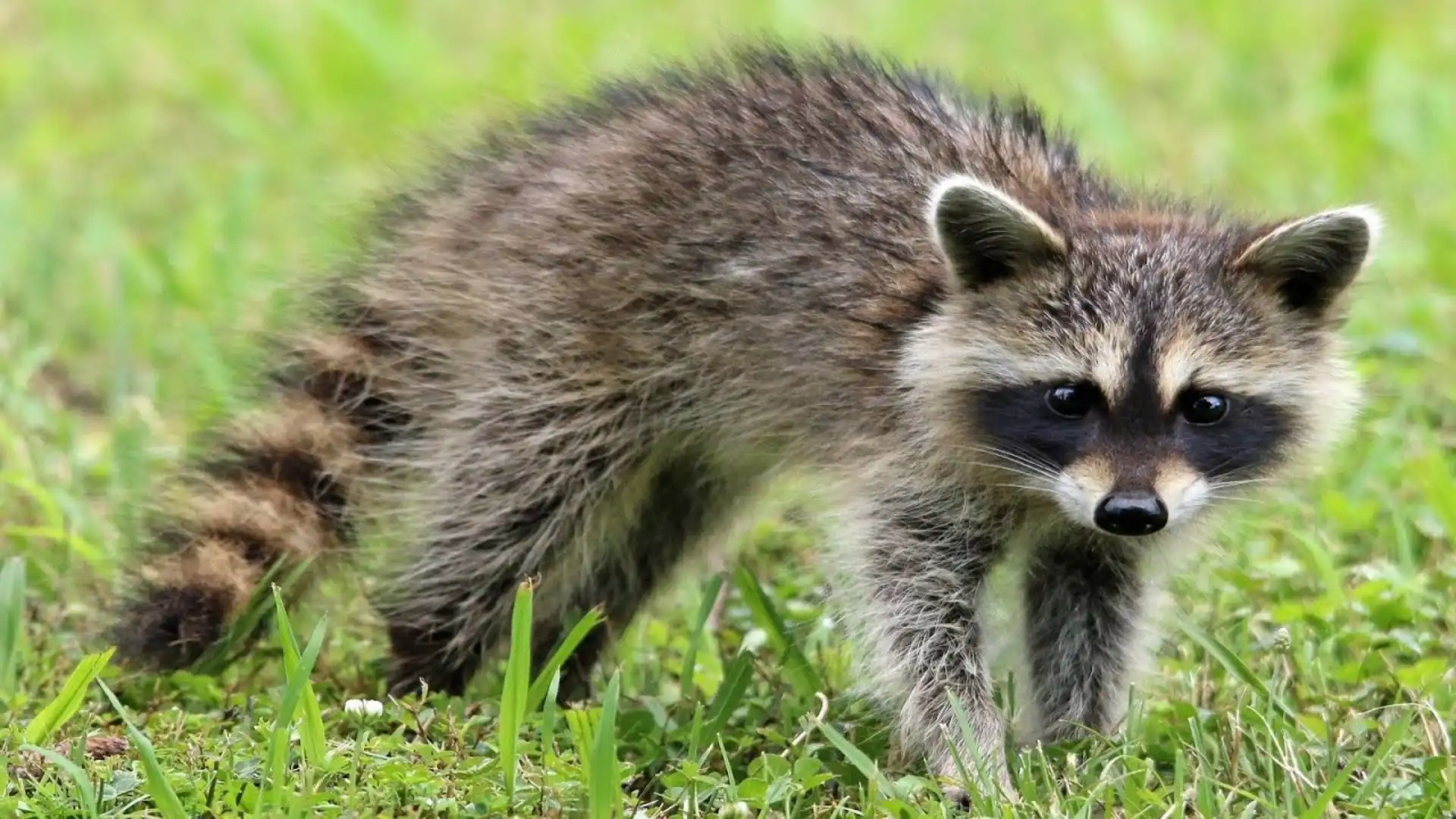
Raccoons are often celebrated as some of the most mischievous animals in the world, showcasing their cleverness through their dexterous paws. They have an uncanny ability to open containers and manipulate objects, leading to frequent forays into urban trash bins, where their nocturnal scavenging is a sight to behold.
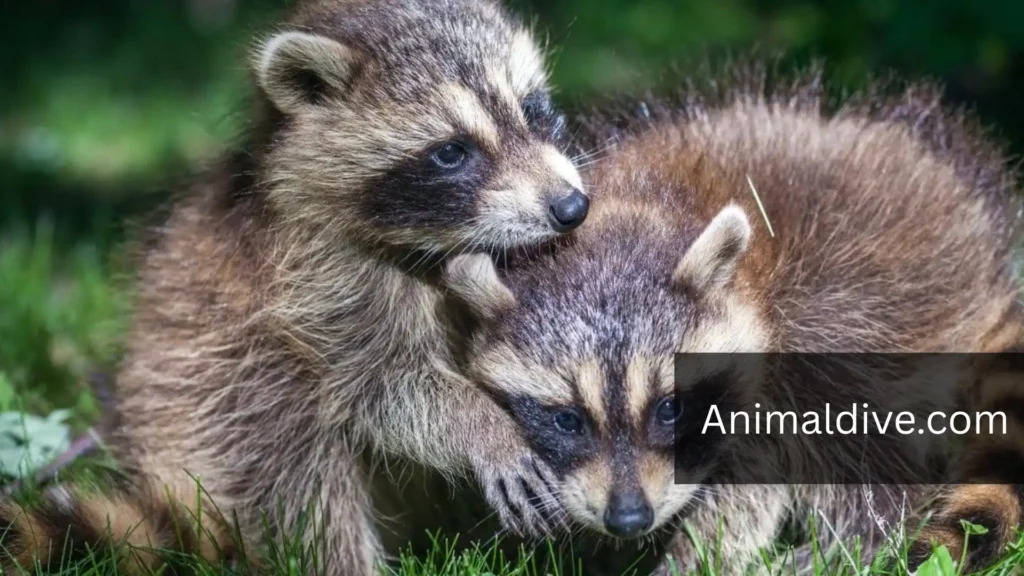
In addition to their playful antics, raccoons are highly intelligent creatures that can remember solutions to tasks for over two years. Their mask-like facial markings and bushy tails only add to their charm, making them enigmatic denizens of both wild and urban settings.
Monkey
Scientific Name: Primates
Class: Mammalia
Diet: Omnivore
Monkeys are synonymous with playfulness, often showcasing traits that can be both endearing and troublesome. Their agile bodies and social structures allow for complex interactions, making them one of the most relatable and entertaining species in the animal kingdom.
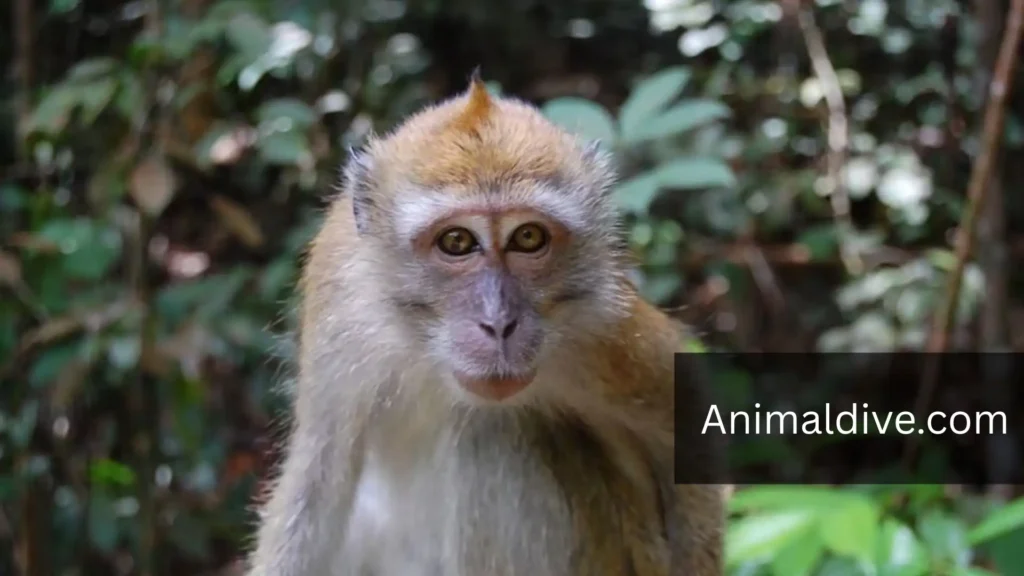
From swinging through trees to stealing food from unsuspecting tourists, monkeys embody mischief. Their antics reveal the strong bond they have within their troops, as their playful behavior fosters social connections and learning among younger members.
Fox
Scientific Name: Vulpes vulpes
Class: Mammalia
Diet: Omnivore
Foxes, often seen as symbols of cunning, exemplify the trait of mischief through their clever hunting techniques. Their adaptable nature enables them to thrive in diverse environments, from forests to urban areas, and their playful demeanor often captivates onlookers.
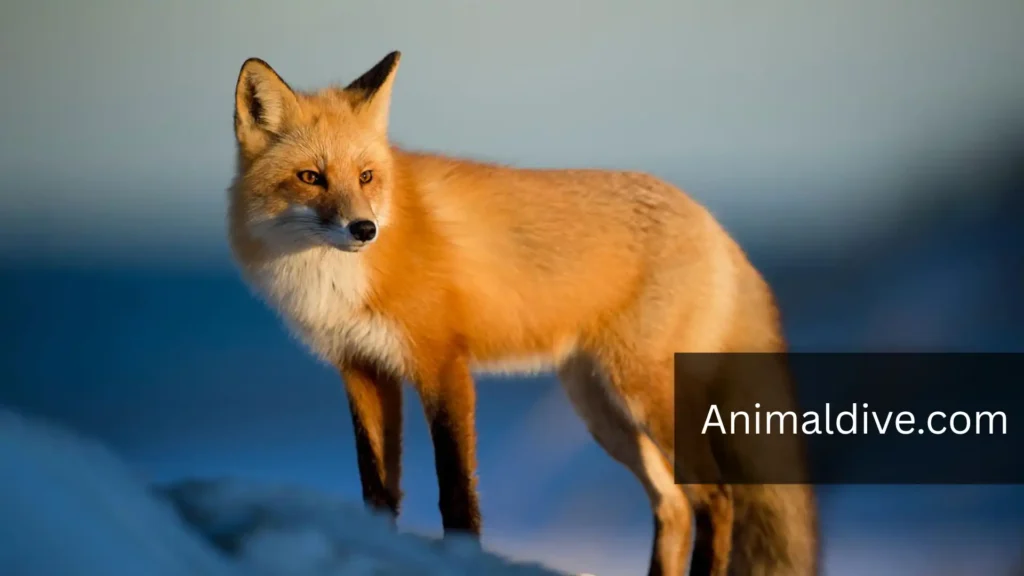
With their bushy tails and keen senses, foxes engage in playful activities that sharpen their hunting skills. Their nighttime escapades often include clever tricks to evade predators, showcasing their intelligence and resourcefulness.
Foxes aren’t just clever hunters they’re also known for a distinctive vocal habit that adds to their reputation as tricksters. If you’ve ever wondered about why do foxes laugh, their eerie nighttime calls are part of what makes them such captivating characters in folklore and nature alike.
Crow
Scientific Name: Corvus brachyrhynchos
Class: Aves
Diet: Omnivore
Crows are renowned as some of the most intelligent birds, often featuring in studies regarding problem-solving and tool usage. Their playful interactions with each other showcase a level of social complexity that is quite surprising, positioning them as mischief-makers in their own right.
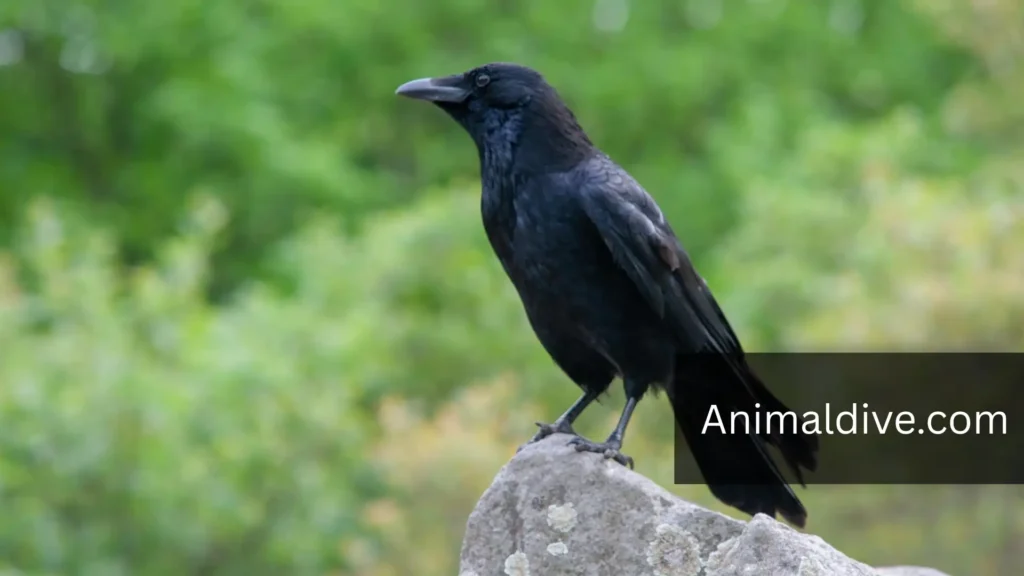
These feathered pranksters enjoy engaging in playful antics, such as the notorious practice of dropping nuts on roads for cars to crack open. Their ability to adapt and innovate makes them a remarkable subject of fascination within the avian world. This blend of intelligence and trickery places crows among the most cunning animals on the planet, using deception and quick thinking to outsmart both predators and unsuspecting humans.
Raven
Scientific Name: Corvus corax
Class: Aves
Diet: Omnivore
Ravens, closely related to crows, are imbued with a deep sense of curiosity and intelligence, often displaying behaviors that hint at complex social structures. Their playful nature makes them notorious for engaging in games, such as aerial acrobatics and playful chases.
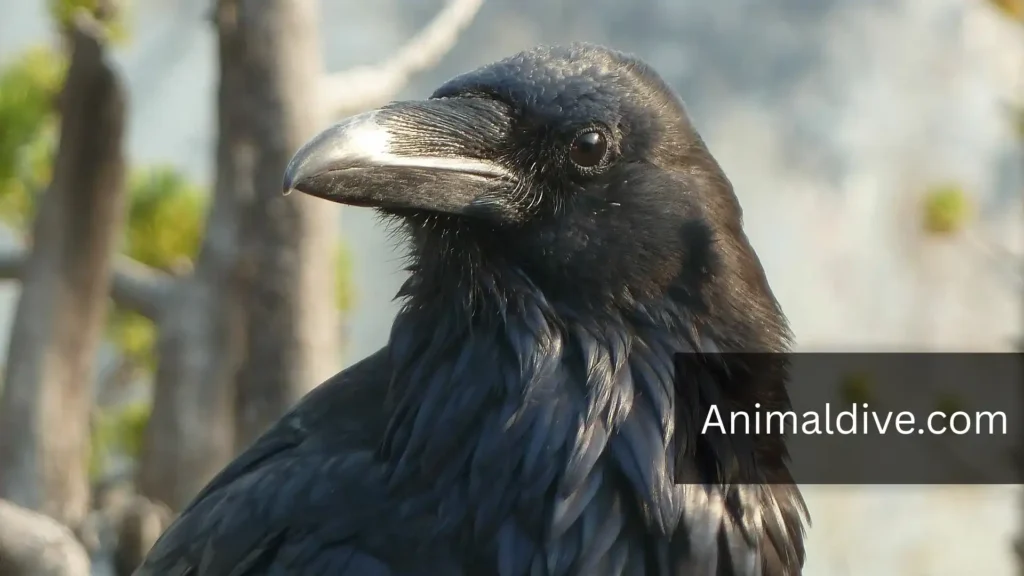
Known for their vibrant black plumage, ravens often symbolize mystery and magic, but their antics reveal a more playful side. Their ability to mimic sounds and interact with their environment showcases a sharp intellect that has amazed ornithologists for centuries.
Parrot
Scientific Name: Psittaciformes
Class: Aves
Diet: Herbivore
Parrots are vibrant, colorful creatures known not only for their stunning feathers but also their cleverness and ability to mimic human speech. Their playful and social nature makes them one of the most mischievous animals in the world, often wreaking havoc in homes with their curious beaks and playful behaviors.
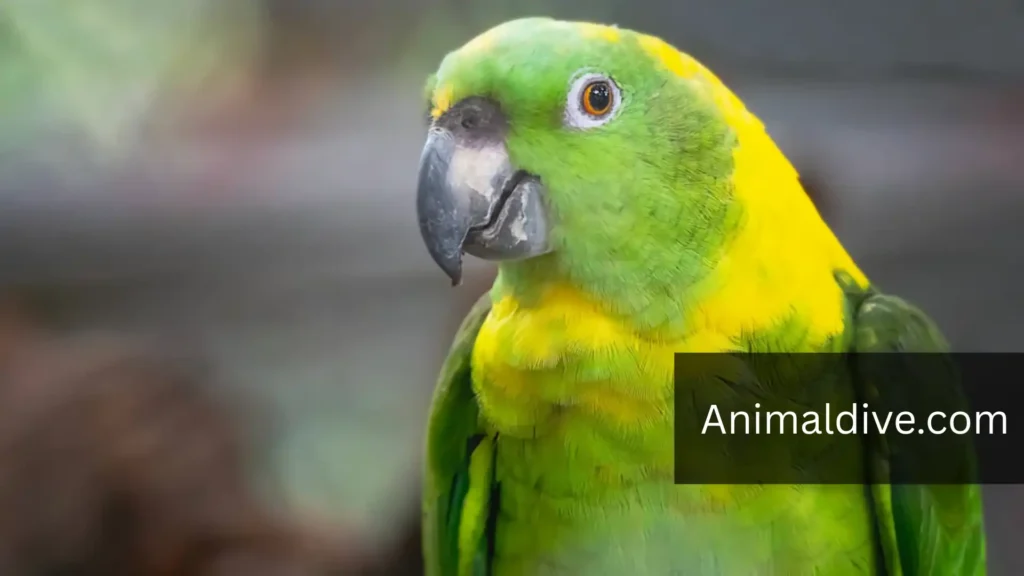
Their remarkable intelligence allows for complex interactions, whether they are solving puzzles or engaging with their human companions. Parrots thrive in social environments where they exhibit lively behaviors, making them beloved pets for those who appreciate their lively disposition.
Dolphin
Scientific Name: Delphinus delphis
Class: Mammalia
Diet: Carnivore
Dolphins are undoubtedly among the most intelligent and social creatures in marine environments, often displaying a playful nature that delights observers. Their acrobatic leaps and spins are not just for show; they also serve as a form of social interaction that strengthens bonds within pods.

Not only are dolphins skilled at hunting cooperatively, but they also engage in playful behaviors with other marine life, making them charming characters in underwater ecosystems. Their sense of curiosity often leads them towards boats and humans, reinforcing their reputation as playful and friendly beings.
Their acrobatic play is made possible by specialized limbs, and dolphins share this trait with many other marine species featured among animals with flippers, all built for speed, agility, and underwater fun.
Otter
Scientific Name: Lutra canadensis
Class: Mammalia
Diet: Carnivore
Otters are known for their playful demeanor, often seen sliding down mud or snowbanks just for fun. Their social behavior includes holding hands while sleeping to avoid drifting apart, showcasing a level of affection that captivates the hearts of onlookers.
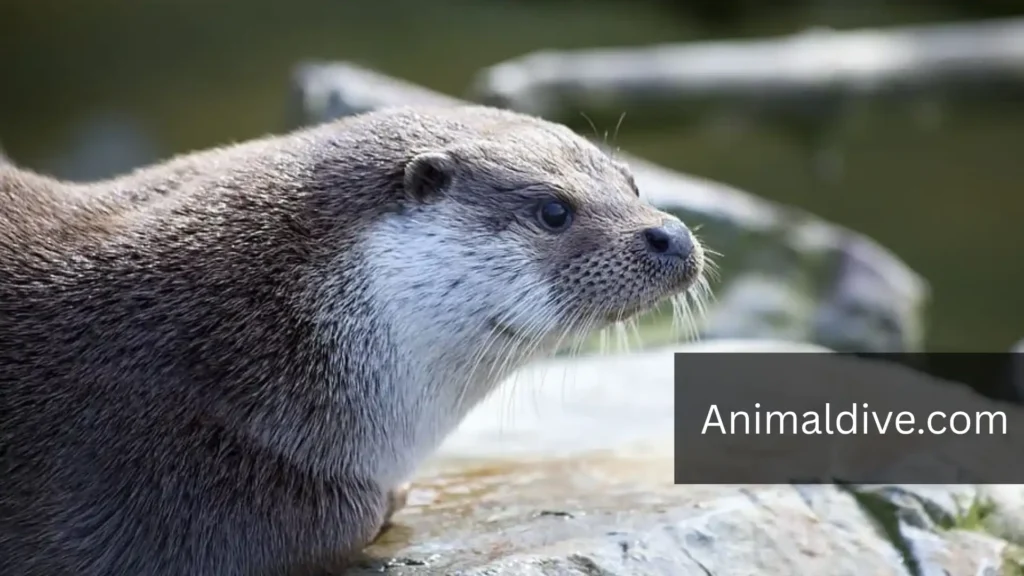
These aquatic mammals are skilled hunters, using rocks to crack open shellfish, revealing their resourcefulness. Their mischievous playfulness often becomes the main attraction in wildlife documentaries, making them a favorite among nature lovers.
Goat
Scientific Name: Capra aegagrus hircus
Class: Mammalia
Diet: Herbivore
Goats have earned a reputation for their mischievous antics, often seen climbing to unexpected heights or nibbling on anything in sight. Their inquisitive nature makes them prominent mischief-makers on farms, as they enthusiastically explore and forage with little regard for boundaries.
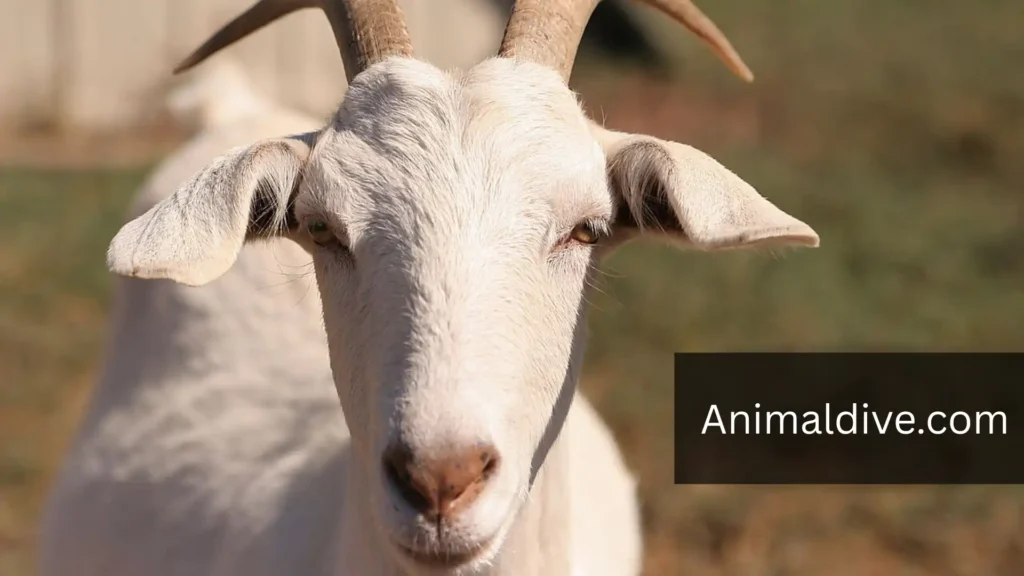
These creatures are skilled at escaping enclosures, often leaving farmers in a perpetual state of amusement and exasperation. This relentless escape artistry is part of why goats are frequently ranked among the most stubborn animals, refusing to be contained no matter how many fences are put up.
Squirrel
Scientific Name: Sciurus
Class: Mammalia
Diet: Omnivore
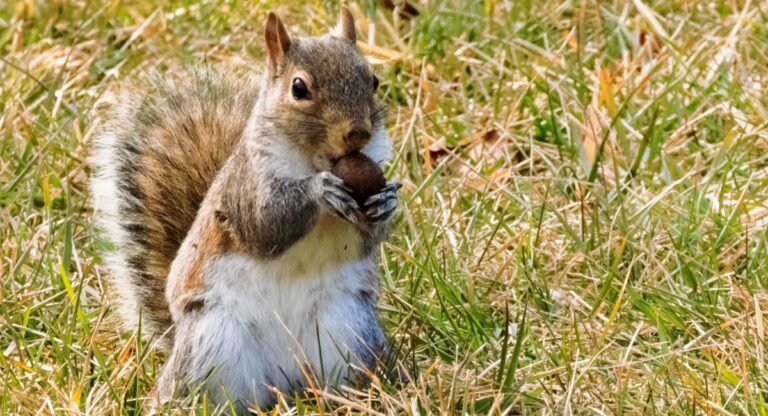
Squirrels are the acrobats of the animal kingdom, often engaging in playful chases and impressive leaps from tree to tree. Their clever antics, such as burying nuts and cleverly evading predators, showcase their high intelligence and resourcefulness.
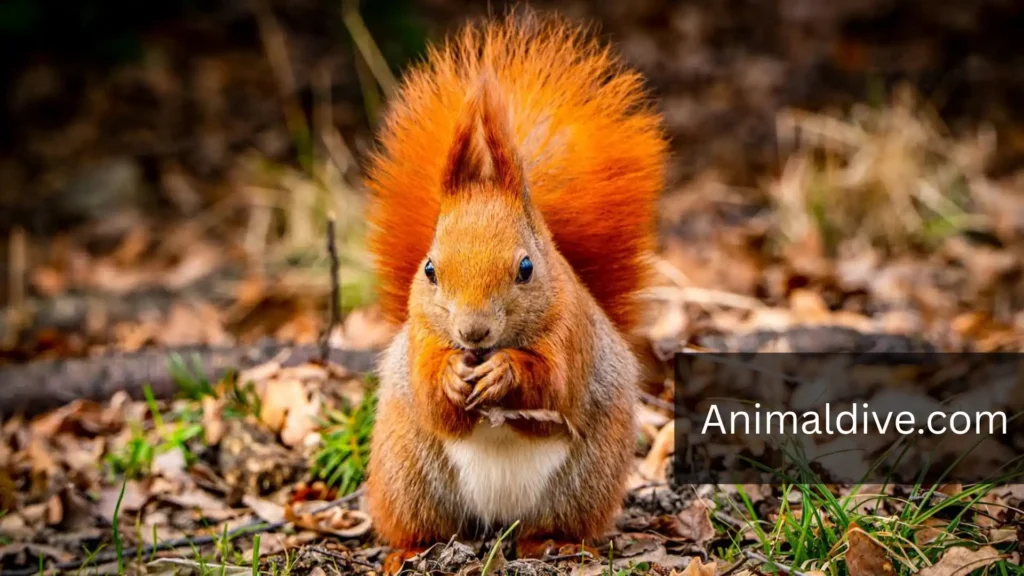
These little creatures are often in search of food, leading to encounters with humans that expose their mischievous tendencies. Their constant foraging raises a natural question about what do squirrels eat, since their varied diet is exactly what drives them to raid gardens, bird feeders, and unattended picnic baskets.
Cat
Scientific Name: Felis catus
Class: Mammalia
Diet: Carnivore
Cats are masters of mischief, known for their cunningly playful antics around the house. Their innate curiosity often leads them to explore hidden corners, knock things off tables, or engage in spontaneous bursts of energy that leave their owners in stitches.
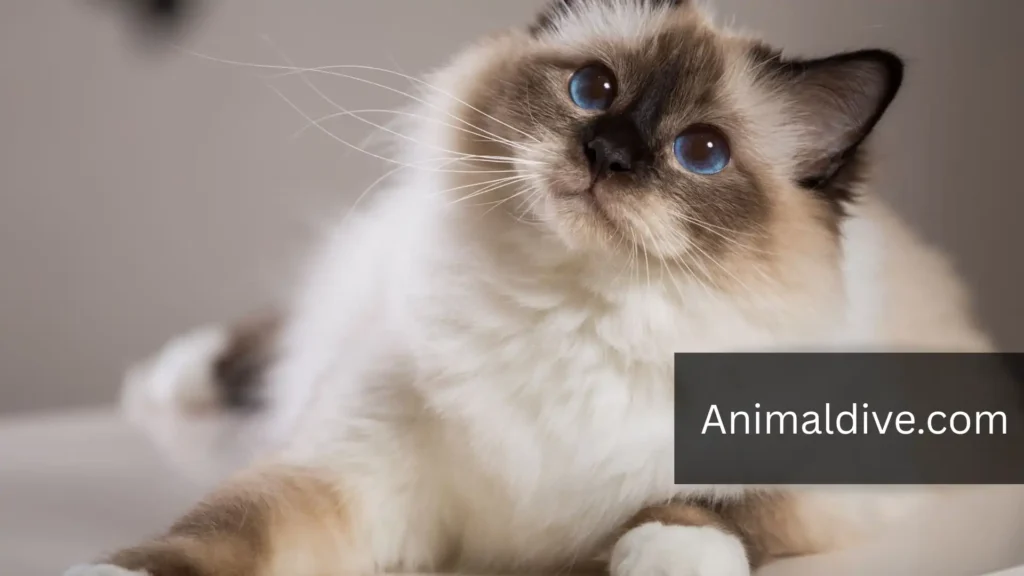
More than just charming companions, cat behaviors often reveal their hunting instincts, whether it’s pouncing on a toy or stalking an unsuspecting insect. Their blend of independence and playfulness makes each interaction a captivating experience.
Dog
Scientific Name: Canis lupus familiaris
Class: Mammalia
Diet: Omnivore
Dogs, renowned for their loyalty, also have a playful side that can lead to amusing mischief. From burying bones in every corner of the yard to stealing socks, their curious and cheerful nature often leads to endearing chaos for their owners.

These canines not only engage in playful games but also display problem-solving skills that can leave their trainers astounded. Their ability to form strong bonds with humans enhances their playful interactions, making them cherished companions.
Hyena
Scientific Name: Crocuta crocuta
Class: Mammalia
Diet: Carnivore
Hyenas are often misunderstood due to their laughing calls, which mask a highly social and intelligent nature. Their playful activities often include mock fighting and complex social interactions, further establishing their clans’ hierarchies.
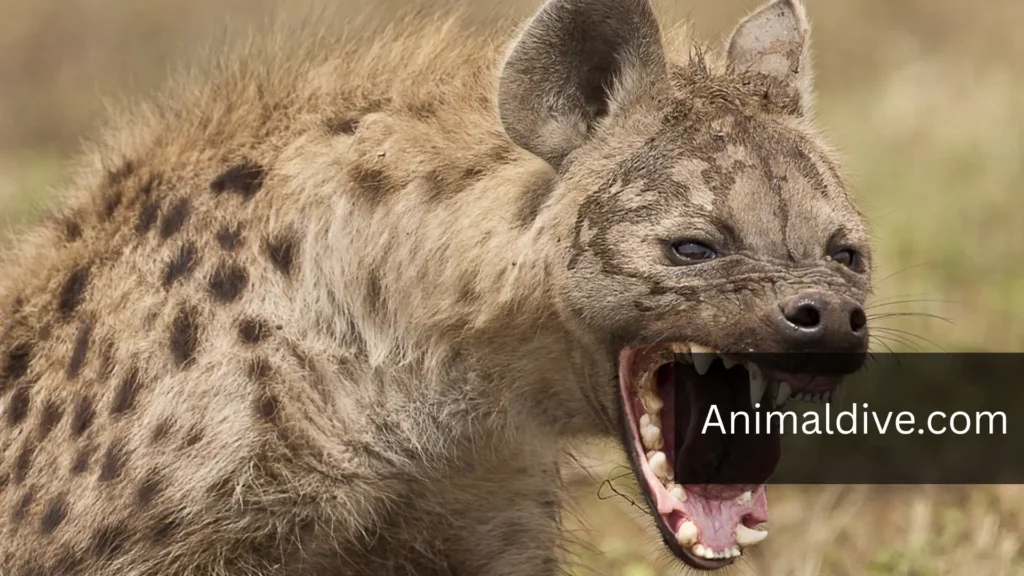
Despite their scavenger status, hyenas exhibit clever hunting strategies, showcasing their ability to cooperate effectively. Their mischievous behaviors often intrigue wildlife enthusiasts, revealing a depth that’s more complex than their reputation suggests. Their signature cackling calls also place them among the animals that are loud, a trait that only adds to their reputation as the tricksters of the savanna.
Capuchin Monkey
Scientific Name: Cebus apella
Class: Mammalia
Diet: Omnivore
Capuchin monkeys are often recognized for their mischievous and adept nature, making them the clowns of the rainforest. Their remarkable dexterity allows them to use tools, further reinforcing their reputation for intelligence and curiosity.
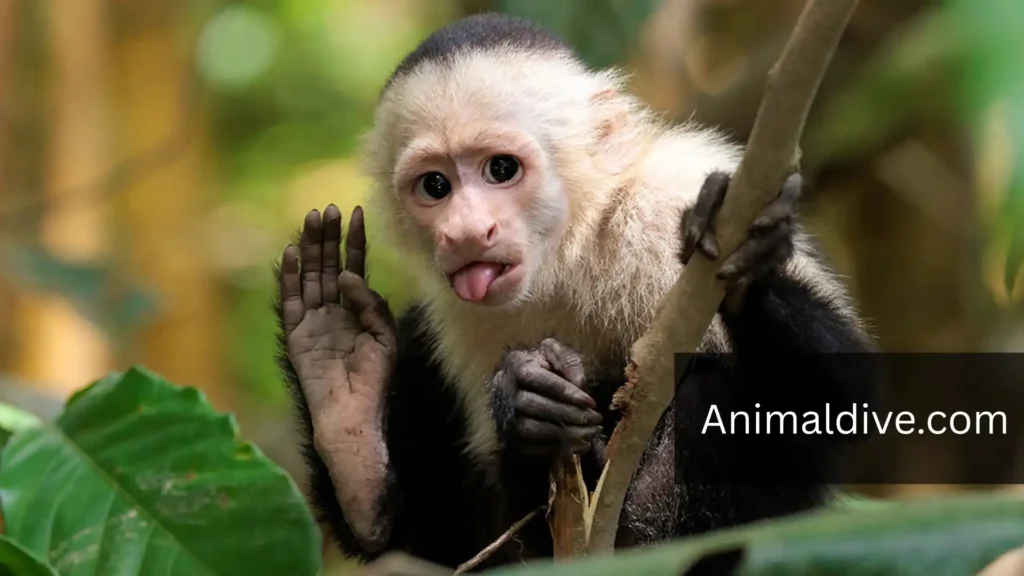
These playful primates engage in a variety of social games, displaying behaviors that emphasize their strong community bonds. Their antics not only highlight their intelligence but also evoke laughter and joy in those fortunate enough to observe them.
Capuchins share the spotlight with several other clever primates, and anyone curious about small monkey breeds will find a whole family of equally mischievous, tool-using cousins across the rainforest canopy.
Kea
Scientific Name: Nestor notabilis
Class: Aves
Diet: Herbivore
Kea parrots, native to New Zealand, are regarded as one of the most mischievous animals in the world. Known for their love of exploration, they often engage in playful destruction, from tearing apart backpacks to unscrewing car parts.
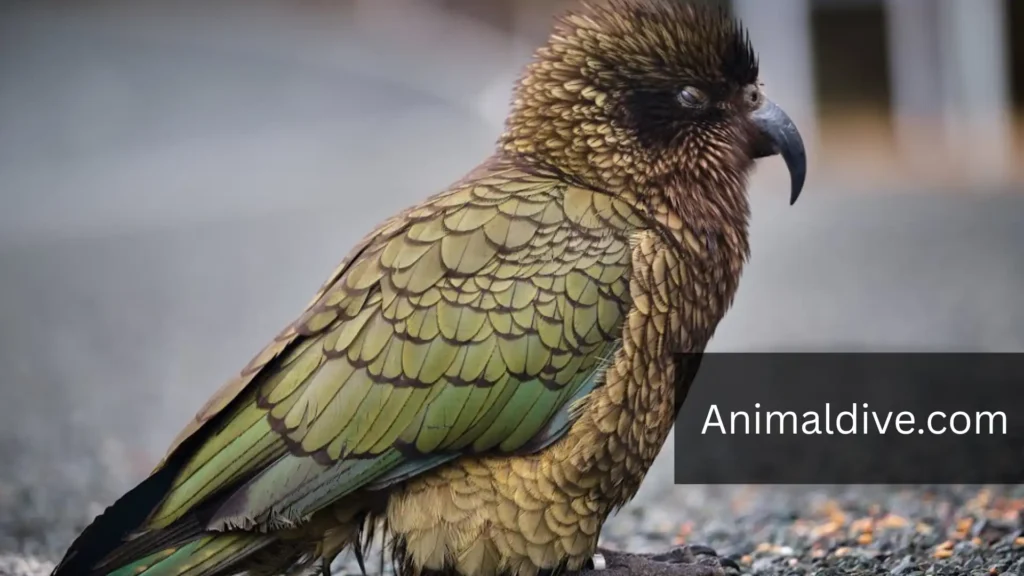
Their playful nature is not just for entertainment; it’s a reflection of their intelligence and adaptability. The kea’s curious investigations often capture the attention of hikers, serving as a reminder of nature’s humor and unpredictability.
Magpie
Scientific Name: Pica pica
Class: Aves
Diet: Omnivore
Magpies are known for their striking black-and-white plumage and their spirited personalities, often displaying behaviors that border on mischief. They are highly intelligent birds that can even recognize themselves in mirrors, showcasing a level of self-awareness that sets them apart.
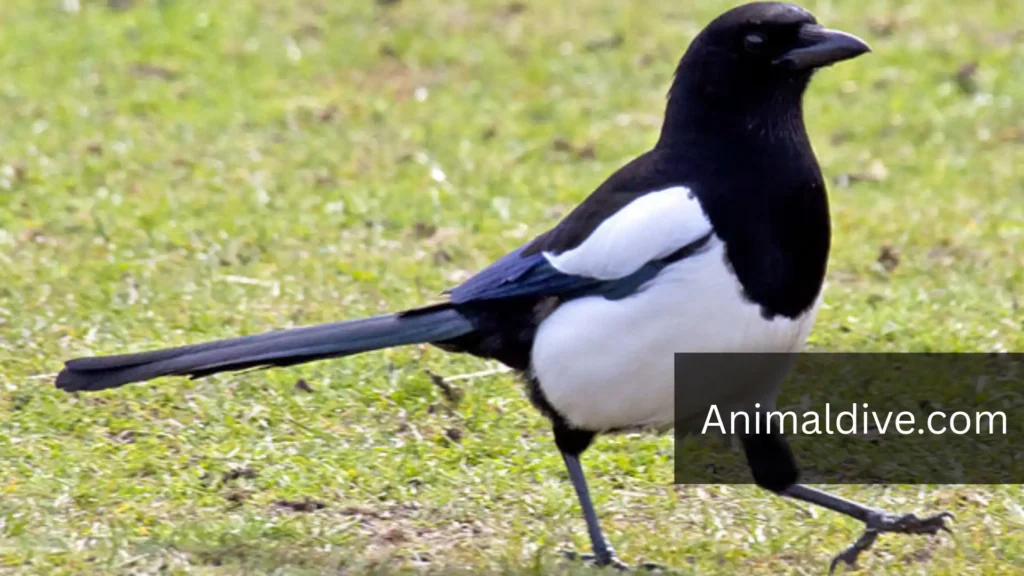
These clever creatures have a playful streak that leads them to engage with their environment uniquely, whether it’s hiding shiny objects or playfully teasing other birds. Their intelligence and natural curiosity make them captivating subjects in the avian world.
Chimpanzee
Scientific Name: Pan troglodytes
Class: Mammalia
Diet: Omnivore
Chimpanzees are renowned for their intelligence and engaging personalities, often seen participating in playful social interactions that demonstrate both their individuality and community. Their mischievous tendencies often lead to playful explorations of their surroundings, displaying an almost childlike curiosity.
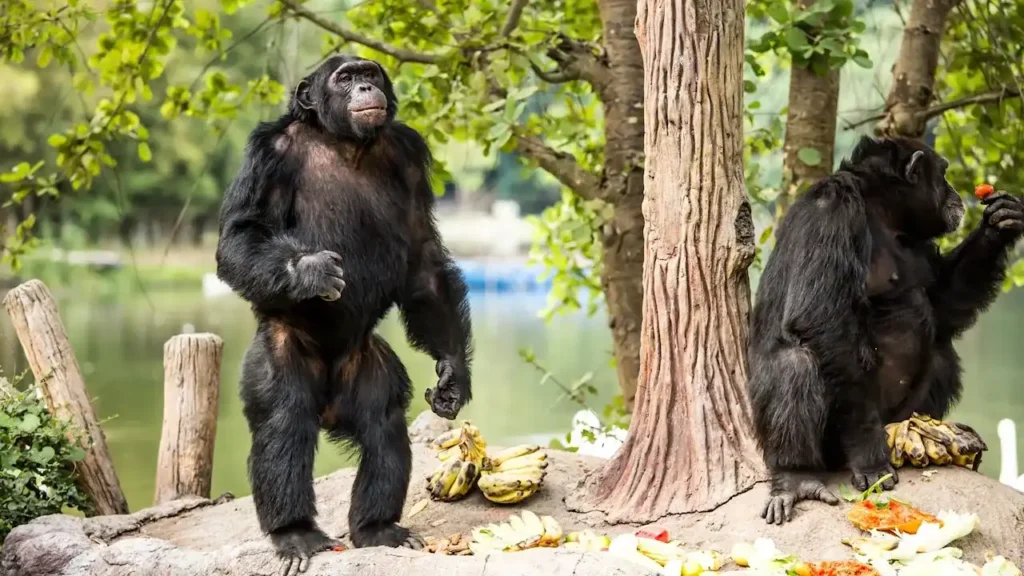
From devising clever solutions to challenges to engaging in play fights, these primates highlight the complexity of their social structures. Their ability to communicate and connect with each other reflects a blend of intelligence and mischief that captivates those who study them.
Rat
Scientific Name: Rattus norvegicus
Class: Mammalia
Diet: Omnivore
Rats, often considered pests, are surprisingly intelligent and social creatures that embody mischief in various ways. Their knack for escaping traps and their ability to navigate mazes have earned them a reputation as clever problem solvers.
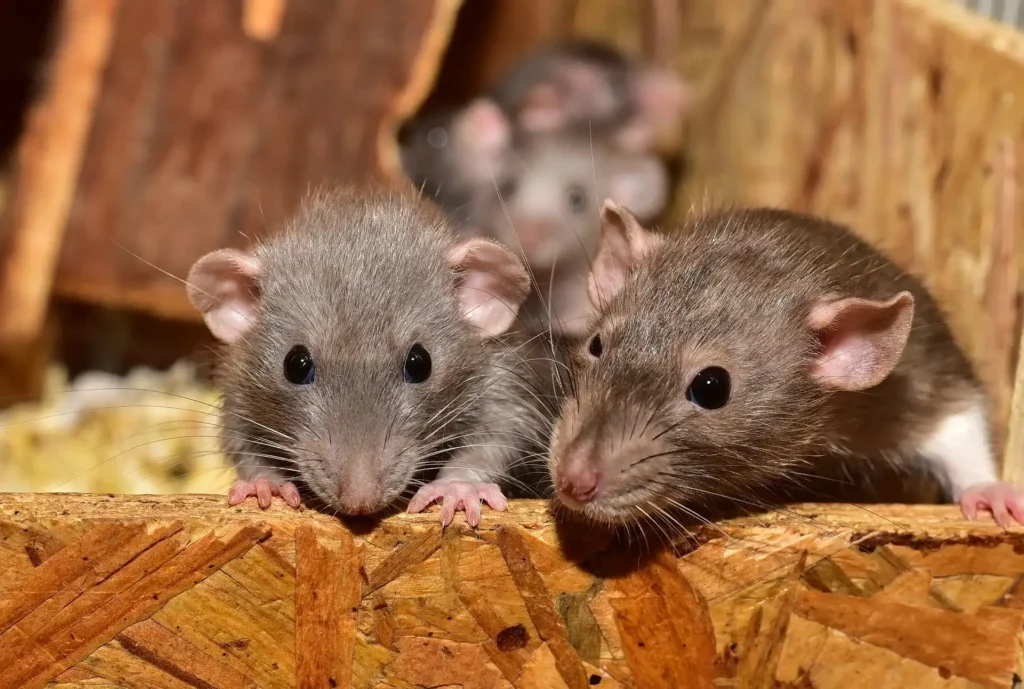
These little creatures also engage in playful interactions, often seen frolicking with one another. Their inquisitive nature leads them to explore and interact with their environments, showcasing their adaptability and intelligence.
Ferret
Scientific Name: Mustela putorius furo
Class: Mammalia
Diet: Carnivore
Ferrets are known for their playful personalities, characterized by their curious and mischievous ways. Often engaging in enthusiastic bursts of activity, they enjoy exploring every nook and cranny, which can lead to entertaining escapes and surprises for their owners.
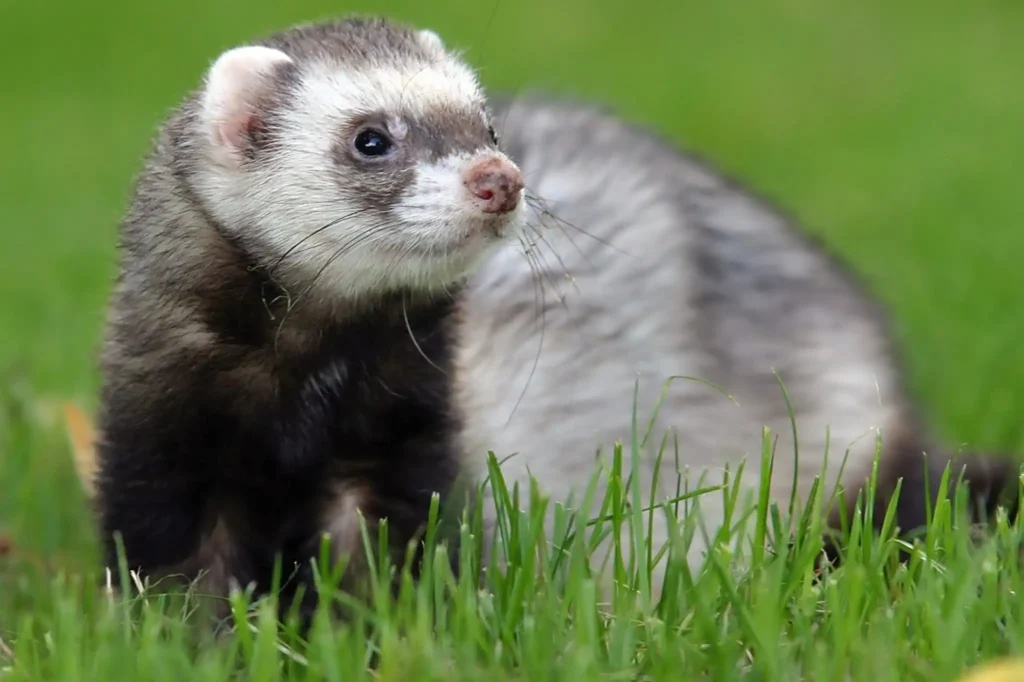
Their playful wrestling and chasing behaviors display their boisterous spirit, making them captivating companions. Whether they’re hiding in boxes or darting around the living room, ferrets bring a sense of joy and laughter wherever they go.
Coati
Scientific Name: Nasua narica
Class: Mammalia
Diet: Omnivore
Coatis, closely related to raccoons, are known for their playful and curious nature, often exploring their habitats with unmatched enthusiasm. Their long, flexible snouts allow them to forage efficiently, while their social structures lead to fascinating interactions among family groups.
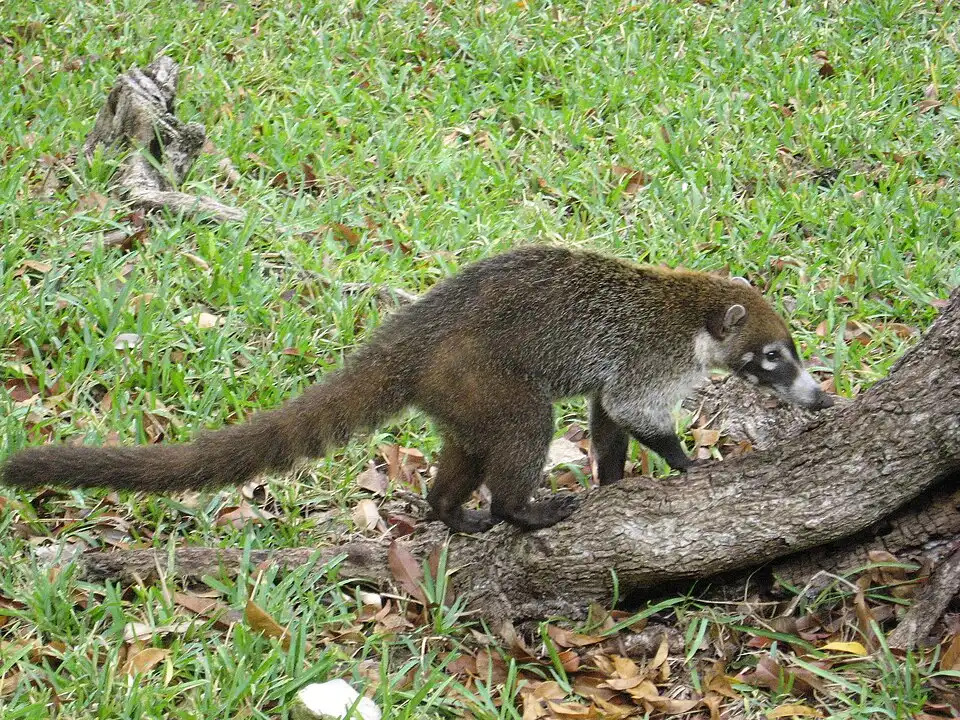
These mischievous animals can be seen playing with one another, engaging in playful chases and vocalizing in their unique ways. Their lively antics highlight the importance of social connections within their groups, making them a delightful sight in the wild.
Elephant
Scientific Name: Loxodonta africana
Class: Mammalia
Diet: Herbivore
Elephants, often regarded as the gentle giants of the animal kingdom, possess a surprisingly playful spirit, showcasing mischief through water play and interactions with their peers. Their remarkable intelligence allows them to engage in activities that demonstrate problem-solving skills and deep social bonds.
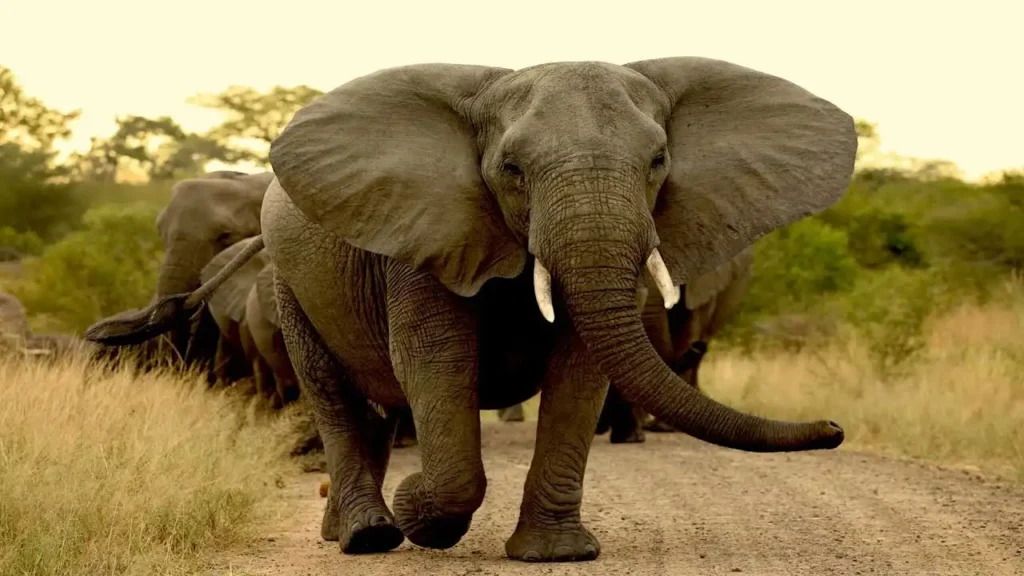
Whether splashing in mud or engaging in play with their young, elephants highlight the importance of joy and community in their lives. Much of their playful behavior from spraying water to grabbing objects comes down to one iconic feature, and exploring animals that have trunk shows just how central this appendage is to their mischief-making.
Orca
Scientific Name: Orcinus orca
Class: Mammalia
Diet: Carnivore
Orcas, or killer whales, are incredibly intelligent social animals known for their complex family structures and playful behaviors. Their acrobatic displays, including breaching and spyhopping, captivate audiences and demonstrate their physical prowess.
These magnificent creatures often engage in playful interactions not only with their pod members but also with other marine species. Their playful demeanor underscores their intelligence and adaptability within the ocean, making them a symbol of oceanic enchantment. Despite their playful side, orcas rank among the deadliest animals in the world, a reminder that mischief and raw predatory power often coexist in nature.
Sea Otter
Scientific Name: Enhydra lutris
Class: Mammalia
Diet: Carnivore
Sea otters are beloved for their playful antics and adorable appearances, often seen floating on their backs while cracking open shellfish. Their playful nature not only showcases their intelligence but also plays a crucial role in maintaining kelp forest ecosystems.
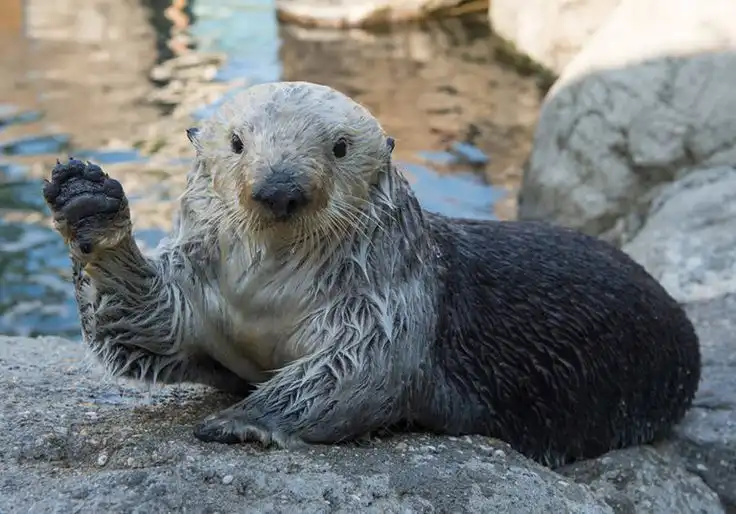
These clever mammals engage in “rafting,” where they gather in groups to rest, often passing tools among one another in a playful exchange. Their social behaviors and curiosity underline the importance of play in nurturing strong social bonds.
Red Panda
Scientific Name: Ailurus fulgens
Class: Mammalia
Diet: Herbivore
Red pandas enchant with their playful antics and charming demeanor, often seen climbing trees or rolling down hills. Their playful nature makes them one of the most beloved animals, captivating the hearts of those fortunate enough to observe them.
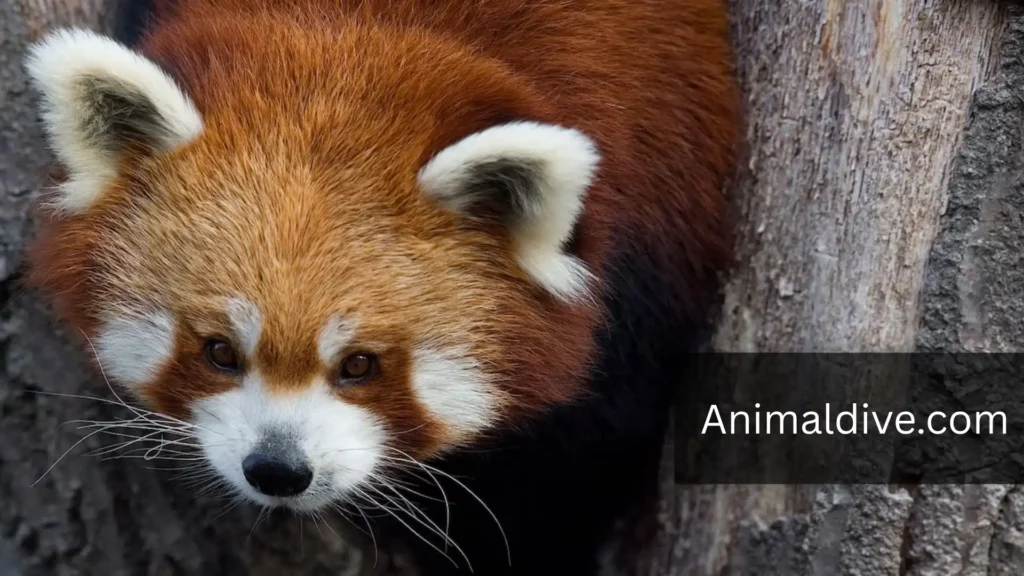
Despite their small size, red pandas exhibit remarkable climbing skills and dexterity as they navigate their arboreal habitats. Their charming quirks and playful behavior are a reminder of the joy and wonder found in the animal kingdom.
Smart But Mischievous Animals
Smart but mischievous animals showcase their remarkable intelligence in ways that often leave humans amazed.
- Monkeys are notorious for their playful antics, cleverly using tools or even stealing food, demonstrating a blend of ingenuity and mischief.
- Crows, with their keen problem-solving skills, have been known to pull off elaborate heists, showing a stunning level of awareness and creativity that positions them as some of the most mischievous animals in the world.
- Dolphins, often seen as playful and friendly, exhibit their own playful mischief by teasing boats or even stealing fishing gear for fun.
- Chimpanzees, our closest relatives, engage in elaborate social tricks, using deceptions to gain favor or seek food.
- Elephants, on the other hand, use their intelligence to outsmart their handlers, showcasing their playful nature while demonstrating the depth of their emotional intelligence and social understanding.
Fun Facts About Mischievous Animals
Mischievous animals in the world not only amuse us but also demonstrate their intelligence and adaptability. From crows crafting elaborate tricks to raccoons performing acrobatics to reach leftovers, these playful creatures challenge our perceptions of wildlife.
- Crows are known to play tricks on each other and even humans, stealing shiny objects to create their own treasure troves.
- Dwarf goats can escape their enclosures and often nudge or buttheads their way into mischief, creating chaos wherever they roam.
- Octopuses have been observed unscrewing jar lids to access food, showcasing their problem-solving skills with a mischievous twist.
- Foxes often steal from bird feeders and are known to hide food in various locations to keep it safe from competitors.
- Raccoons have an innate talent for opening trash cans and can manipulate locks, making them the ultimate urban scavengers.
- Parrots mimic human speech and sounds, often using this talent to create playful confusion among their owners.
- Squirrels are notorious for raiding bird feeders and can leap impressive distances to snag a meal, entertaining us with their antics.
- Sea otters use tools like rocks to crack open shellfish, displaying both intelligence and a playful side that delights onlookers.
Conclusion
Mischievous animals in the world do more than entertain us; they also challenge our understanding of animal intelligence and behavior. From crafty otters and curious raccoons to clever parrots and playful monkeys, each species showcases unique behaviors that highlight the fascinating diversity of the natural world.
By learning about these mischievous animals, we gain a deeper appreciation for their intelligence, adaptability, and complex social lives. Their playful antics remind us that wildlife is full of personality, making these remarkable creatures both enjoyable to watch and essential to the ecosystems they call home.
FAQs
What Animal Is Most Mischievous?
Raccoons are often considered the most mischievous animals because of their curiosity, intelligence, and problem-solving abilities. They frequently open containers, raid trash bins, and explore anything that catches their attention, making them famous for their playful behavior
What Animal Represents Mischievous?
The fox is one of the most common animals that represents mischievous behavior. In folklore and popular culture, foxes are known for being clever, crafty, and playful. Other animals that symbolize mischief include raccoons, monkeys, ravens, and crows.
What Are the Most Playful and Mischievous Animals?
Some of the most playful and mischievous animals include raccoons, monkeys, dolphins, sea otters, parrots, crows, foxes, and capuchin monkeys. These animals are known for their curiosity, intelligence, and amusing behaviors that often surprise both humans and other wildlife.
Which Animals Are Tricksters?
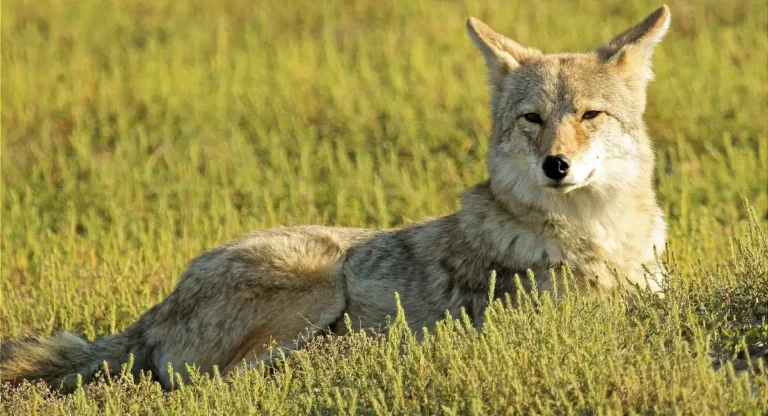
Many animals are known as tricksters because of their clever and deceptive behaviors. Foxes, ravens, crows, coyotes, raccoons, monkeys, and magpies are famous trickster animals. They use intelligence, problem-solving skills, and creativity to find food, avoid danger, or outsmart other animals.