Top 16 Animals Like Groundhogs (With Pictures, Facts & Key Differences)
Animals like groundhogs are more than just adorable creatures; they share fascinating similarities with various other species in the wild. Groundhogs, also known as woodchucks, are part of the large family of marmots and are often confused with similar animals due to their distinctive appearance and habits.
In this article, you will discover a curated list of 16 animals that look like groundhogs, complete with pictures and intriguing facts. By the end, you’ll have a deeper understanding of these groundhog-like animals and the key differences that set them apart from one another.
What Animals Look Like Groundhogs?
Groundhogs share their resemblance with a diverse family of animals. Marmots and prairie dogs, for instance, showcase similar stocky bodies and digging habits, carving out their homes in grassy plains and meadows. The similarities don’t stop there; both species exhibit a playfulness that captivates observers while foraging for food in their environments.
Beavers and muskrats also bear a striking resemblance to groundhogs with their robust frames and adaptable lifestyles. While beavers are known for their dam-building skills, muskrats prefer the water’s edge, highlighting the adaptability found within these creatures.
Top 16 Animals Like Groundhogs
| No. | Animal | Scientific Name | Class | Diet |
| 1 | Marmot | Marmota | Mammalia | Herbivorous |
| 2 | Prairie Dog | Cynomys | Mammalia | Herbivorous |
| 3 | Gopher | Geomys | Mammalia | Herbivorous |
| 4 | Beaver | Castor canadensis | Mammalia | Herbivorous |
| 5 | Muskrat | Ondatra zibethicus | Mammalia | Herbivorous |
| 6 | Capybara | Hydrochoerus hydrochaeris | Mammalia | Herbivorous |
| 7 | Chipmunk | Tamias | Mammalia | Omnivorous |
| 8 | Ground Squirrel | Spermophilus | Mammalia | Herbivorous |
| 9 | Pika | Ochotona | Mammalia | Herbivorous |
| 10 | Vole | Microtus | Mammalia | Herbivorous |
| 11 | Rabbit | Oryctolagus cuniculus | Mammalia | Herbivorous |
| 12 | Badger | Meles meles | Mammalia | Omnivorous |
| 13 | Rock Hyrax | Procavia capensis | Mammalia | Herbivorous |
| 14 | Nutria (Coypu) | Myocastor coypus | Mammalia | Herbivorous |
| 15 | Wombat | Vombatus | Mammalia | Herbivorous |
| 16 | Aardvark | Orycteropus afer | Mammalia | Insectivorous |
Marmot
Scientific Name: Marmota
Class: Mammalia
Diet: Herbivorous
Habitat: Mountainous regions, grasslands
Marmots are social creatures often found in colonies, making their homes in burrows dug into rocky slopes. These animals like groundhogs share a love for sunbathing, basking lazily during warm days and staying alert for predators.
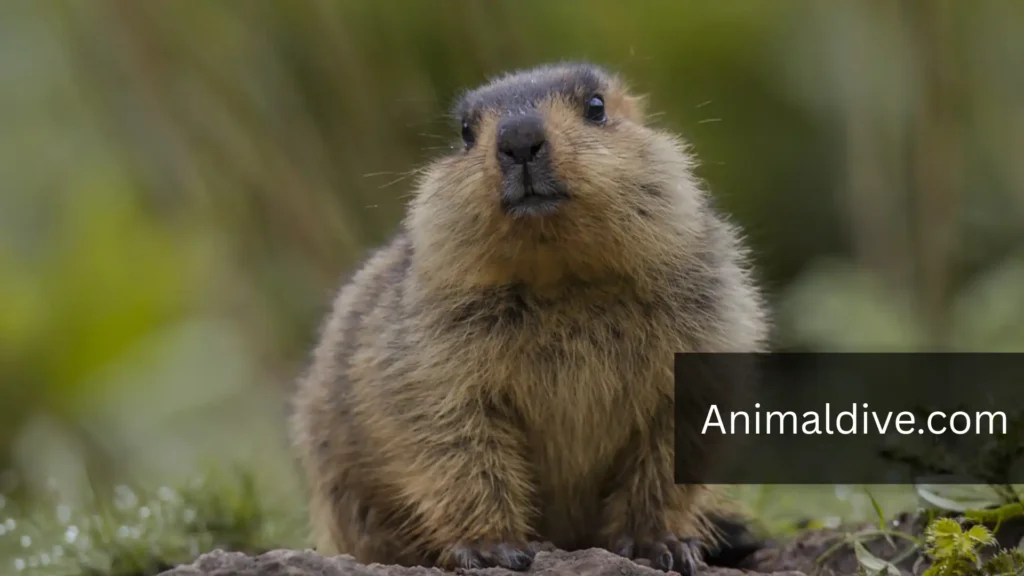
Their distinctive whistles act as alarm calls, fostering a community spirit among these animals. Marmots are also famous for their piercing warning calls, a trait shared by other marmot species found across North America, where regional populations vary widely in size and habitat.
With thick fur to withstand cold climates, marmots are notable for their vibrant social interactions, gathering in groups to feed or groom one another, creating a lively atmosphere in their habitats.
Prairie Dog
Scientific Name: Cynomys
Class: Mammalia
Diet: Herbivorous
Habitat: Grasslands of North America
Prairie dogs are charismatic rodents often mistaken for groundhogs due to their size and foraging behavior. In their expansive underground burrow systems known as “towns,” they exhibit fascinating social structures, marking complex family units. This tight-knit town structure places prairie dogs among the many animals that live in groups for protection, food-sharing, and raising young together.
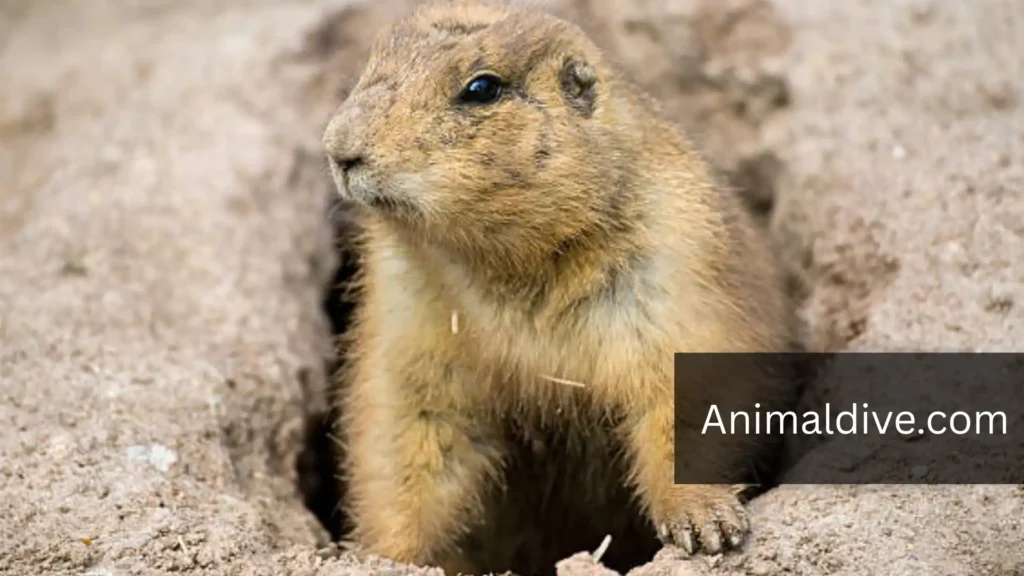
Known for their distinctive warning barks, these animals engage in lively interactions, often playing and grooming each other. The prairie dog’s role as a keystone species significantly impacts grassland ecosystems, as their burrowing aerates the soil and provides habitats for various other wildlife.
Gopher
Scientific Name: Geomys
Class: Mammalia
Diet: Herbivorous
Habitat: Dry, sandy soils in North America
Gophers are remarkable diggers, adept at creating elaborate tunnel systems that serve as both homes and food caches. These creatures are intriguing for their specialized adaptation to a subterranean lifestyle, often catching the unsuspecting eye with their cheek pouches stuffed full of vegetation.
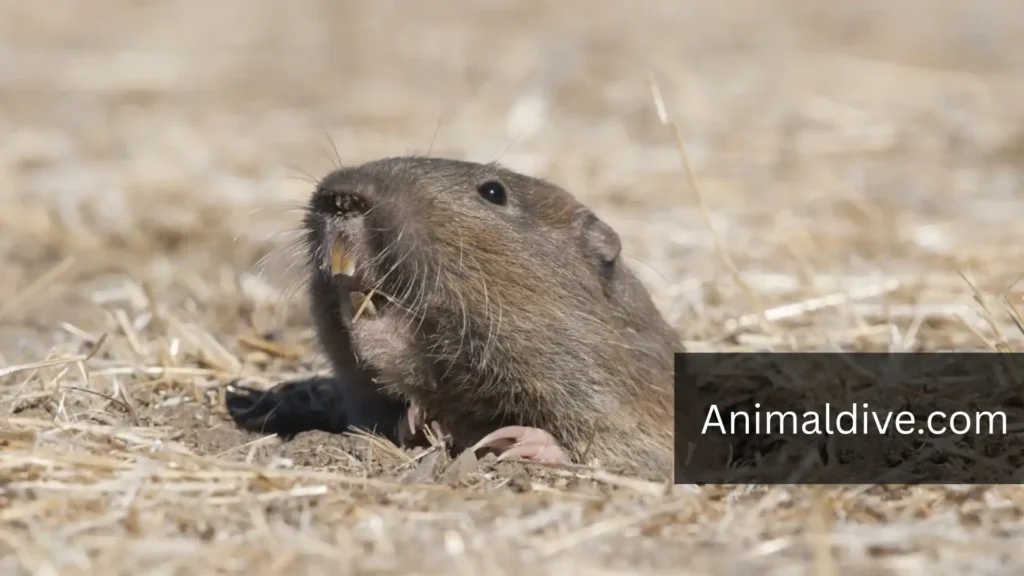
While not social like prairie dogs, gophers communicate through tactile signals and scent marking to establish territory. Their burrowing habits contribute to soil aeration and nutrient cycling, making them essential to maintaining healthy ecosystems, much like their cousins, the groundhogs.
Beaver
Scientific Name: Castor canadensis
Class: Mammalia
Diet: Herbivorous
Habitat: Freshwater lakes and rivers
The beaver is known for its unique ability to mold its environment, creating dams that alter local ecosystems dramatically. These industrious animals like groundhogs are equipped with powerful teeth that allow them to fell trees and construct intricate lodges for shelter.
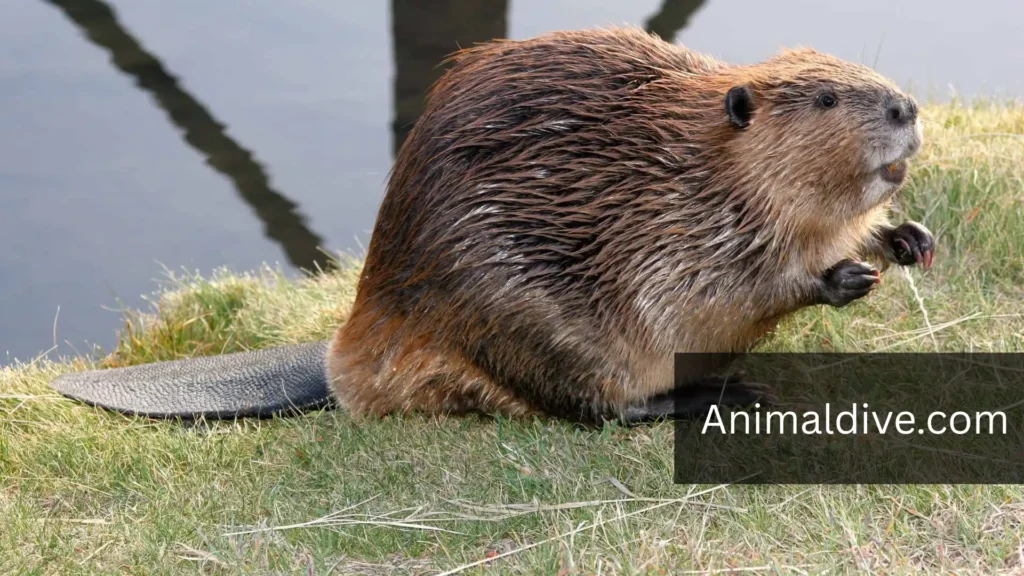
With their thick fur and webbed feet, beavers are perfectly equipped for an aquatic lifestyle, often creating ponds that sustain various wildlife. Their engineering impacts water flow and provides habitats for numerous species, showcasing a fascinating interplay with nature that leaves an indelible mark on landscapes.
Muskrat
Scientific Name: Ondatra zibethicus
Class: Mammalia
Diet: Herbivorous
Habitat: Wetlands and marshy areas
Muskrats are semi-aquatic rodents that thrive in wetland habitats, where they build reed and mud huts similar to those of beavers. They are agile swimmers and foragers, adept at diving for underwater plants, lending them a unique niche among animals like groundhogs.
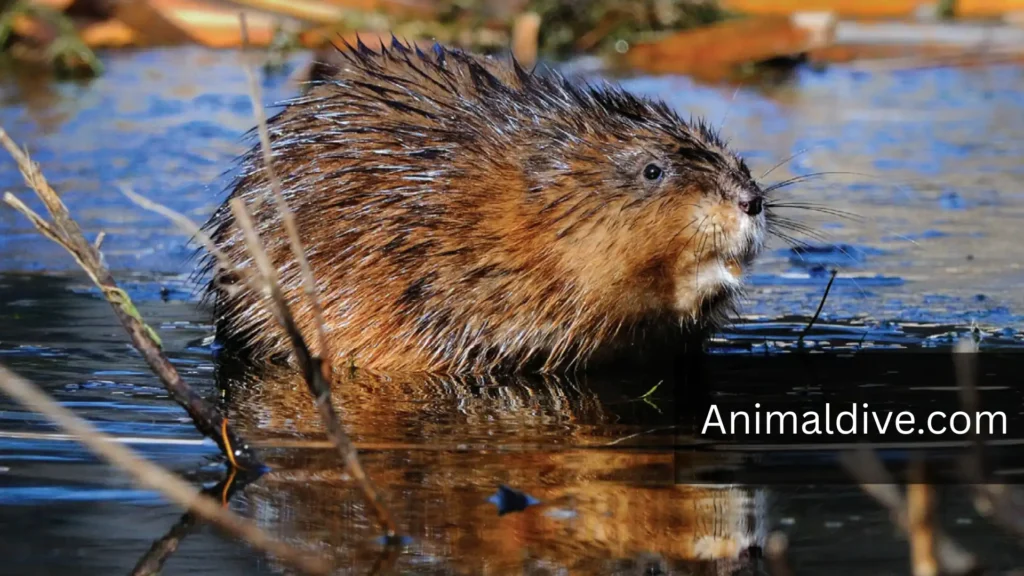
These social creatures often live in family groups, sharing responsibilities for foraging and maintaining their burrows. Their presence in wetlands promotes biodiversity, as they create habitats for various aquatic life and contribute significantly to the delicate equilibrium within their ecosystems.
Capybara
Scientific Name: Hydrochoerus hydrochaeris
Class: Mammalia
Diet: Herbivorous
Habitat: Semi-aquatic areas in South America
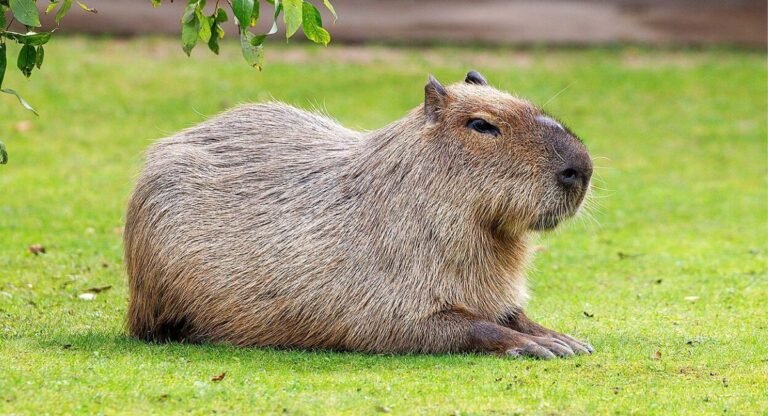
Capybaras are the largest rodents in the world, often found lounging near bodies of water and embodying a laid-back lifestyle. Their social nature can be seen in groups of up to 20 individuals, drawing parallels to the community behaviors observed in groundhogs. Their rounded bodies and calm nature also place them among the animals that look like capybara, a group known for blending easily into mixed-species habitats.
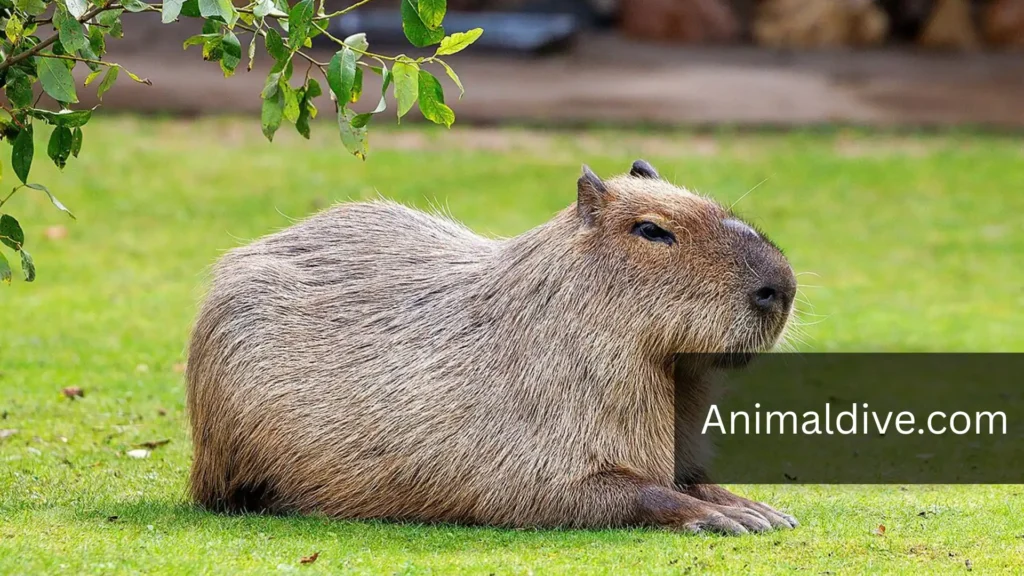
With webbed feet and a hearty diet of grasses, these animals have adapted beautifully to their environments, showcasing a remarkable ability to coexist harmoniously with other species, including birds and monkeys. Their ecological role in controlling plant growth makes them beneficial to their habitats, further highlighting their importance.
Chipmunk
Scientific Name: Tamias
Class: Mammalia
Diet: Omnivorous
Habitat: Forests and gardens
Chipmunks are lively creatures known for their cheek-pouching feeding style, stuffing their cheeks with seeds and nuts to hoard for winter. Similar to groundhogs, they are ground dwellers who create burrow systems that provide protection and storage.
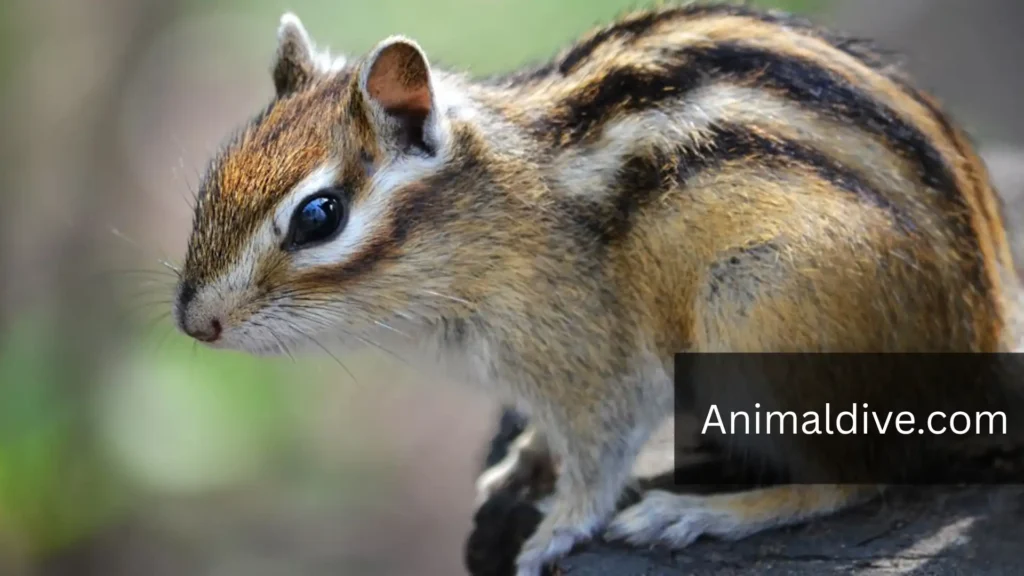
These agile little animals can often be seen sprinting around gathering food, exhibiting energetic antics. This constant scurrying and food-gathering makes chipmunks a great example among the most energetic animals, always in motion during daylight hours.Their presence also plays a vital role in seed dispersal, helping to maintain forest health and contribute to the overall ecosystem, making them vital contributors in their environment.
Ground Squirrel
Scientific Name: Spermophilus
Class: Mammalia
Diet: Herbivorous
Habitat: Grasslands and rocky areas
Ground squirrels are small, social rodents that share traits with groundhogs, including burrowing and foraging habits. Their colonies are often bustling with activity, as they communicate through a series of chirps and whistles, ensuring collective vigilance against predators. Their inquisitive digging and constant investigating also earn them a spot among the most curious animals, always testing their surroundings for food or danger.
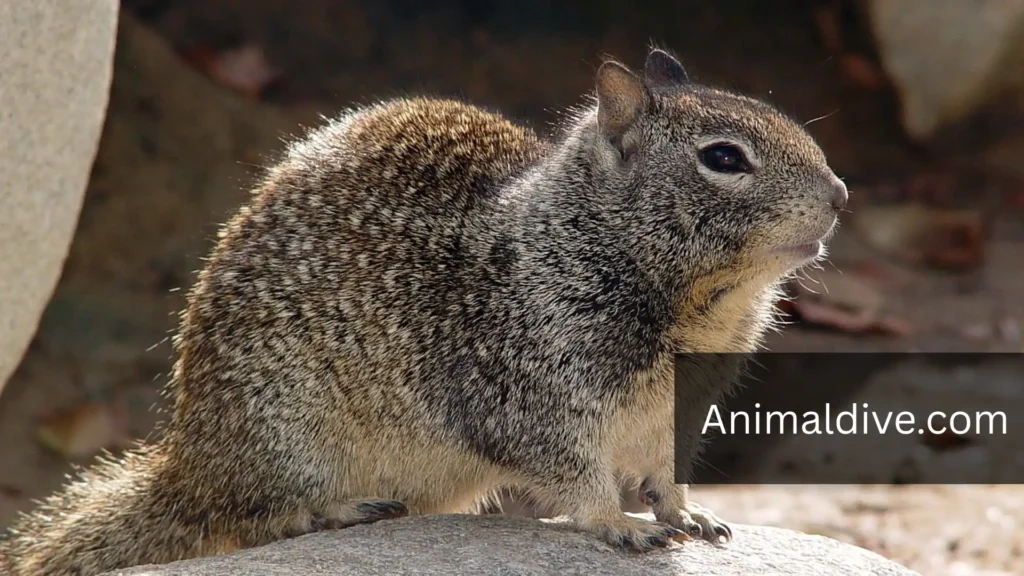
These animals are omnivorous, occasionally venturing to eat insects, which complements their primarily herbivorous diet. Their burrowing activities help aerate the soil, contributing to the health of their habitats, revealing the interconnectedness of life in the ecosystems they inhabit.
Pika
Scientific Name: Ochotona
Class: Mammalia
Diet: Herbivorous
Habitat: Rocky mountain areas
Pikas, often found in rocky mountainous regions, resemble small rabbits and share similar adaptations for life in alpine environments. Unlike groundhogs, they are active year-round but lack a winter hibernation, instead stockpiling hay for colder months.
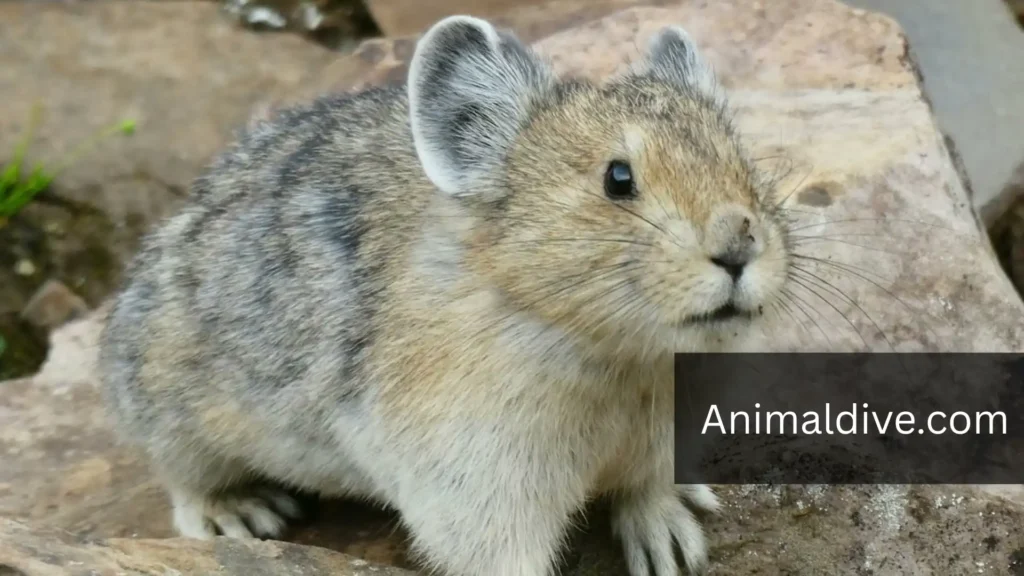
These charming little creatures exhibit strong territorial behavior and communicate through a series of high-pitched calls, akin to a social symphony echoing across the cliffs. Their foraging habits and role in mountain ecosystems highlight the delicate balance necessary for survival in challenging habitats, underscoring their ecological importance.
Vole
Scientific Name: Microtus
Class: Mammalia
Diet: Herbivorous
Habitat: Meadows, fields, and wetlands
Voles are small rodents often mistaken for mice, yet they share similarities with groundhogs in terms of their burrowing behavior. Living in complex tunnel systems, they are essential in soil aeration and serve as prey for numerous predators in their ecosystems.
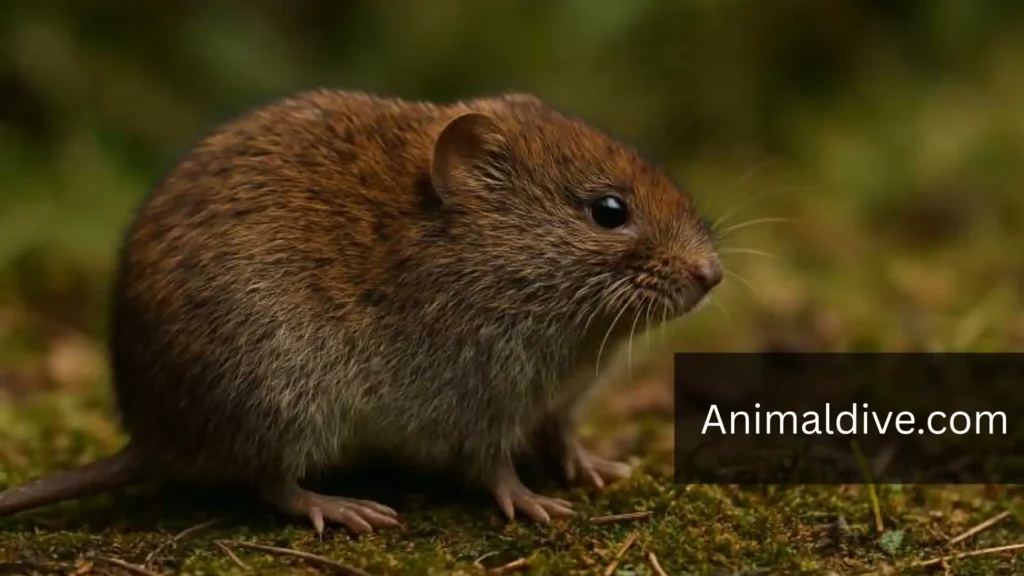
These animals display strong nesting instincts, often creating intricate nest structures composed of grass and reeds. Their prolific breeding allows for rapid population growth, which plays a crucial role in maintaining overall ecosystem health by providing food for many different species.
Rabbit
Scientific Name: Oryctolagus cuniculus
Class: Mammalia
Diet: Herbivorous
Habitat: Grasslands, forests, and meadows
Rabbits are well-known for their swift agility and playful demeanor, making them a favored wildlife species among outdoor enthusiasts. Like groundhogs, they dig burrows for shelter, often creating extensive networks that serve as both homes and escape routes. Their burrowing lifestyle also makes rabbits frequent targets for predators, placing them high on the list of animals that eat rabbits across various ecosystems.
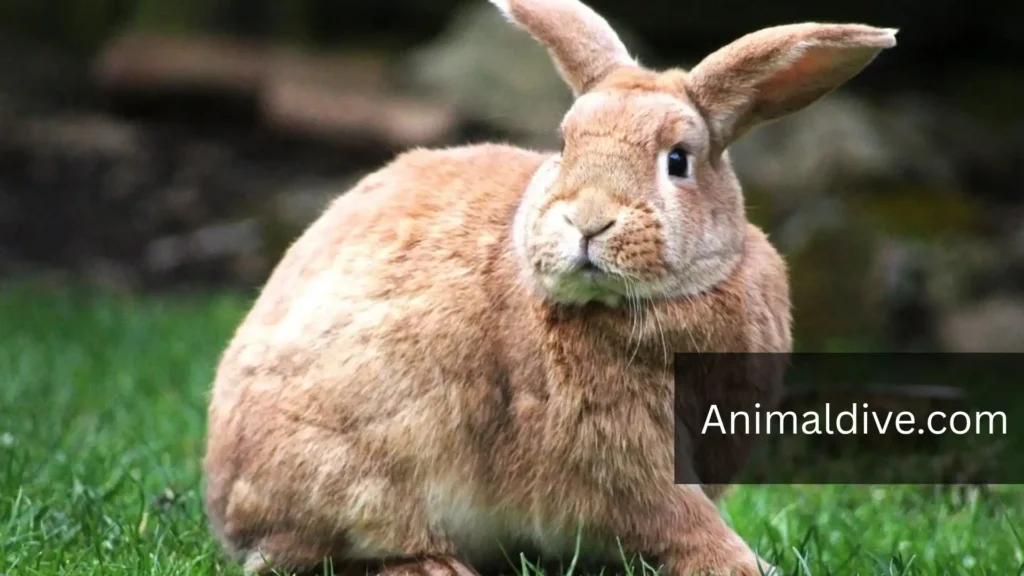
Their social nature is evident in both wild and domesticated forms, often seen in groups engaging in grooming and playful antics. With their strategic grazing habits and role in ecosystems as prey, rabbits contribute to a rich biological tapestry, showcasing the interconnectedness of wildlife.
Badger
Scientific Name: Meles meles
Class: Mammalia
Diet: Omnivorous
Habitat: Grasslands, forests, and urban areas
Badgers, robust and tenacious, share burrowing habits with groundhogs, making extensive networks that can house entire families. Their distinctive black-and-white facial markings and shrewd behavior make them captivating residents of diverse environments. Their tenacious, hard-to-deter nature has also earned badgers a place among the most stubborn animals, known for standing their ground against much larger threats.
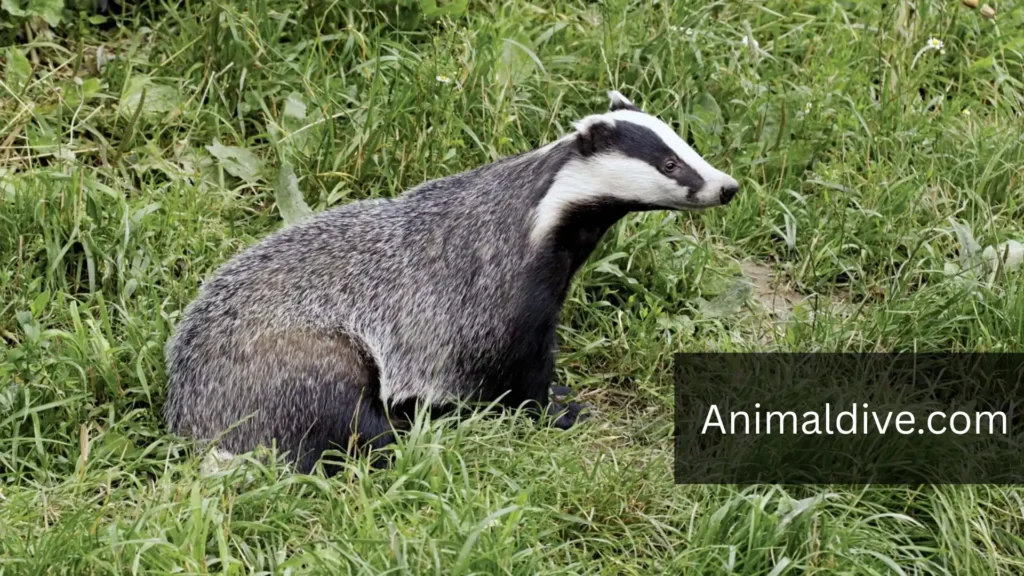
As opportunistic feeders, badgers enjoy a varied diet that includes small mammals, insects, and even fruits. Their burrowing activities not only provide shelter but also create spaces that facilitate growth and healthy ecosystems, reflecting their crucial role in the habitats they occupy.
Rock Hyrax
Scientific Name: Procavia capensis
Class: Mammalia
Diet: Herbivorous
Habitat: Rocky areas and cliffs in Africa
The rock hyrax may resemble a large rodent, but it bears a closer genetic relationship to elephants. These animals are known for their remarkable climbing abilities, often found basking on rocky outcrops, similar to how groundhogs enjoy sunlit meadows.
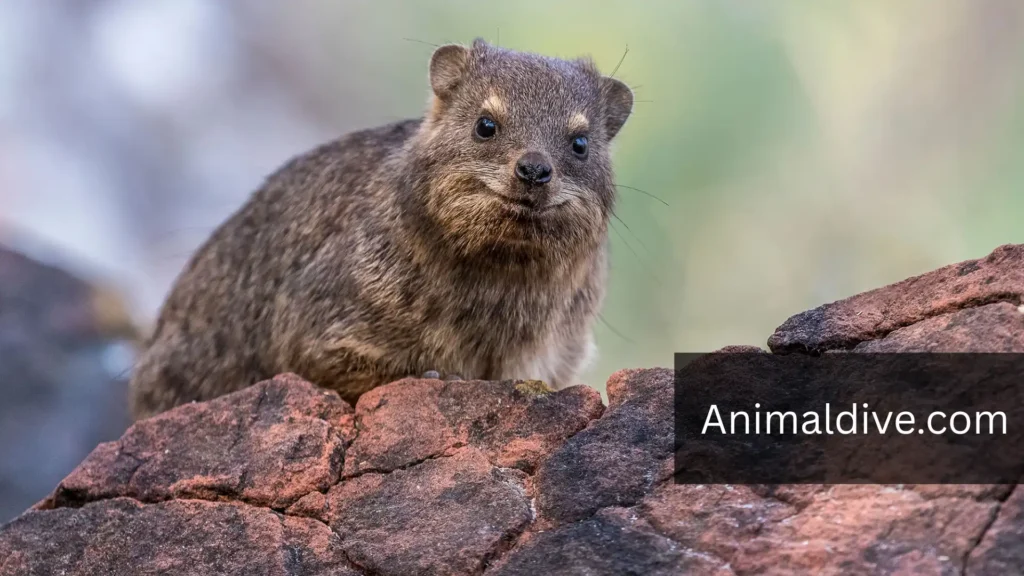
Social animals, rock hyraxes form groups for protection and warmth. Their vocalizations provide a complex form of communication, and their grazing behaviors contribute to maintaining the vegetation in their environments.
Nutria (Coypu)
Scientific Name: Myocastor coypus
Class: Mammalia
Diet: Herbivorous
Habitat: Wetlands and marshes
Nutria, often found near water, resemble oversized muskrats with their adaptive features for a semi-aquatic lifestyle. Like groundhogs, they play a vital role in their ecosystems, as their foraging habits greatly influence wetland plant growth.
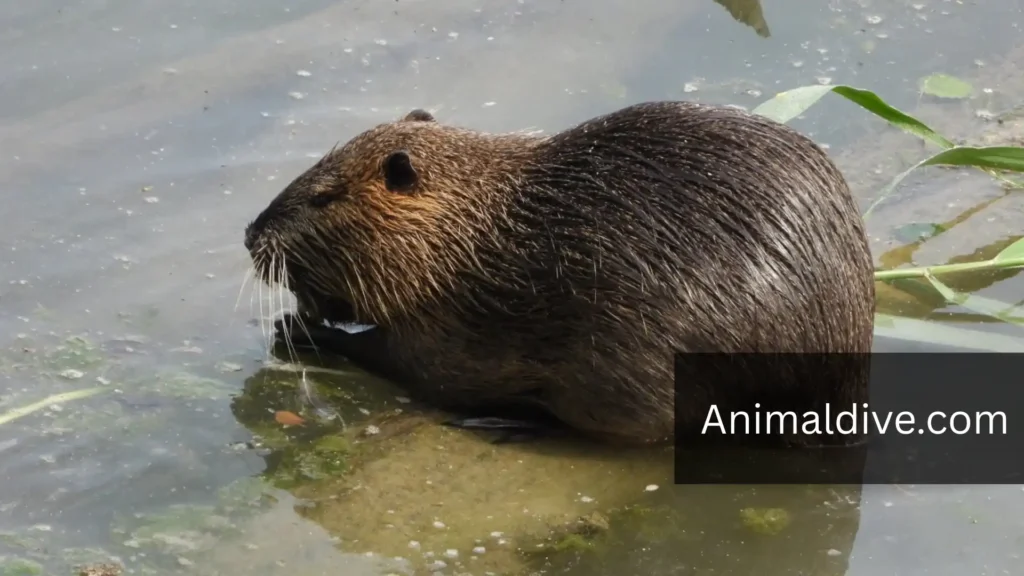
These animals can significantly alter their environment through their eating habits and burrowing, which fosters biodiversity. Despite being considered a nuisance in some areas, their cute appearance and social behavior make them a fascinating subject for wildlife observation.
Wombat
Scientific Name: Vombatus
Class: Mammalia
Diet: Herbivorous
Habitat: Australian forests and grasslands
Wombats are robust marsupials known for their unique cubical droppings and burrowing habits. Much like groundhogs, they dig extensive tunnel systems, providing refuge and contributing to soil aeration within their habitats. Despite their sturdy build, wombats are often grouped with the slow animals due to their unhurried, methodical pace of life.
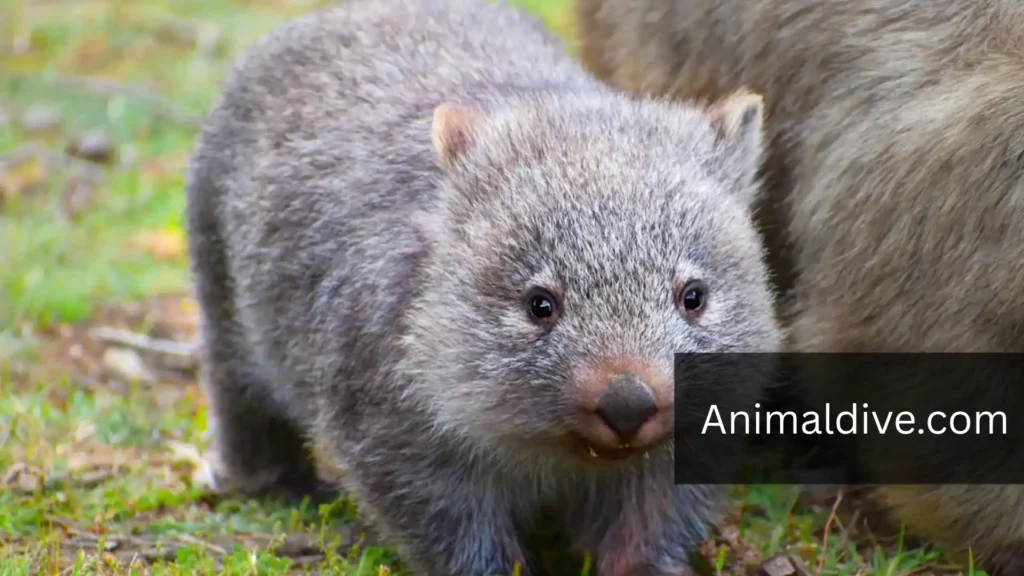
These creatures are strictly herbivorous, feeding on grasses and roots, and their slow metabolic rate allows them to thrive in harsh conditions. Their endearing appearance and strong, stocky bodies make them an intriguing part of Australia’s diverse wildlife.
Aardvark
Scientific Name: Orycteropus afer
Class: Mammalia
Diet: Insectivorous
Habitat: Sub-Saharan Africa
Aardvarks, with their elongated snouts and powerful claws, dig for termites and ants in the ground, showcasing their impressive burrowing abilities. While they differ significantly from groundhogs in appearance and diet, both share an affinity for creating extensive tunnel systems in their habitats. This nocturnal, independent lifestyle places aardvarks among the solitary animals in the world, rarely interacting with others outside of mating season.
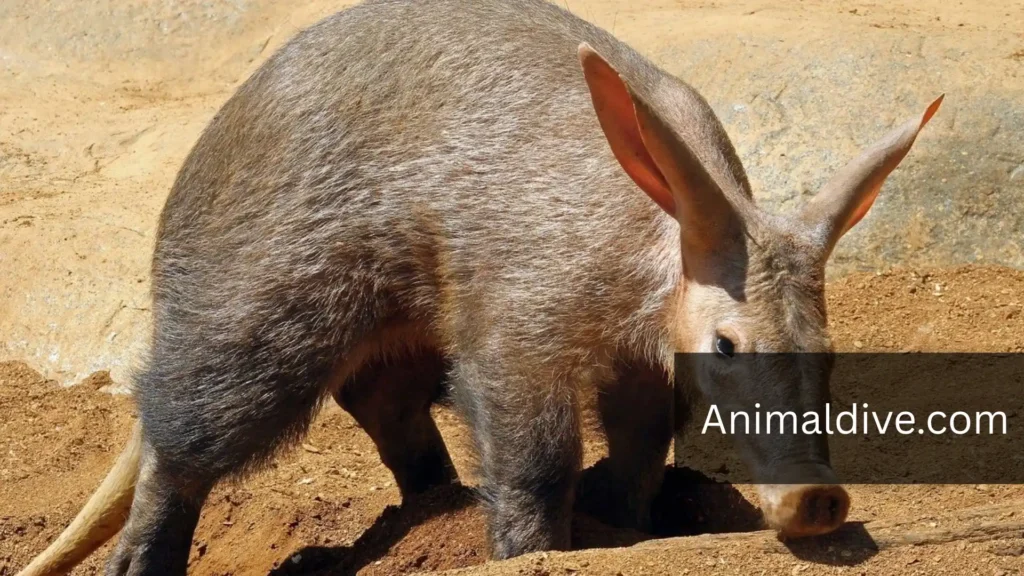
Solitary creatures, aardvarks have a nocturnal lifestyle, adding an element of mystery to their behavior. Their role in controlling insect populations and contributing to soil health underscores the interconnectedness of all creatures within their ecosystems, marking them as significant players in the natural world.
Why Do Some Animals Look Like Groundhogs?
The resemblance of various animals to groundhogs can be attributed to their similar body shape and burrowing lifestyle. Many species have evolved robust bodies and sturdy limbs, enabling them to dig effectively for shelter and food.
Similar habitats play a critical role in shaping these creatures. Animals like prairie dogs and marmots inhabit comparable ecosystems, necessitating parallel evolutionary traits for survival. Their striking similarities underscore the power of natural selection, where advantageous features are favored, allowing these species to thrive in similar ecological niches.
Which Animal Is Most Similar To A Groundhog?
The animal most similar to a groundhog is the marmot, sharing a close evolutionary lineage and behavioral traits. Both belong to the Sciuridae family and display similar burrowing habits, which is vital for their survival and interaction with the environment.
Marmots, like groundhogs, exhibit social structures and often live in colonies, which adds a compelling layer to their dynamic lifestyles. They communicate using a sophisticated system of whistles, showcasing an interesting aspect of their social interactions.
Groundhog Family Tree
The Groundhog Family Tree branches out to include a variety of intriguing rodents that share similarities in behavior and habitat. Marmots, with their larger size and social structures, thrive in mountainous regions, often living in colonies that enhance their survival.
Moving along this family tree, prairie dogs exhibit remarkable social dynamics, forming extensive underground towns that act as complex ecosystems. Chipmunks, smaller and more solitary, bring a burst of agility and charm to forests and gardens. Lastly, gophers contribute to the family lineage by expertly tunneling through soil, helping distribute nutrients while forging their own underground world.
Fun Facts About Animals Like Groundhogs
Animals like groundhogs play a vital role in maintaining the balance of their ecosystems. Their burrowing habits not only aid in soil aeration but also create habitats for other species. Observing these creatures can offer insights into the interconnectedness of nature, as they help sustain various plant and animal life around them.
- Groundhogs are also known as woodchucks, but they don’t actually chuck wood; it’s a misnomer from a Native American word meaning “digger.”
- These creatures can dig extensive burrows that can stretch up to 30 feet long, complete with multiple chambers for nesting and hibernation.
- Groundhogs hibernate for about six months each year, lowering their body temperature and entering a state akin to a deep sleep to conserve energy.
- Unlike many other rodents, groundhogs have a unique diet consisting mainly of grasses, fruits, and vegetables, showcasing their preference for a herbivorous lifestyle.
- They possess powerful front claws, perfectly adapted for digging, making their burrows a fortress against predators.
- Groundhogs can be surprisingly social; they often live in colonies and communicate through a range of vocalizations, including whistles and growls.
- Their keen sense of sight and smell helps them detect danger, enabling them to escape from predators such as foxes and hawks.
- Interestingly, groundhogs are significant gardeners of their ecosystems, helping to aerate soil and promoting healthy plant growth through their burrowing activities.
Conclusion
The study of animals like groundhogs unveils a fascinating variety of species that share similar traits and habitats. From their burrowing habits to their chubby physiques, many animals that look like groundhogs often lead people to confuse them with one another.
By understanding these nuances, you can better appreciate the diversity of wildlife around us. Be sure to observe and explore these remarkable creatures the next time you’re in their habitat!
FAQs
What Animals Look Similar To Groundhogs?
Several animals look similar to groundhogs, including marmots, prairie dogs, gophers, beavers, muskrats, chipmunks, ground squirrels, and wombats.
What Are the 5 Types Of Animals?
The five major groups of animals are:
Mammals
Birds
Reptiles
Amphibians
Fish
What Animal Looks Like A Groundhog But Isn’t?
A marmot is the animal most commonly mistaken for a groundhog because groundhogs are actually one species of marmot.
What Rodent Is Similar To A Groundhog?
Rodents most similar to groundhogs include prairie dogs, beavers, muskrats, gophers, chipmunks, squirrels, capybaras, and nutria.