Top 15 Animals That Eat Squirrels (With Pictures, Facts & Hunting Habits)
Squirrels, with their bushy tails and acrobatic hops, are a common sight in many backyards, yet they often serve as prey for various predators. Animals That Eat Squirrels include a range of hunters, from cunning foxes to impressive birds of prey.
Understanding these relationships is crucial, as it highlights the delicate balance of ecosystem dynamics and food chains. Let’s explore 15 such predators, detailing their hunting habits and unique characteristics.
What Animal Eats Squirrels?
Squirrels are commonly preyed upon by a diverse range of predators, including birds of prey like hawks and owls, as well as mammals such as foxes, coyotes, and domestic cats. Reptiles, including snakes, are also known to hunt these nimble rodents. The interconnectedness of these species highlights the predatory balance within ecosystems.
List of 15 Animals That Eat Squirrels
| No. | Animal | Scientific Name | Class | Diet |
| 1 | Hawk | Buteo jamaicensis | Aves | Carnivore |
| 2 | Raccoon | Procyon lotor | Mammalia | Omnivore |
| 3 | Coyote | Canis latrans | Mammalia | Omnivore |
| 4 | Great Horned Owl | Bubo virginianus | Aves | Carnivore |
| 5 | Domestic Cat | Felis catus | Mammalia | Carnivore |
| 6 | Eagle | Haliaeetus leucocephalus | Aves | Carnivore |
| 7 | Alligator | Alligator mississippiensis | Reptilia | Carnivore |
| 8 | Snake | Serpentes | Reptilia | Carnivore |
| 9 | Gray Wolf | Canis lupus | Mammalia | Carnivore |
| 10 | Weasel | Mustela nivalis | Mammalia | Carnivore |
| 11 | Fox | Vulpes vulpes | Mammalia | Omnivore |
| 12 | Bobcat | Lynx rufus | Mammalia | Carnivore |
| 13 | Marten | Martes americana | Mammalia | Carnivore |
| 14 | Red-Tailed Hawk | Buteo jamaicensis | Aves | Carnivore |
| 15 | Great Gray Owl | Strix nebulosa | Aves | Carnivore |
Hawk
Scientific Name: Accipitridae
Class: Aves
Diet: Carnivore
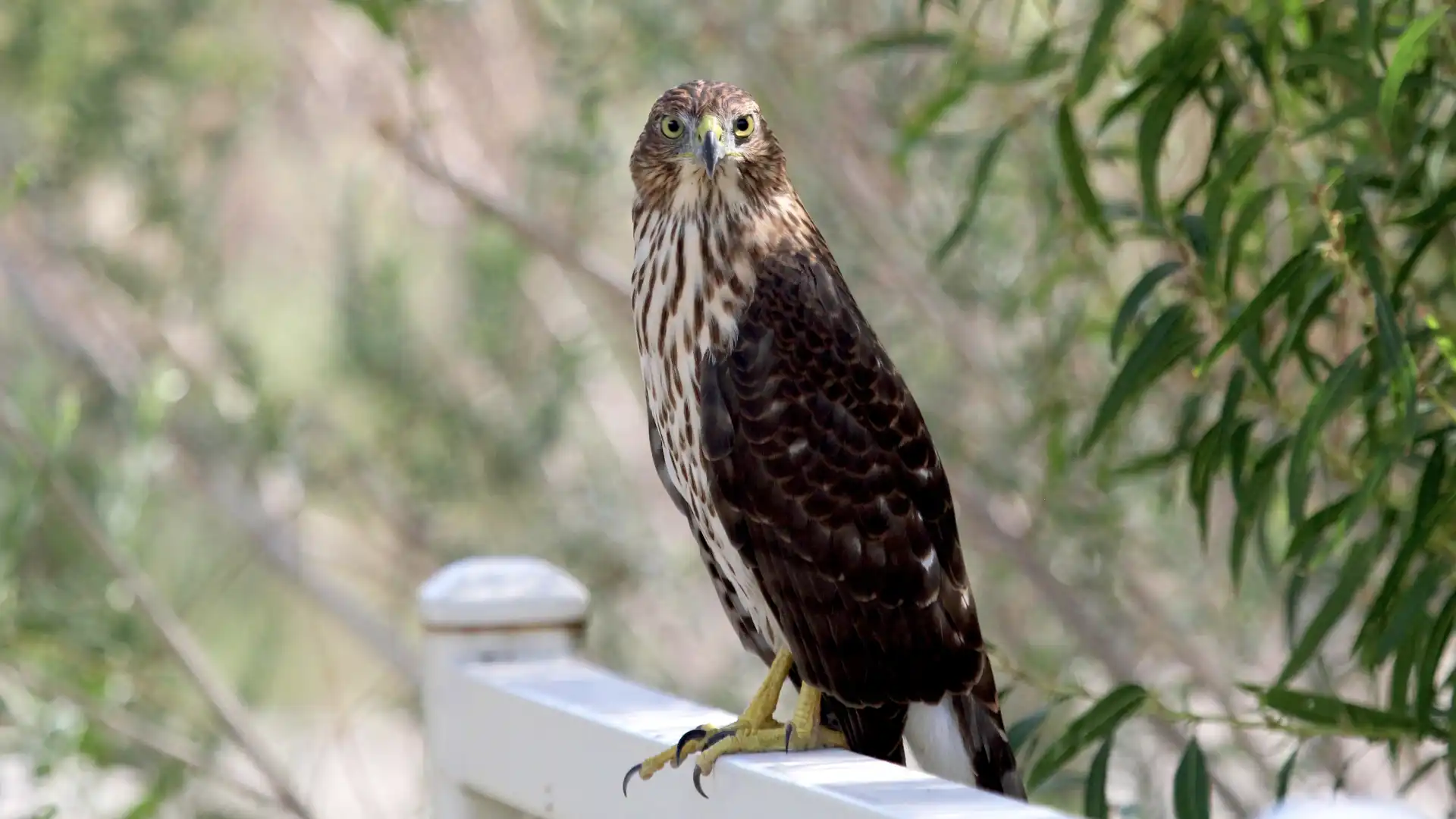
Hawks are skilled aerial hunters, often seen soaring high above forests, scanning for small mammals like squirrels. Their keen eyesight allows them to detect even the slightest movement, making them formidable predators in their habitat. Their diet isn’t limited to squirrels though many hawks are also skilled at spotting and catching amphibians hiding near water’s edge, showing just how varied their hunting range can be.
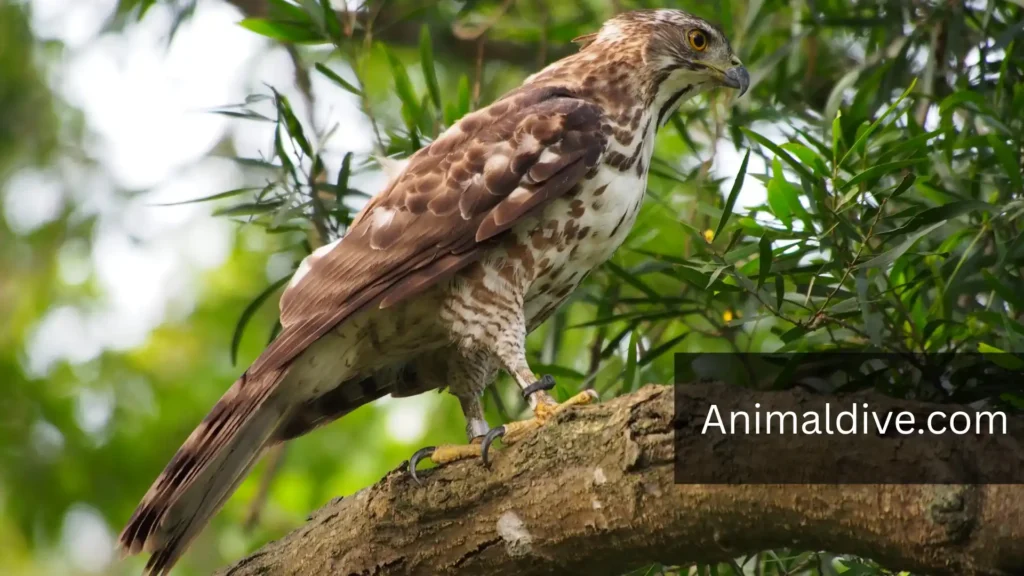
These birds typically employ a strategy of swift dives, using their sharp talons to snatch up unsuspecting rodents, including squirrels. The presence of hawks in an ecosystem can indicate a healthy balance, as they help control squirrel populations.
Raccoon
Scientific Name: Procyon lotor
Class: Mammalia
Diet: Omnivore
Raccoons are often seen rummaging through trash, but their diet extends to small animals, including squirrels. Their dexterous front paws allow them to climb trees and navigate into squirrel nests with ease. This adaptability is a hallmark of some of the most cunning animals in the wild, and raccoons consistently rank among the cleverest problem-solvers in the animal kingdom.
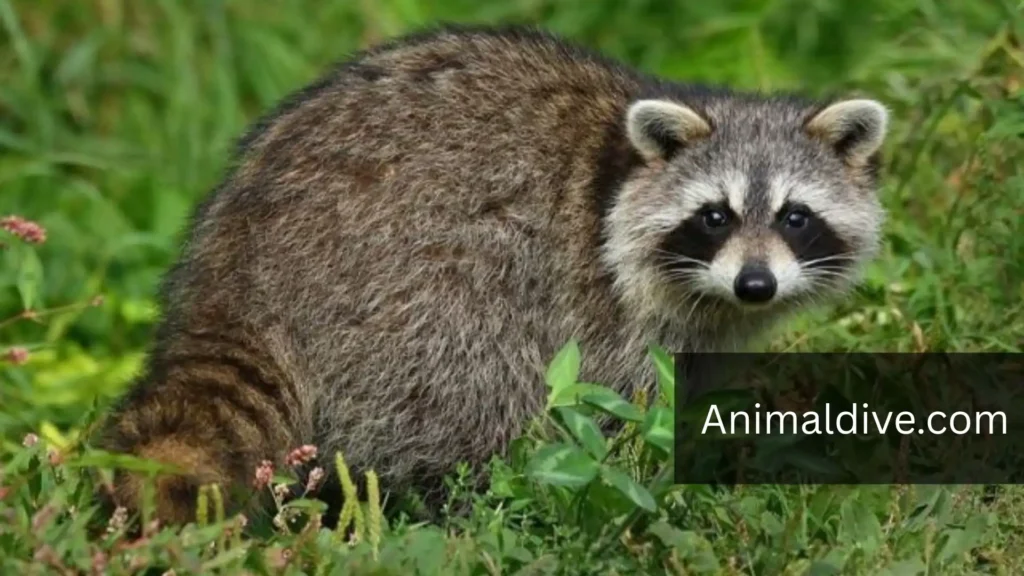
These clever scavengers capitalize on the opportunistic feeding behaviors of squirrels, especially during the warmer months when food is plentiful. Raccoons are known for their intelligence, making them adaptable hunters in various environments.
Coyote
Scientific Name: Canis latrans
Class: Mammalia
Diet: Carnivore
Coyotes are versatile predators that thrive in diverse habitats, from urban to rural settings. Their opportunistic nature leads them to hunt small mammals, including squirrels, as part of their varied diet.
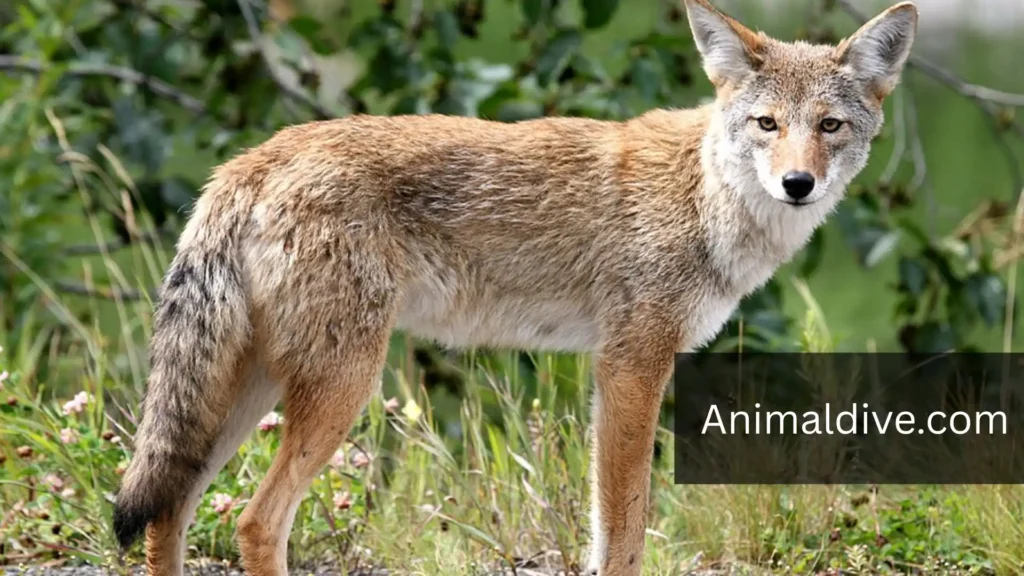
With heightened senses and pack dynamics, coyotes can effectively track and ambush squirrels, using both speed and teamwork. Squirrels aren’t their only small prey coyotes are also known to be efficient hunters of rabbits, rounding out a diet built on speed and opportunity.Their presence in an ecosystem can regulate rodent populations, contributing to ecological balance.
Great Horned Owl
Scientific Name: Bubo virginianus
Class: Aves
Diet: Carnivore
The Great Horned Owl is known for its distinctive tufts and powerful hunting skills. They primarily hunt at night, making them adept at catching squirrels resting in trees or on the ground.
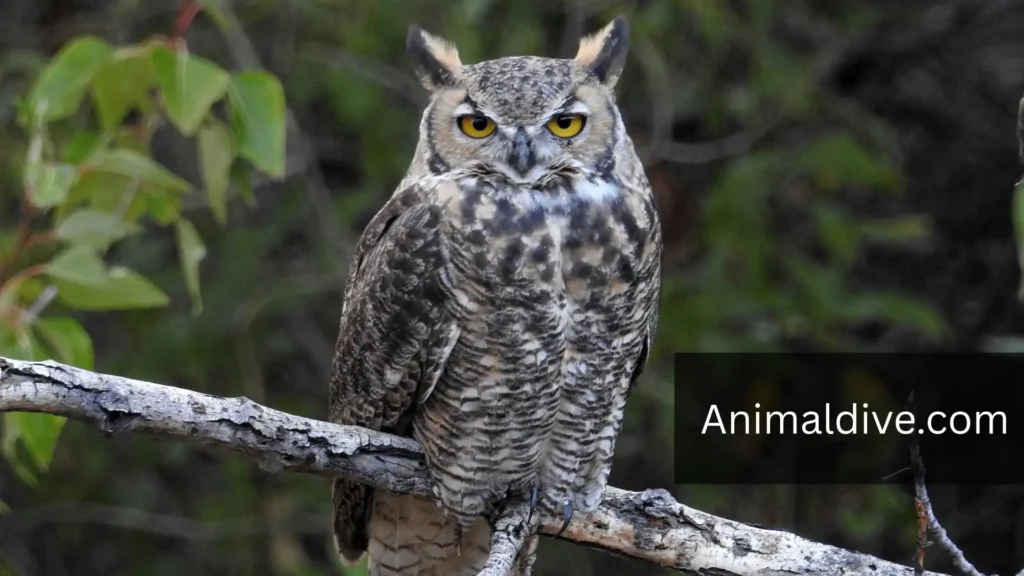
Their silent flight allows them to approach prey without being detected, and their strong talons deliver fatal strikes. This apex predator plays a crucial role in controlling rodent populations, including squirrels, in its territory. Owls share this nocturnal hunting advantage with several other scavenging bird species, many of which rely on similarly sharp senses to locate prey after dark.
Domestic Cat
Scientific Name: Felis catus
Class: Mammalia
Diet: Carnivore
Domestic cats may be small, but their predatory instincts run deep, driving them to stalk and catch squirrels. Their agility and stealth make them effective hunters in suburban and rural environments alike.
While not all cats are successful hunters, many enjoy the chase, treating the pursuit of squirrels as both a play activity and a serious endeavor. Cats can impact local wildlife, including squirrels, by blending into their surroundings and pouncing when least expected.
Eagle
Scientific Name: Aquila
Class: Aves
Diet: Carnivore
Eagles are iconic birds of prey known for their majesty and hunting prowess. With their powerful talons and keen eyesight, they can spot squirrels from impressive heights, swooping down to catch them with remarkable precision.
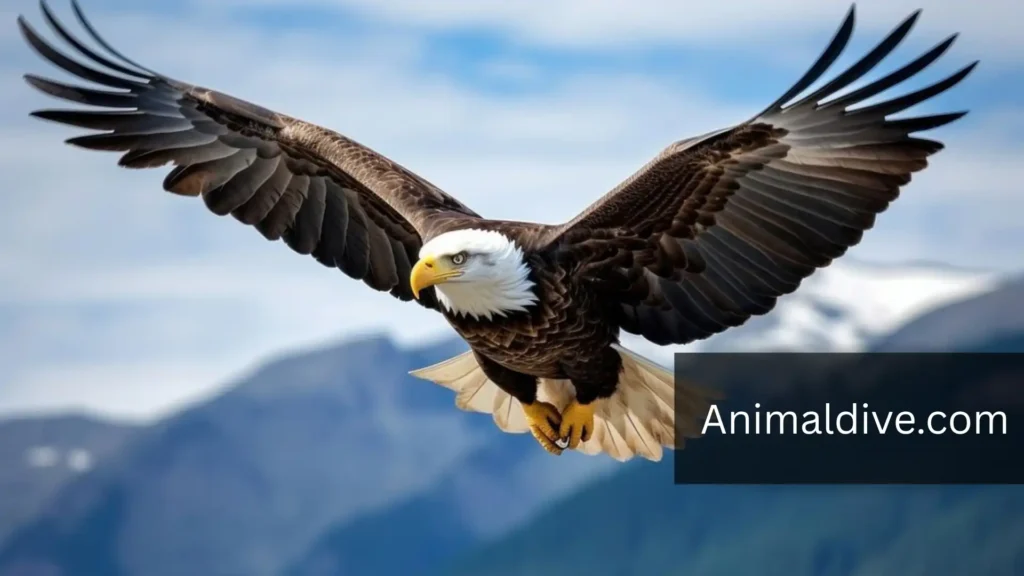
Often choosing elevated perches to survey their territory, eagles exemplify the art of patience in hunting. They play a significant role in maintaining the balance of their environments by preying on small mammals like squirrels. With talons strong enough to take down much larger prey, eagles are frequently mentioned among the deadliest animals in the world for their sheer hunting power.
Alligator
Scientific Name: Alligator mississippiensis
Class: Reptilia
Diet: Carnivore
While alligators are primarily associated with aquatic environments, they are opportunistic ambush predators that will take advantage of any wildlife near their habitat. Squirrels may occasionally fall prey to these large reptiles if they venture too close to the water’s edge.
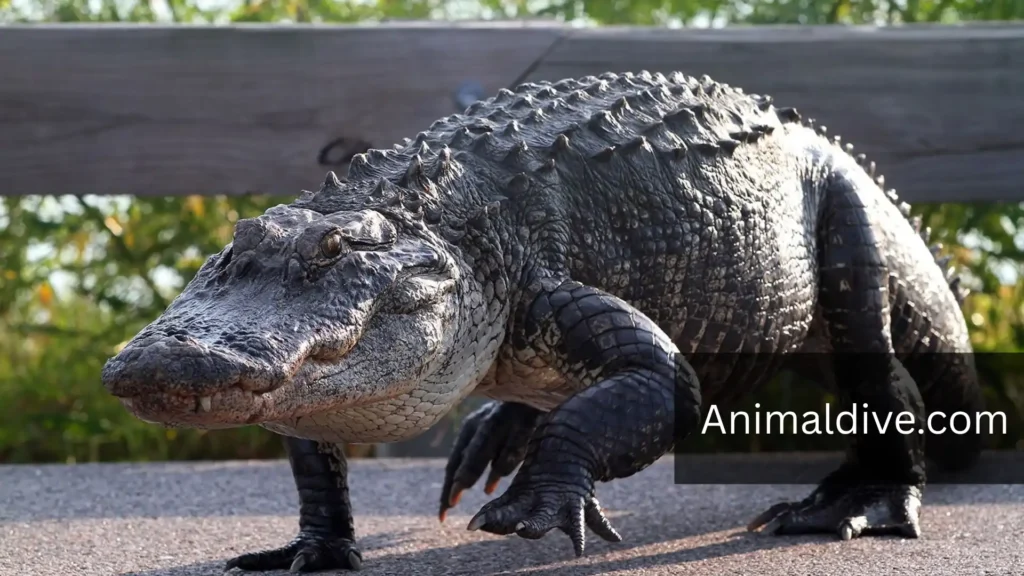
Alligators utilize their swift, powerful jaws to capture unsuspecting animals, highlighting the importance of caution for squirrels living near wetlands and riverbanks. Their predatory behaviors demonstrate the complex food web that exists in ecosystems featuring both land and water environments.
Snakes
Scientific Name: Serpentes
Class: Reptilia
Diet: Carnivore
Many snake species, including garter and rat snakes, appreciate the meal that squirrels provide. Squirrels, sometimes oblivious to the danger, can become easy targets when they venture onto the ground or during sleep in their nests.
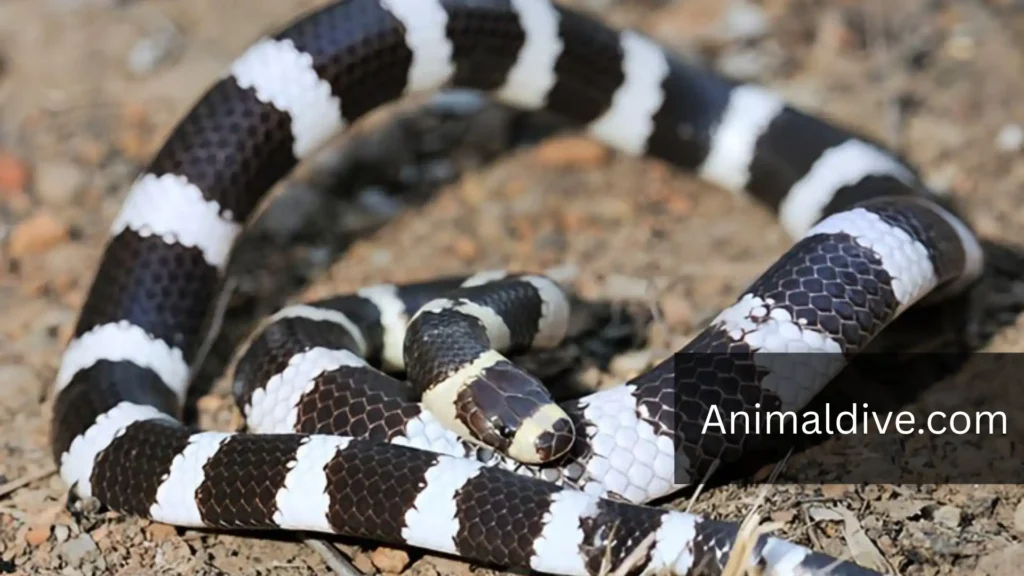
Snakes employ various strategies, such as ambush and constriction, to capture and consume their prey. Their role in the ecosystem as predators contributes to the control of squirrel populations, balancing flora and fauna. Their ability to strike without warning places snakes firmly among the sneakiest animals in the world, relying on stillness and surprise rather than speed.
Gray Wolf
Scientific Name: Canis lupus
Class: Mammalia
Diet: Carnivore
Gray wolves are apex predators known for their pack hunting strategies, but they also exhibit opportunistic feeding behaviors. While larger prey like deer is often their target, they won’t shy away from smaller meals, including squirrels, particularly when food is scarce.
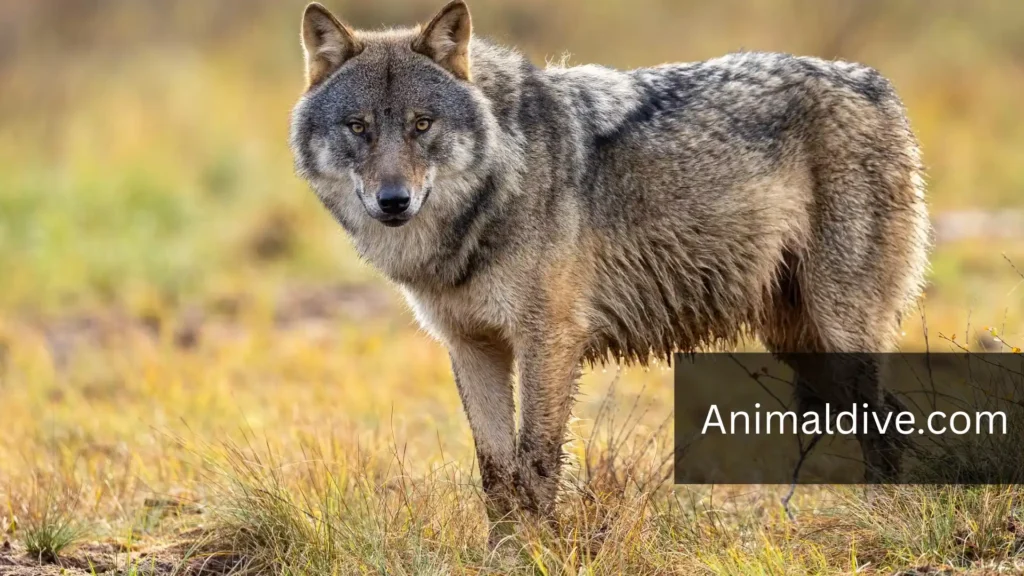
Their hunting tactics involve teamwork and endurance, showcasing the adaptability of wolves in various ecosystems. As top predators, they play a vital role in balancing the populations of smaller mammals like squirrels in their territories. This cooperative hunting style is shared by many other animals that live in groups, where teamwork often makes the difference between a successful hunt and going hungry.
Weasel
Scientific Name: Mustela
Class: Mammalia
Diet: Carnivore
Weasels are small but fierce carnivores, adept at hunting small mammals including squirrels. Their slender bodies allow them to navigate tight spaces, making it easier to pursue frightened prey.
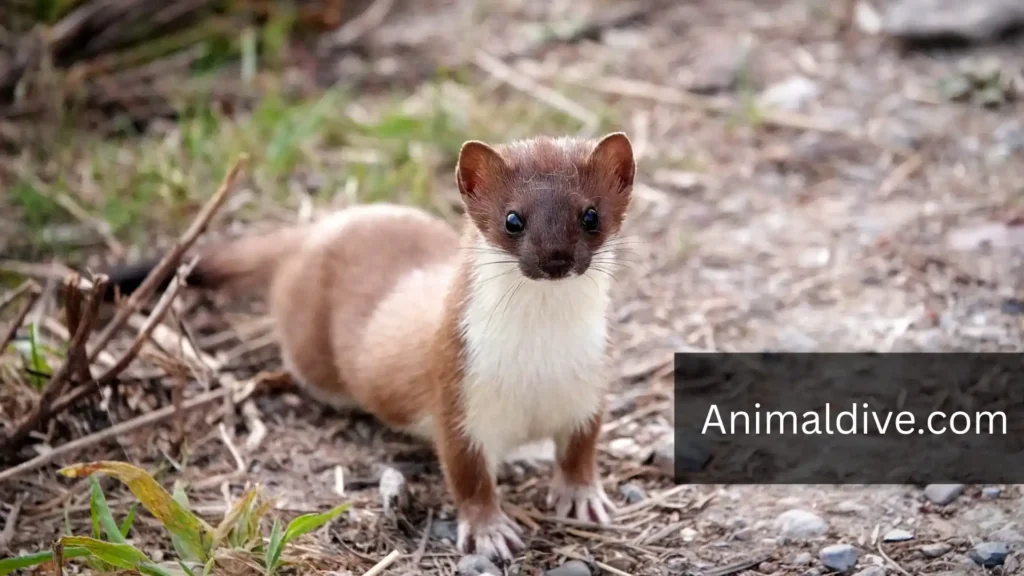
Highly energetic and quick, weasels can take advantage of unsuspecting squirrels during the night or at dawn when these animals are least alert. Their presence indicates a balanced ecosystem, where each species plays a role in the food chain. Weasels belong to a broader family of small, fierce hunters you can see similar traits in other animals like weasels that share their speed and tenacity.
Fox
Scientific Name: Vulpes vulpes
Class: Mammalia
Diet: Omnivore
Foxes are cunning hunters, known for their adaptability in both urban and rural landscapes. With a love for small mammals, they often include squirrels in their diverse diet, employing stealth and clever ambush tactics to capture them.
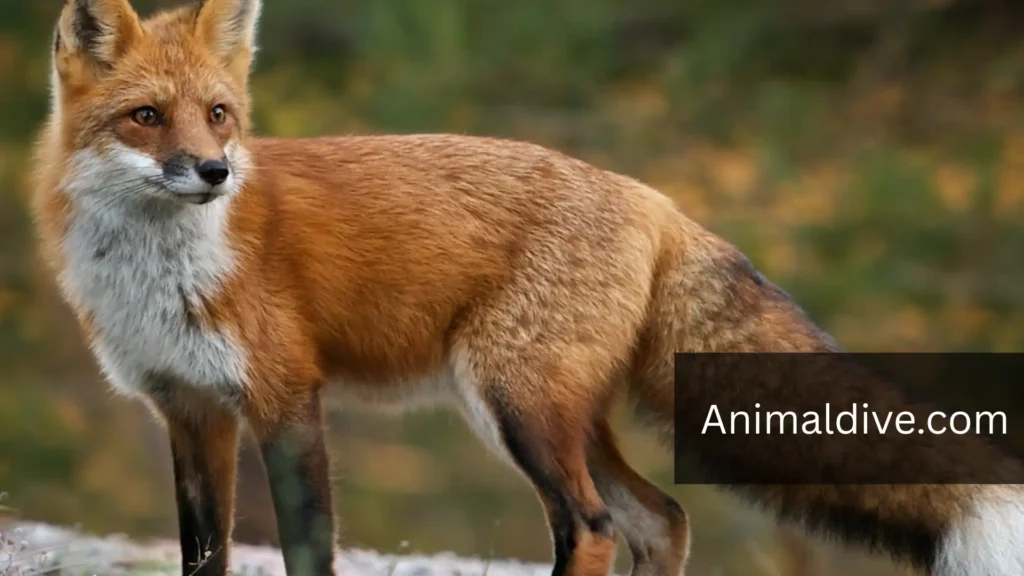
Their keen senses and intelligence make them formidable nocturnal predators. If you hear the pitter-patter of claws in the night, it may be a fox in pursuit of a squirrel, reminding us of the delicate predator-prey relationships in nature. Foxes aren’t alone in this hunting style several other animals similar to foxes rely on the same blend of cunning and stealth to catch their prey.
Bobcat
Scientific Name: Lynx rufus
Class: Mammalia
Diet: Carnivore
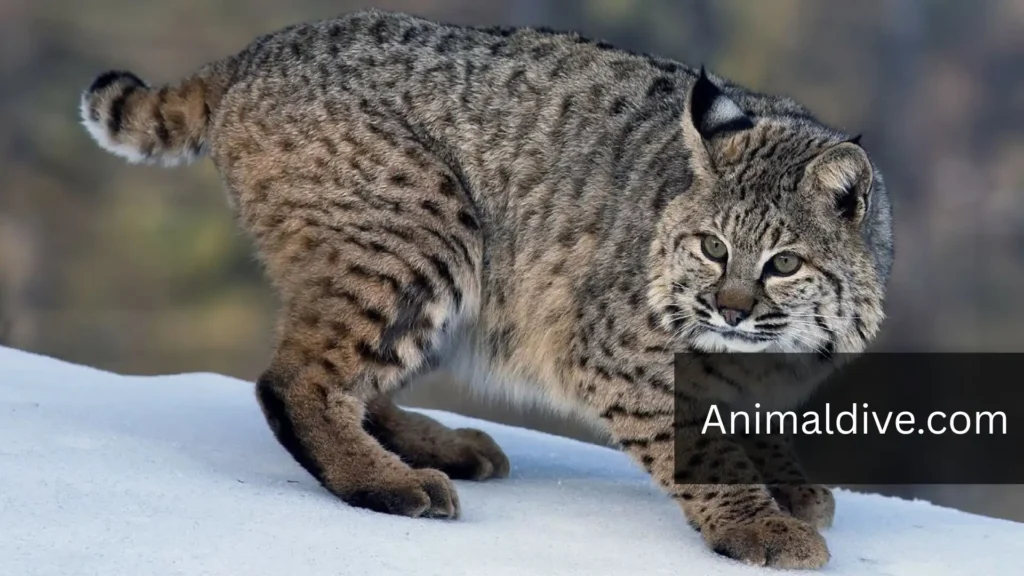
Bobcats are solitary hunters known for their stealth and adaptability. They often stalk through underbrush to find their next meal, and squirrels are often on the menu during their hunts.
Their powerful limbs enable them to leap impressive distances, making it easier to catch squirrels trying to escape. This dynamic predator-prey relationship highlights the bobcat’s role in maintaining ecological balance.
Marten
Scientific Name: Martes
Class: Mammalia
Diet: Carnivore
Martens are agile tree-climbing mammals that are well-adapted for hunting squirrels in forested habitats. Their sharp claws and keen senses make it easy for them to locate and capture these prey.
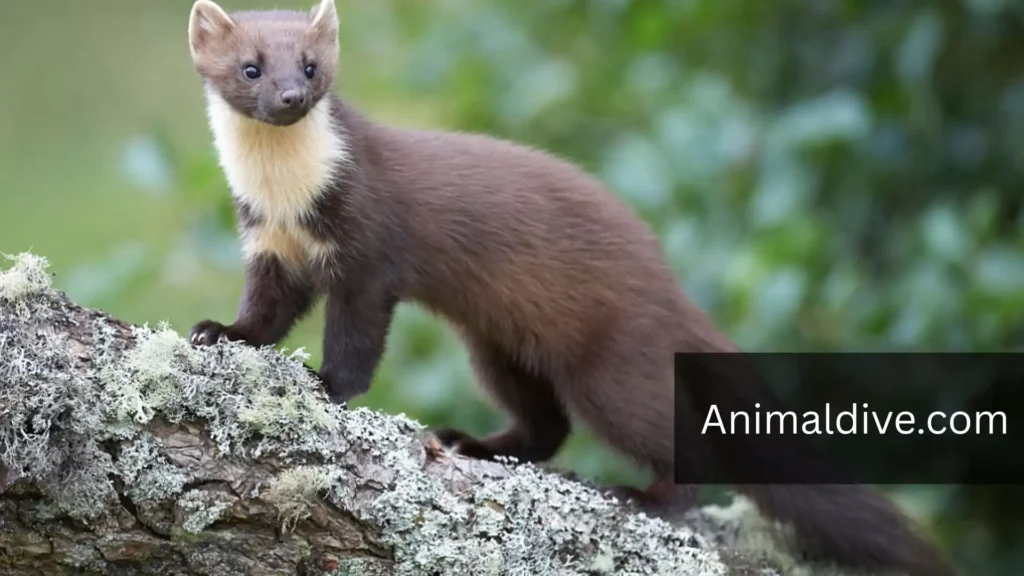
Utilizing stealth and speed, martens sneak up on unsuspecting squirrels. With their unique adaptations, these small carnivores play a vital role in controlling the squirrel population within their ecosystems.
Red-Tailed Hawk
Scientific Name: Buteo jamaicensis
Class: Aves
Diet: Carnivore
The Red-Tailed Hawk is known for its distinctive plumage and dynamic hunting style. Typically found soaring high above open fields, their keen eyesight helps them spot squirrels scurrying below.
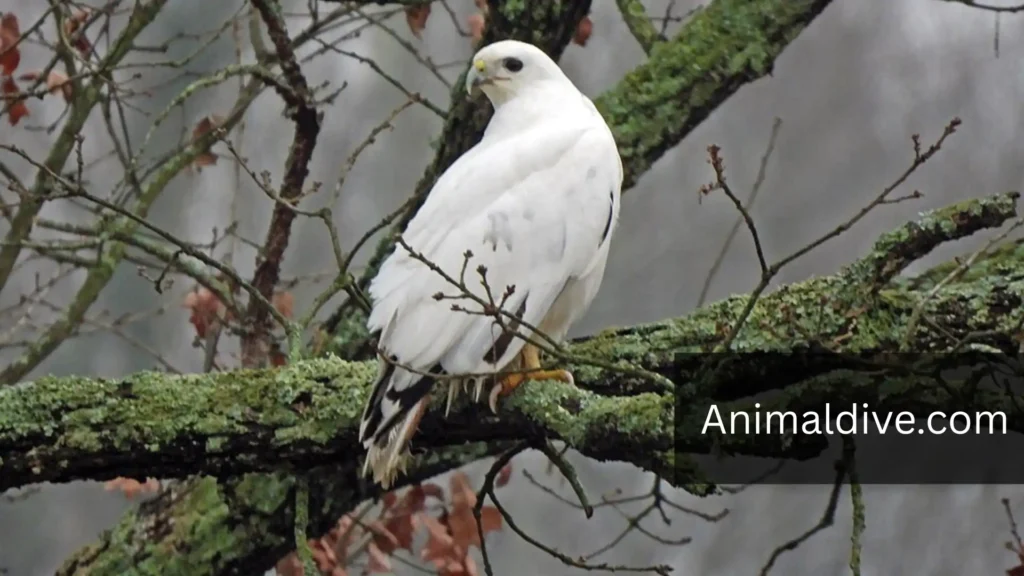
When they identify potential prey, they dive with incredible speed, using their talons to make a swift capture. These agile hunters are essential in controlling local rodent populations, maintaining healthy ecosystems.
Great Gray Owl
Scientific Name: Strix nebulosa
Class: Aves
Diet: Carnivore
The Great Gray Owl is a master of camouflage, blending seamlessly into its forest environment. Known for its extraordinary hearing, this owl can pinpoint the slightest movements of squirrels below the snow or foliage.
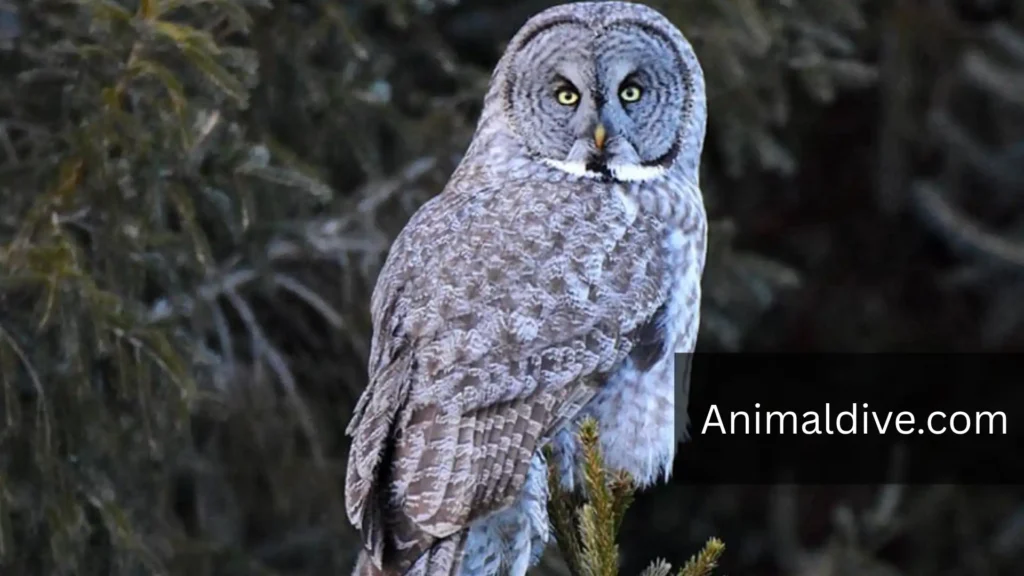
Hunting primarily at dusk and dawn, the Great Gray Owl silently swoops down to capture its prey, showcasing the delicate balance of life in the forest. Their role in the ecosystem underscores the importance of each predator in maintaining ecological harmony.
What Eats Squirrels In The Forest?
Forest squirrels face threats from both ground-dwelling predators and birds of prey. Their ability to climb trees and move quickly helps them escape, but stealthy hunters can still catch them by surprise.
From foxes and bobcats to hawks and owls, different predators use unique hunting strategies to catch squirrels in woodland habitats
| Predator | How It Hunts Squirrels |
| Fox | Stealth and pouncing |
| Bobcat | Ambushes from cover |
| Marten | Chases through trees |
| Hawk | Attacks from above |
| Owl | Hunts at night |
| Coyote | Opportunistic hunting |
| Snake | Ambushes near nests |
What Eats Gray Squirrels?
Gray squirrels face a variety of predators in their natural habitats. Hawks and owls excel in aerial attacks, swooping down with incredible precision, while terrestrial hunters like foxes and coyotes stalk them stealthily on the ground.
Bobcats utilize their agility and ambush techniques to catch unsuspecting squirrels, while snakes, particularly larger species, can strike from hiding spots. This dynamic predator-prey relationship illustrates nature’s balance, influencing gray squirrel populations across various ecosystems.
What Eats Red Squirrels?
In the wild, red squirrels face numerous predators, including fierce carnivores like martens and weasels. These agile hunters stealthily navigate the forest, leveraging their speed and sharp instincts to prey on unsuspecting red squirrels.
Birds of prey, such as hawks and owls, also pose a significant threat from the skies. Their keen eyesight and silent approach make them formidable adversaries, reminding us that survival in the forest is a constant battle against nature’s hunters.
What Eats Ground Squirrels?
Ground squirrels are preyed upon by a variety of predators, including coyotes and foxes, which rely on their keen senses to hunt these small mammals. Additionally, badgers, snakes, hawks, and eagles target ground squirrels, showcasing the struggle for survival in their habitat.
The presence of these predators creates an intricate balance in the ecosystem. Ground squirrels use their agility and burrowing skills to evade many threats, making their survival a fascinating study of adaptation and instinct.
What Eats Dead Squirrels?
Dead squirrels attract a range of scavengers, including crows and ravens, which are known for their intelligence and opportunistic feeding habits. Vultures, with their knack for locating carrion, join the fray, while foxes and raccoons capitalize on this easy food source.
This scavenging behavior plays a crucial role in nutrient recycling within the ecosystem. By consuming deceased animals, these opportunistic animals help maintain ecological balance, preventing disease and promoting new growth.
How Do Squirrels Escape Predators?
Squirrels possess an impressive array of adaptations that help them evade predators.
- Speed and agility: With their quick reflexes, squirrels can dash away at remarkable speeds, making them hard targets for hunters.
- Climbing trees: Their specialized claws allow them to effortlessly scale trees, providing a vital escape route.
- Jumping between branches: Squirrels can leap impressive distances between branches, effectively utilizing the treetops as a refuge.
- Camouflage: Their fur often blends with tree bark, providing natural cover against the keen eyes of predators.
- Sharp hearing: With their acute sense of hearing, squirrels can detect the slightest rustle indicating danger from afar.
- Warning calls: They communicate using a variety of warning calls, alerting peers to the presence of threats.
- Hiding in nests and tree cavities: In moments of peril, squirrels retreat into nests or hollows, utilizing these hideaways as safe havens.
These survival strategies highlight not only the ingenuity of squirrels but also their intricate relationship with their habitats, showcasing how they’ve evolved to thrive amidst potential dangers.
Conclusion
Understanding the Animals That Eat Squirrels provides valuable insight into the ecosystem and the intricate relationships between predators and prey. From birds of prey to larger mammals, it’s clear that various species rely on squirrels as a crucial food source.
Knowing what eats squirrels enriches our appreciation for biodiversity and the delicate balance of nature. As you explore your local environment, keep an eye out for these fascinating hunters in action.
FAQs
Which Animal Eats Squirrels?
Many animals eat squirrels, including hawks, owls, foxes, bobcats, coyotes, snakes, wolves, weasels, and domestic cats. These predators help maintain healthy squirrel populations in the wild.
Do Squirrels Eat Any Other Animals?
Yes. Although squirrels mainly eat nuts, seeds, fruits, and fungi, some species occasionally eat insects, bird eggs, small birds, baby mice, and carrion when food is scarce.
What Predators Like Squirrels?
Hawks, owls, foxes, bobcats, coyotes, martens, snakes, weasels, and eagles are among the most common predators that frequently hunt squirrels as part of their diet.
What Animal Are Squirrels Most Afraid Of?
Squirrels are most afraid of birds of prey such as hawks and owls, along with ground predators like foxes, bobcats, coyotes, and snakes, which can quickly capture them.